

Soccer Beginner Training for Kids Who Need Confidence
What is soccer beginner training and how does it build confidence?
Soccer beginner training helps new players gain skills and self-belief through simple ball control, playful practice, and supportive coaching. With structured beginner soccer lessons and fun soccer drills for beginners, kids develop coordination, teamwork, and comfort on the field, often showing measurable confidence improvements within weeks.
Soccer Beginner Training for Kids Who Need Confidence
⏱ 5 min read — Soccer beginner training can transform shy kids into confident teammates faster than you think, especially when beginner soccer lessons mix encouragement with fun soccer drills for beginners and fun soccer drills for youth that build skills without pressure. Discover simple ways to reduce anxiety, spark motivation, and turn practice into play while boosting coordination and teamwork—ready to see what clicks first?
Many parents worry their child will feel overwhelmed in sports. Maybe they hesitate to join games, avoid group activities, or say they’re “not good enough.” These are common concerns. The right environment changes everything by making skill-building feel safe, playful, and achievable.
Which activity supports your child’s confidence and coordination at the same time? Keep reading — you might be surprised how approachable early training can be.
👉 Explore playful tools that spark movement and discovery
Browse ideas in Baby Growth & Learning or see the beginner-friendly goal toy here: kids soccer sticky goal toy.
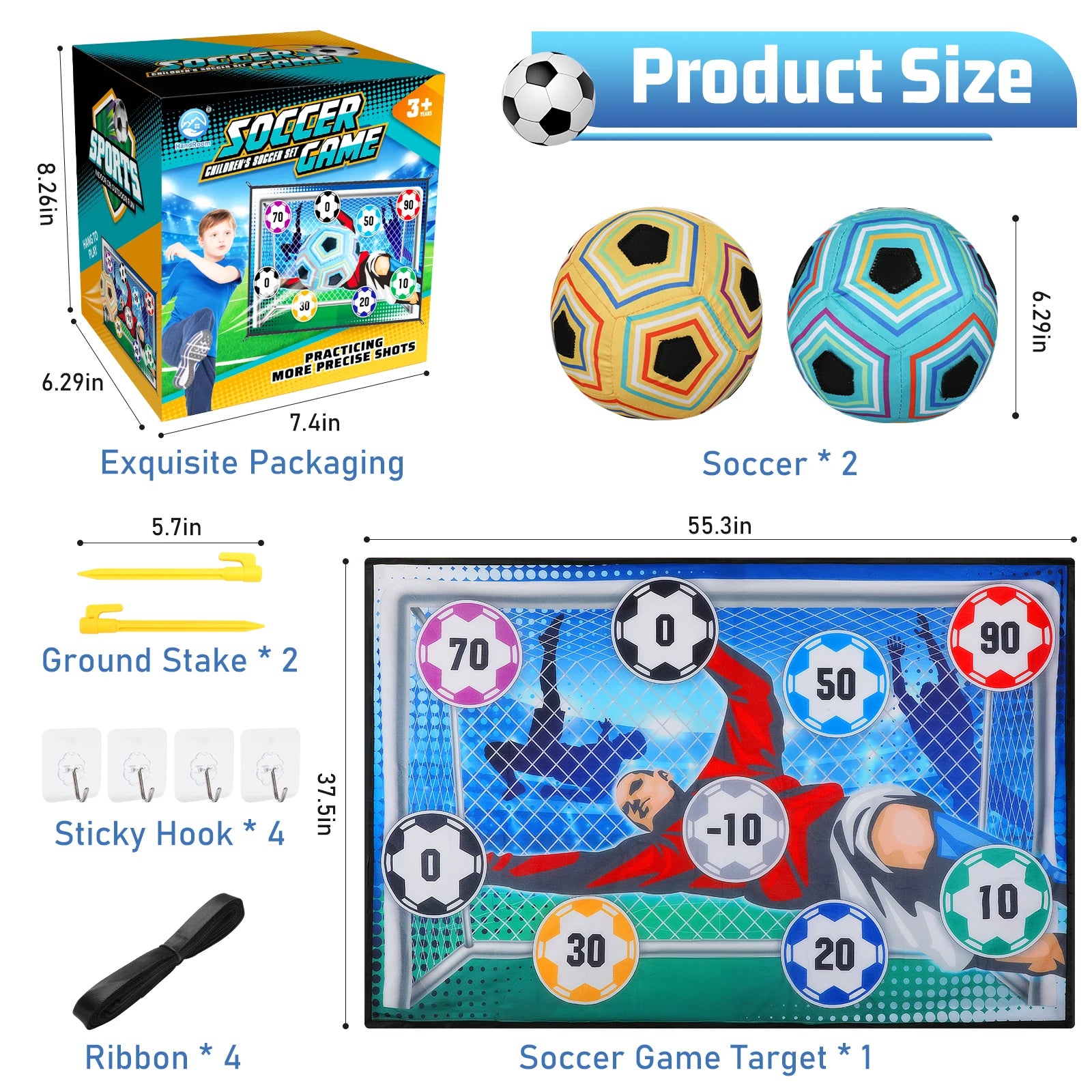
soccer beginner training with beginner soccer lessons inspiration 💡 See it in action
How Confidence-Focused Practice Helps Kids Thrive
Soccer beginner training works best when the focus isn’t winning — it’s growth. Confidence builds through repetition, encouragement, and play.
When children master small skills, they gain emotional momentum. That sense of accomplishment spills into other areas: school, friendships, and independence.
Key emotional and physical benefits
- Improves coordination and balance
- Encourages social participation
- Develops persistence after mistakes
- Strengthens communication skills
- Boosts willingness to try new activities
Parents often combine skill play with wellness routines. Exploring Health & Safety products or relaxation tools from Massage & Relaxation can support recovery and comfort after active play.
Why a Beginner-Friendly Practice Tool Makes Learning Easier
Soccer beginner training becomes more effective when children can practice independently in a safe, familiar space. Using a lightweight practice target allows repetition without pressure, giving them control over pacing and progress.
A simple solution like the kids soccer sticky goal toy turns everyday play into structured skill practice while maintaining a sense of fun and safety indoors or outdoors.
Benefits parents notice immediately
- Encourages solo practice without supervision stress
- Reduces intimidation compared to large team drills
- Supports focus on aim and coordination
- Fits small spaces, simplifying routine building
- Provides visible progress milestones
👉 Learn how to create supportive play environments
Explore supportive activity solutions via Sensory Toys or start skill-building today with the kids soccer sticky goal toy.
Fun Soccer Drills for Beginners That Build Courage
Fun soccer drills for beginners should feel playful rather than competitive. Confidence grows when drills emphasize discovery and laughter.
Starter drill ideas
- Target Tap: Lightly kick toward a small goal for accuracy
- Follow the Ball: Practice gentle dribbling around markers
- Parent Pass: Simple back-and-forth passing games
- Score & Celebrate: Cheer loudly for each success
Integrating these into daily routines creates familiarity. Many families coordinate these moments with learning activities found in Baby Growth & Learning Tips.
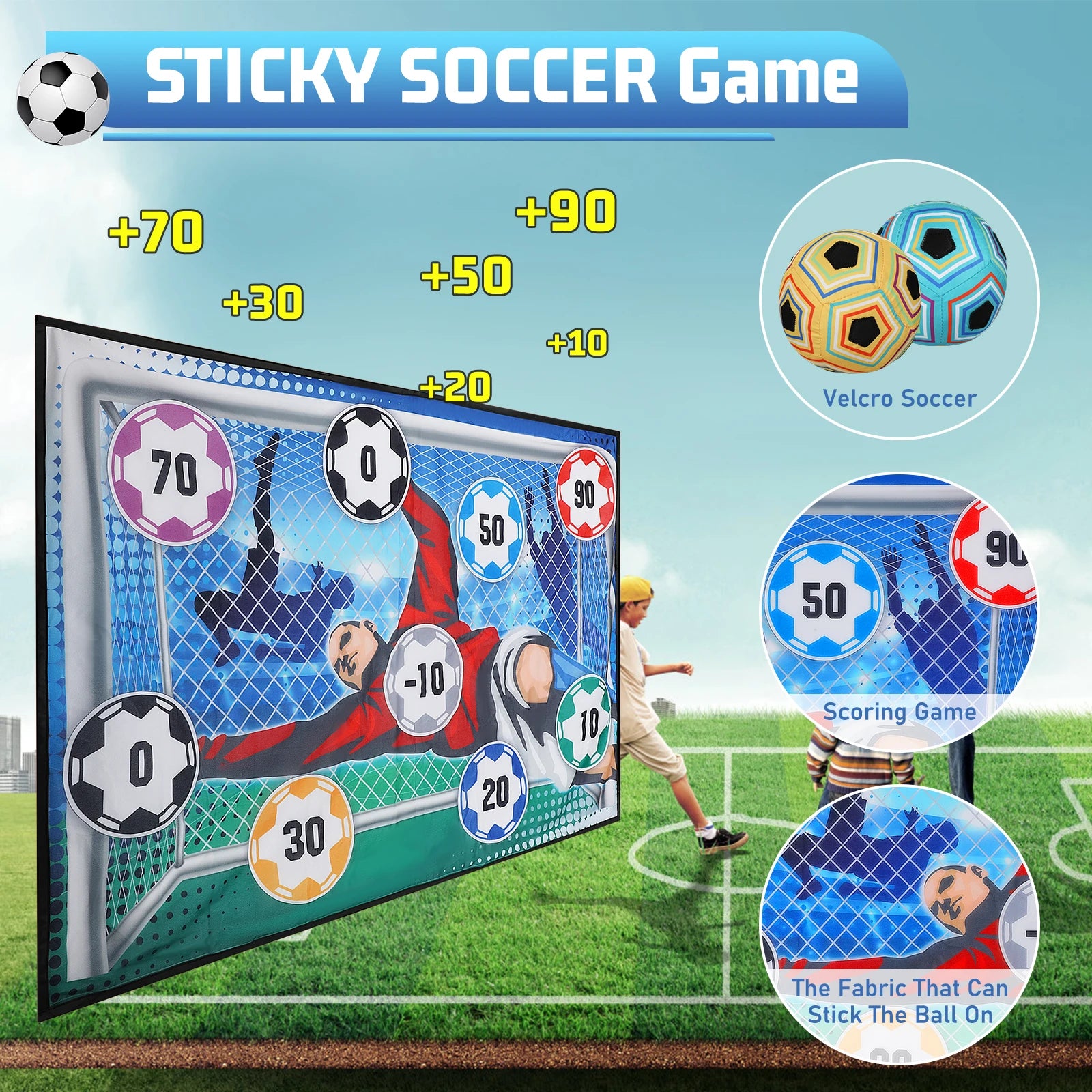
fun soccer drills for beginners and youth 💡 See it in action
How a Simple At-Home Routine Builds Skills and Confidence
Creating a predictable schedule turns practice into habit. Kids thrive when they know what comes next.
Example weekly structure
| Day | Focus | Duration |
|---|---|---|
| Monday | Dribbling play | 10 minutes |
| Wednesday | Target practice | 15 minutes |
| Friday | Family mini-game | 15 minutes |
| Weekend | Free exploration | Flexible |
Pair activity time with calming routines supported by Sleep & Comfort or temperature monitoring tools from Temperature Tools to maintain overall well-being.
Practice Options Compared
| Option | Pros | Cons |
|---|---|---|
| Team-only practice | Social exposure, coaching guidance | Can overwhelm shy beginners |
| Solo backyard play | Low pressure, flexible timing | Lacks structured targets |
| Beginner practice target | Encourages repetition, builds focus | Requires setup |
Many families blend approaches, reinforcing skill-building while maintaining emotional comfort. Helpful parenting resources appear in Baby Care Tips & Advice.
Real Parent Experiences and Results
Parents frequently report noticeable changes within weeks:
- “My child went from avoiding sports to asking to practice daily.”
- “Accuracy improved after short sessions using the kids soccer sticky goal toy.”
- “Confidence showed up in classroom participation too.”
Usage feedback indicates consistent engagement when sessions stay playful and brief. Encouragement and visible progress markers drive motivation more than competition.
Supporting Development Beyond Soccer
Confidence extends into daily routines. Movement training complements learning tools from Mobility & Training and safety awareness supported by Monitoring Devices.
Families seeking balance often combine physical play with nurturing routines such as self-care resources available in Mom Essentials and Beauty & Wellness.
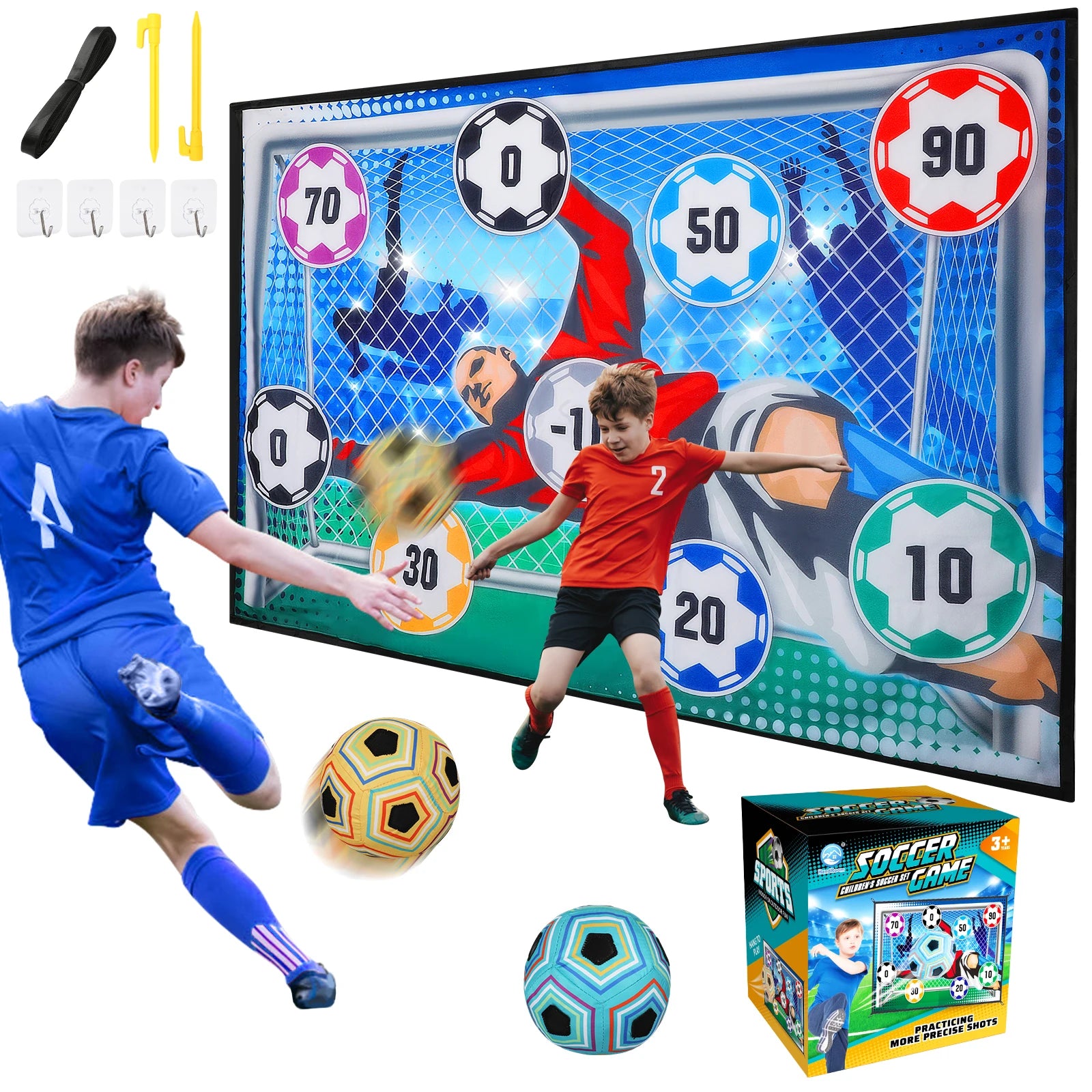
soccer beginner training progress results 💡 See it in action
👉 Give your child a confidence-building start today
Encourage active play with the kids soccer sticky goal toy — available while supplies last.
Mini FAQ
What age is best to begin beginner soccer lessons?
Children can start exploring basic ball skills as early as preschool age, focusing on play and coordination rather than competition. Short, encouraging sessions build comfort and interest.
How often should kids practice?
Two to three short sessions weekly are typically enough to reinforce skills without causing fatigue. Consistency matters more than duration.
Can shy children benefit from fun soccer drills for youth?
Yes. Low-pressure drills encourage gradual participation and help children develop social comfort and resilience while improving physical coordination.
Do simple practice tools make a difference?
Accessible equipment such as the kids soccer sticky goal toy enables repetition and visible progress, which strengthens motivation and self-belief.





