

Indoor Soccer Goal Size Explained: Youth, Futsal & Adult
What are soccer goals for indoor play and which type works best at home?
Soccer goals for indoor play are compact, lightweight goal systems designed to fit inside homes, schools, and training spaces while helping protect walls and furniture. The best indoor soccer goal balances appropriate indoor soccer goal dimensions, soft materials, stability, and durability. Choosing the right model depends on available space, player age, training goals, and how frequently it will be used.
Soccer Goals for Indoor Play: Side-by-Side Review
⏱ 8 min read
Whether you're practicing on rainy days or creating a year-round training space, choosing the right indoor soccer goal makes a noticeable difference. This guide compares goal types, explains official indoor soccer goal sizes, highlights youth recommendations, and shows how to select a goal that matches your home or training environment.
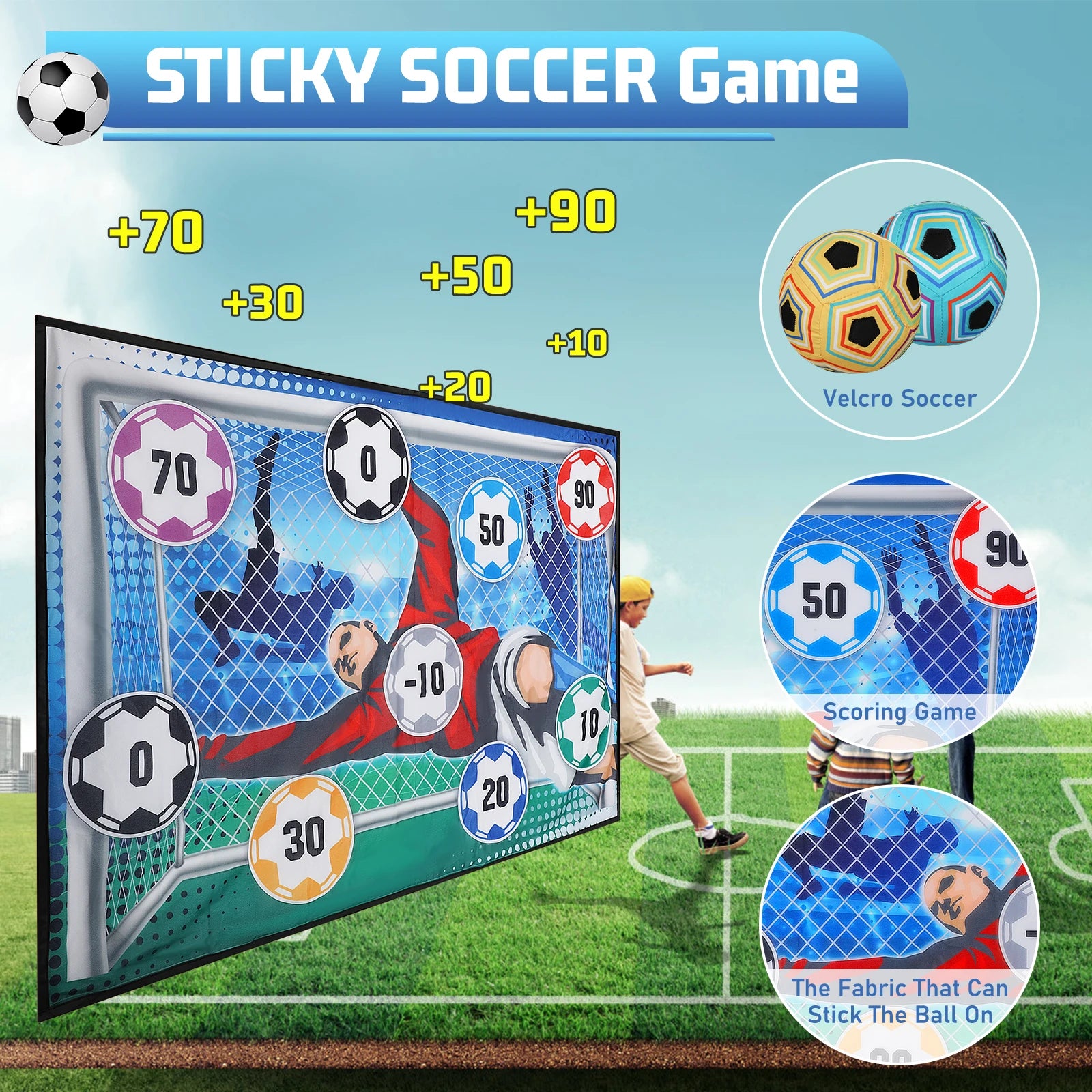
Compact soccer goals for indoor play with safe indoor soccer goal dimensions. See it in action.
Indoor Soccer Goal Size: Official Dimensions by Game Format
Not every indoor soccer game uses the same goal. Indoor soccer goal size varies depending on whether you're playing arena soccer, futsal, recreational youth leagues, or practicing at home. Understanding these differences helps you choose equipment that matches your training goals.
Regulation indoor soccer goal dimensions
Many adult indoor soccer leagues use goals measuring approximately 6.5 feet (2 meters) high by 12 feet (3.66 meters) wide. However, recreational leagues and facilities may use slightly different measurements depending on the governing organization.
Futsal vs indoor soccer goal size
Although often grouped together, futsal and indoor soccer are different sports.
- Futsal goal: 2 m × 3 m (6.6 ft × 9.8 ft)
- Indoor arena soccer: commonly around 2 m × 3.66 m (6.5 ft × 12 ft)
Futsal goals are narrower, encouraging precision passing and technical finishing, while arena soccer goals provide a wider target for faster-paced play.
Common indoor soccer measurements by league
| Game Format | Typical Goal Size | Measurement |
|---|---|---|
| Home practice | 24–60 inches wide | 0.6–1.5 m |
| Youth recreation | 4–6 ft wide | 1.2–1.8 m |
| Futsal | 9.8 × 6.6 ft | 3 × 2 m |
| Adult indoor soccer | 12 × 6.5 ft | 3.66 × 2 m |
Indoor Soccer Goal Size Chart by Age Group
Choosing an age-appropriate indoor soccer goal improves confidence, encourages proper technique, and creates a safer practice environment.
| Age Group | Recommended Goal Width | Best Use |
|---|---|---|
| U6–U8 | 24–36 in | Basic shooting and coordination |
| U10 | 36–48 in | Passing and finishing drills |
| U12 | 48–72 in | Developing game-like accuracy |
| Teen & Adult | 6 ft and larger | Advanced training |
U6–U8
Soft mini goals are ideal because they're forgiving, lightweight, and easy to move around the house.
U10
A medium-sized portable goal provides enough target area for improving passing accuracy and controlled shooting.
Goal size for U12 soccer
Players in this age group benefit from larger goals that more closely resemble match conditions while still fitting comfortably inside garages or larger recreation rooms.
Teen and adult leagues
Competitive players should practice with larger portable goals whenever space allows to better simulate regulation shooting angles.
Soft Mini Soccer Goals
Foam and fabric goals are designed specifically for indoor use. Their lightweight construction helps protect walls and furniture while giving younger players a safe target.
Best for: Toddlers, beginners, apartments, playrooms.
Pop-Up Indoor Soccer Goals
Pop-up models unfold within seconds and collapse flat for convenient storage. They're excellent for occasional practice but benefit from non-slip flooring or light anchoring.
Best for: Casual practice and families needing easy storage.
Rigid Frame Indoor Soccer Goals
Steel or fiberglass frames provide a realistic playing experience and withstand harder shots. They require more clearance and should only be used where sufficient space is available.
Best for: Older children, teens, and dedicated training areas.
Portable vs permanent indoor goals
Portable goals suit most homes because they fold away after practice. Permanent installations work well in gyms, schools, and dedicated indoor training facilities where the goal remains in place year-round.
Side-by-Side Comparison: What Actually Fits Your Home?
| Goal Type | Typical Width | Storage | Durability | Best For |
|---|---|---|---|---|
| Soft Mini Goal | 24–36 in | Excellent | Medium | Young children |
| Pop-Up Goal | 36–48 in | Excellent | Medium | Family practice |
| Rigid Frame Goal | 48–60+ in | Fair | High | Serious training |
Choosing the Right Indoor Soccer Goal for Your Space
Apartments
Compact foam goals reduce noise and minimize the chance of wall damage. A clear play area of approximately 6 × 6 feet is suitable for most beginner practice sessions.
One popular option is the kids soccer sticky goal toy, which uses gentle adhesion instead of heavy frames to help protect walls while encouraging accurate shooting.
Garages and basements
These larger spaces can accommodate wider portable goals and allow players to practice passing, first touch, and shooting with fewer restrictions.
Gyms and training facilities
Facilities with higher ceilings and open floors can safely accommodate regulation-sized indoor soccer goals for structured team training.
When planning an indoor practice space, remember to allow additional safety clearance around the goal so players can move freely without contacting nearby furniture or walls.
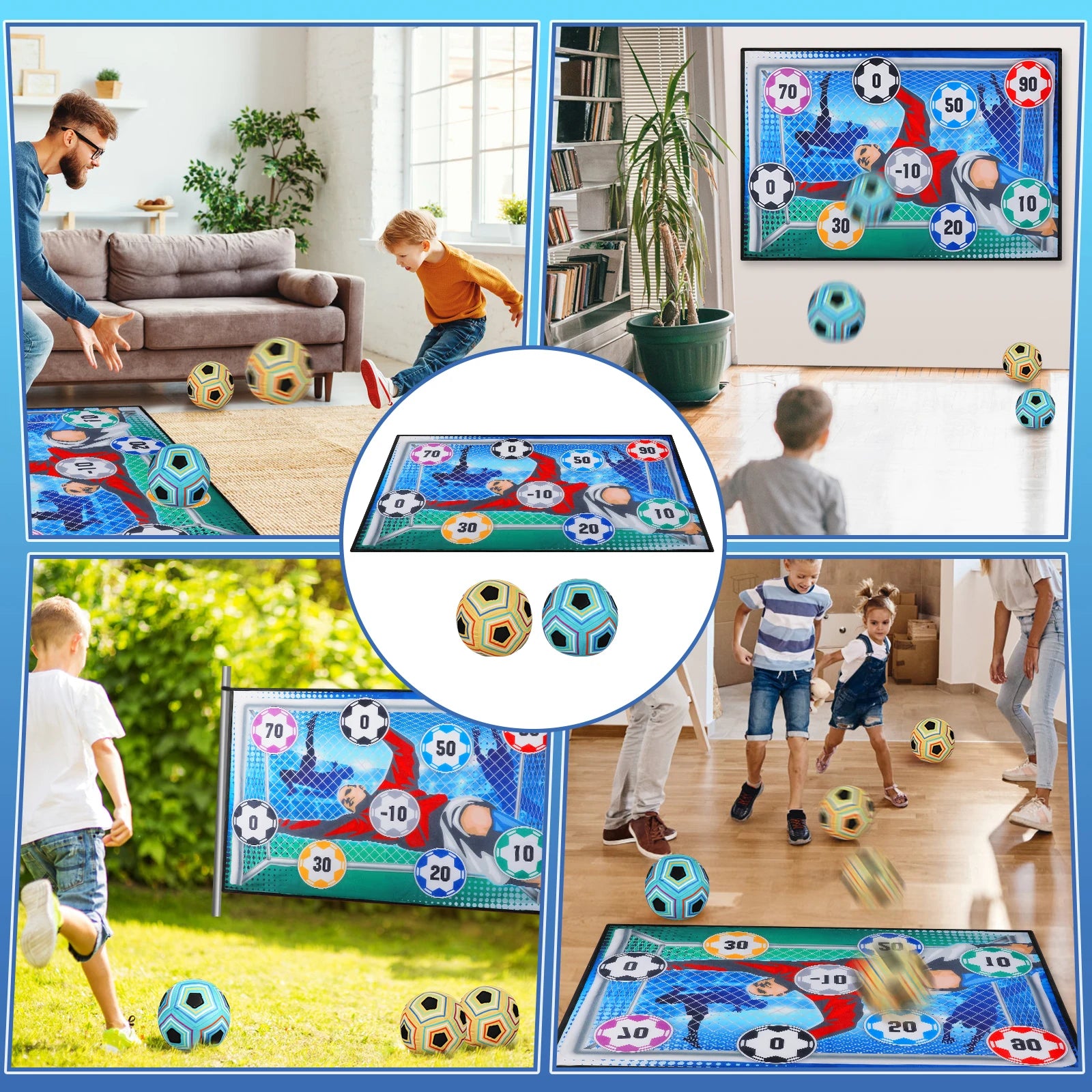
Youth soccer goals sized appropriately for indoor training and skill development.
Indoor Soccer Net Size and Goal Construction
Net depth
An appropriately sized indoor soccer net should hang deep enough to absorb the ball without excessive rebound. A properly fitted net also reduces wear on the frame.
Frame materials
- Foam frames provide the safest option for young children.
- Fiberglass balances flexibility and durability.
- Steel frames offer maximum strength for competitive practice.
Anchoring options
Non-slip feet, sandbags, or removable weights improve stability without permanently attaching the goal to the floor. Stable goals reduce tipping and improve safety during active play.
Families prioritizing safety alongside play often browse Health & Safety resources for additional ideas that complement indoor sports activities.
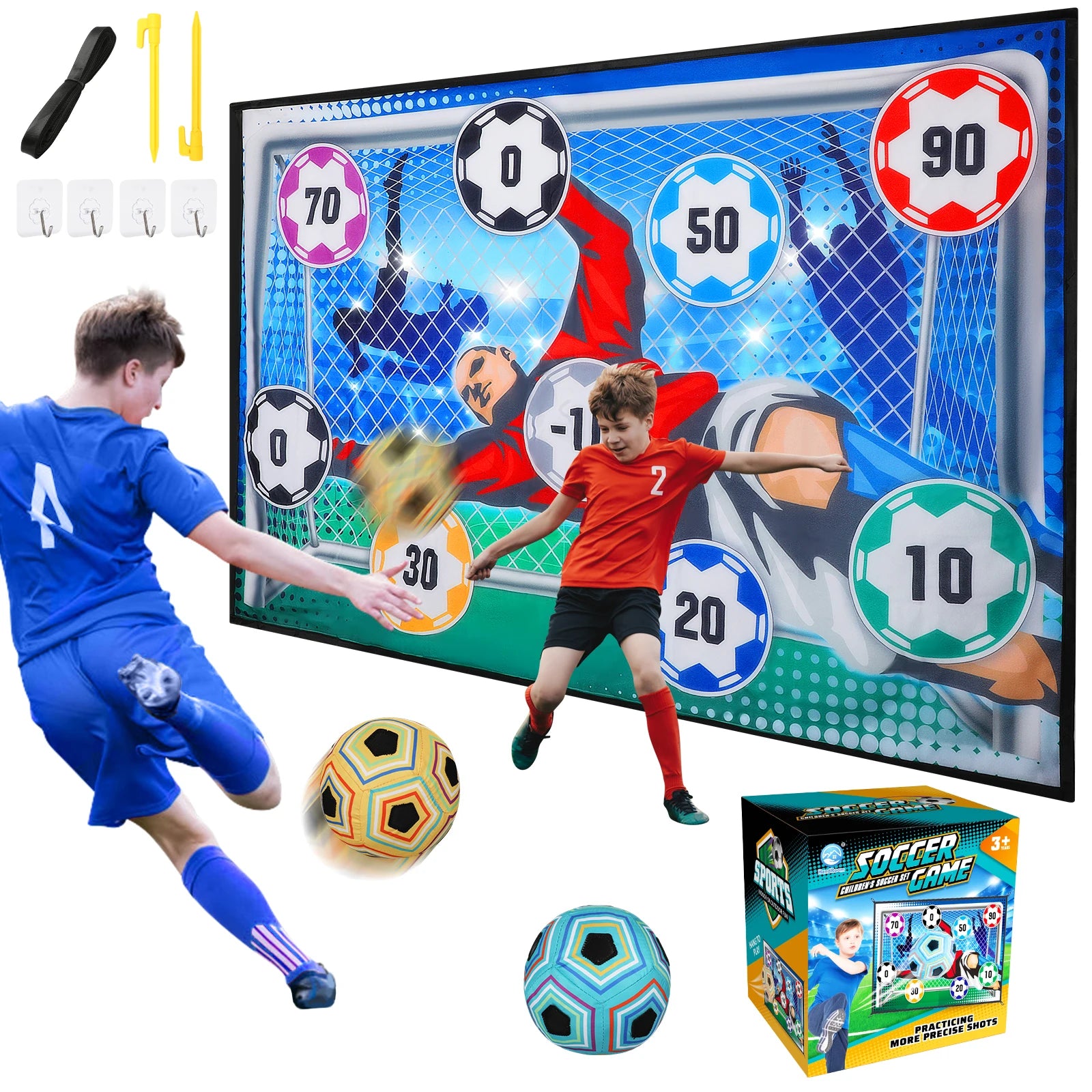
Indoor soccer goals available in multiple sizes for youth practice and home training.
How to Choose the Best Indoor Soccer Goal
For young children
Choose lightweight goals with soft frames, rounded edges, and compact dimensions that are easy to move and store.
For skill training
Look for adjustable or medium-sized portable goals that encourage accurate passing, shooting, and first-touch drills without requiring a full-size field.
For competitive practice
Players preparing for league competition should prioritize sturdy construction, quality nets, realistic rebound characteristics, and dimensions that closely resemble regulation play whenever possible.
- Match the goal size to the available playing area.
- Choose durable materials if practicing several times each week.
- Consider portability if the goal will be stored after every session.
- Select quality nets that fit the frame correctly.
Parents looking for additional activities can also explore Baby Growth & Learning for indoor play ideas and Sleep & Comfort products that help children unwind after active sessions.
Frequently Asked Questions
What is the official indoor soccer goal size?
Many adult indoor soccer leagues use goals measuring approximately 12 feet wide by 6.5 feet high, although dimensions may vary slightly depending on the league or facility.
How do indoor soccer goal dimensions differ from futsal goals?
Futsal goals are typically 3 meters wide by 2 meters high, while many indoor soccer goals used in arena leagues are wider, commonly around 3.66 meters by 2 meters.
What is the goal size for U12 soccer?
There is no universal indoor standard for U12 leagues, but goals between 4 and 6 feet wide are commonly used for training and recreational play.
What indoor soccer net size fits a regulation goal?
The net should match the goal's width, height, and depth specifications to ensure proper fit, safety, and realistic ball retention.
What size indoor soccer goal is best for home practice?
Most families find goals between 36 and 48 inches wide provide a practical balance between realistic training and limited indoor space.
Are portable indoor soccer goals regulation size?
Most portable home models are intentionally smaller than regulation goals. They focus on improving technique, accuracy, and convenience rather than replicating full match dimensions.
Looking for more ways to support active, happy kids at home? Explore playful learning options through Mobility & Training and keep the fun going.
Related Guide: Best Soccer Goal for Toddlers: 2026 Comparison Guide





