

Do Swim Caps Protect Hair? What They Really Do and Don't
Do Swim Caps Protect Hair? The Short Answer
Yes, swim caps help protect hair, but they are not completely waterproof. A well-fitted silicone swim cap reduces exposure to chlorinated water, minimizes friction, and helps prevent tangles and breakage. While some water can still seep inside, swim cap hair protection is significantly better than swimming without one, especially for frequent swimmers.
Chlorine Resistant Swim Accessories Compared With Standard Caps
⏱ 7 min read
If you swim regularly, you've probably wondered:
does a swim cap protect hair from chlorine?
Many swimmers assume every cap keeps hair completely dry, but that's a common misconception. The right swim cap can greatly reduce chlorine exposure, friction, and hair damage, although no cap creates a perfect waterproof seal.
Understanding how different swim caps work makes it much easier to choose gear that protects both your hair and your investment.
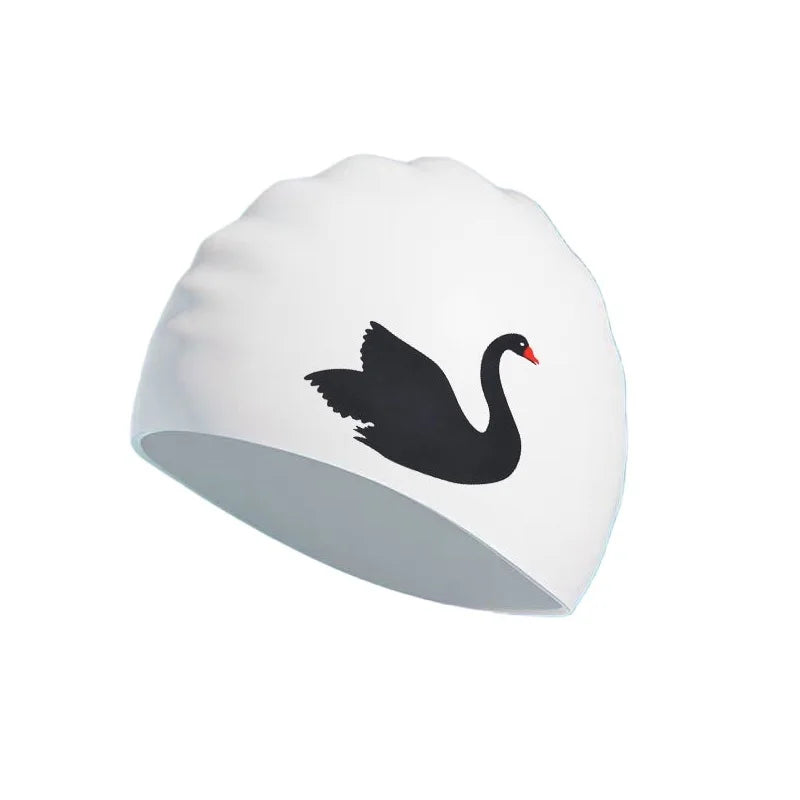
A quality silicone swim cap helps reduce chlorine exposure, friction, and hair breakage during regular swimming sessions.
How Swim Caps Protect Hair (and What They Cannot Do)
Swim caps create a protective barrier around your hair rather than a watertight seal. They reduce the amount of chlorinated water reaching your hair while also decreasing friction caused by swimming, goggles, and repeated movement.
Why Water Still Gets Inside Every Swim Cap
Even premium silicone swim caps allow small amounts of water to enter around the hairline, ears, or neck during dives and flip turns. That's normal. Their purpose is to reduce water exposure—not eliminate it entirely.
- Water can enter around the edges.
- Hair movement during swimming breaks a perfect seal.
- Longer sessions naturally increase moisture inside the cap.
- Proper sizing improves protection but cannot make a cap waterproof.
How Chlorine, Saltwater, and Friction Affect Hair
Chlorine removes natural oils from the hair shaft, while saltwater can increase dryness. Constant rubbing against the cap and water creates friction that leads to tangles and split ends. A smooth silicone surface helps minimize this friction, making it one of the most effective ways to protect hair while swimming.
Silicone vs Latex vs Lycra Swim Caps
| Feature | Silicone | Latex | Lycra |
|---|---|---|---|
| Hair Protection | Excellent | Moderate | Low |
| Durability | Excellent | Fair | Good |
| Comfort | Soft, flexible | Tighter fit | Most comfortable |
| Water Resistance | Best | Moderate | Minimal |
| Best For | Frequent swimmers | Short training sessions | Warm-water recreation |
Silicone Swim Cap Benefits
- Maintains elasticity through repeated chlorine exposure.
- Provides better swim cap hair protection than latex or Lycra.
- Slides over hair with less friction.
- Comfortable for both short and long hair.
- Excellent choice as an adult swim cap for regular lap swimming.
Which Material Is Best for Hair Protection?
For swimmers concerned about hair health, silicone is generally the best choice. Its thicker material helps reduce chlorine exposure while lasting much longer than standard latex caps.
Do Silicone Swim Caps Pull Hair?
Silicone swim caps can occasionally pull hair if they are too small, worn incorrectly, or pulled on too quickly. However, compared with latex, silicone is usually gentler because its smooth surface creates less friction.
- Wet or lightly dampen hair before putting on the cap.
- Gather long hair into a low bun or braid.
- Avoid stretching the cap excessively.
- Select the correct adult swim cap size for your hair volume.
Why Chlorine Is a Real Problem for Hair
Pool chlorine disinfects water effectively, but repeated exposure can damage the hair cuticle over time. As protective oils are stripped away, hair becomes rougher, less flexible, and more vulnerable to breakage.
Common Chlorine-Damaged Hair Symptoms
- Dry, brittle texture
- Split ends and increased breakage
- Color fading in dyed hair
- Persistent tangles
- Dull appearance and reduced shine
For parents managing family swim routines, or adults balancing wellness with lap swimming, protecting hair early helps reduce long-term damage—similar to choosing quality products found in Baby Bath Accessories .
How to Protect Hair While Swimming
Before You Swim
- Wet your hair with fresh water first.
- Apply a leave-in conditioner if appropriate for your hair type.
- Secure long hair before putting on the swim cap.
- Wear a properly fitted silicone cap.
During Your Swim
- Avoid repeatedly removing and replacing the cap.
- Adjust goggles carefully to prevent breaking the cap seal.
- Keep hair fully tucked inside whenever possible.
After You Swim
- Rinse hair immediately with fresh water.
- Use a gentle cleansing shampoo when needed.
- Apply moisturizing conditioner to restore hydration.
- Allow both your hair and swim cap to dry completely.
For additional wellness products designed for regular care routines, explore Beauty & Wellness .
Why the Silicone Swimming Cap Stands Out
The silicone swimming cap is designed specifically for swimmers who spend hours in chlorinated pools. Its durable silicone construction maintains flexibility through repeated use while helping reduce friction, tangles, and unnecessary chlorine exposure.
- Excellent for frequent lap swimming
- Comfortable, flexible silicone construction
- Long-lasting compared with standard latex caps
- Provides dependable swim cap hair protection
Explore the silicone swimming cap if you're looking for a durable cap that combines comfort, performance, and better protection for your hair.
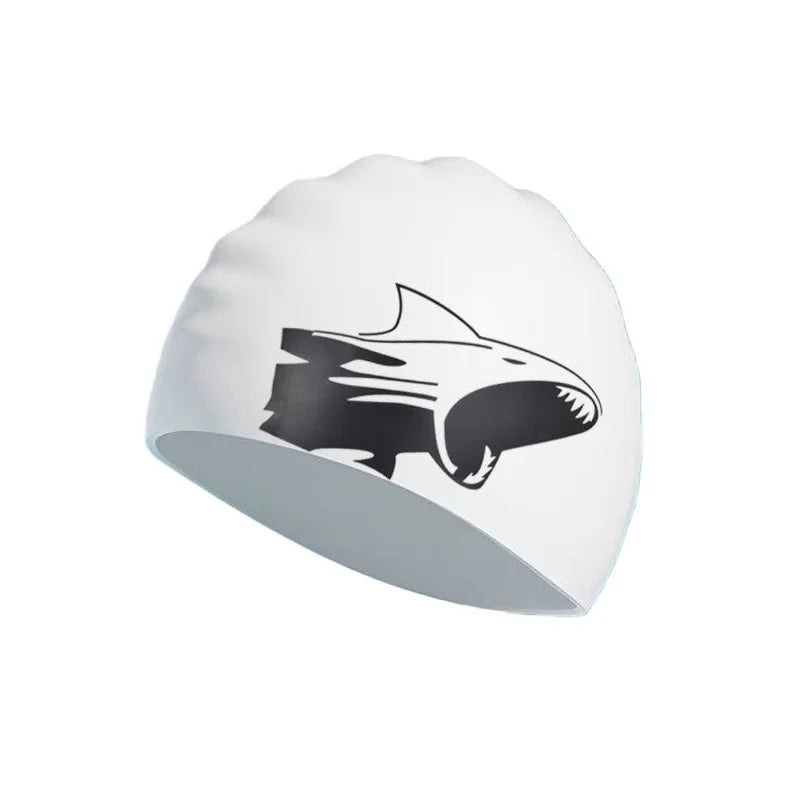
A durable silicone swim cap designed to provide better comfort and hair protection during regular pool training.
How Long Do Silicone Swim Caps Last?
A high-quality silicone swim cap typically lasts several months to over a year, depending on swimming frequency and proper care. Swimmers training multiple times each week often enjoy a full season before replacement becomes necessary.
- Rinse with fresh water after every swim.
- Allow the cap to air dry completely.
- Store away from direct sunlight.
- Avoid sharp fingernails when putting it on.
- Replace if cracks, tears, or loss of elasticity appear.
Durable gear is especially valuable for active families, much like dependable products featured in Mom Essentials and everyday recommendations found in Health & Safety .
Frequently Asked Questions
Do swim caps keep hair completely dry?
No. Swim caps are water resistant rather than waterproof. Small amounts of water usually enter around the edges, but they still reduce chlorine exposure significantly.
Can swim caps prevent chlorine damage?
They cannot eliminate chlorine exposure entirely, but they substantially reduce contact, friction, and moisture loss, especially when combined with rinsing your hair before and after swimming.
Do silicone swim caps pull hair?
Usually less than latex caps. Choosing the correct size, wetting your hair first, and putting the cap on carefully minimizes snagging.
How long do silicone swim caps last?
Most quality silicone caps last much longer than latex versions, often providing many months of regular use with proper care.
What is the best swim cap for long hair?
Silicone caps designed specifically for long hair generally provide the best combination of comfort, durability, and hair protection because they offer additional space without excessive stretching.
Related Guide: Silicone Swim Cap With Bag Review: Is It Worth Buying?





