

Soft indoor soccer ball benefits: Safer play explained
What are the benefits of using a soft indoor soccer ball?
A soft indoor soccer ball helps children practice soccer skills safely at home by reducing impact, lowering noise, and building confidence during play. Designed for safe indoor soccer practice, these lightweight balls are ideal as toddler soccer equipment and motor skills development toys because they make kicking, passing, and ball control easier for beginners.
Soft Indoor Soccer Ball for Kids: Safety, Benefits, and Buying Guide
⏱ 8 min read
A soft indoor soccer ball gives kids a safer way to enjoy soccer practice without needing a large outdoor space. Unlike traditional soccer balls that can feel hard and intimidating for young players, soft designs offer a gentler touch, quieter play, and improved confidence. Whether you are looking for an indoor soccer ball for kids, a soft soccer ball for toddlers, or beginner-friendly toddler soccer equipment, choosing the right ball can make daily practice more enjoyable and development-focused.
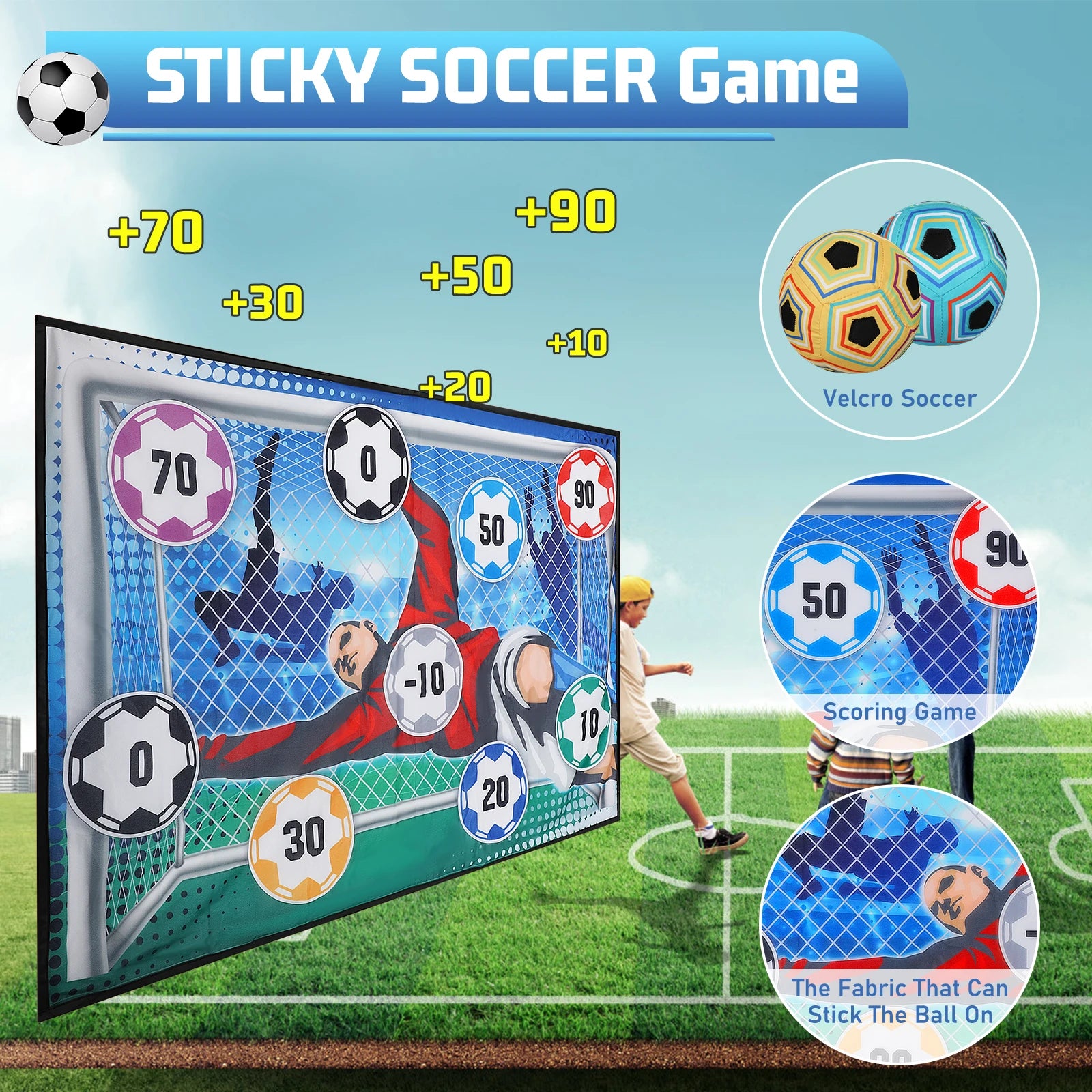
Soft indoor soccer ball designed for safe indoor soccer practice and beginner play
What are the benefits of using a soft indoor soccer ball?
Soft indoor soccer ball benefits go beyond simple safety. These beginner-friendly balls help children develop confidence while making indoor soccer practice more practical for families. The softer construction reduces fear of impact, allowing kids to focus on movement, technique, and having fun.
- Improved safety: Softer materials reduce discomfort when the ball hits hands, feet, or furniture.
- Confidence building: Young players are more willing to kick, catch, and experiment with movement.
- Reduced noise and damage: Lightweight designs create less impact on floors, walls, and household items.
- Better indoor suitability: Soft balls are easier to control in bedrooms, playrooms, and living areas.
- Skill development: Repeated practice supports coordination, balance, and early soccer techniques.
Families combining active play with developmental activities from Mobility & Training often find soft soccer balls useful for creating simple movement routines at home.
How a soft indoor soccer ball works
Foam and soft-touch materials
A soft indoor soccer ball is usually made with foam, cushioned layers, fabric covers, or flexible synthetic materials. These materials create a lighter feel compared with standard soccer balls while maintaining enough structure for kicking and passing.
Low-bounce design
Many soft indoor soccer balls are designed with controlled bounce rather than the unpredictable movement of harder balls. This makes them easier for toddlers and beginners to track, stop, and kick during indoor soccer training for kids.
Why softer construction improves safety
The softer exterior helps reduce impact during accidental collisions. For families practicing soccer indoors, this means children can learn basic skills while parents feel more comfortable about safe indoor soccer practice.
Parents interested in broader child safety activities can also explore ideas from Health & Safety .
Who should use a soft indoor soccer ball?
Toddlers and preschoolers
A soft soccer ball for toddlers is a practical choice for children who are just learning how kicking and movement work. The lighter weight makes it easier for small legs to control.
Young beginners
Children starting soccer benefit from a ball that feels approachable. Soft indoor soccer balls allow beginners to practice shooting, stopping, and passing without worrying about hard impacts.
Indoor family play
Families looking for simple indoor activities can use soft balls for short practice sessions, games, and movement challenges. They work well alongside other motor skills activities and toddler soccer equipment.
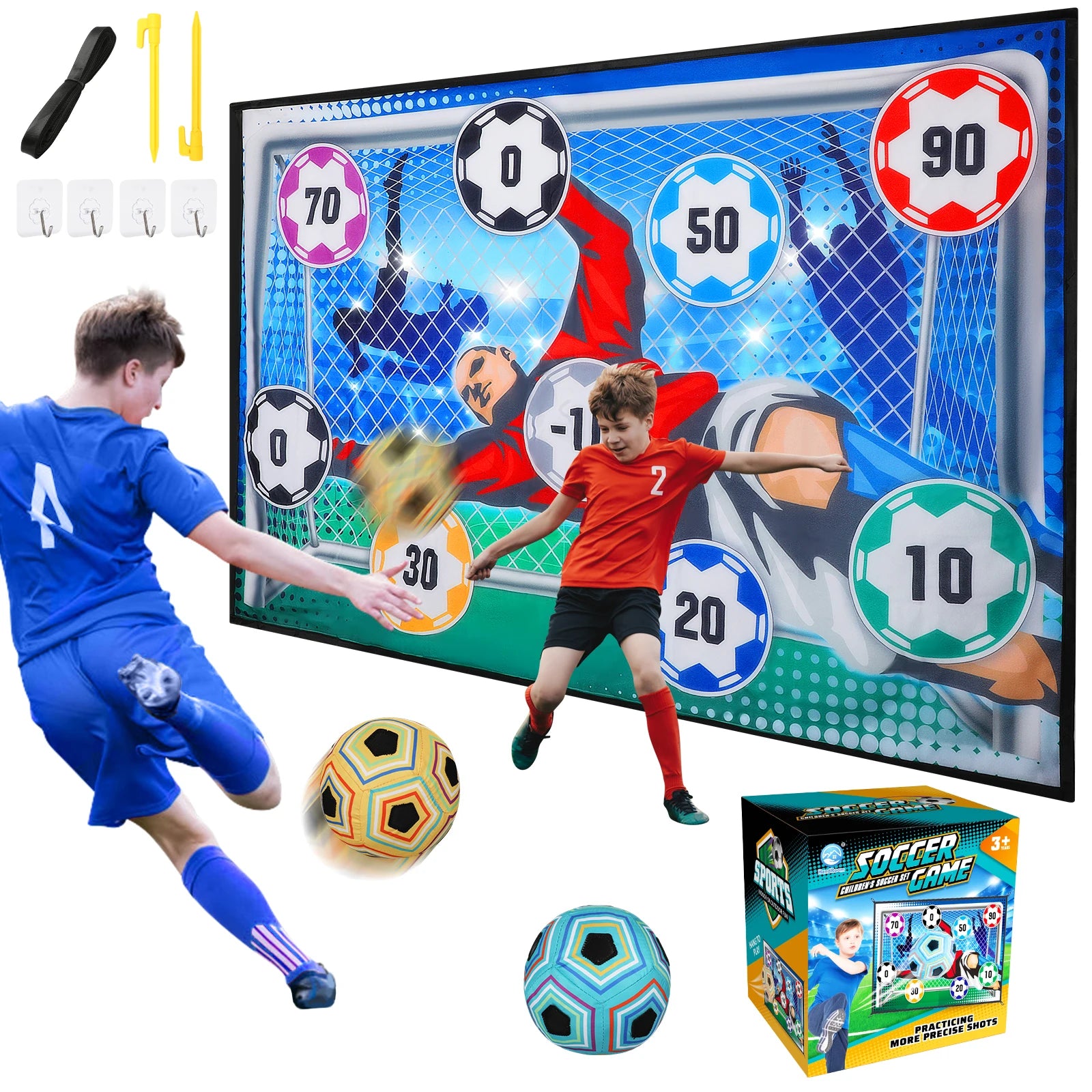
A soft soccer ball for toddlers supports confidence, coordination, and active learning
Soft indoor soccer ball vs foam ball vs futsal ball vs regular soccer ball
| Feature | Soft Indoor Soccer Ball | Foam Ball | Futsal Ball | Regular Soccer Ball |
|---|---|---|---|---|
| Safety | High for indoor kids play | Very high but less soccer-like | Moderate | Lower indoors |
| Weight | Lightweight | Very lightweight | Heavier and low-bounce | Standard weight |
| Ball control | Good for beginners | Basic practice only | Good for advanced skills | Requires more skill |
| Best use | Indoor soccer training for kids | General indoor play | Indoor competitive practice | Outdoor soccer |
A soft indoor soccer ball is usually the best starting point for toddlers and young beginners because it balances safety, control, and realistic soccer practice.
How soft indoor soccer balls improve skill development
Ball control
Because soft balls move at a manageable speed, children can practice stopping, trapping, and directing the ball more easily.
Coordination
Kicking and following a moving ball supports foot-eye coordination, balance, and body awareness. These benefits make soft soccer balls useful motor skills development toys.
Passing and receiving
Simple passing games help children learn timing, accuracy, and teamwork while keeping practice fun and low pressure.
Confidence through repetition
Frequent short practice sessions help children improve naturally. A comfortable ball encourages more attempts, which leads to faster skill development.
For more activity ideas, families can explore Sensory Toys that encourage hands-on learning and movement.
Safe indoor soccer practice tips
- Choose open areas away from sharp furniture corners.
- Use lightweight balls designed specifically for indoor play.
- Remove fragile objects before starting active games.
- Supervise toddlers during soccer practice.
- Select a ball size appropriate for your child’s age and ability.
Creating a safe play area helps children enjoy indoor soccer without unnecessary distractions or hazards.
How to choose the right soft indoor soccer ball
Ball size by age
Smaller balls are generally easier for toddlers and younger children to control. Older beginners may prefer slightly larger sizes that feel closer to traditional soccer equipment.
Material options
Look for soft-touch covers, durable stitching, and materials that remain comfortable after repeated use.
Durability
A quality soft indoor soccer ball should maintain its shape after frequent kicking, rolling, and storage.
Ease of cleaning
For indoor family use, choose materials that can be wiped clean easily after play sessions.
Kids Soccer Sticky Goal Toy can be paired with beginner soccer activities to create an engaging indoor practice setup for young children.
Pros and cons of soft indoor soccer balls
| Pros | Cons |
|---|---|
| Safer for toddlers and beginners | Not ideal for advanced soccer training |
| Quieter indoor play | May not replicate outdoor ball feel |
| Easy for children to control | Soft materials may wear over time |
| Supports confidence and coordination | Requires proper size selection |
Care and maintenance tips
- Wipe the surface regularly with a damp cloth.
- Allow the ball to dry completely before storage.
- Keep it away from sharp objects that may damage soft materials.
- Store in a cool, dry place to maintain shape.
- Check seams and coverings periodically for wear.
Proper care helps extend the lifespan of a soft indoor soccer ball and keeps it ready for daily play.
Frequently asked questions about soft indoor soccer balls
Are soft indoor soccer balls safe for toddlers?
Yes. Soft indoor soccer balls are designed with gentle materials that reduce impact, making them a safer option for supervised toddler play compared with standard hard soccer balls.
Can a soft indoor soccer ball damage furniture?
Most soft indoor soccer balls are unlikely to cause damage when used normally because their lightweight construction reduces impact against household surfaces.
What size soft indoor soccer ball is best for kids?
The best size depends on age and skill level. Younger toddlers usually benefit from smaller, lighter balls that are easier to kick and control.
Can you use a soft indoor soccer ball outside?
Some soft soccer balls can be used outdoors in dry conditions, but they are mainly designed for indoor play. Rough outdoor surfaces may reduce durability.
How is a soft indoor soccer ball different from a futsal ball?
A futsal ball is heavier and designed for structured indoor soccer, while a soft indoor soccer ball focuses more on safety, comfort, and beginner learning.
Do soft indoor soccer balls help improve ball control?
Yes. Their slower movement and lighter feel allow beginners to practice stopping, kicking, and passing more frequently.
How long does a soft indoor soccer ball typically last?
Lifespan depends on material quality and frequency of use. Regular cleaning and proper storage help maintain performance longer.
Related Guide: Best Soccer Goal for Toddlers: 2026 Comparison Guide





