

Sports Insoles for Kids Feet: Which Perform Best?
Do the best orthotic insoles for kids really work?
The best orthotic insoles for kids help support developing arches, improve foot alignment, and reduce strain during walking and sports. When properly fitted, youth arch support insoles and shock absorbing insoles can ease fatigue, improve balance, and make daily movement more comfortable—especially for children with flat feet or high activity levels.
Best Orthotic Insoles for Kids: Top Picks Compared
⏱ 8 min read
Best orthotic insoles for kids can make a bigger difference than most parents realize, especially during rapid growth years. If your child complains of tired feet, uneven shoe wear, or discomfort after play, the right support can quietly improve posture, comfort, and confidence—without changing their routine.
Many parents wonder if insoles are really necessary or just another accessory. The truth is, children’s feet are still forming, and small imbalances can affect how they walk, run, and even sit. Choosing the right option early can help guide healthier movement habits.
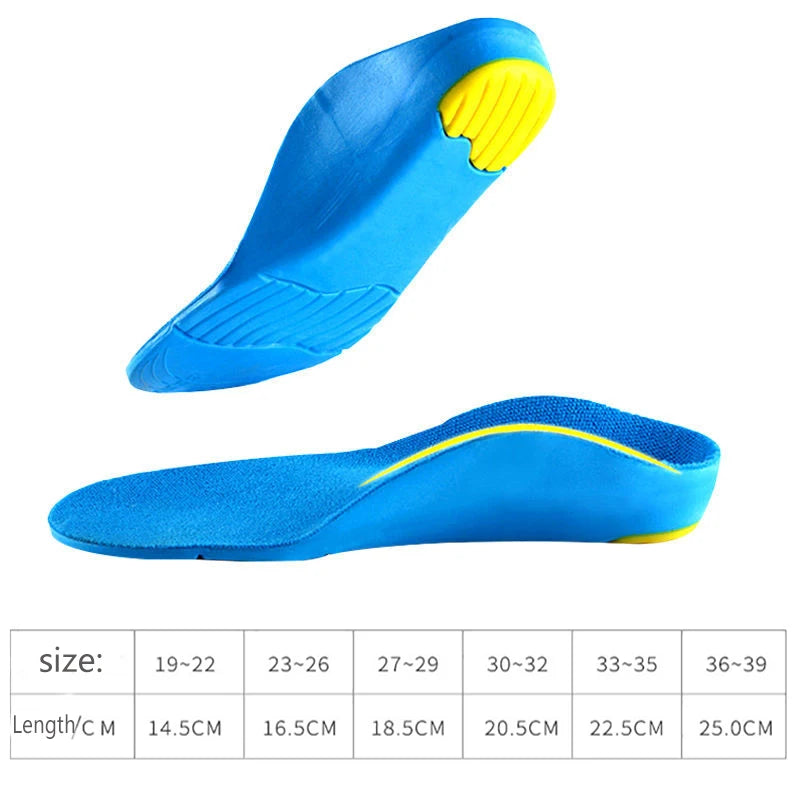
Best orthotic insoles for kids with youth arch support insoles and breathable insoles in action 💡 See it in action
Why kids need orthotic insoles during growth years
Children’s feet grow rapidly, and bones, muscles, and ligaments are still flexible. Without proper support, this flexibility can sometimes lead to overpronation, flat arches, or uneven pressure when walking.
Orthotic insoles act as a gentle guide. They don’t force correction but instead encourage healthier alignment. This can be especially helpful for active kids who run, jump, and play sports daily.
- Support natural arch development
- Reduce foot and leg fatigue after activity
- Improve balance and stability
- Help shoes wear more evenly
Parents browsing Health & Safety products often discover foot support alongside posture and joint care essentials.
What to look for in the best orthotic insoles for kids
Not all insoles are created equal. Kids need designs that balance support with comfort, allowing natural movement without stiffness.
How youth arch support insoles improve daily comfort
Youth arch support insoles help distribute weight evenly across the foot. This reduces pressure on the heel and forefoot, which can make long school days and after-school sports feel easier.
Do shock absorbing insoles work for active kids?
Yes—when designed correctly. Shock absorbing insoles work by cushioning impact during running and jumping. This helps reduce stress on ankles and knees, especially on hard surfaces like gym floors.
Why breathable insoles matter more than you think
Breathable insoles allow airflow and moisture control. This keeps feet cooler, reduces odor, and improves overall comfort—important for kids who wear shoes all day.
Top features parents compare before buying
When evaluating options, parents often weigh comfort against durability. Below are the most compared features.
- Arch height: Low to moderate support for developing feet
- Material: Flexible foam with structured reinforcement
- Breathability: Mesh or perforated layers
- Shock absorption: Heel and forefoot cushioning
Families already shopping in Mobility & Training collections often add insoles to support balance and movement learning.
Side-by-side comparison: what really matters
| Feature | Basic Foam Insoles | Orthotic Kids Insoles |
|---|---|---|
| Arch Support | Minimal | Structured youth arch support |
| Shock Absorption | Low | Targeted heel & forefoot cushioning |
| Breathability | Limited | Breathable insoles with airflow design |
| Best For | Short-term comfort | Daily wear & active play |
For parents seeking balanced support, the kids orthotic insoles for flat feet support option stands out for combining structure with flexibility.
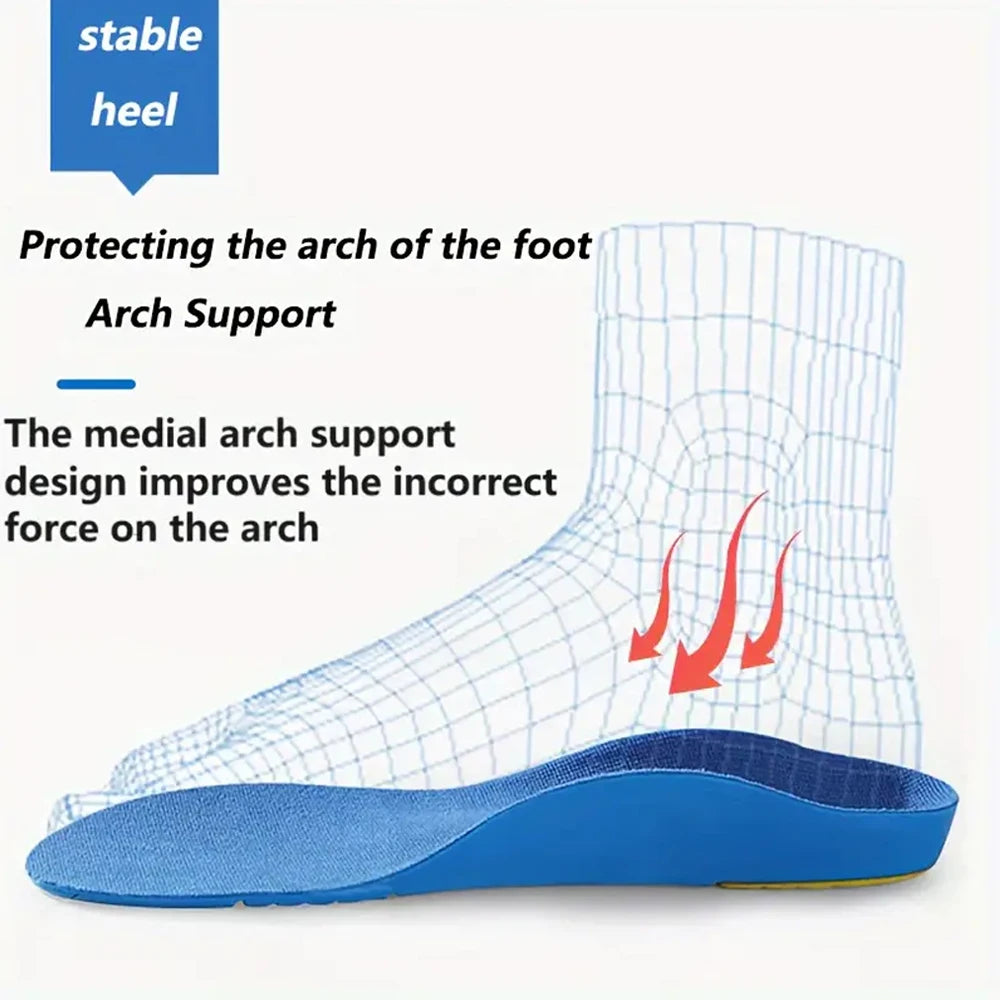
Comparing shock absorbing insoles work benefits with breathable insoles 💡 See it in action
Which kids benefit most from orthotic insoles
While many children can benefit, certain groups see noticeable improvements.
- Kids with flat feet or low arches
- Children who complain of foot or leg tiredness
- Young athletes in running or court sports
- Kids with uneven shoe wear patterns
Parents often pair foot support with recovery items found in Massage & Relaxation to help kids unwind after busy days.
What parents notice after a few weeks
Many parents report subtle but meaningful changes after consistent use. Kids may stop asking to be carried, show better posture, or move with more confidence.
- Less complaining about sore feet
- Improved endurance during play
- Better shoe fit and comfort
- More stable walking and running
One parent shared that after switching to supportive insoles, their child’s evening fatigue noticeably decreased within two weeks.
How to use orthotic insoles correctly
- Remove the existing shoe liner
- Trim insoles if needed for proper fit
- Place flat with heel aligned
- Let your child adjust gradually
Consistency matters. Wearing insoles daily allows the foot to adapt naturally.

Best orthotic insoles for kids improving comfort and balance 💡 See it in action
Frequently asked questions
At what age can kids start using orthotic insoles?
Most children can begin using orthotic insoles once they wear structured shoes, typically around ages 3–4, depending on walking stability.
Will orthotic insoles weaken my child’s feet?
No. Properly designed insoles support natural movement and alignment without restricting muscle development.
How often should insoles be replaced?
As children grow, insoles should be checked every 6–12 months to ensure proper fit and support.
Related Guide: Best Orthotic Insoles for Kids: Top Picks Compared





