

Do STEM water play activities really enhance learning?
STEM water play activities boost early learning by turning hands-on play into real skill-building. Through simple experiments, children explore cause and effect, measurement, and problem-solving while staying engaged. These activities support science, math, language, and motor development using affordable, everyday water stem projects.
STEM Water Play Activities: Why They Enhance Learning
⏱ 9 min read
STEM water play activities spark curiosity fast, turning everyday splashes into meaningful learning moments kids love. By blending water stem projects with educational water activities, children experiment, predict, measure, and problem-solve while staying joyfully engaged. These stem activities with water build early science and math skills, boost language through discovery talk, and support fine-motor development—often with simple, low-cost setups. What if your next playtime could double as learning without feeling like a lesson?
Explore playful solutions designed for discovery and growth.
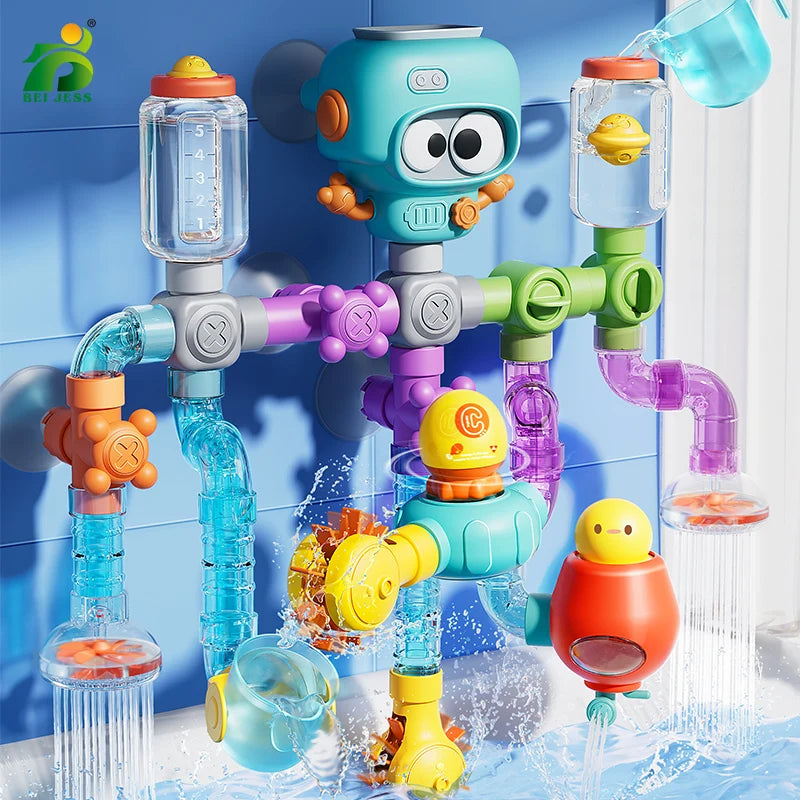
Hands-on STEM water play activities that turn splashes into skills 💡 See it in action
Why Water Play Works for Learning
Water naturally invites experimentation. Children pour, splash, redirect, and observe outcomes instantly. This immediate feedback loop makes educational water activities especially powerful for young learners who thrive on sensory input.
Unlike worksheets or passive toys, stem activities with water encourage active participation. Kids ask questions, test ideas, and adjust their approach, which strengthens memory and understanding.
Parents often worry about mess or wasted time. Yet water play channels energy into focus, helping children stay engaged longer while learning foundational concepts.
How STEM Water Play Builds Science Skills
STEM water play activities introduce scientific thinking in a natural, pressure-free way. Children learn by doing, not memorizing.
STEM water play activities help children grasp basic scientific principles like gravity, flow, pressure, and volume through direct experience. By manipulating water paths, speeds, and containers, kids observe cause-and-effect relationships that form the foundation of scientific reasoning.
- Observing how water moves through different shapes
- Testing predictions by changing angles or heights
- Understanding absorption and displacement
- Developing vocabulary through explanation and storytelling
These water stem projects make abstract ideas concrete, improving comprehension and retention.
Math Concepts Children Learn Through Water
Math often feels abstract to young children, but educational water activities make numbers visible and meaningful.
- Measuring volume with cups and containers
- Comparing full vs empty, more vs less
- Counting pours or timed flows
- Recognizing patterns in water paths
Through stem activities with water, math becomes a tool rather than a task, helping children build confidence early.
Engineering Thinking Through Water Play
Engineering is about problem-solving, and water play naturally presents challenges. How do you get water from point A to B without spilling? What design works best?
Children practice planning, testing, and redesigning. These habits mirror real engineering processes and strengthen perseverance.
Modular water systems allow endless configurations, encouraging creativity and logical thinking.
Technology and Tools That Enhance Water Play
Simple tools elevate learning outcomes. Funnels, tubes, and connectors introduce structure without limiting imagination.
Products designed for learning, like modular pipe systems, allow children to experiment safely and repeatedly. Parents seeking durable, purposeful toys often explore options within Baby Growth & Learning collections for well-rounded development.
STEM Water Play vs Traditional Activities
| Feature | STEM Water Play | Traditional Play |
|---|---|---|
| Engagement | High, sensory-driven | Often short-lived |
| Skill Integration | Science, math, language combined | Usually single-skill focus |
| Adaptability | Grows with child | Limited flexibility |
| Cost Efficiency | Reusable, multi-use | One-time use |
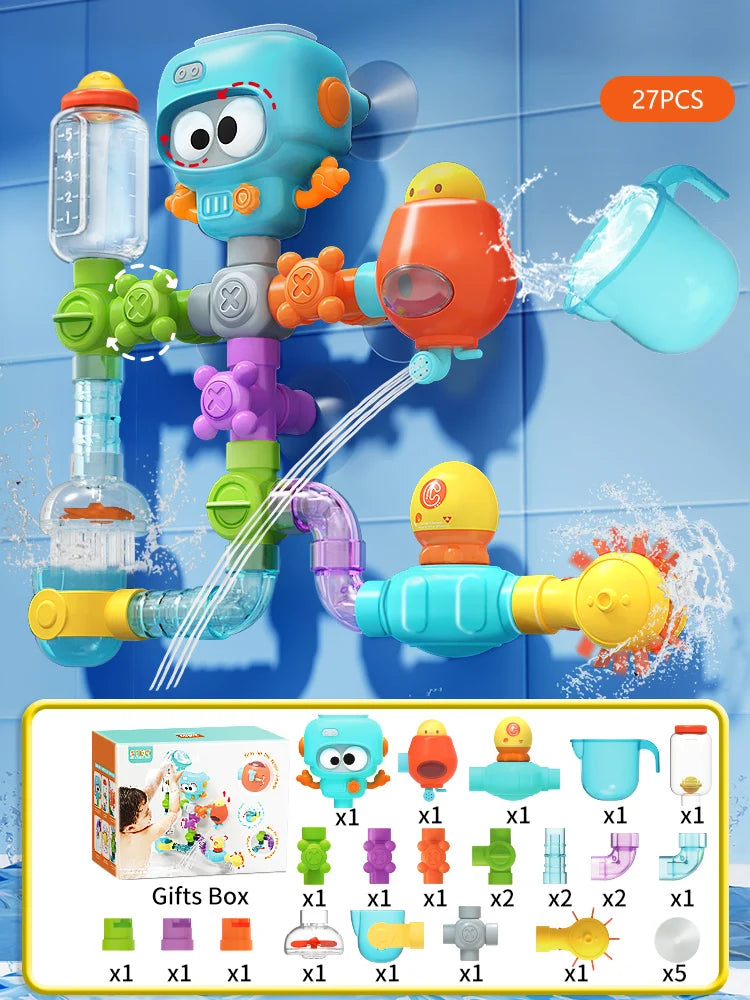
Water stem projects that encourage problem-solving 💡 See it in action
Why Modular Water Pipe Toys Improve Results
STEM water play activities become more effective with tools designed for experimentation. Modular water pipe toys stand out because they combine flexibility with structure.
These systems allow children to build, test, and rebuild endlessly. Unlike fixed toys, they adapt to different ages and skill levels.
Parents comparing options appreciate durable materials, easy cleaning, and compatibility with bath or outdoor play.
Explore modular water pipe toys designed for hands-on learning
Learn what features matter most for learning and safety.
How to Set Up Educational Water Activities at Home
- Choose a safe area like the bathtub or outdoor mat.
- Provide containers, pipes, or funnels.
- Ask open-ended questions to guide exploration.
- Let children test, fail, and retry independently.
Keeping supplies organized with items from Baby Bath Accessories helps reduce cleanup stress.
Keeping STEM Water Play Safe and Stress-Free
Safety matters. Always supervise young children and use age-appropriate tools.
- Non-slip surfaces
- Mold-resistant materials
- Rounded edges
Many families pair learning toys with essentials from Health & Safety collections for peace of mind.
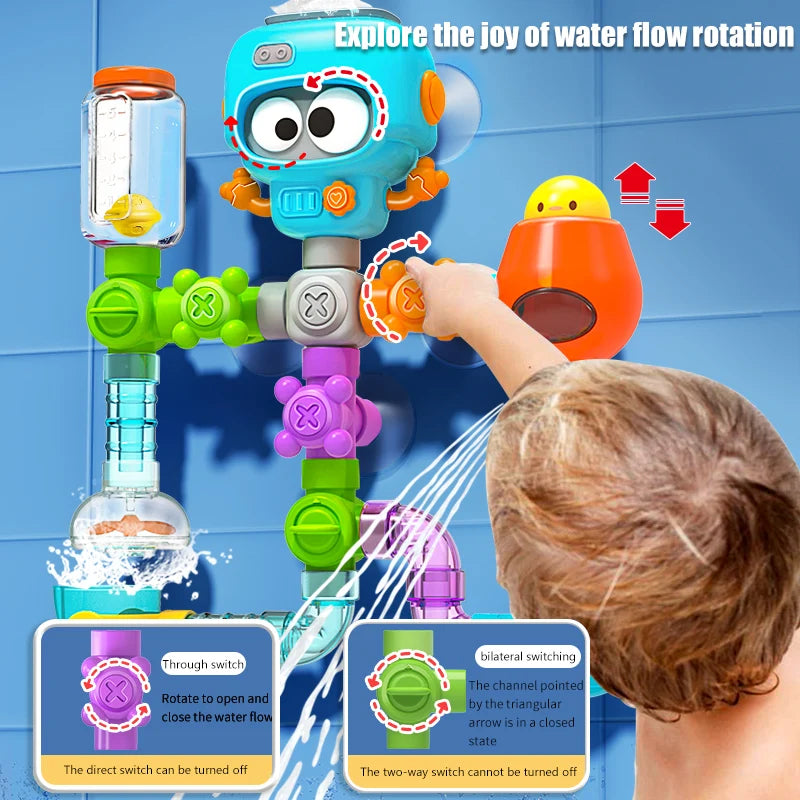
STEM activities with water that grow with your child 💡 See it in action
Discover a modular water play system families trust.
Frequently Asked Questions
What age is best for STEM water play activities?
Most children benefit from STEM water play activities starting around 18 months, with increasing complexity through preschool and early elementary years.
Do water stem projects require special equipment?
No. Many educational water activities use simple tools like cups and tubes, though modular systems enhance variety and longevity.
How often should children do stem activities with water?
Weekly sessions provide consistent benefits, but even short, frequent play builds skills over time.





