

Swim Cap Sizing: How to Measure for the Perfect Fit
How do you wear a swim cap without pulling hair or causing leaks?
How to wear a swim cap comfortably starts with choosing the right size, lightly dampening your hair, and using the correct placement technique. A properly fitted cap stretches evenly from the forehead to the crown, reducing hair pulling, preventing gaps that cause leaks, and making swimming more comfortable for both short and long hair.
How to Wear a Swim Cap Without Pulling or Leaks
Learning how to wear a swim cap shouldn't feel like a battle with your hair or a constant fight against water leaks. Whether you're swimming laps, training for competition, or enjoying the pool recreationally, the right swim cap fit combined with proper technique makes a noticeable difference. This guide explains how sizing, materials, and placement work together to reduce hair pulling, improve comfort, and create a better seal.
⏱ 9 min read
Ever pulled on a swim cap only to feel a painful tug or noticed water entering after just a few laps? In many cases, the issue isn't the cap itself—it's an incorrect size or improper fit. Choosing the right swim cap sizing before putting it on solves most comfort problems.
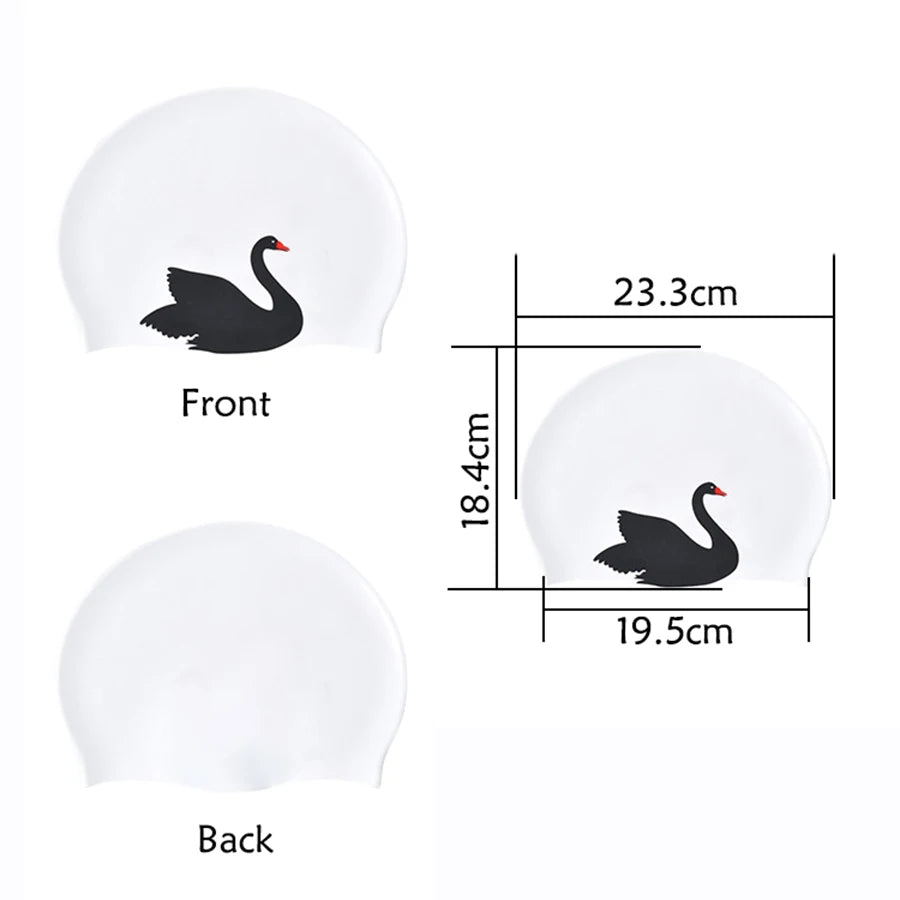
How to wear a swim cap comfortably while preventing hair pulling and leaks.
What Is the Right Swim Cap Size? Understanding Fit and Sizing Basics
Why swim cap size matters for comfort and performance
Proper swim cap fit creates a balance between staying securely in place and remaining comfortable throughout your swim. A cap that is too tight increases pressure, pulls hair, and may leave forehead marks. A cap that's too loose can slip, trap air, and allow more water inside.
While many recreational swim caps come in "one size fits most," there are important differences between adult, junior, youth, and long-hair designs. Hair volume also affects how a cap fits, so swimmers with thick curls or long braids often benefit from specialized long-hair models.
Signs of a properly fitted swim cap
- Feels snug without causing headaches.
- Stays in place during turns and dives.
- Doesn't constantly ride upward.
- Keeps hair neatly contained.
- Creates an even seal around the forehead, ears, and neckline.
Swim Cap Size Chart by Age, Head Circumference, and Hair Type
| Swimmer | Typical Head Circumference | Recommended Cap |
|---|---|---|
| Young children | 48–52 cm | Youth swim cap |
| Older children | 52–55 cm | Junior swim cap |
| Most adults | 54–60 cm | Standard adult swim cap |
| Long or thick hair | Any size | Long-hair silicone swim cap |
Age provides a helpful starting point, but measuring your head and considering your hairstyle results in a more accurate swim cap sizing guide. Someone with shoulder-length curls may need a long-hair cap even if their head circumference matches a standard adult size.
How to Measure Swim Cap Size Correctly
Step-by-step head circumference measurement
- Use a flexible measuring tape.
- Wrap it around the widest part of your head.
- Measure just above your eyebrows and ears.
- Continue around the back of your head at its fullest point.
- Measure with your normal swim hairstyle rather than flattened hair.
Where to measure your head for a swim cap
Keep the measuring tape level all the way around. Avoid pulling it tightly because this can underestimate your true head size. If you usually swim with braided or tied-up hair, measure while wearing that hairstyle to improve sizing accuracy.
Why Swim Caps Pull Hair or Leak
Most discomfort comes from a combination of friction, incorrect swim cap fit, dry hair, or uneven placement. Hair catches along the edges when the cap is overstretched or positioned incorrectly, while poor sizing creates gaps where water can enter.
- Dry hair creates more friction.
- Improper swim cap sizing increases tension.
- Loose hair near the neckline breaks the seal.
- Caps that are too large can slide during swimming.
- Caps that are too small stretch excessively and pull hair.
How Swim Cap Materials Affect Fit and Sizing
Silicone swim cap fit and sizing
Silicone caps are the most popular option because they stretch well, distribute pressure evenly, and glide over hair more smoothly than thinner materials. They are ideal for both recreational swimmers and athletes seeking a proper swim cap fit.
Latex swim cap fit and sizing
Latex caps are thinner and often feel tighter. They provide less cushioning against the hair and may create additional friction, although many competitive swimmers appreciate their lightweight feel.
Lycra swim cap comfort and stretch
Lycra swim caps prioritize comfort rather than water resistance. They are easy to put on and remove but don't seal as tightly as silicone or latex, making them popular for casual swimming and aquatic fitness classes.
| Material | Comfort | Stretch | Hair Pulling | Best Use |
|---|---|---|---|---|
| Silicone | Excellent | High | Minimal | Most swimmers |
| Latex | Moderate | Moderate | Higher | Competitive racing |
| Lycra | Very comfortable | High | Very low | Casual swimming |
How to Choose the Right Swim Cap Size for Long Hair
Best fit tips for long or thick hair
Long hair requires additional internal space, not necessarily a tighter cap. Long-hair swim caps provide extra room without creating excessive compression.
- Create a loose braid or low bun.
- Choose long-hair silicone designs when available.
- Tuck hair gradually instead of forcing everything inside at once.
- Avoid placing bulky buns high on the crown.
How to avoid pressure and slipping
Keep your hairstyle low and evenly distributed around the back of your head. Concentrated hair volume in one location often causes the cap to slide upward or feel uneven.
Swimmers with busy schedules often appreciate comfort-first solutions—similar to how parents rely on calming aids from Massage & Relaxation to unwind.
How to Wear a Swim Cap for the Best Fit
Step-by-step swim cap placement
Direct answer: Place the front edge of the swim cap against your forehead, gently stretch both sides, then roll the cap evenly over the crown and toward the back of your head. Finish by tucking loose hair around the neckline and smoothing the edges for a proper swim cap fit.
- Lightly dampen your hair.
- Hold the cap open using both hands.
- Place the front edge just above your eyebrows.
- Roll the cap backward instead of pulling downward.
- Tuck remaining hair under the rear edge.
- Smooth the seal around the ears and neckline.
Adjusting the cap after putting it on
Make only small adjustments after the cap is fully in place. Repeated stretching can disturb the seal and increase hair pulling.
This simple preparation is especially helpful for parents fitting swimming into busy routines, much like thoughtful tools from Beauty & Wellness that support everyday self-care.
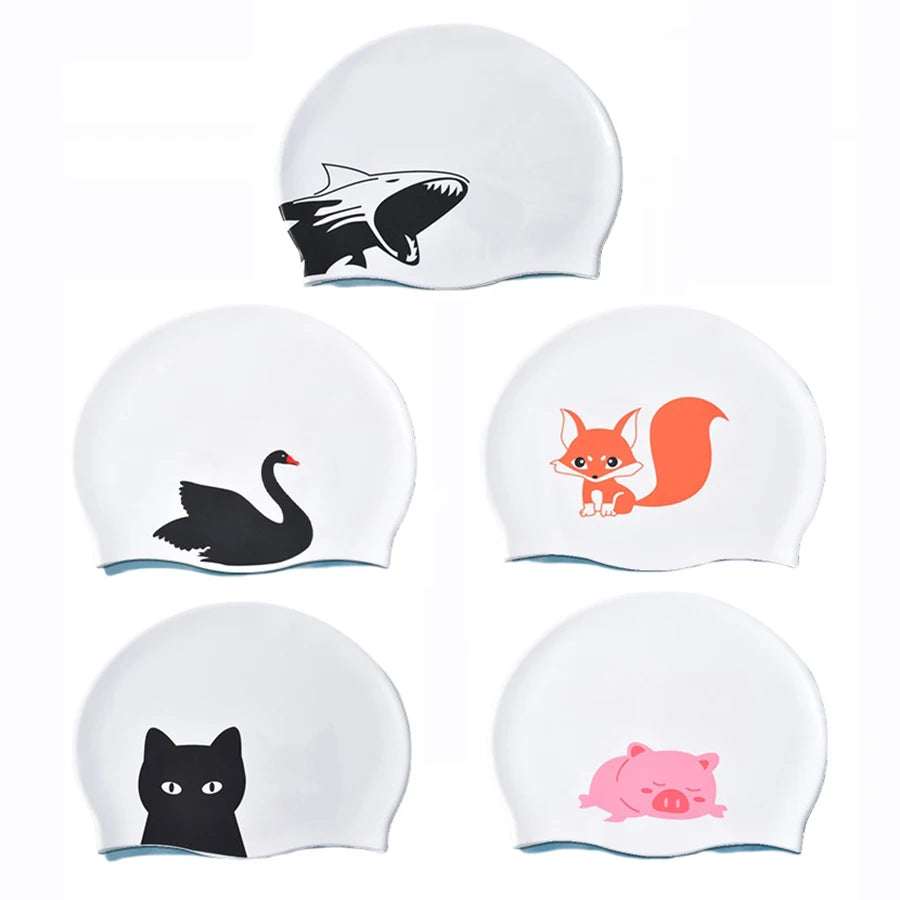
Proper swim cap placement helps reduce hair pulling while improving comfort.
Common Swim Cap Fit Problems and How to Fix Them
What to do if a swim cap feels too tight
- Confirm you are using the correct size.
- Switch to a silicone cap if using latex.
- Consider a long-hair version for thick hairstyles.
- Avoid overstretching before putting it on.
What to do if a swim cap is too loose or leaks
- Remove trapped air.
- Flatten loose hair near the neckline.
- Reposition the front edge evenly.
- Move down one size if the cap repeatedly slips.
How to Prevent Swim Cap Leaks and Improve Comfort
Why correctly sized caps still leak
Even a properly sized swim cap won't keep every drop of water out. Swim caps are designed primarily to streamline swimming and protect hair rather than function as completely waterproof barriers. Small leaks usually result from uneven placement or trapped hair along the edges.
- Smooth the forehead seal.
- Flatten the neckline edge.
- Keep ears positioned consistently.
- Remove excess air before entering the water.
Race-day swim cap fitting tips
Competitive swimmers often dampen both their hair and the inside of the cap before putting it on. This reduces friction, speeds application, and helps maintain a consistent fit during starts, turns, and longer races.
For swimmers balancing family life, fewer adjustments mean more time enjoying the water—just like choosing dependable essentials from Health & Safety for peace of mind.
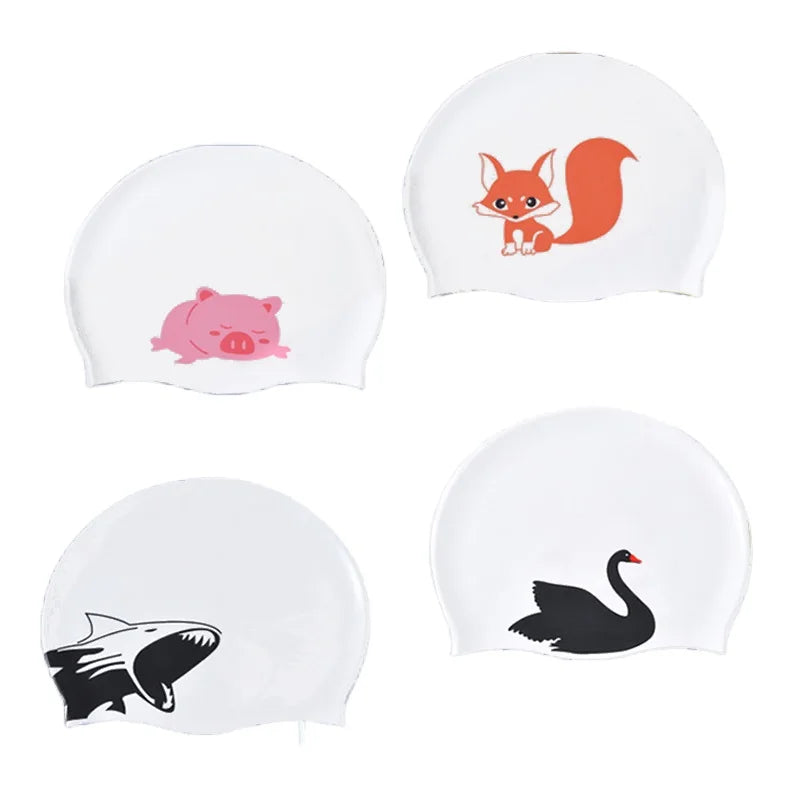
Choosing the correct swim cap size improves comfort and minimizes leaks.
Quick FAQs About Swim Cap Sizing
How do I know what size swim cap I need?
Measure your head circumference around the widest point, then choose a cap designed for your measurements and hair volume. Long-hair caps are often the best option for thick or curly hair.
Should I size up for long hair?
Not always. Instead of simply buying a larger cap, choose a swim cap specifically designed for long hair. These models add space without becoming loose around the edges.
Are silicone swim caps tighter than latex caps?
Silicone caps usually feel more comfortable because they stretch evenly and distribute pressure better. Latex often feels tighter despite being thinner.
Can kids use adult swim caps?
Some older children can wear adult caps, but properly sized youth or junior swim caps generally provide a better fit and stay in place more securely.
How do I measure my head for a swim cap?
Use a flexible measuring tape around the widest part of your head, just above the eyebrows and ears, while wearing your typical swim hairstyle.
Related Guide: How to Wear a Swim Cap Without Pulling or Leaks





