

Swim Vest vs Puddle Jumper: 5 Expert Safety Truths
Swim Vest vs Puddle Jumper: Which Is Better for Young Swimmers?
The swim vest vs puddle jumper choice depends on how much freedom and balance a child needs in the water. A swim vest for infants offers more natural buoyancy support and movement, while a puddle jumper provides strong surface floatation. Both can help early water play when paired with smart water safety tips.
Swim Vest vs Puddle Jumper: Which Is Better for Early Water Play?
⏱ 7 min read
If you’ve ever stood poolside holding your breath while your child splashes for the first time, you’re not alone. Choosing between a swim vest vs puddle jumper isn’t just about floatation—it’s about confidence, comfort, and helping little ones feel safe while they learn. So which option actually supports early progress instead of just keeping kids afloat?
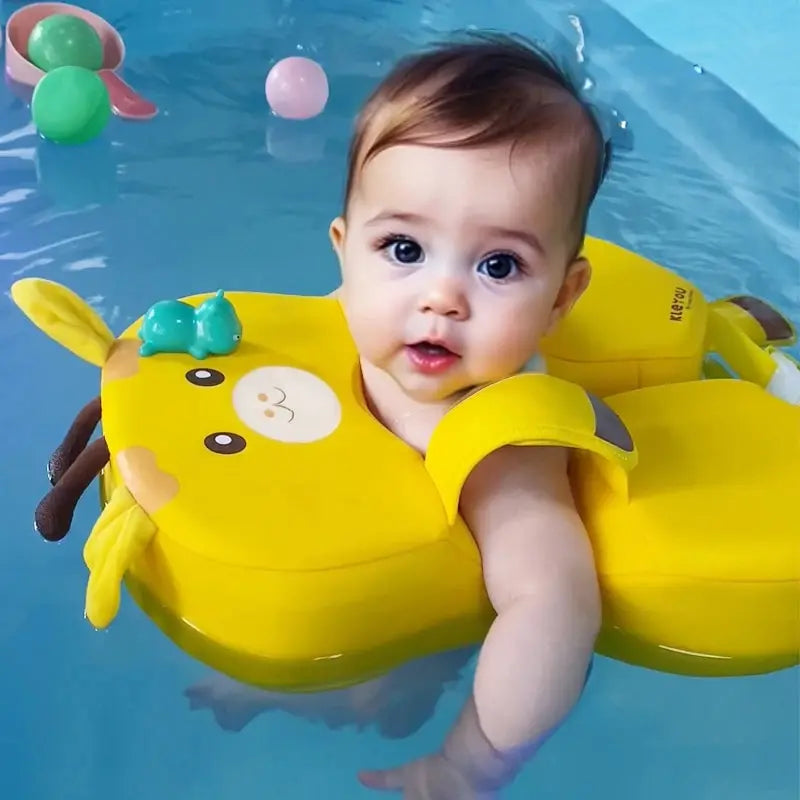
Swim vest vs puddle jumper for early confidence — 💡 See it in action
What’s the Real Difference Between a Swim Vest and a Puddle Jumper?
A swim vest vs puddle jumper comparison comes down to design and movement. Swim vests distribute buoyancy evenly around the torso, encouraging a natural swim position. Puddle jumpers combine arm floaties with a chest panel, keeping kids upright and high on the water’s surface.
How a Swim Vest for Infants Builds Natural Water Confidence
A swim vest for infants supports balance rather than forcing posture. This allows children to kick, paddle, and adjust their bodies—skills that matter later when flotation aids are removed.
- Even buoyancy support across the chest and back
- Arms move freely for paddling and balance
- Helps children feel the water, not fight it
- Often adjustable as infants grow
Many parents pair swim vests with gentle routines like bath-time play using items from Baby Bath Accessories to help babies associate water with comfort.
Why Puddle Jumpers Feel Safer at First Splash
Puddle jumpers are popular because they provide immediate floatation. For nervous parents, seeing a child stay upright can be reassuring, especially during early pool visits or busy swim environments.
- Strong surface floatation keeps heads above water
- Bright designs kids enjoy wearing
- Easy to put on and remove
- Commonly used in pools and splash parks
Swim Vest vs Puddle Jumper: Side-by-Side Comparison
| Feature | Swim Vest | Puddle Jumper |
|---|---|---|
| Buoyancy Support | Balanced, torso-based | High, surface-level |
| Arm Movement | Free movement | Restricted by arm floats |
| Learning Transition | Smoother for swim skills | Can delay natural positioning |
| Best For | Confidence + skill building | Short, supervised play |

Comparing buoyancy support in real water play — 💡 See it in action
Which Option Works Best by Age and Stage?
For infants and toddlers just starting, swim vests often feel less restrictive and support gradual learning. Puddle jumpers may suit older toddlers who want playful independence but still need close supervision.
- 6–18 months: Swim vest for infants with hands-on parent support
- 18–36 months: Swim vest or puddle jumper depending on comfort
- 3+ years: Transition away from flotation toward guided swimming
Water Safety Tips Parents Should Never Skip
No flotation device replaces supervision. Whether choosing a swim vest vs puddle jumper, safety habits matter most.
- Always stay within arm’s reach
- Check fit before every swim
- Use flotation only in designated swim areas
- Combine with sun protection and hydration routines
Many families keep monitoring tools nearby from Monitoring Devices for added peace of mind during pool days.
What Real Parents Notice After a Few Weeks
Parents often report that children using swim vests become more relaxed in the water within two to three sessions. One mom shared that her toddler “stopped clinging and started kicking” after switching from a puddle jumper to a vest.
Others appreciate puddle jumpers for vacations or crowded pools, where quick floatation feels reassuring.
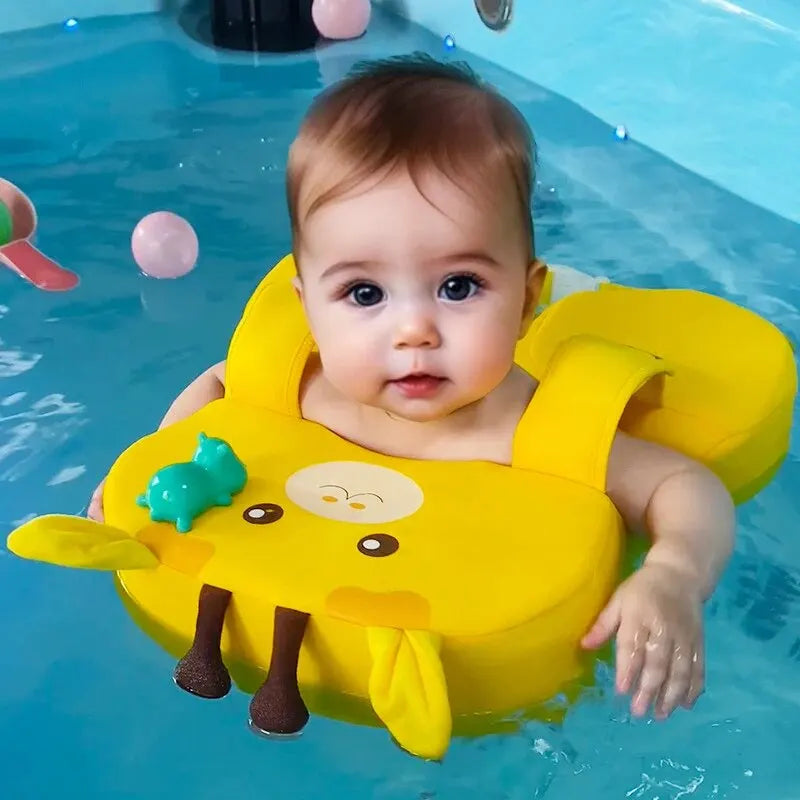
Finding the right infant swimming gear — 💡 See it in action
Frequently Asked Questions
Is a swim vest safer than a puddle jumper?
A swim vest for infants promotes balanced buoyancy support and natural movement, which can help long-term confidence. Puddle jumpers provide stronger floatation but may limit skill development. Safety depends on supervision and proper fit.
Can my child learn to swim using flotation aids?
Yes, when used as temporary support. Swim vests often allow easier transition to independent swimming compared to more restrictive aids.
How do I choose the right size?
Follow weight and chest-size guidelines closely. A snug, comfortable fit prevents slipping and improves safety.
Should I still hold my child in the water?
Absolutely. Flotation aids support play, but hands-on guidance builds trust and reinforces water safety habits.
Related Guide: Best Non Inflatable Baby Float: Top Picks Compared for Safety





