

Swing Safety Zone: 7 Playground Swing Safety Mistakes
What is a swing safety zone and why does it matter?
The swing safety zone is the clear space around and in front of a swing where children move during play. A properly planned swing safety zone reduces collision and fall injuries by accounting for forward motion, side sway, and landing surfaces, making playground swing safety depend on spacing—not just strong frames.
Swing Safety Zone Explained: Why Spacing Matters More Than You Think
⏱ 6 min read
Most backyard swing injuries don’t happen because a swing breaks—they happen because something is too close. Trees, fences, patios, or even another swing can turn normal motion into a dangerous impact. Understanding the swing safety zone helps families design safer play areas, choose better layouts, and avoid common spacing mistakes that put kids at risk.
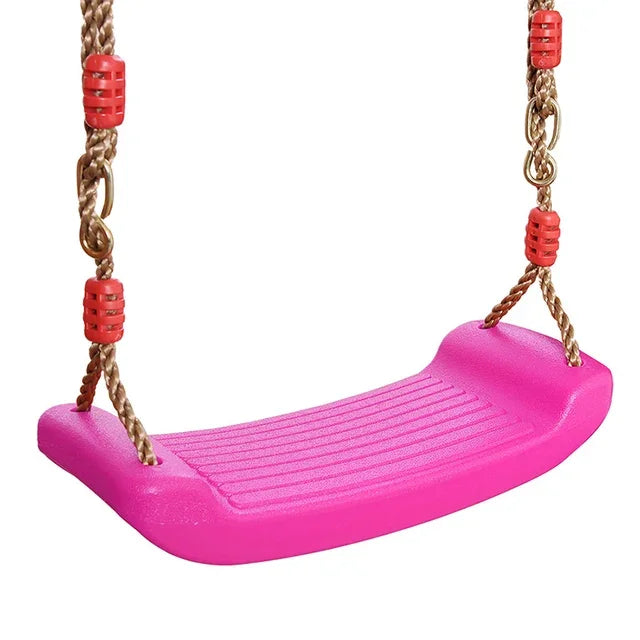
Proper swing safety zone planning improves playground swing safety at home 💡 See it in action
Why spacing matters more than strength
Many parents focus on buying sturdy frames or thick ropes, assuming durability equals safety. In reality, playground swing safety depends far more on motion paths than materials. A swing moves in arcs, not straight lines, and children rarely sit perfectly still while playing.
Without enough clearance, swings collide with nearby objects or with other children entering the path. Even slow contact can cause head injuries, especially for toddlers who misjudge distance.
- Forward and backward motion extends farther than expected
- Side sway increases with excitement and pumping
- Jumping off adds unpredictable landing distance
- Multiple children increase collision risk
This is why spacing rules matter just as much as equipment quality. Pairing smart layouts with protective gear from Health & Safety collections adds another layer of reassurance for caregivers.
How big should a swing safety zone be?
A swing safety zone should extend far enough to cover the full arc of motion plus safe entry and exit space. For most home swings, the clearance area should be at least twice the height of the swing frame in front and back, with additional side spacing to prevent overlap.
This spacing allows children to swing freely without striking structures, siblings, or furniture. It also creates safer walking paths around the play area, reducing accidental bumps.
| Swing Type | Recommended Front & Back Clearance | Side Clearance |
|---|---|---|
| Single child swing | 2x frame height | 6 feet |
| Multiple swings | 2x frame height | 6–8 feet between swings |
| Heavy duty swings | More than 2x frame height | 8 feet or more |
Families planning play zones alongside learning or movement activities often combine layouts with items from Baby Growth & Learning to keep play structured and safe.
Why heavy duty swings need extra room
Heavy duty swings are designed to support more weight and higher momentum, which means they travel farther and faster. Their strength is a benefit—but only when matched with additional spacing to absorb motion safely.
Parents are often surprised that stronger swings actually increase spacing needs. The added momentum makes sudden stops more dangerous if the safety zone is underestimated.
- Greater weight creates longer swing arcs
- Higher speed increases impact force
- Shared use by older children adds unpredictability
- Jump-offs extend landing zones
When installing these swings, review nearby pathways, seating areas, and even storage bins. Combining layout planning with monitoring tools from Monitoring Devices can help caregivers supervise active play more confidently.
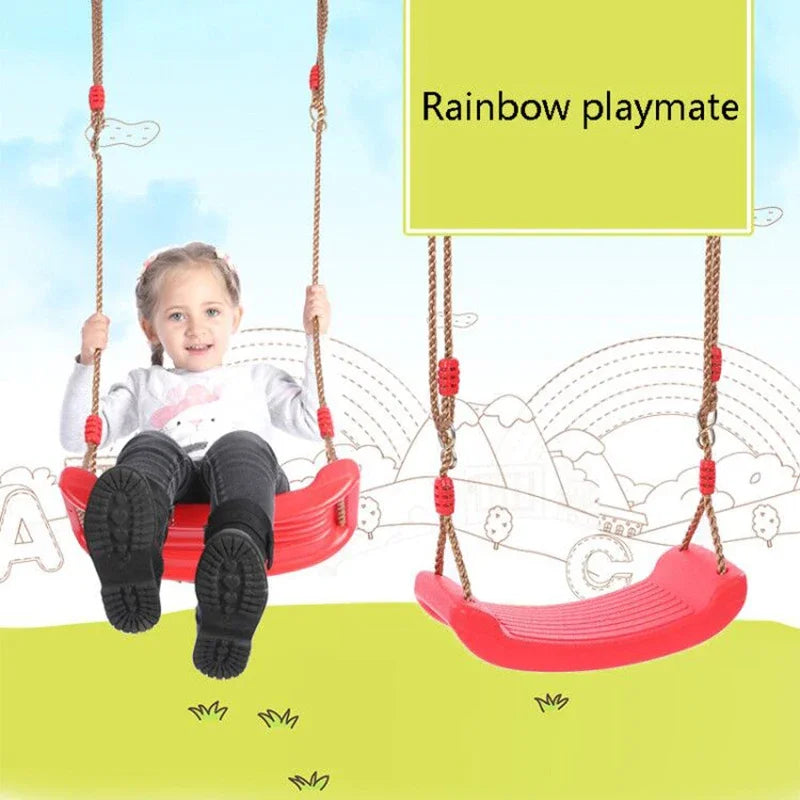
Heavy duty swings demand larger swing safety zones for true playground swing safety 💡 See it in action
Surface choice and clearance planning
Spacing isn’t just horizontal—it’s also about what’s underneath. Hard surfaces magnify injury risk when falls happen, even within a correct swing safety zone.
Safer surface options help absorb impact and support safer landings:
- Rubber mulch or safety mats
- Engineered wood fiber
- Thick grass with proper maintenance
- Shock-absorbing foam tiles
Pairing proper surfacing with spacing dramatically lowers injury risk. Families already prioritizing safe environments often extend this mindset indoors with items from Baby Care Essentials.
Yard swing ideas for small and large spaces
Limited yard size doesn’t mean giving up safe swings—it means choosing smarter layouts. Compact designs, single-swing setups, or corner installations can maintain safety without crowding.
For smaller yards:
- Choose one swing instead of multi-bay frames
- Align swings lengthwise with the yard
- Remove nearby obstacles like planters or benches
- Use visual markers to keep walkways clear
For larger yards:
- Create separate play zones for swings and climbing
- Add buffer zones using soft landscaping
- Allow extra space for future growth
Blending outdoor play with balance and coordination tools from Mobility & Training helps kids develop skills while staying protected.
Common swing spacing mistakes to avoid
Even well-meaning parents make spacing errors that increase risk. Awareness is the first step toward prevention.
- Placing swings too close to fences or walls
- Ignoring side-to-side movement
- Allowing foot traffic through swing paths
- Assuming one-size-fits-all spacing
Correcting these issues often requires only small adjustments—but the safety payoff is huge.
Real parent experiences and lessons learned
Parents frequently report fewer bumps and tears after reorganizing swing layouts. One family shared that simply rotating their swing frame and clearing two feet of space eliminated repeated collisions during playtime.
Another noted that adding visual boundaries helped siblings understand where not to walk. These small changes reduced stress and allowed kids to play more freely.
Many families complement safer outdoor play with calming routines afterward using products from Sleep & Comfort, helping children transition smoothly from activity to rest.
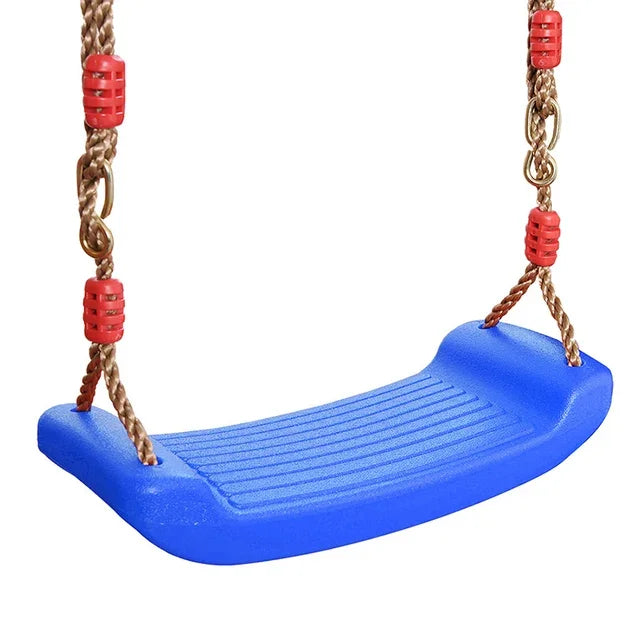
Thoughtful swing safety zone design supports safer backyard play 💡 See it in action
Mini FAQ
Is a swing safety zone really necessary at home?
Yes. Backyard environments lack the standardized spacing of public playgrounds, making intentional swing safety zone planning essential for reducing preventable injuries.
Do heavier swings increase injury risk?
They can if spacing is insufficient. Heavy duty swings require more clearance to safely manage higher momentum and longer arcs.
Can I improve safety without buying new equipment?
Absolutely. Repositioning swings, clearing obstacles, and upgrading ground surfaces often make a bigger difference than replacing frames.
What else helps support safe outdoor play?
Clear supervision, age-appropriate use, and pairing outdoor activity with wellness-focused tools from Health & Safety Tips collections all contribute to safer play.
Related Guide: Home Playground Equipment Features That Boost Daily Active Play





