

Are Tree Swings Safe? 7 Checks Before Kids Ride
Are tree swings safe? What parents should know before hanging one
Yes, swings from trees can be very safe when installed on a healthy tree with the correct hardware, proper branch selection, and regular inspections. The biggest risks come from weak or damaged branches, worn ropes or straps, overloaded weight limits, and poor installation. Using heavy duty tree swing straps, choosing an appropriate seat, and checking the setup throughout the year greatly reduce the chance of accidents while helping protect the tree itself.
Swings From Trees Compared: Straps, Seats, and Safety
⏱ 6 min read
Swings from trees feel simple—until you start worrying about slipping knots, sore hands, or whether that branch can really handle daily use. Parents often ask the same question: which setup is actually safest and most comfortable over time? Below, we compare straps, seats, installation methods, and maintenance tips so you can choose a setup that supports carefree backyard play for years.
Explore real comparisons and see what works best for everyday backyard play.
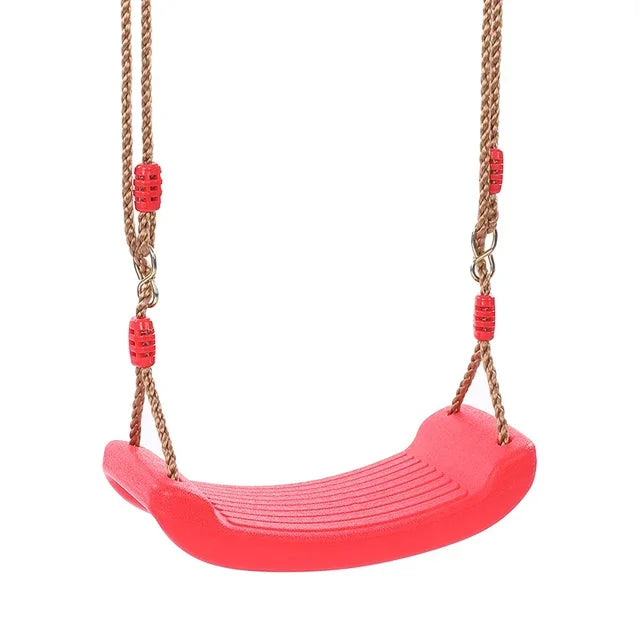
Swings from trees for everyday backyard play • See it in action
What Makes a Tree Swing Safe or Unsafe?
Safe swings from trees depend on much more than the seat itself. Tree swing requirements include selecting a healthy tree, using hardware rated for the expected load, inspecting components regularly, and supervising children during play.
Common Causes of Tree Swing Failures
- Dead, cracked, or undersized branches breaking under load
- Incorrect rope knots or worn hardware
- Frayed straps or UV-damaged ropes
- Exceeding the manufacturer's weight limit
- Multiple riders on swings designed for one person
Risk Assessment at a Glance
- Low risk: Healthy hardwood tree, quality straps, routine inspections.
- Moderate risk: Older ropes or uncertain branch condition.
- High risk: Dead branches, visible decay, rusted hardware, or poor ground clearance.
What Types of Trees Are Best for Hanging a Tree Swing?
Choosing the right tree is one of the most important tree swing requirements. Even premium hardware cannot compensate for an unhealthy or weak branch.
Healthy Tree Characteristics
- Mature hardwood species such as oak, maple, or beech
- No visible cracks, decay, fungus, or hollow sections
- Strong root system with no signs of leaning
- Healthy canopy and consistent seasonal growth
How Thick Should the Branch Be?
For most backyard swings, experts recommend selecting a sturdy horizontal branch at least 8 inches (20 cm) in diameter, with larger branches preferred for swings intended for older children or adults. If you're unsure about the tree's condition, consult a certified arborist before installation.
Trees to Avoid
- Dead or dying trees
- Trees with extensive rot or insect damage
- Branches showing large cracks or excessive flexing
- Fast-growing, brittle species prone to breakage
Choosing the Right Tree Swing and Hanging System
The best setup depends on who will use the swing, how often it will be used, and the desired comfort level. Different types of tree swings serve different purposes.
Types of Tree Swings
Common tree swing names include classic flat-seat swings, disc swings, platform swings, tire swings, bucket swings, and saucer swings. Each offers different levels of support, capacity, and comfort.
Flat Wooden or Plastic Seats
- Simple and lightweight
- Easy to install and remove
- Suitable for older children and short play sessions
- May become uncomfortable during extended use
Wide Disc or Platform Seats
- Excellent weight distribution
- Comfortable for children and adults
- Ideal for longer outdoor play
- Require higher-rated straps and hardware
Bucket-Style Seats for Younger Children
- Supports toddlers with enclosed seating
- Helps reduce slipping
- Requires continuous adult supervision
- Usually outgrown after the preschool years
When considering what materials are best for outdoor tree swing seats, weather-resistant plastic, treated hardwood, rubber-coated surfaces, and UV-resistant synthetic fabrics generally provide the best balance of comfort, durability, and easy maintenance.
Parents focused on growth and coordination often pair outdoor play with other movement-based tools from Baby Growth & Learning to support balance and confidence beyond the backyard.
Heavy Duty Tree Swing Straps vs Rope: Which Is Safer?
Swings from trees can be installed with either rope or straps, but long-term performance differs significantly.
Is Rope Swing Installation Safe?
Proper rope swing installation can be safe when quality rope, secure knots, and regular inspections are used. However, rope typically creates more friction against bark, requires greater knot knowledge, and tends to wear faster than purpose-built tree swing straps.
Standard Rope
- Affordable and widely available
- Requires secure knot tying
- Needs more frequent inspections
- Can fray from weather exposure
Heavy Duty Tree Swing Straps
- Spread weight over a wider surface
- Help protect tree bark
- Easy to inspect for wear
- Quick installation using reinforced loops and carabiners
Families who prioritize outdoor play safety often apply the same thinking indoors with products from Health & Safety , choosing tools designed to reduce everyday risks.
Learn how seat type and support method change comfort and stability over time.
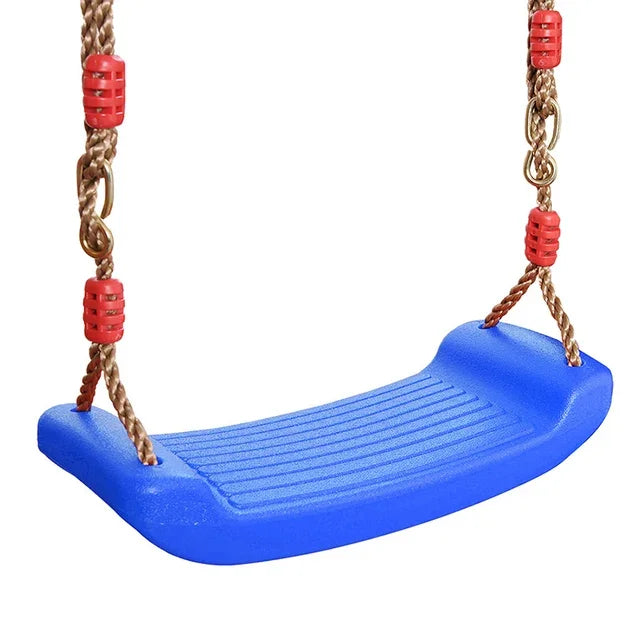
Swings to hang from trees with secure straps • See it in action
How to Install a Tree Swing Safely
Selecting the Right Height
Position the swing so users can comfortably mount and dismount without dragging their feet during normal swinging.
Minimum Ground Clearance
For most backyard installations, the seat should hang approximately 18 to 24 inches above the ground . Adjust this slightly for younger children or uneven terrain while maintaining adequate clearance during movement.
Safe Fall Zone Checklist
- Maintain several feet of clearance around the swing path.
- Keep away from fences, walls, tree trunks, and landscaping rocks.
- Use impact-absorbing ground surfaces such as mulch, engineered wood fiber, or rubber safety surfacing whenever possible.
- Verify all connectors, carabiners, and straps before each season.
Common Tree Swing Installation Mistakes
- Choosing branches that bend excessively under normal weight.
- Using narrow rope that cuts into bark.
- Installing swings too close to trunks, fences, or play structures.
- Ignoring worn straps, cracked seats, or rusty connectors.
- Using improper knots or hardware not rated for outdoor loads.
- Failing to replace damaged parts after severe weather.
Just like sleep routines or feeding setups, outdoor play works best when adjusted over time. Many parents already think this way when using Sleep & Comfort solutions at home.
Inspection and Maintenance Checklist
Monthly Inspection
- Check straps or ropes for fraying.
- Inspect carabiners and hardware for corrosion.
- Verify seat bolts remain tight.
- Look for bark damage beneath attachment points.
- Ensure the branch still appears healthy and stable.
After Storms or Seasonal Changes
- Inspect for cracked limbs or storm damage.
- Replace weather-damaged ropes immediately.
- Remove accumulated debris around the swing area.
- Retighten hardware before children resume using the swing.
Age, Supervision, and Weight Limit Recommendations
- Always follow the manufacturer's weight capacity.
- Young children should use bucket-style swings with continuous adult supervision.
- Avoid multiple riders unless the swing is specifically designed for shared use.
- Teach children not to twist straps excessively or jump from moving swings.
Some families pair outdoor movement with sensory-based activities from Sensory Toys to balance physical play and calm focus.
For those ready to upgrade, explore a reliable option like the kids swing designed for consistent outdoor use and easier setup.
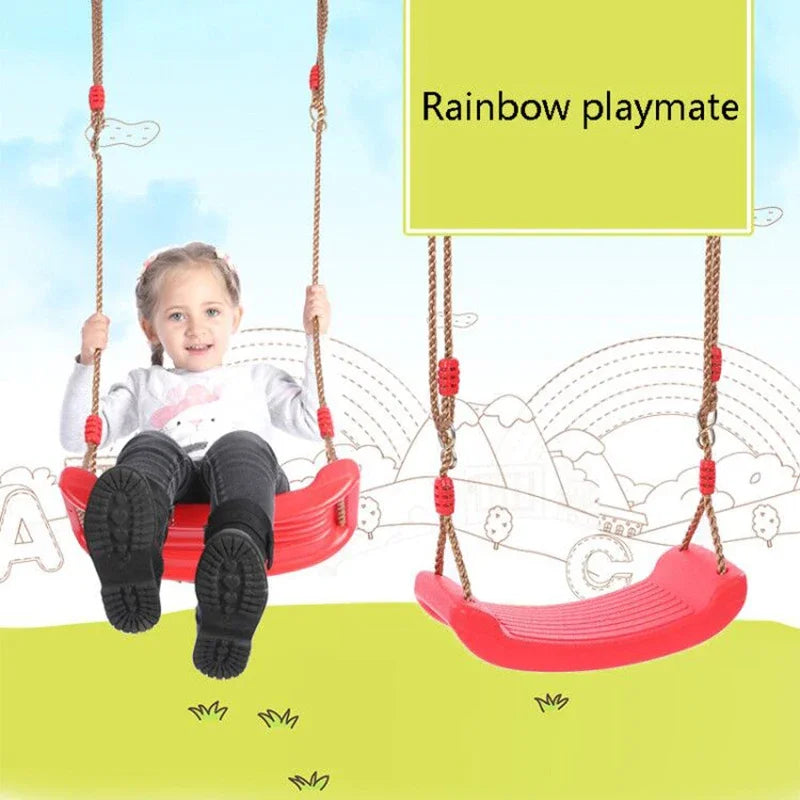
Heavy duty tree swing straps and seats • See it in action
Choose a swing solution that grows with your family and reduces daily worry.
Frequently Asked Questions About Tree Swing Safety
Are tree swings safe for young children?
Yes, provided the swing is age-appropriate, installed correctly, and used with active adult supervision. Bucket-style seats offer additional support for toddlers.
What types of trees are best for hanging a tree swing?
Mature hardwood trees with healthy, horizontal branches are generally the safest choice. Avoid trees with visible decay, cracks, or unstable limbs.
How thick should a branch be for a tree swing?
A branch at least 8 inches (20 cm) in diameter is commonly recommended for most residential tree swings, although larger branches provide additional safety margins for heavier loads.
Are heavy duty tree swing straps safer than rope?
In many situations, yes. Heavy duty tree swing straps distribute weight more evenly, reduce bark damage, and simplify inspection compared with standard rope installations.
What materials are best for outdoor tree swing seats?
UV-resistant plastic, treated hardwood, coated metal frames, and weather-resistant fabrics typically offer the best durability for year-round outdoor use.
How high should a tree swing seat be from the ground?
Most installations work best with the seat positioned about 18–24 inches above the ground, adjusted as needed for the rider's age and the surrounding terrain.
How often should a tree swing be inspected?
Perform a quick visual inspection before regular use, a thorough inspection every month, and another detailed inspection after major storms or seasonal weather changes.
Can a tree swing damage a healthy tree?
Improper installations can damage bark over time. Wide tree swing straps help spread pressure and reduce friction, making them a better choice for protecting healthy branches.
Related Guide: Indoor Outdoor Kids Swing Compared: Which Fits Your Home?





