

How to Fix Tangled Fishing Line on Spinning Reel Fast
Tangled Fishing Line Fixes Every Beginner Should Know
⏱ 7 min read
Tangled fishing line is one of the most common frustrations for beginner anglers, especially when using a spinning reel. Loops jumping off the spool, unexpected wind knots, and line twist can quickly ruin a fishing trip. Fortunately, most tangled fishing line issues have simple mechanical causes that are easy to identify and prevent. This guide explains why tangles happen, how to diagnose the problem, and the best practices for avoiding future knots.
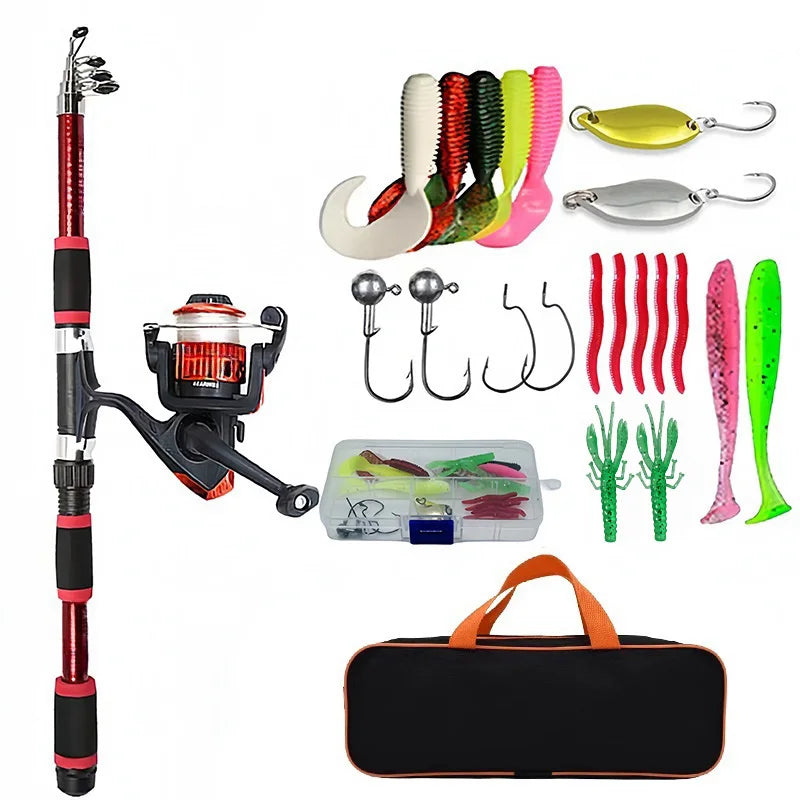
Tangled fishing line issues often start before the cast even begins. See it in action.
Why Fishing Line Gets Tangled on a Spinning Reel
Most tangled fishing line problems are caused by setup or technique rather than faulty equipment. Understanding the source of the tangle makes it much easier to choose the right fix instead of repeatedly pulling on the line and making the knot tighter.
Line twist
Line twist is one of the leading causes of tangled fishing line. Every time twist builds up, stored tension accumulates on the spool. Eventually, the line springs free as loose coils, creating loops or knots during the next cast.
Overfilled spool
Filling a spinning reel beyond the recommended level leaves little room for the line to stay under control. Excess line slips off the spool in large coils, often creating the classic "bird nest" that beginners encounter.
Improper spooling
If fishing line is installed with the wrong orientation or without consistent tension, it develops memory and uneven coils. These imperfections often appear later as tangled fishing line issues, even if the reel initially seems to cast normally.
Wind knots and slack line
Allowing slack line to form after a cast or during retrieval creates loose loops on the spool. On the following cast, those loops can catch beneath tighter wraps, producing sudden tangles that seem to appear out of nowhere.
Drag and bail issues
Closing the bail by turning the reel handle instead of using your hand can introduce unnecessary line twist. Likewise, an incorrectly adjusted drag or sudden jerks while fighting a fish may leave uneven wraps that increase the likelihood of tangles on future casts.
- Avoid overfilling the spool.
- Maintain light tension while reeling.
- Close the bail manually after every cast.
- Inspect the spool regularly for loose loops before casting again.
Think of your fishing line like a tightly wound spring. Each twist stores energy until the line can no longer stay evenly wrapped around the spool. That's why fishing line tangles when casting often appear suddenly—even though the underlying problem developed over several previous casts.
Step-by-Step: How to Fix Tangled Fishing Line When Casting
If your fishing line tangles when casting, resist the urge to keep reeling. Pulling against a knot only tightens it and may weaken the line. Instead, follow a simple recovery process to restore proper line lay before making another cast.
Stop pulling immediately
The moment you notice loops jumping off the spool, hear a snap during the cast, or feel unexpected resistance, stop turning the reel handle. Continuing to retrieve line usually turns a minor loop into a severe bird nest.
Loosen and isolate the loop
- Open the bail completely.
- Pull line gently by hand until you locate the first tight loop.
- Separate that loop without forcing the remaining coils.
- Remove any crossed wraps before reeling again.
Remove line twist
If the line still coils after removing the knot, accumulated line twist is likely the underlying problem. Pull several yards of line off the reel under light tension, then rewind it evenly to restore proper spool alignment.
Test before casting again
Before making a full-power cast, try a short practice cast in open water. Watch how the line leaves the spool. If it flows smoothly without loops, the tangle has been successfully corrected.
Most tangled fishing line issues can be fixed without cutting the line, provided you stop reeling as soon as the problem appears and work patiently through the affected section.
Spinning Reel Casting Tips That Prevent Knots
Good casting technique prevents far more tangles than expensive equipment. These spinning reel casting tips reduce line twist, improve casting consistency, and help keep the spool evenly loaded throughout the day.
- Use a smooth, controlled casting motion instead of overpowering the rod.
- Match lure weight to your rod's recommended casting range.
- Maintain light tension on the line throughout retrieval.
- Close the bail manually after every cast.
- Inspect the spool every few casts for loose loops or uneven wraps.
- Avoid reeling while the drag is slipping unless necessary.
Many beginners focus on casting farther, but accuracy and consistent line control produce better long-term results. Proper technique reduces spinning reel line twist, minimizes fishing line tangles when casting, and helps every cast leave the spool more smoothly.
Smooth casting technique and proper spool management help prevent fishing line tangles before they start. See it in action.
When to Respool Instead of Saving the Line
Not every tangled fishing line can be recovered. While small loops and minor twists are usually fixable, severe bird nests or damaged line may require replacing part or all of the spool. Knowing when to respool saves time and helps prevent break-offs when fighting fish.
Damaged monofilament
Monofilament line can develop permanent kinks after a tight knot. If you notice flattened sections, abrasions, or white stress marks, the line has likely lost strength and should be replaced.
Braided line
Braided line has very little memory, so it often survives tangles better than monofilament. However, if fibers become frayed or tightly cinched together, replacing the damaged section is the safest option.
Fluorocarbon memory
Fluorocarbon is stiffer than braid and can retain coils after severe twists. If repeated loops continue appearing even after removing the tangle, fresh line will usually restore smoother casting performance.
Repeated tangles
If you experience tangled fishing line on nearly every outing despite correcting your technique, inspect the entire spool. Old, heavily twisted, or poorly installed line often causes recurring problems that no amount of untangling can permanently solve.
Prevent Fishing Line Tangles Before, During, and After Fishing
Developing a simple routine is the easiest way to prevent tangled fishing line issues. Small habits performed consistently reduce line twist, improve casting performance, and extend the life of your fishing line.
Before casting
- Fill the spool to the recommended level without overfilling.
- Check that the line is lying evenly across the spool.
- Inspect knots, leaders, and lure connections before every cast.
During retrieval
- Close the bail by hand instead of turning the reel handle.
- Keep light tension on the line while retrieving.
- Avoid reeling when slack loops are visible on the spool.
After each trip
- Store rods with light line tension.
- Inspect the first several feet of line for abrasion or memory.
- Clean the reel and remove dirt or debris that may affect line lay.
Proper reel setup
Using balanced equipment also reduces tangles. A properly matched rod, reel, lure weight, and line size allow the spool to release line smoothly without unnecessary twist or slack.
The same attention to routine maintenance that anglers apply to equipment featured in Health & Safety or Beauty & Wellness helps keep fishing gear performing at its best throughout the season.
Reliable equipment complements good technique. A balanced fishing rod and reel combo helps maintain even line lay, improves casting consistency, and reduces the slack that often leads to tangled fishing line.
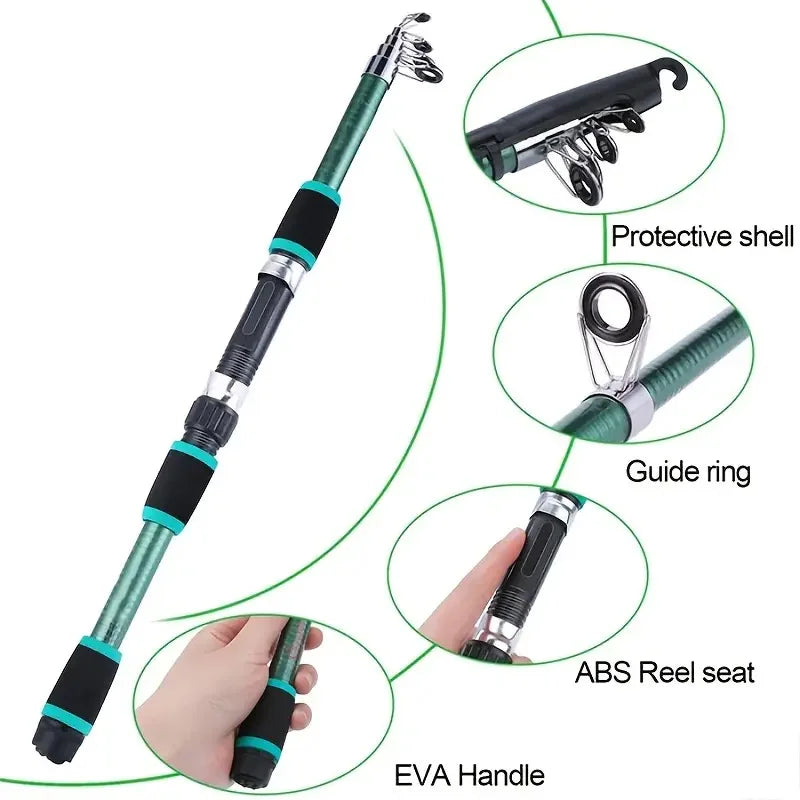
A properly balanced rod and reel setup helps reduce tangled fishing line issues and improves casting consistency. See it in action.
FAQ: Spinning Reel Line Tangles
Why does my fishing line keep tangling on a spinning reel?
The most common causes are spinning reel line twist, an overfilled spool, loose line wrapped onto the reel, or closing the bail by turning the reel handle instead of using your hand. Correcting these habits eliminates the majority of tangled fishing line problems.
What causes a fishing line bird nest?
A fishing line bird nest forms when loose coils jump off the spool and become trapped beneath other wraps. Overfilled spools, excessive line twist, and retrieving slack line are the most common causes.
Can line twist be fixed without replacing the line?
Yes. Mild spinning reel line twist can often be removed by pulling several yards of line off the reel under light tension and rewinding it evenly. If coils continue forming after multiple attempts, replacing the line is usually the better long-term solution.
How full should a spinning reel spool be?
For most spinning reels, fill the spool until the line sits approximately 1/8 inch (about 2–3 mm) below the spool lip. Overfilling dramatically increases the risk of loops, bird nests, and tangled fishing line during casting.
How often should I replace monofilament, fluorocarbon, or braided line?
Replacement depends on usage and storage conditions. Monofilament is commonly replaced every season or more often with heavy use. Fluorocarbon should be replaced when it develops excessive memory or abrasion, while braided line often lasts longer but should be changed if it becomes frayed or damaged.
How do I know if my tangled fishing line can be saved?
Minor loops, loose knots, and light line twist can usually be corrected. If the line has sharp kinks, abrasion, flattened sections, or repeated bird nests, replacing the affected section—or the entire spool—is the safer choice.
Why does my spinning reel create loops after casting?
Loops usually indicate slack line was wound onto the spool or that excessive line twist has accumulated. Keeping steady tension during retrieval and checking the spool regularly helps prevent this problem.
Can an overfilled spool cause constant tangles?
Absolutely. An overfilled spool allows line to spring off in large coils, making tangled fishing line and bird nests much more likely. Keeping the spool slightly below full provides better line control.
Does braided line tangle less than monofilament?
Braided line has very little memory, so it is generally less prone to coiling than monofilament or fluorocarbon. However, it can still form difficult knots if slack line is reeled onto the spool or if casting technique is poor.
Should I replace fishing line after a severe bird nest?
If the bird nest created tight kinks, abrasions, or damaged sections, replacing the affected line is recommended. Undamaged line that untangles cleanly can often continue to perform well.
How can I stop line twist from coming back?
Maintain proper spool fill, close the bail manually, retrieve with light line tension, and inspect your spool regularly for loose wraps. Consistent reel maintenance and proper casting technique are the best long-term defenses against spinning reel line twist.
Related Guide: Fishing Reel Gear Ratio Explained Step by Step





