

Teach Toddler Steering Skills in 5 Easy Practice Steps
How can parents teach toddler steering skills effectively?
Teach toddler steering skills by using short, playful practice sessions that focus on balance, gentle turns, and hand-eye coordination. With the right setup and balance bike instructions, toddlers improve control faster while building confidence and coordination development through everyday movement.
Teach Toddler Steering Skills in 5 Easy Practice Steps
⏱ 7 min read — Teaching a toddler to steer can feel tricky at first. Wobbly turns, sudden stops, and frustration are common. The good news? With the right approach, you can teach toddler steering skills in a way that feels natural, fun, and confidence-building, while supporting coordination development and early independence.
Many parents wonder: is my child ready to steer, or should I wait? The truth is, toddlers learn best through guided play. When you break steering into simple steps, progress happens faster than expected.
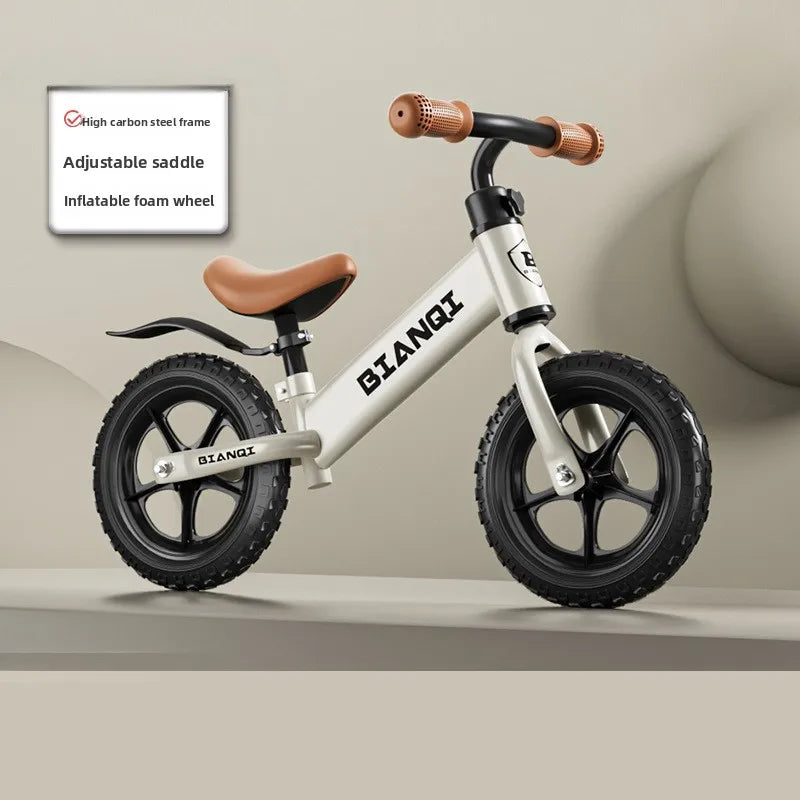
Building coordination development through everyday riding practice 💡 See it in action
Why Steering Matters for Toddlers
Teach toddler steering skills early to support coordination development, spatial awareness, and confidence. Steering isn’t just about turning handlebars—it trains the brain and body to work together.
- Improves balance and posture
- Strengthens arm and core muscles
- Boosts coordination activities for preschoolers
- Builds focus and decision-making
These benefits transfer to walking, running, and future bike riding. That’s why steering practice is a key milestone in toddler motor skills.
Step 1: Build Body Awareness First
Teach toddler steering skills more easily when kids understand how their body moves. Before expecting clean turns, focus on awareness.
- Let your toddler sit on the bike without moving
- Encourage holding handlebars with relaxed arms
- Rock gently side to side to feel balance shifts
- Name movements: “left,” “right,” “straight”
This simple prep supports coordination development and reduces fear. Many parents skip this step and face resistance later.
Pairing riding time with sensory play from Sensory Toys can also strengthen body awareness off the bike.
Step 2: Practice Slow, Wide Turns
Teach toddler steering skills by slowing everything down. Speed hides mistakes and increases falls.
Set up wide, gentle curves using cones, shoes, or chalk lines. Walk beside your toddler and model the turn.
- Say “turn” before moving handlebars
- Encourage looking where they want to go
- Celebrate small corrections
These balance bike instructions help toddlers connect vision with movement—an essential coordination activity for preschoolers.
Step 3: Use Visual Targets
Teach toddler steering skills faster by giving the eyes a job. Toddlers steer better when they focus ahead.
Place bright objects at the end of a path and ask your child to “ride to the star” or “go to the ball.”
| Without Target | With Target |
|---|---|
| Wobbly steering | Smoother turns |
| Looking down | Eyes forward |
| Quick frustration | Longer focus |
This technique is widely used in coordination activities for preschoolers because it builds natural control.
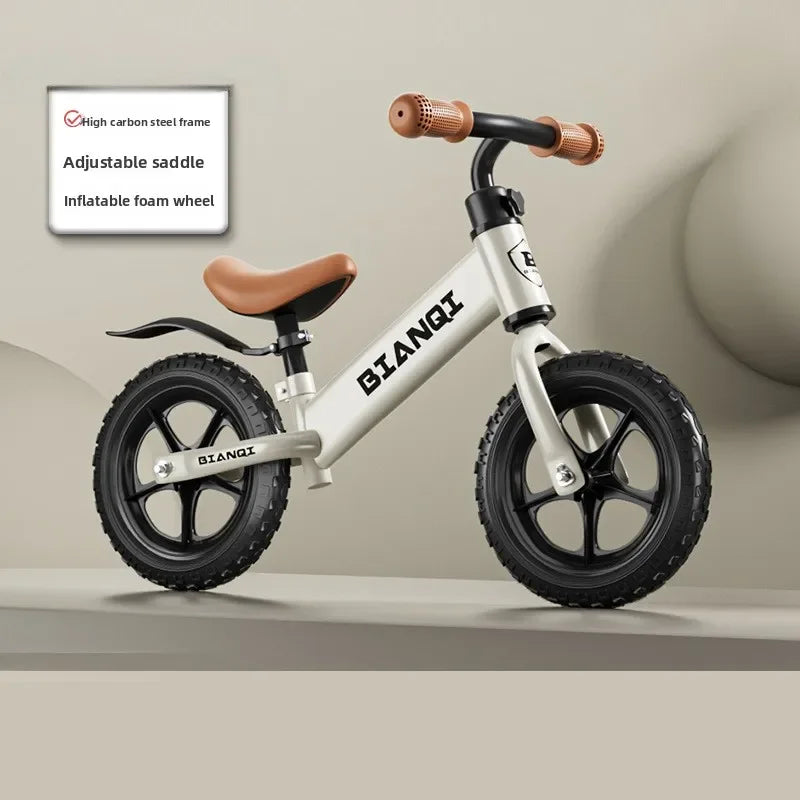
Visual cues accelerate coordination development 💡 See it in action
Step 4: Support Balance Without Overhelping
Teach toddler steering skills by guiding, not controlling. Holding the seat lightly gives confidence without taking over.
Avoid gripping handlebars or forcing turns. Instead:
- Walk beside the bike
- Use verbal cues
- Let small mistakes happen
Short daily sessions work better than long drills. Many parents notice improvement within one week.
Safety-conscious parents often pair practice with protective routines from Health & Safety to reduce anxiety during learning.
Step 5: Apply Skills in Real Settings
Teach toddler steering skills beyond the driveway. Real environments improve adaptability.
- Practice on sidewalks
- Navigate around trees or benches
- Ride with gentle slopes
- Introduce short obstacle paths
This is where coordination development truly locks in. Children feel proud using skills independently.
Many families choose a beginner-friendly option like this balance bike because it supports smooth transitions from practice to play.
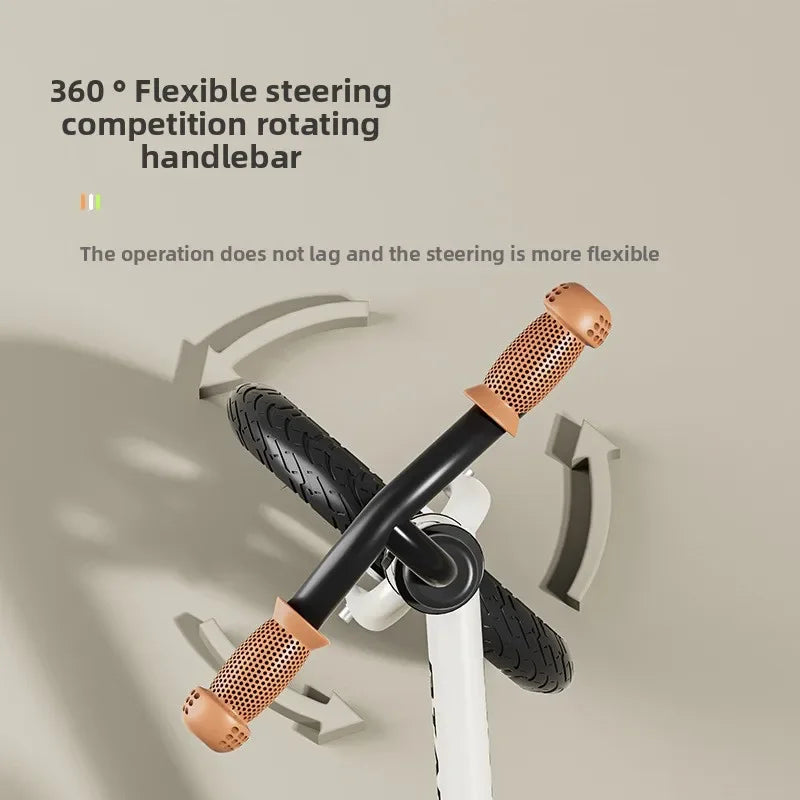
Real-world practice strengthens toddler motor skills 💡 See it in action
Common Steering Mistakes to Avoid
- Starting with pedals too early
- Practicing when the child is tired
- Overcorrecting every turn
- Skipping balance-focused play
Remember, teaching steering is a process. Confidence grows when children feel safe and supported.
Quick Parent FAQ
At what age should I teach toddler steering skills?
Most toddlers are ready between 18–30 months, depending on balance and interest. Starting early supports coordination development.
How long should practice sessions be?
Five to ten minutes is ideal. Short sessions prevent frustration and help skills stick.
Do balance bike instructions differ by child?
Yes. Adjust pace and environment based on confidence, but keep steps simple and playful.
Related Guide: How Toddlers Learn Bike Balance: Step-by-Step Guide





