

Toddler Carrying Back Strain Solutions for Everyday Parents
Does toddler carrying back strain really get better with the right support?
Toddler carrying back strain improves when parents use even weight distribution, maintain healthy sitting posture, and follow safe babywearing guidelines consistently. Simple tools like hip seat carriers and posture-aware habits reduce spinal pressure, lower muscle fatigue, and help parents carry toddlers longer with less pain during daily routines.
⏱ 8 min read
Toddler Carrying Back Strain Solutions for Everyday Parents
Toddler carrying back strain is one of those parenting pains that sneaks up quietly—then refuses to leave. One minute you’re lifting your child for comfort, the next your lower back aches during dishes, errands, or bedtime routines. If this sounds familiar, you’re not alone. The good news? Relief doesn’t require giving up carrying your toddler—it just requires smarter support.
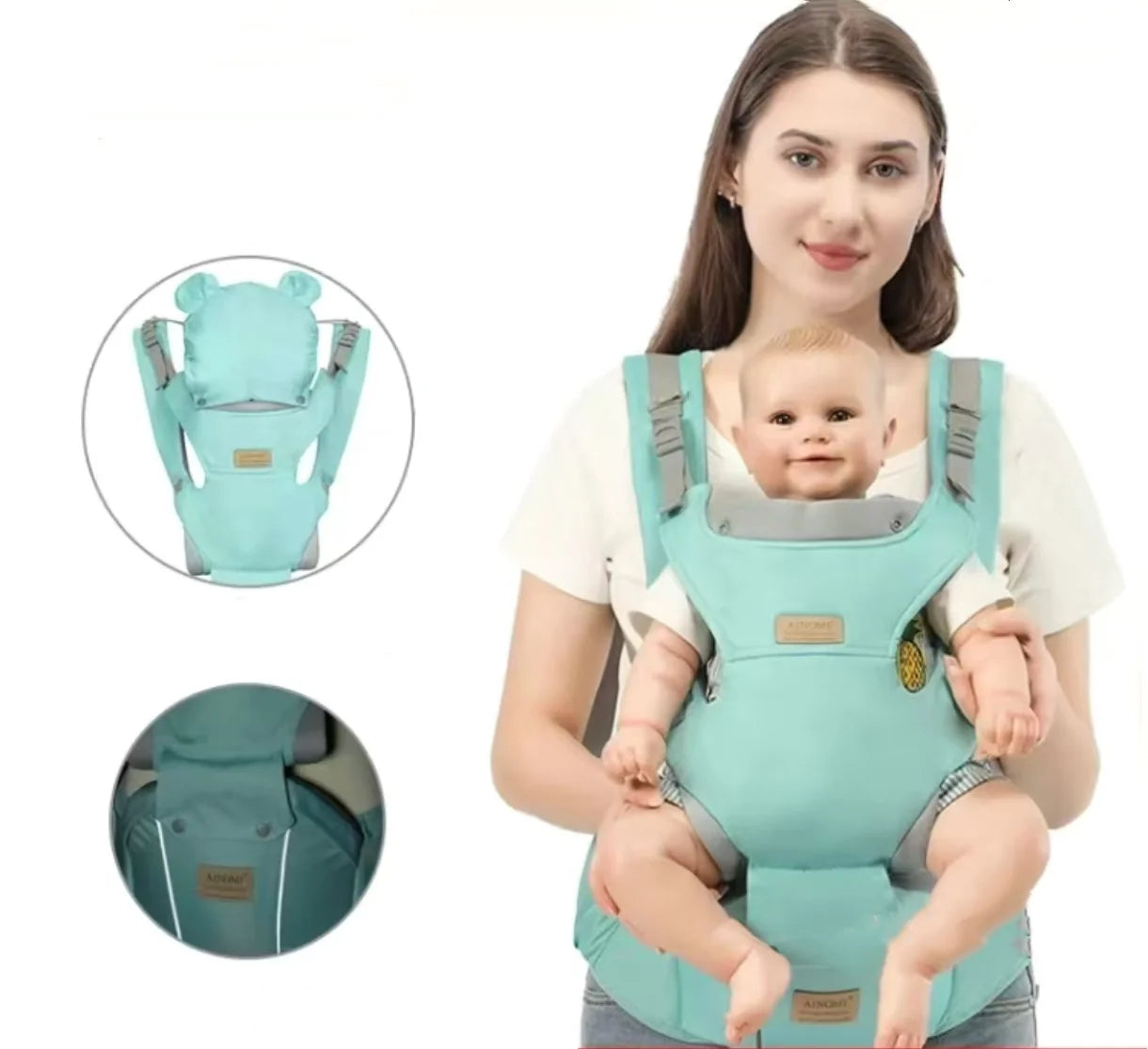
Toddler carrying back strain relief starts with even weight distribution 💡 See it in action
Why Toddler Carrying Causes Back Strain
Toddler carrying back strain happens because a growing child places uneven pressure on the spine. Toddlers weigh more, move unpredictably, and are often carried on one hip—forcing muscles to compensate constantly.
Over time, this leads to:
- Compressed lower spine
- Overworked core muscles
- Rounded shoulders and neck tension
- Chronic soreness that doesn’t fade overnight
Parents browsing Mom Essentials often look for comfort tools only after pain sets in—but prevention is far easier than recovery.
Early Warning Signs Parents Ignore
Toddler carrying back strain rarely appears suddenly. It builds quietly.
- Sharp twinges when lifting your toddler
- Lower back stiffness after sitting
- Hip soreness on one side
- Needing to “switch arms” constantly
These are signs your body is asking for better support—not less bonding.
How Even Weight Distribution Reduces Pain
Toddler carrying back strain decreases dramatically when weight is evenly distributed across the hips and core instead of the lower spine.
When weight spreads correctly:
- Your pelvis stays aligned
- Core muscles activate naturally
- Back muscles stop overcompensating
- Carrying feels lighter—even with heavier toddlers
Parents exploring Health & Safety solutions often overlook how critical balance is for long-term spinal health.
Healthy Sitting Posture While Carrying
Toddler carrying back strain isn’t just about lifting—it’s about posture during sitting, standing, and walking.
Healthy sitting posture while carrying includes:
- Keeping shoulders relaxed and stacked
- Engaging your core gently
- Letting hips bear weight, not your spine
- Avoiding leaning or arching backward
These posture habits protect you during long routines like feeding, rocking, or storytime—especially when paired with supportive gear from Baby Care Essentials.
Safe Babywearing Guidelines That Protect Your Spine
Toddler carrying back strain improves when parents follow safe babywearing guidelines designed for older, heavier children.
Key principles include:
- Hip support instead of shoulder-only weight
- Neutral spine alignment
- Adjustable fit as your toddler grows
- Quick on/off access for daily tasks
Resources from Baby Care Tips & Advice often emphasize infant safety—but toddlers need just as much ergonomic consideration.
Why Hip Seat Carriers Change Everything
Toddler carrying back strain drops significantly when parents use structured hip seat carriers.
Unlike soft carriers, hip seats:
- Transfer weight directly to the hips
- Reduce spinal compression
- Support natural toddler sitting posture
- Allow frequent up-and-down movement
Parents report carrying longer with less fatigue using the Baby Hip Seat Carrier, especially during errands, travel, and clingy phases.
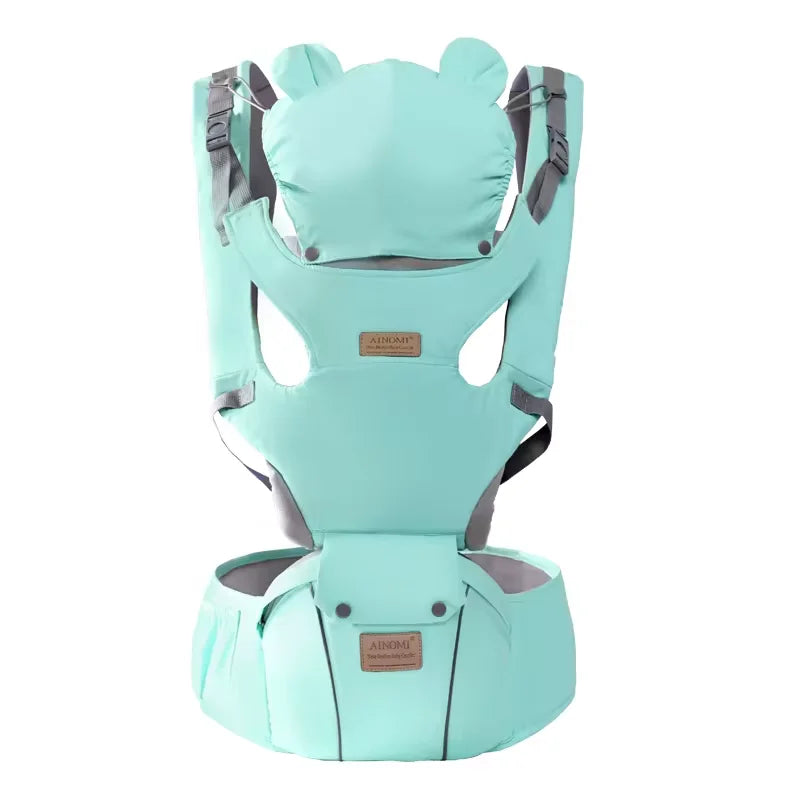
Even weight distribution supports healthy posture 💡 See it in action
Everyday Carrying Scenarios (and Easy Fixes)
Grocery runs: Toddlers want up, then down. Hip seats allow fast transitions without strain.
Bedtime routines: Proper support prevents back pain during long rocking sessions.
Travel days: Balanced carrying reduces fatigue while navigating airports or crowds.
Parents browsing Mobility & Training gear often realize later that adult comfort matters just as much as child mobility.
Carrying Methods Compared
| Method | Back Support | Ease of Use |
|---|---|---|
| Arm Carry | ❌ Low | ✅ Easy |
| Soft Carrier | ⚠️ Moderate | ⚠️ Medium |
| Hip Seat Carrier | ✅ High | ✅ Easy |
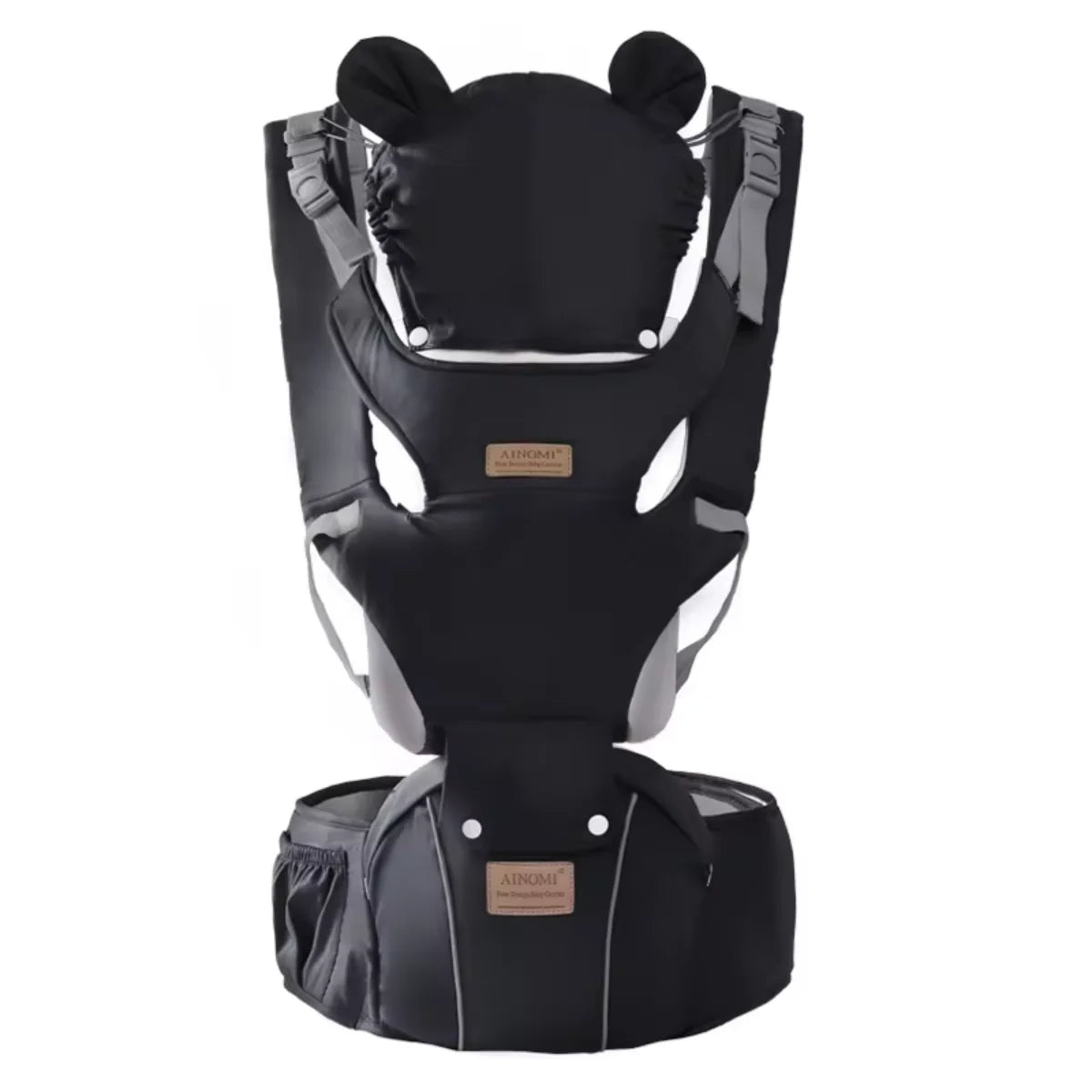
Safe babywearing guidelines meet daily comfort 💡 See it in action
Mini FAQ: Toddler Carrying Back Strain
Is toddler carrying back strain normal?
Yes, but it’s not inevitable. Most strain comes from uneven weight distribution and poor posture rather than carrying itself.
When should parents stop carrying toddlers?
There’s no fixed age. With proper support and posture, many parents carry comfortably well into toddler years.
Can posture really make a difference?
Absolutely. Healthy sitting posture and hip-based support significantly reduce spinal pressure.





