

Toddler Sports Training Equipment Parents Actually Trust
Does toddler sports training equipment really help kids develop coordination safely?
Yes—toddler sports training equipment supports safe movement, balance, and confidence when it’s designed for early play. High-quality options double as motor skills development toys, encouraging active play without pressure. Parents trust well-tested sets that improve coordination, support infant toys for gross motor skills, and grow with their child.
Toddler Sports Training Equipment Parents Actually Trust
⏱ 7 min read
Choosing toddler sports training equipment can feel overwhelming. Parents worry about safety, wasted money, and whether a toy actually helps their child grow. The good news? Trusted, parent-approved gear now combines fun with proven movement benefits—helping kids build strength, balance, and confidence through play.
Ever bought a toy that looked exciting… and then sat untouched? You’re not alone. Many parents are rethinking traditional toys and turning to active play tools that keep toddlers moving while supporting healthy development.
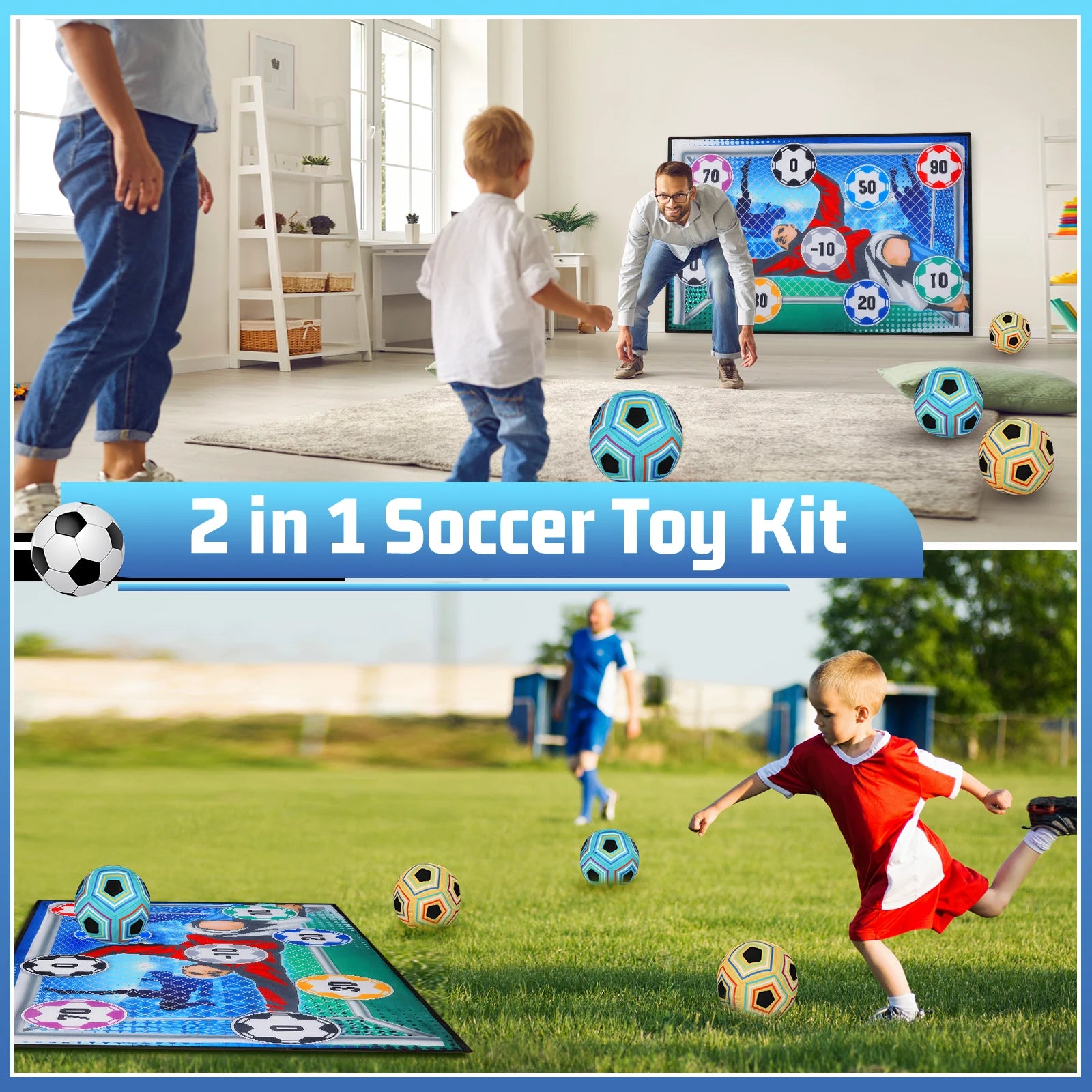
Trusted toddler sports training equipment that doubles as motor skills development toys 💡 See it in action
Why Parents Trust Modern Training Gear
Toddlers learn best through movement. Parents are noticing that thoughtfully designed sports gear keeps kids engaged longer than passive toys. The biggest reason for trust? These products are built around safety, soft materials, and age-appropriate challenges.
- Encourages active play without screens
- Supports balance, coordination, and strength
- Designed to grow with your child
- Tested for home safety and durability
Many families pair these tools with resources from Baby Growth & Learning to create a play space that supports movement and curiosity together.
What Makes Toddler Sports Training Equipment Effective?
High-quality toddler sports training equipment focuses on gentle challenges that build confidence. The goal isn’t competition—it’s movement mastery.
Effective designs often include:
- Soft-impact materials to reduce injury risk
- Simple goals that reward effort
- Bright visuals that keep attention
- Easy setup for busy parents
Unlike rigid gym gear, these sets feel like play first—learning second. That balance is why parents see real progress.
How It Compares to Traditional Toys
| Feature | Traditional Toys | Sports Training Gear |
|---|---|---|
| Movement | Limited | Full-body engagement |
| Skill Growth | Short-term | Builds motor skills over time |
| Longevity | Often outgrown quickly | Adapts as toddler grows |
Parents looking for motor skills toys often find that active gear replaces multiple traditional toys—saving space and money.
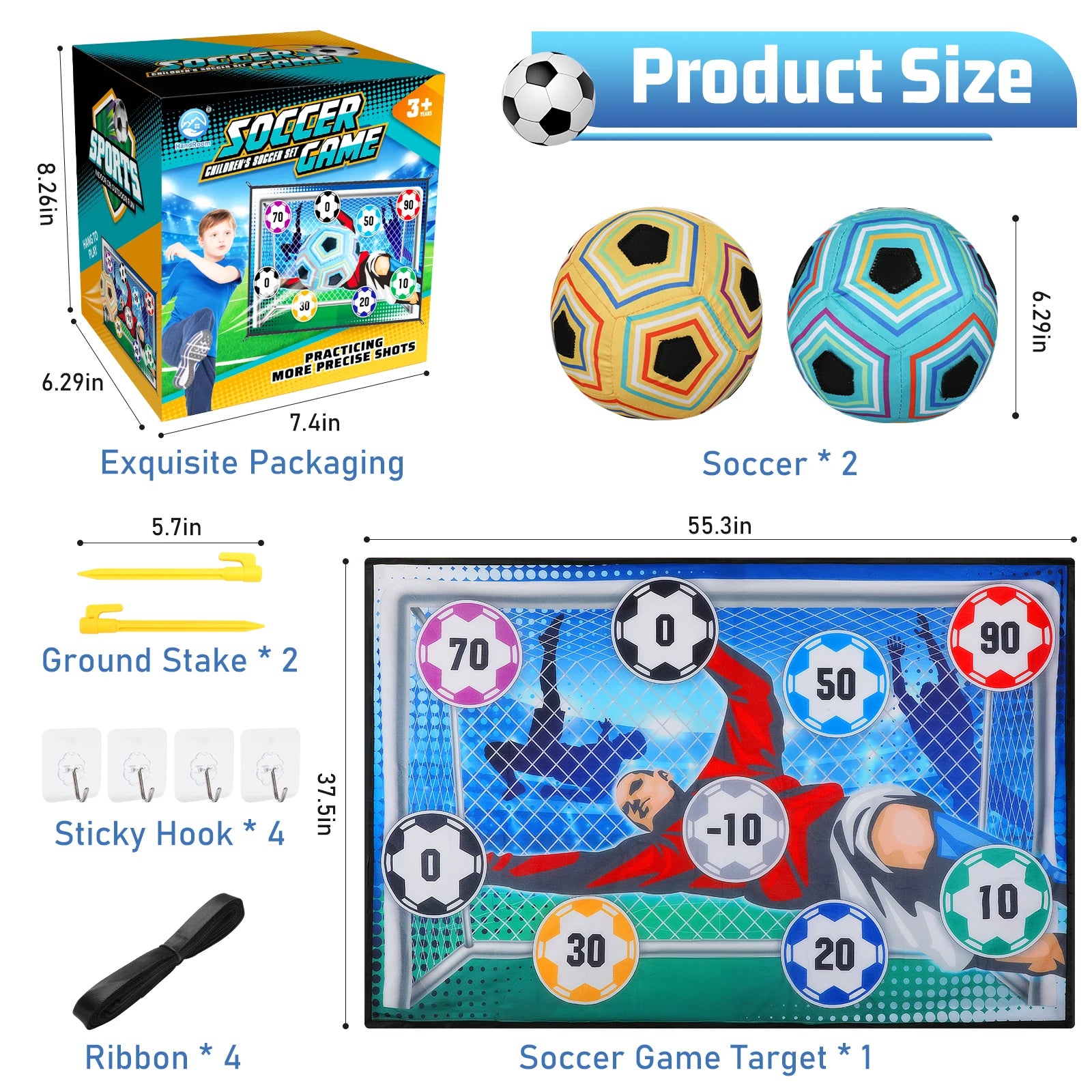
Motor skills toys designed for safe indoor play 💡 See it in action
Real Parent Stories and Results
“We noticed better balance within weeks,” shares a mom of a 2-year-old. “Our son went from stumbling to confidently kicking and aiming.”
Another parent explains how these tools replaced screen time: “It became part of our daily routine. Ten minutes of play before dinner makes bedtime easier.”
These stories reflect a common theme: when toddlers move more, parents stress less.
Many families combine training toys with items from Mobility & Training to support daily movement habits.
Product Spotlight: Sticky Soccer Goal Toy
This toddler sports training equipment stands out because it blends simple soccer play with safe, soft materials. The sticky goal design rewards accuracy without frustration.
Why parents choose it:
- Promotes kicking and aiming skills
- Soft balls reduce impact risks
- Easy wall or door setup
- Works for solo or group play
Many parents compare it to bulkier competitors and prefer its compact design and versatility.
👉 Get yours now — limited stock!
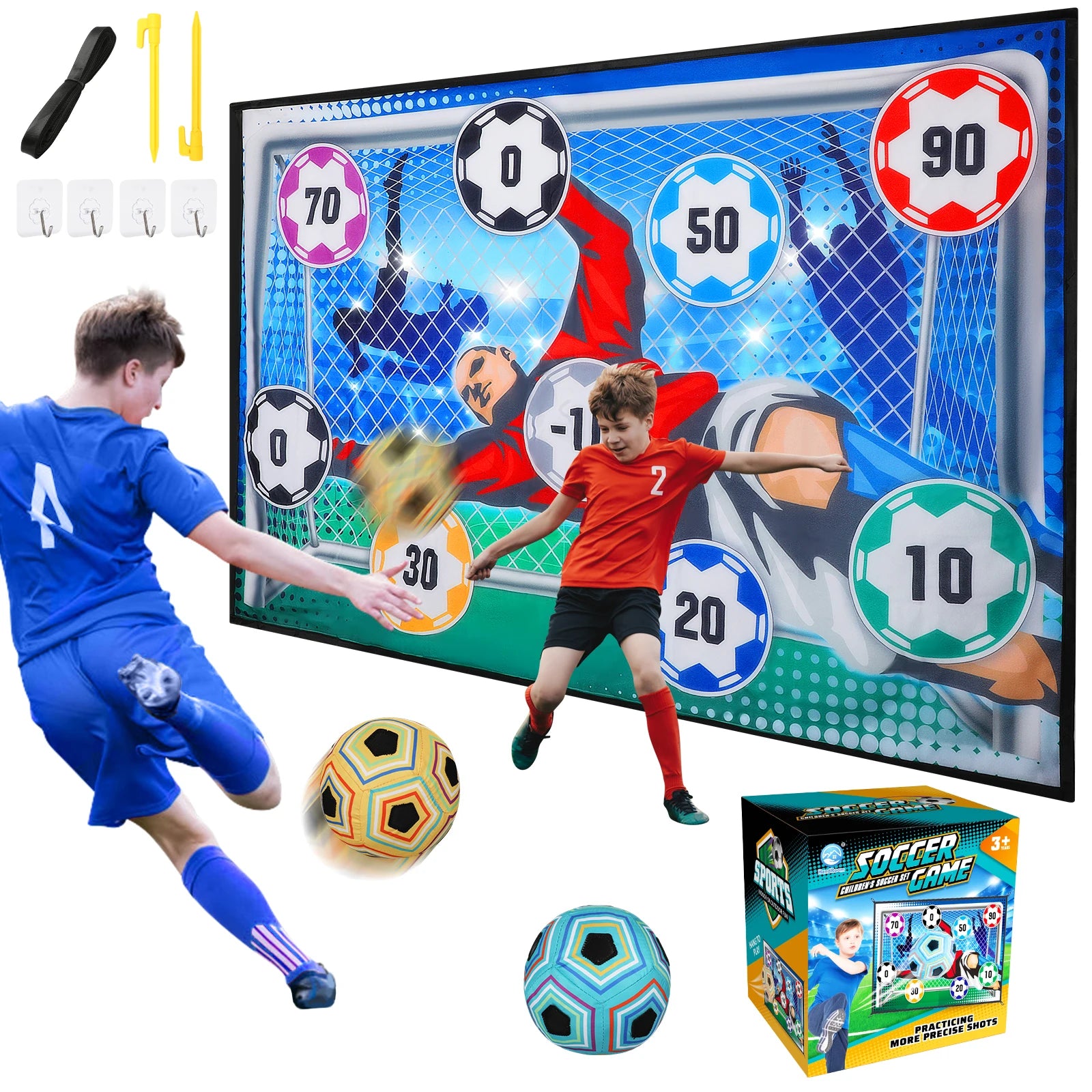
Infant toys for gross motor skills that parents actually trust 💡 See it in action
How to Choose the Right Gear for Your Toddler
- Check age recommendations and safety testing
- Look for soft, non-toxic materials
- Choose gear that adapts to different play styles
- Prioritize easy storage and setup
Parents often browse Health & Safety alongside play gear to ensure a well-rounded, secure environment.
FAQ
At what age can toddlers start using sports training equipment?
Most toddlers can begin around 12–18 months with soft, guided play. Always supervise and follow age guidelines.
Is this better than outdoor playgrounds?
It complements outdoor play. Indoor equipment offers safe, weather-proof movement opportunities.
Will my child outgrow it quickly?
Quality sets are designed to grow with your child, offering new challenges as skills improve.
Does it replace other toys?
Many parents find it replaces multiple passive toys by encouraging active, imaginative play.
Related Guide: Buy Sticky Soccer Goal Kids: Honest Review After Real Play





