

Educational Toys for 6 Year Olds: Top 7 Proven Picks
Which educational toys for 6 year olds are actually worth buying?
Educational toys for 6 year olds are worth it when they build real skills through play, not pressure. The best options combine early childhood development toys with hands-on challenges that support creativity, problem-solving, and motor skills development toys that improve coordination. When chosen well, these toys help kids stay curious, confident, and motivated to learn.
Top Educational Toys for 6 Year Olds: Which Ones Are Worth It
⏱ 6 min read
Educational toys for 6 year olds can do far more than keep kids busy—they can spark confidence, creativity, and real-world skills when chosen wisely. The best options combine early childhood development toys with hands-on challenges that support learning to play piano by ear, critical thinking, and curiosity. Add in motor skills development toys that build coordination through play, and learning suddenly feels effortless and fun. Which toys actually deliver these benefits without overwhelming kids or parents?
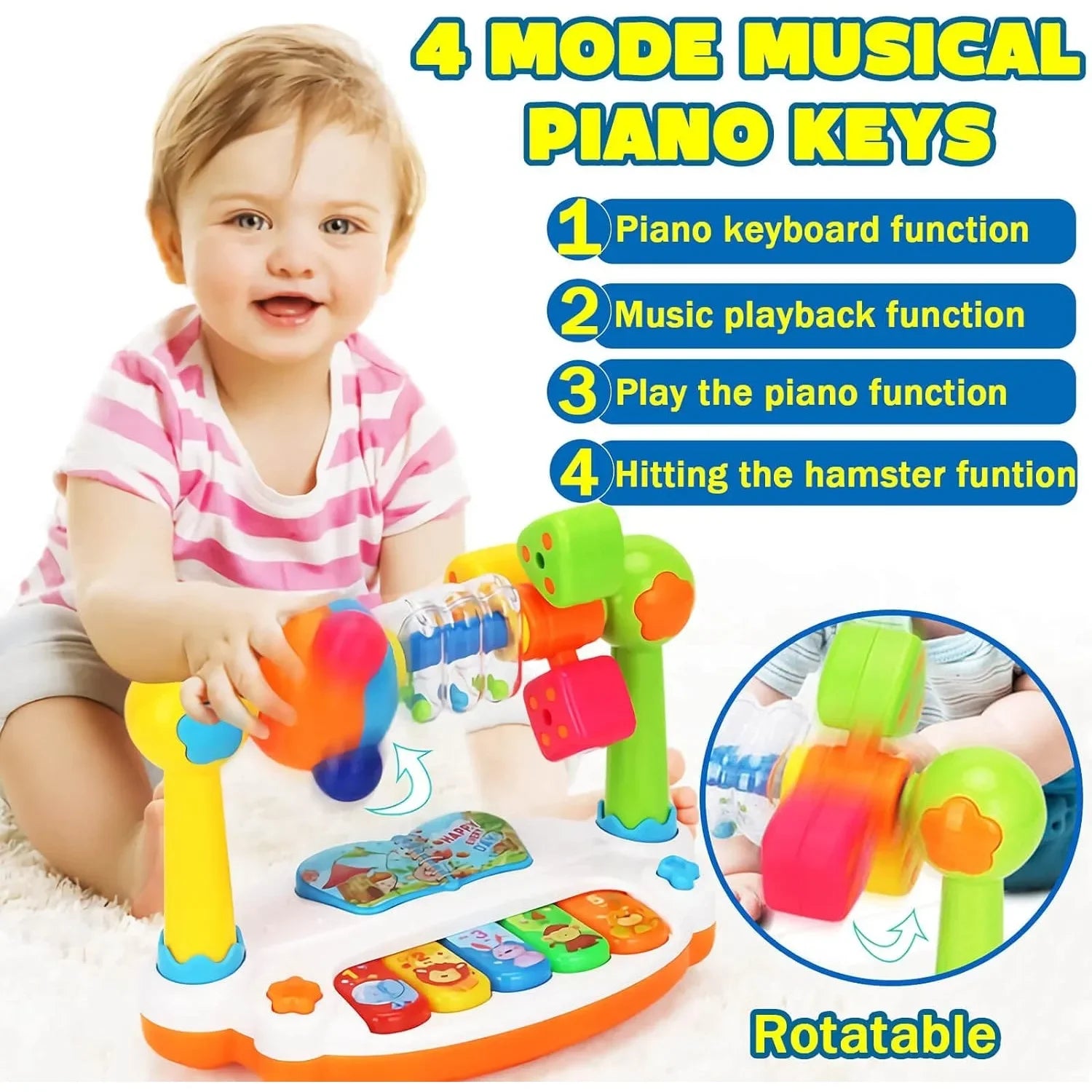
Educational toys for 6 year olds that support early childhood development toys and hands-on learning 💡 See it in action
Why Educational Toys Matter at Age 6
At six years old, children are moving from basic play into skill-building play. Their brains are primed for problem-solving, pattern recognition, and creative expression. Educational toys for 6 year olds help bridge the gap between fun and learning by reinforcing school concepts without feeling like homework.
- They encourage independent thinking and confidence
- They support early childhood development toys goals like focus and memory
- They reduce screen dependence through hands-on engagement
- They turn everyday playtime into meaningful learning moments
Parents often worry about buying toys that end up forgotten in a week. The key is choosing toys that grow with your child instead of limiting them to one fixed outcome.
How to Choose Educational Toys for 6 Year Olds Without Regret
Educational toys for 6 year olds should balance challenge and enjoyment. The most effective toys meet kids where they are while gently stretching their abilities.
- Open-ended play: Toys with multiple ways to play last longer and adapt to your child’s creativity.
- Skill layering: Look for toys that build more than one skill, such as logic plus fine motor control.
- Age-appropriate complexity: Avoid toys that are either too simple or overly advanced.
- Hands-on interaction: Physical engagement improves retention and satisfaction.
Top Educational Toy Categories That Deliver Real Value
STEM and Logic-Based Toys
STEM-focused educational toys for 6 year olds strengthen reasoning and problem-solving. Building sets, simple coding games, and puzzle-based challenges help kids understand cause and effect while improving patience.
Creative and Imaginative Toys
Art kits, storytelling games, and role-play sets encourage emotional expression and communication. These early childhood development toys help kids process experiences and build empathy.
Sensory and Hands-On Learning
Toys that engage touch, sound, and movement are especially effective. Collections like Sensory Toys support focus, self-regulation, and exploratory learning through play.
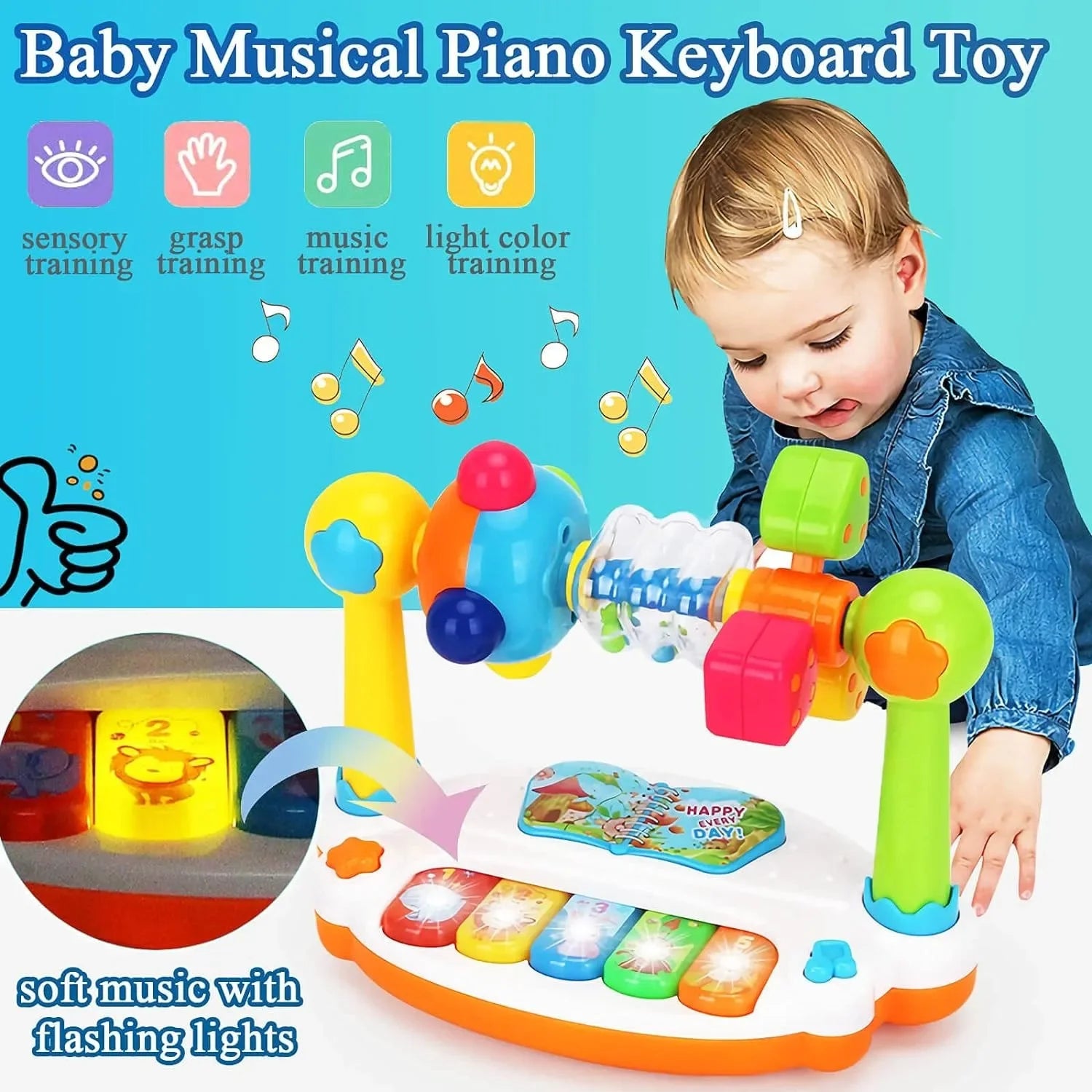
Early childhood development toys that build curiosity and confidence 💡 See it in action
Music Toys and Learning to Play Piano by Ear
Music-based educational toys for 6 year olds improve listening skills, memory, and emotional expression. Toys that introduce learning to play piano by ear allow kids to explore sound patterns naturally, without pressure to read music first.
Simple keyboards and musical toys encourage experimentation. Children learn rhythm, pitch, and coordination while building confidence through self-guided discovery. This approach mirrors how language is learned—by listening first.
Music toys fit well alongside learning resources found in Baby Growth & Learning, where play and development work together.
Motor Skills Development Toys That Build Coordination
Motor skills development toys help children refine balance, hand-eye coordination, and fine motor control. At age six, these skills directly support writing, sports, and everyday independence.
- Building and stacking toys strengthen finger control
- Movement-based games improve balance and spatial awareness
- Hands-on tools support bilateral coordination
- Active play reduces restlessness and improves focus
Options from Mobility & Training help children stay active while learning through movement rather than instruction.
Side-by-Side Comparison: Which Toys Fit Which Kids?
| Toy Type | Best For | Main Skills Built | Potential Drawbacks |
|---|---|---|---|
| STEM Building Sets | Logical thinkers | Problem-solving, patience | May frustrate kids who prefer free play |
| Music Keyboards | Creative learners | Listening, rhythm, coordination | Needs space and supervision |
| Sensory Play Toys | Active explorers | Focus, regulation, curiosity | Can be messy |
| Motor Skills Games | Hands-on learners | Balance, fine motor control | Requires open play area |
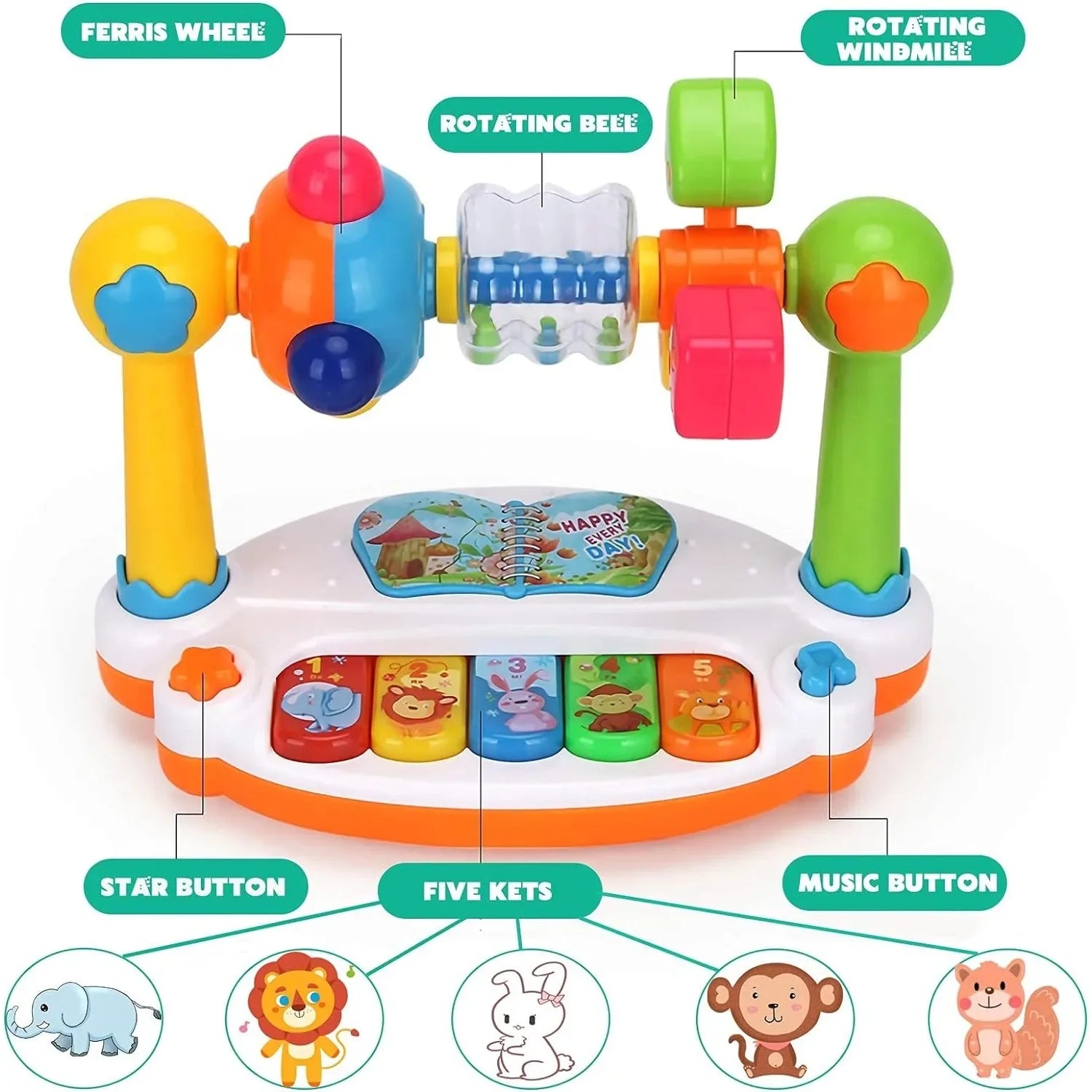
Motor skills development toys that turn movement into learning 💡 See it in action
What Parents Notice After 30 Days of the Right Toys
Parents often report noticeable changes after introducing well-chosen educational toys for 6 year olds. Children show longer attention spans, improved confidence, and greater independence during playtime.
- Less reliance on screens for entertainment
- More creative problem-solving during free play
- Improved coordination and dexterity
- Stronger interest in learning-related activities
Many families also find that rotating toys from trusted collections like Baby Growth & Learning Tips helps maintain novelty without constant new purchases.
Frequently Asked Questions
Are educational toys for 6 year olds better than digital learning games?
Educational toys for 6 year olds provide physical interaction that digital games cannot. Hands-on play supports motor development, spatial awareness, and emotional regulation, making learning more engaging and memorable.
How many educational toys should a 6-year-old have?
Quality matters more than quantity. A small selection of versatile early childhood development toys encourages deeper engagement and reduces overwhelm, allowing kids to explore each toy fully.
Can music toys really help with learning to play piano by ear?
Yes. Music toys that emphasize sound exploration help children recognize patterns and pitch naturally. This supports learning to play piano by ear by strengthening listening skills before formal instruction.
Related Guide: Educational Toys for 2 Year Olds: Top Picks and Comparisons





