

Top Water Play Activities for Preschoolers Reviewed
⏱ 7 min read
What are the best water play activities for preschoolers?
Water play activities for preschoolers encourage creativity, sensory exploration, early problem-solving, and skill development through hands-on fun. The best options include sensory bins, simple science experiments, pouring games, outdoor water challenges, and creative activities that allow children to explore how water moves, changes, and interacts with different materials.
Water play for preschoolers is a simple way to turn everyday moments into meaningful learning experiences. Whether your child is exploring an indoor water bin, experimenting with floating objects, or creating outdoor water art, these activities support independence while keeping curious minds engaged.
Quick activity finder by age and setting
| Activity Type | Best Setting | Skills Developed |
|---|---|---|
| Sensory water play | Indoor bins or bathtub setups | Language, focus, sensory exploration |
| Water STEM experiments | Indoor or outdoor play areas | Prediction, science thinking, problem-solving |
| Pouring and transferring games | Small water stations | Fine motor control and coordination |
| Outdoor water games | Backyard or playground | Gross motor skills and teamwork |
Ever notice how focused your child becomes while pouring, scooping, or watching water flow? That natural curiosity is what makes preschool water play so effective. Below, we review the most engaging options to help you choose activities that fit your space, schedule, and child’s interests.
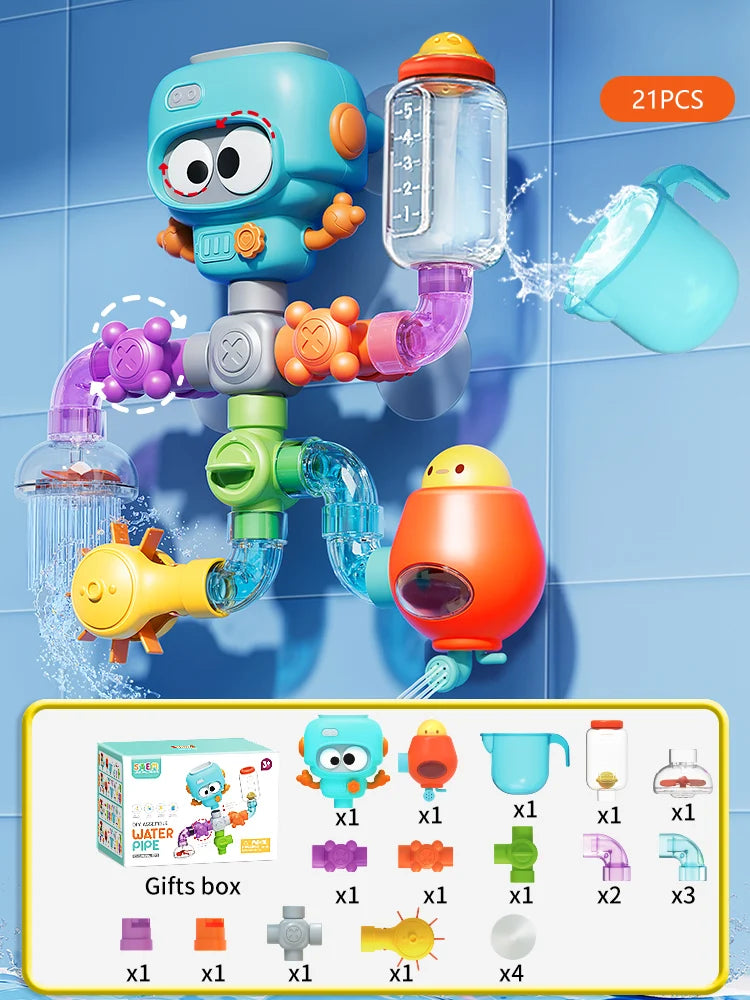
Water play activities for preschoolers that mix fun and learning See it in action
Why Water Play Matters for Preschoolers
Water activities for preschoolers support multiple areas of development at the same time. Simple actions like scooping, pouring, mixing, and moving water strengthen physical skills while introducing early science, math, and communication concepts.
Developmental skills supported through water play
- Fine motor development: Pouring, squeezing, and transferring water improve hand strength and coordination.
- Sensory exploration: Different textures, temperatures, and water movements help children understand their environment.
- Early math and science: Measuring cups, sorting objects, and observing changes introduce important concepts.
- Language and social skills: Talking about predictions, describing actions, and playing together build communication.
Preschool water activities are especially valuable because children learn through discovery rather than memorization. A simple water activity for preschoolers can become an opportunity to practice patience, observation, and creative thinking.
How to Plan Safe and Successful Preschool Water Play
Successful preschool water play activities do not require complicated equipment. A thoughtful setup with safe materials, appropriate supervision, and easy cleanup can create hours of meaningful exploration.
Recommended materials
- Plastic containers, cups, and measuring tools
- Funnels, scoops, and child-safe strainers
- Water-safe toys and natural objects
- Towels, mats, and storage containers for cleanup
Indoor vs. outdoor setup
Indoor water activities for preschoolers work best with smaller amounts of water using bins, trays, or contained play areas. Outdoor setups allow bigger activities like water races, obstacle courses, and splash experiments with easier cleanup.
Age recommendations
Most preschoolers between ages 3 and 5 enjoy activities that involve pouring, experimenting, pretending, and creating. Choose tools that match your child’s confidence level and always adjust activities based on supervision needs.
Essential safety rules
- Always provide active adult supervision around water.
- Use shallow water levels appropriate for the activity.
- Remove slippery surfaces and tripping hazards.
- Clean and dry materials after use.
Families looking for more hands-on learning ideas can explore Baby Growth & Learning and Sensory Toys for additional play inspiration.
Sensory Water Play Activities
Water play ideas for preschoolers are especially effective when they engage multiple senses. Sensory water play encourages children to explore textures, colors, movement, and cause-and-effect relationships while developing focus and vocabulary.
Easy sensory bin ideas
- Add cups and scoops for pouring practice.
- Mix safe colors to explore color changes.
- Create themed bins with floating objects or natural materials.
- Use different tools to compare how water moves.
Calming indoor water play
Indoor water activities for preschoolers can create a peaceful play routine when children need a quieter activity. Slow pouring, gentle stirring, and describing what they see can help children practice attention and communication.
Many caregivers combine sensory play activities for preschoolers with predictable routines to encourage independence and confidence.
Water STEM Activities for Preschoolers
Preschool water play naturally introduces science concepts through experimentation. Water STEM activities encourage children to ask questions, test ideas, and observe results.
Floating and sinking
Give children safe objects and ask them to predict whether each item will float or sink. This simple experiment builds observation skills and introduces early physics concepts.
Simple science experiments
- Create water flow paths using tubes or containers.
- Compare how different objects move through water.
- Measure how much water different containers hold.
- Change variables and observe results.
These preschool STEM activities help children understand cause and effect while making learning feel like play.
Fine Motor Water Play Activities
Water play with preschoolers is an excellent way to strengthen small hand muscles needed for everyday skills like writing, dressing, and using tools.
Pouring and transferring
- Move water between cups using different-sized containers.
- Practice filling bottles or small pitchers.
- Use spoons or droppers for controlled transfers.
Squeezing and spraying
- Use sponges to absorb and release water.
- Practice with spray bottles during outdoor play.
- Create simple cleaning games that build practical skills.
These water play activities for preschool improve coordination, hand strength, and confidence through repeated practice.
Literacy and Math Water Activities
Preschool activities with water can also support early academic skills. Adding letters, numbers, and sorting challenges transforms simple play into a learning opportunity.
Alphabet water games
- Find floating letters and name each one.
- Match letters to simple words.
- Create vocabulary games using themed objects.
Counting and sorting
- Count floating toys or scoops of water.
- Sort objects by size, color, or shape.
- Create simple patterns with water-safe items.
These activities help children practice counting, recognition, and communication naturally during play.
Creative Water Art and Outdoor Games
Water play ideas preschool activities can extend beyond containers and experiments. Creative water games encourage imagination, movement, and teamwork.
Painting with water
Children can use paintbrushes and plain water to “paint” sidewalks, fences, or outdoor surfaces. This mess-free activity encourages creativity while introducing evaporation concepts.
Obstacle and relay games
- Carry water from one container to another.
- Create splash-free balance challenges.
- Work together to complete water transfer games.
Outdoor activities for preschoolers that include water are especially engaging during warm weather because they combine movement, creativity, and cooperative play.
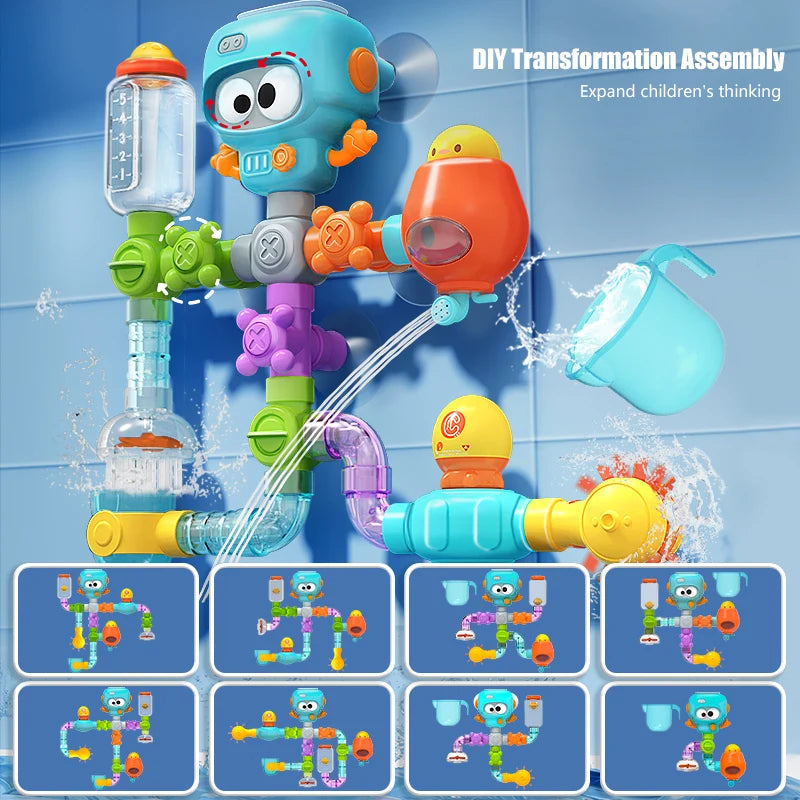
Water STEM projects that turn splashes into discovery See it in action
Safety Tips for Confident Water Play
Safe water play activities for preschoolers require preparation, supervision, and age-appropriate choices. A well-planned setup allows children to explore confidently while reducing common risks.
Common mistakes to avoid
- Leaving children unattended, even with small amounts of water.
- Using toys with difficult-to-clean parts that trap moisture.
- Creating slippery play areas without protective mats.
- Ignoring weather conditions during outdoor activities.
Accessibility and inclusion tips
- Adjust tools and containers for different abilities.
- Provide seated options for children who need extra support.
- Use larger, easy-grip materials when needed.
- Encourage participation at each child’s comfort level.
For outdoor play, remember sun protection, hydration, and regular breaks. Many parents also explore trusted solutions from Health & Safety to maintain secure daily routines.
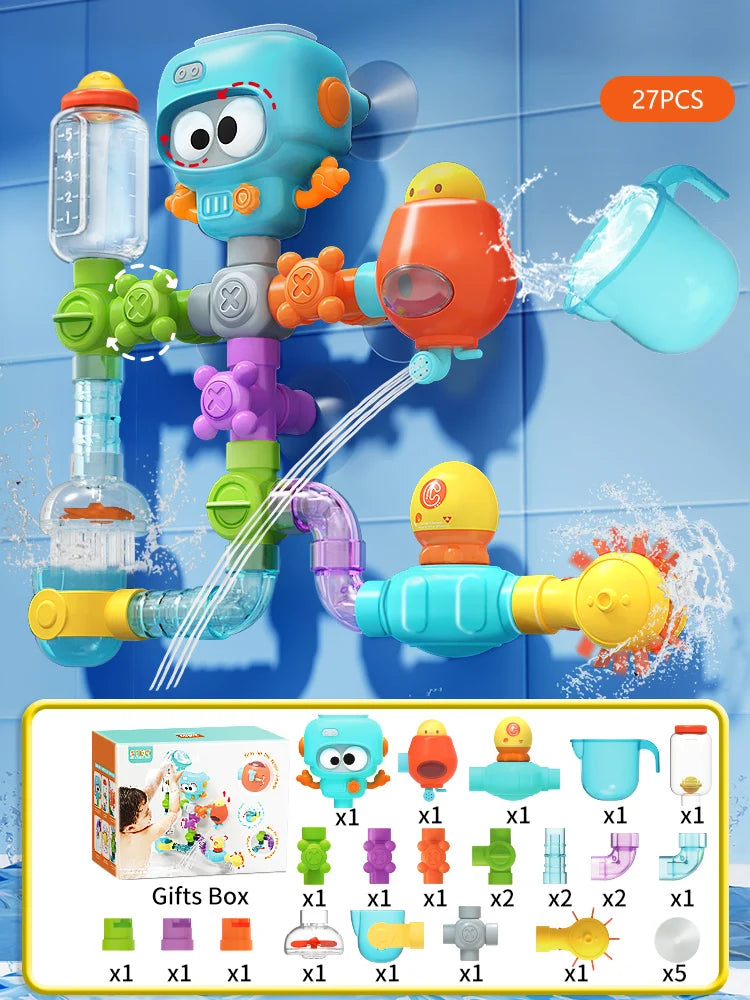
Safe water play ideas that support happy preschool learning See it in action
Frequently Asked Questions
What age are water play activities appropriate for preschoolers?
Water play activities are generally suitable for preschoolers ages 3 to 5 when activities are adapted to the child’s abilities and supervised by an adult.
What materials do I need for preschool water play activities?
Simple materials like cups, scoops, containers, funnels, measuring tools, and water-safe toys are enough to create engaging preschool water activities.
What are the best indoor water activities for preschoolers?
The best indoor water activities for preschoolers include sensory bins, pouring stations, color mixing, floating experiments, and small water transfer games that are easy to contain and clean.
How can I make water play educational?
You can make water play educational by adding counting, sorting, prediction questions, vocabulary practice, and simple science experiments that encourage children to think and explain.
How do I keep preschool water play safe outdoors?
Use shallow water, provide active supervision, protect children from excessive sun exposure, remove slipping hazards, and clean materials after each session.
How long should preschool water play sessions last?
Many children enjoy water play for 15–30 minutes, but the ideal length depends on the activity, the child’s interest, and the level of engagement.
Related Guide: Water Play Ideas for Preschoolers: Top Sets Compared





