

Does toys and water play really help toddlers learn?
Toys and water play support early learning by combining movement, curiosity, and sensory feedback in one simple activity. When children pour, squeeze, or connect water toys, they explore cause and effect, practice coordination, and build confidence. Thoughtful toys and water choices can strengthen motor skills while keeping play calm and enjoyable.
Toys and Water: Matching Fun to Learning Goals
⏱ 8 min read
Toys and water play can do far more than keep little hands busy; they can shape how children think, move, and solve problems. When chosen with intention, interactive toys for 2 year olds and bathtub toys for 3 year olds turn everyday splashing into meaningful learning moments. From early problem-solving to motor skill development toys that quietly strengthen coordination, the right picks help children grow while they play.
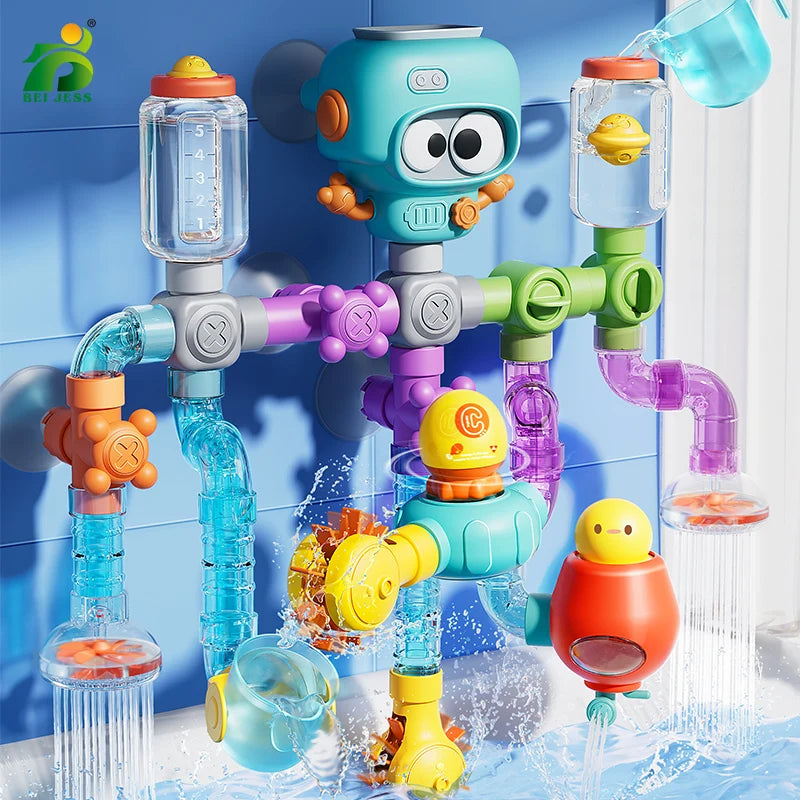
Toys and water turn everyday routines into interactive learning moments 💡 See it in action
Why Toys and Water Matter for Early Development
Toys and water naturally invite exploration. Water moves, splashes, and responds instantly, which helps toddlers understand cause and effect without instructions. When a child pours water from one cup to another or watches it flow through tubes, they are learning how actions lead to outcomes.
This type of play also supports emotional regulation. Many parents notice bath time becomes calmer when children have engaging bathtub toys for 3 year olds that keep their focus. The repetitive motion of scooping and pouring can be soothing after a busy day.
- Encourages curiosity without pressure
- Supports early problem-solving skills
- Helps children stay engaged longer
- Builds comfort with daily routines
Which water activities spark your child’s curiosity most? Read on to see how different toys match different learning goals.
Matching Learning Goals by Age
Interactive Toys for 2 Year Olds: Exploring Cause and Effect
At two years old, children are driven by discovery. Interactive toys for 2 year olds work best when they respond clearly to simple actions. Water toys with spinners, funnels, or squeeze features show immediate results, helping toddlers connect movement with outcome.
Parents often find that these toys reduce frustration. Instead of complex instructions, the toy “teaches” through feedback. A gentle squeeze sends water spraying, or a wheel spins faster when water flows.
Bathtub Toys for 3 Year Olds: Encouraging Imagination and Control
By age three, children begin using imagination during play. Bathtub toys for 3 year olds that connect, stack, or rearrange allow kids to create their own systems. They might pretend water pipes are roads or waterfalls, blending storytelling with hands-on learning.
This stage is also ideal for practicing independence. Children can set up parts themselves, building confidence while improving coordination.
How Toys and Water Support Motor Skill Development
Toys and water are especially effective motor skill development toys because they combine resistance, movement, and sensory feedback. Pouring water requires controlled wrist movement, while attaching pieces strengthens hand muscles.
Fine Motor Skills Built Through Water Play
Fine motor skills involve small movements of the hands and fingers. Water toys that require squeezing, twisting, or aligning parts help toddlers practice precision without realizing it feels like practice.
- Squeezing bulbs improves finger strength
- Connecting tubes supports hand-eye coordination
- Pouring water builds wrist control
- Adjusting pieces encourages problem-solving
Gross Motor Skills in a Safe Setting
Reaching, leaning, and standing during bath or water-table play supports larger muscle groups. Because water play happens in a contained space, parents often feel more comfortable letting children move freely.
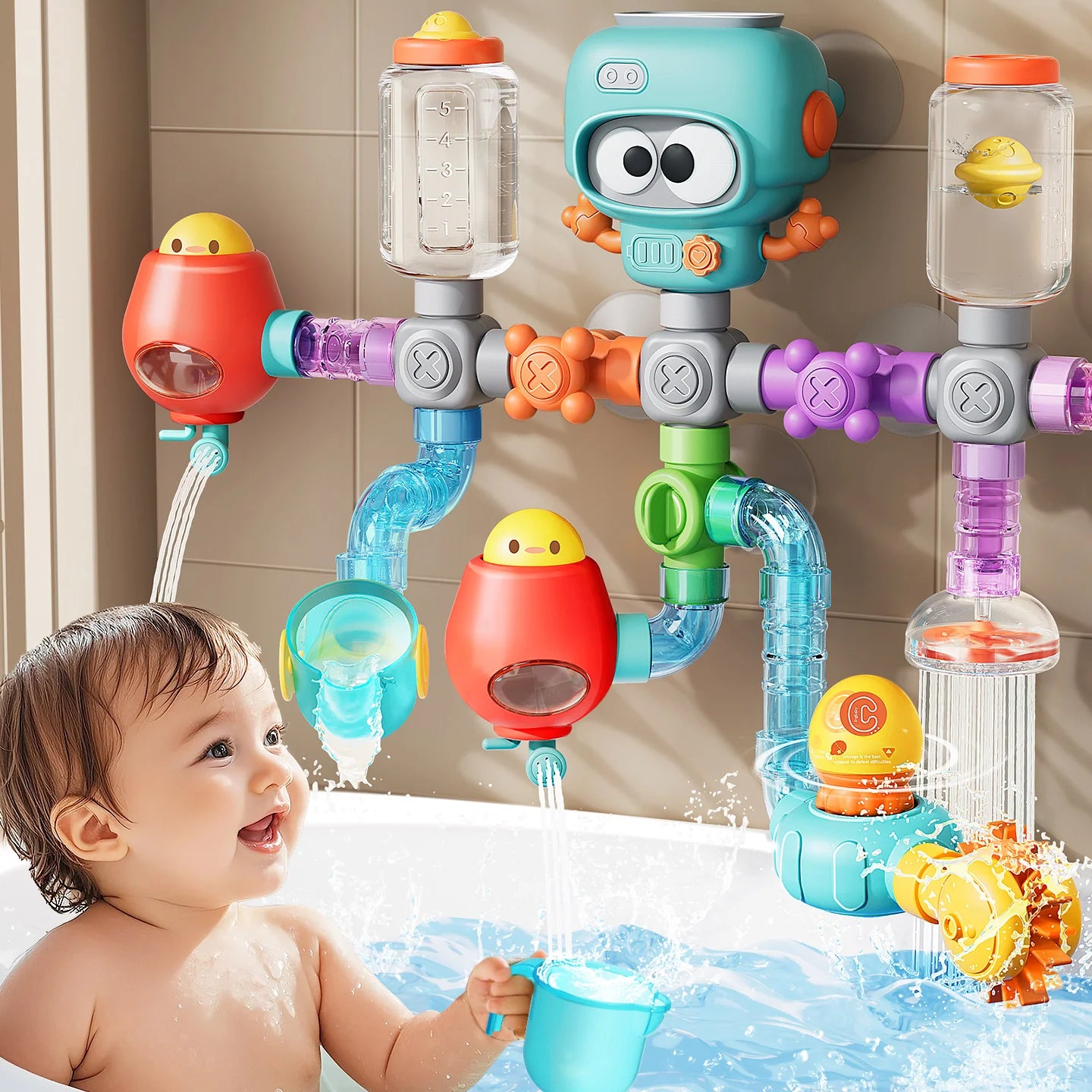
Motor skill development toys use toys and water to build coordination 💡 See it in action
How to Choose Safe and Engaging Water Toys
Safety and simplicity matter most when selecting toys and water products. Look for smooth edges, secure suction cups, and materials designed for repeated water exposure.
- Easy-to-clean designs reduce mold concerns
- Secure attachments prevent slipping
- Flexible layouts grow with your child
- Open-ended play keeps toys useful longer
Many families pair water toys with items from Baby Bath Accessories to create a comfortable, organized bath space that supports relaxed play.
A Flexible Water Toy That Grows With Your Child
Toys and water work best when they adapt to different stages. Modular water pipe toys allow children to rearrange pieces as skills grow, keeping interest high over time.
One popular option is the DIY water pipe bath toy, designed to support interactive play from toddlerhood through preschool years. Parents appreciate how it transitions from simple pouring play to creative construction.
| Feature | Benefit |
|---|---|
| Modular pieces | Supports creativity and problem-solving |
| Strong suction cups | Keeps play stable and safe |
| Open-ended design | Grows with learning goals |
What Parents Notice After Adding Water Play
Many parents report that toys and water reduce resistance to bath time. Instead of rushing through routines, children stay engaged longer, giving caregivers a calmer experience.
One parent shared that their two-year-old began naming colors and counting pieces while assembling water tubes. Another noticed improved hand control after just a few weeks of consistent water play.
Pairing water toys with learning-focused options from Baby Growth & Learning can help parents feel confident they are supporting development without adding pressure.
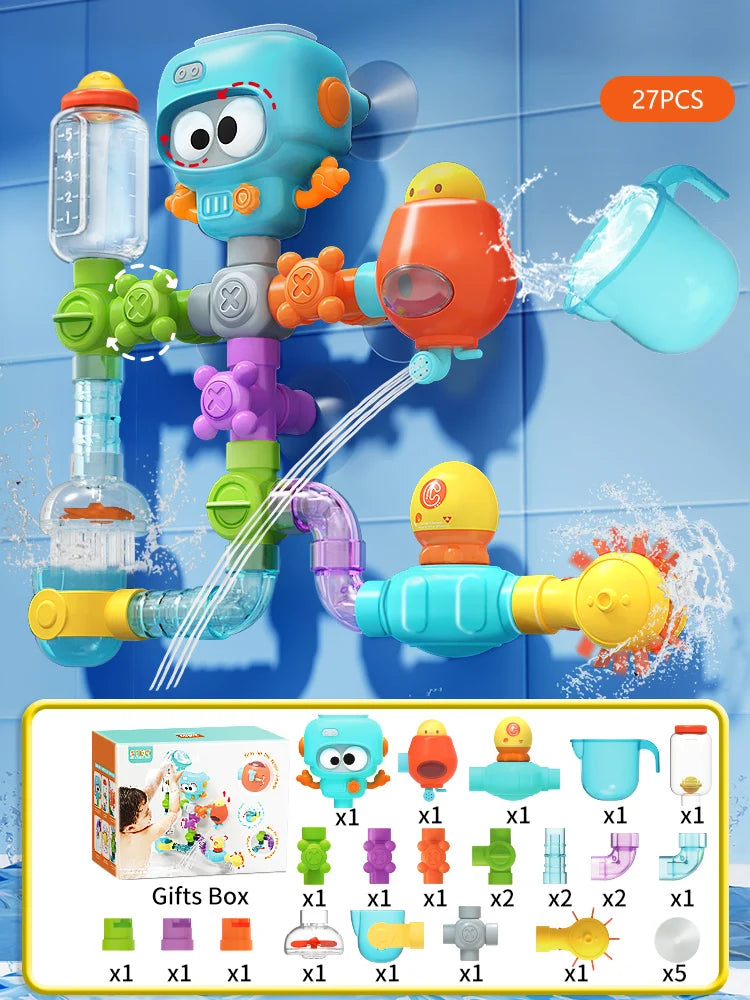
Bathtub toys for 3 year olds make toys and water even more engaging 💡 See it in action
Frequently Asked Questions
Are toys and water suitable for daily play?
Yes. Short, supervised water play sessions can fit easily into daily routines and support consistent learning.
What age benefits most from water play?
Toddlers ages two to four benefit greatly, especially when toys match their developmental stage.
How do I keep water toys clean?
Choose designs that drain fully and rinse after use. Allowing toys to air-dry helps maintain hygiene.





