

Toys for 2 Year Olds Learning How to Play With Purpose
Do toys for 2 year olds learning really help toddlers play with purpose?
Toys for 2 year olds learning support early thinking, movement, and independence by turning everyday play into skill-building moments. The best interactive toys for 2 year olds encourage hands on play, strengthen motor skills development, and help toddlers focus, explore cause-and-effect, and gain confidence through repetition.
Toys for 2 Year Olds Learning How to Play With Purpose
⏱ 7 min read
Toys for 2 year olds learning aren’t just about keeping little hands busy. At this age, play shapes how toddlers understand the world, solve problems, and build confidence. Many parents feel overwhelmed by toy choices and wonder which ones actually help learning without overstimulation. This guide shows how purposeful toys support growth, step by step.
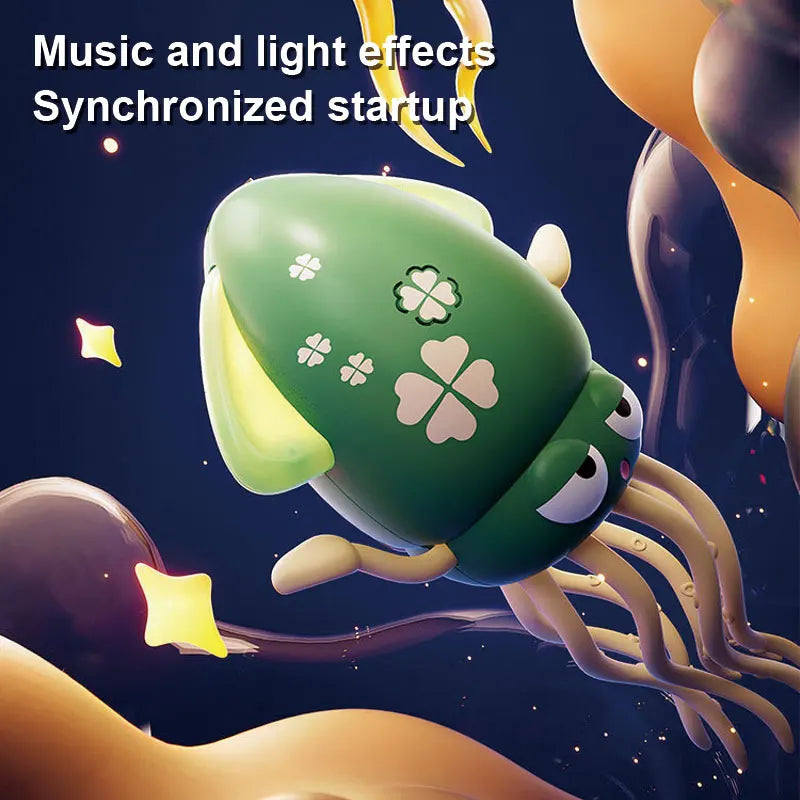
Interactive toys for 2 year olds encourage hands on play and focused exploration 💡 See it in action
Why Purposeful Play Matters at Age Two
Age two is a turning point. Toddlers move from random play to intentional exploration. They want to push, pull, stack, repeat, and test boundaries. Purposeful toddler play helps them:
- Understand cause and effect
- Build patience and attention span
- Practice coordination and balance
- Gain confidence through small wins
When toys are designed with learning in mind, playtime becomes calmer and more meaningful for both parent and child.
What Makes Toys for 2 Year Olds Learning Effective?
Toys for 2 year olds learning work best when they invite action, repetition, and discovery. Instead of flashing lights or loud buttons, effective toys respond to what a child does.
Direct answer: Toys for 2 year olds learning should be simple, interactive, and open-ended. They work best when toddlers can control the outcome through movement, touch, or sound, helping build motor skills development and problem-solving through hands on play.
Key features parents should look for
- Clear cause-and-effect responses
- Safe, durable materials
- Opportunities for movement and repetition
- Room for imagination, not fixed outcomes
Collections like Baby Growth & Learning focus on toys that grow with your toddler instead of being outgrown in weeks.
How Interactive Toys Support Daily Learning
Interactive toys for 2 year olds encourage toddlers to stay engaged longer without frustration. When a toy responds to a clap, movement, or sound, children feel empowered.
Everyday skills interactive toys help develop
- Listening and responding
- Turn-taking and anticipation
- Body awareness and rhythm
- Early problem-solving
Parents often notice fewer meltdowns because the child feels in control of play. This is especially helpful during transitions like pre-nap or after daycare.
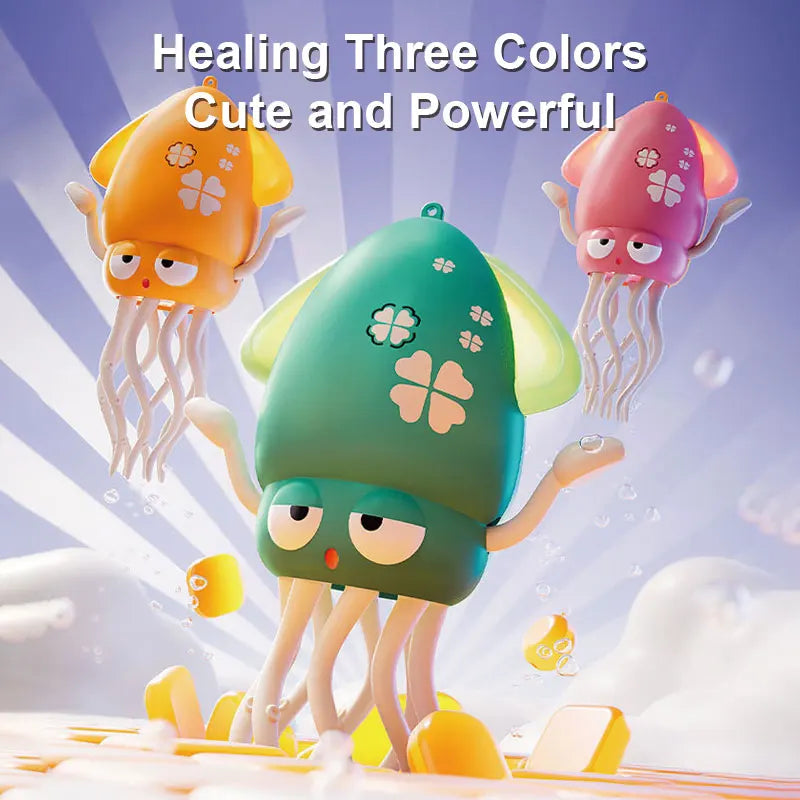
Motor skills development toys turn movement into meaningful learning 💡 See it in action
Building Motor Skills Through Hands On Play
Motor skills development toys help toddlers strengthen muscles they’ll use for walking, feeding, and drawing later. Hands on play is essential because toddlers learn through their bodies first.
How parents can guide play step by step
- Place the toy at floor level to encourage movement
- Let your toddler explore freely without correcting
- Name actions aloud: “You pushed it!”
- Repeat daily for short, focused sessions
Pairing active toys with calmer routines from Sleep & Comfort can help balance energy and rest throughout the day.
Simple Play Routines Parents Can Use
Parents don’t need complicated schedules. Purposeful play fits into real life.
- Morning: Movement-based play to burn energy
- Afternoon: Interactive toys for focus and calm
- Evening: Gentle routines before bedtime
Many families combine learning toys with sensory tools from Sensory Toys to support emotional regulation.
A Play Tool That Keeps Toddlers Engaged
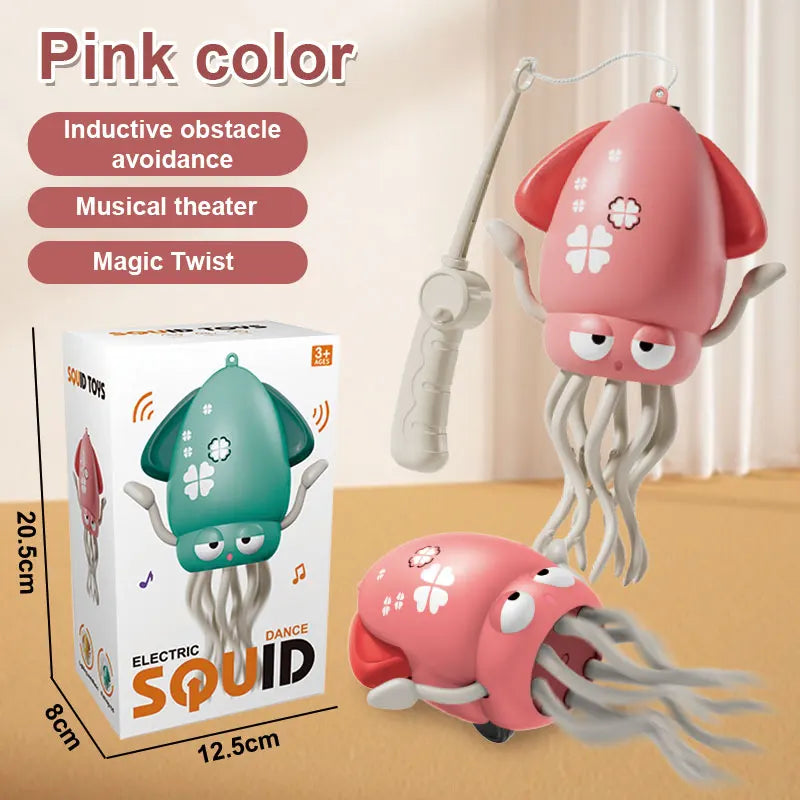
Some toys naturally invite repeated play without overstimulation. One example is a movement-based interactive toy that responds to sound and motion, encouraging toddlers to dance, crawl, and laugh.
Why parents like it: It supports hands on play, builds coordination, and keeps attention without screens.
- Encourages full-body movement
- Responds to claps and sounds
- Easy to use during short play sessions
👉 Explore this interactive play option for your toddler
Hands on play builds confidence and joy 💡 See it in action
Frequently Asked Questions
How long should a 2 year old play with learning toys?
Most toddlers benefit from 10–20 minute sessions. Short, focused play is more effective than long sessions and helps prevent overstimulation.
Are interactive toys better than traditional toys?
Both have value. Interactive toys support cause-and-effect learning, while traditional toys encourage imagination. A mix works best.
Can learning toys replace parent interaction?
No. Learning toys work best when parents occasionally join, model actions, and encourage exploration.





