

Toys That Develop Fine Motor Skills: Top 7 Picks
Do toys for fine motor skill development really work?
Toys for fine motor skill development help children strengthen finger control, hand-eye coordination, and focus through repeated, playful movement. When chosen well, a fine motor skill toy or structured activity like a hands on music class can improve grip strength, timing, and problem-solving within weeks of consistent play.
Toys for Fine Motor Skill Development: Which Ones Deliver Results
⏱ 7 min read
Toys for fine motor skill development can feel overwhelming—so many options promise smarter, stronger hands. Parents often wonder which fine motor skill toy actually builds control and which toys for developing fine motor skills are just distractions. From stacking games to a hands on music class, this guide compares what truly helps kids gain confidence and coordination.
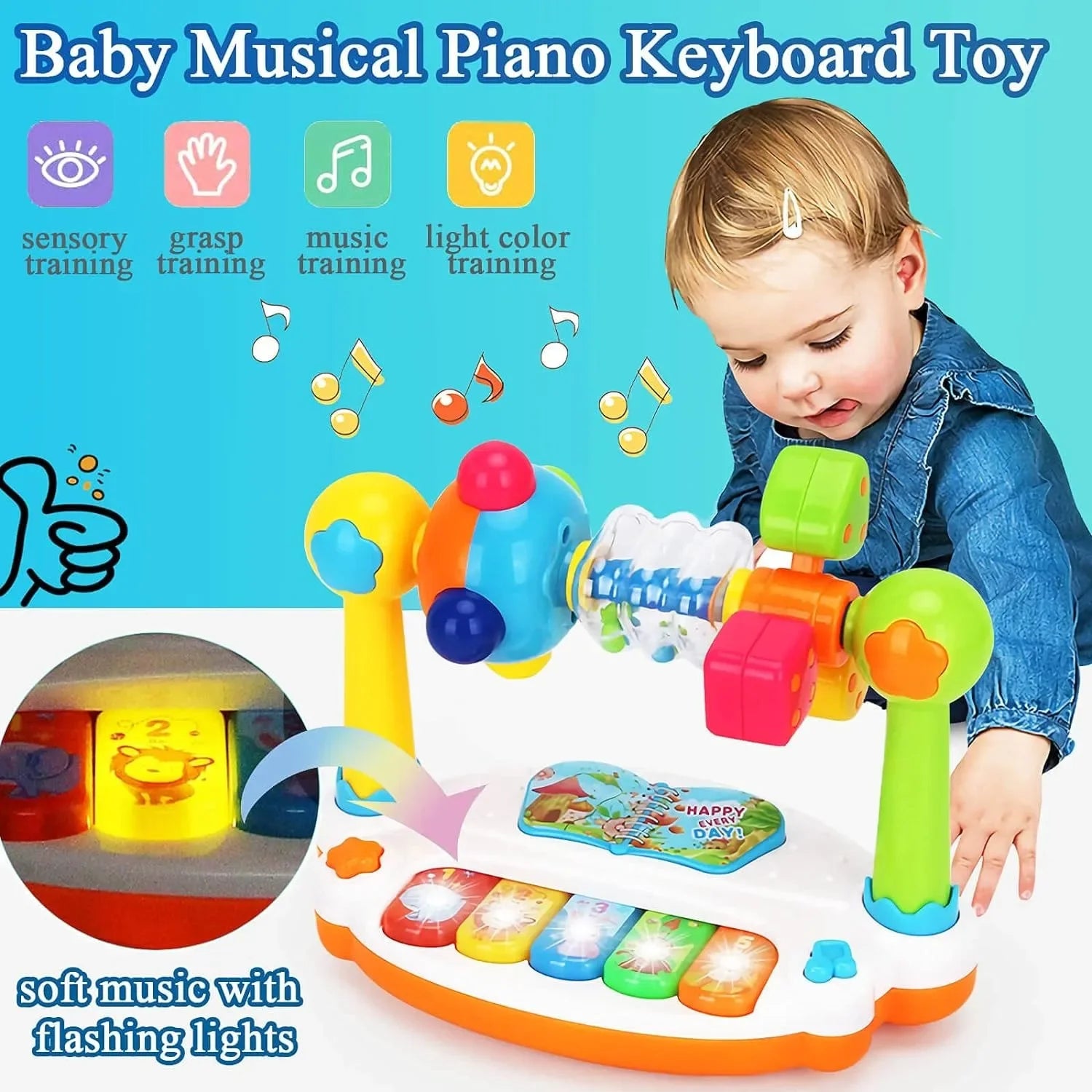
Fine motor skill toy play encourages grip, timing, and control 💡 See it in action
Why Fine Motor Skills Matter Early
Fine motor skills support everyday tasks like feeding, drawing, buttoning clothes, and later writing. Toys for fine motor skill development give children safe, repeatable ways to practice these movements. Early progress often leads to better independence and fewer frustrations during daily routines.
- Stronger finger and hand muscles
- Improved hand-eye coordination
- Longer attention span during play
- More confidence trying new tasks
Many families pair playtime with resources from Baby Growth & Learning to create balanced routines that mix learning and fun.
What Makes a Toy Effective for Skill Building?
Toys for fine motor skill development work best when they encourage active movement instead of passive watching. The most helpful fine motor skill toy designs require squeezing, pressing, stacking, or precise finger placement.
Key features that deliver results
- Resistance or feedback that strengthens grip
- Clear cause-and-effect actions
- Open-ended play that grows with the child
- Safe materials sized for small hands
Parents often combine toys with sensory options from Sensory Toys to keep kids engaged longer.
Which Toys for Fine Motor Skill Development Deliver Best Results?
Toys for fine motor skill development show the fastest results when they match a child’s age and interests. Below is a clear comparison to help parents decide.
| Toy Type | Best For | Pros | Limitations |
|---|---|---|---|
| Stacking & Sorting Sets | Toddlers learning grip | Builds coordination, problem-solving | May lose appeal quickly |
| Button & Lacing Boards | Preschool fine control | Improves precision and patience | Less engaging without guidance |
| Musical Keyboards | Timing and finger isolation | Combines sound with movement | Needs supervision |
Musical toys, especially keyboards, stand out because they mix rhythm with repeated finger motion. One popular option is the baby piano toy keyboard, which encourages pressing individual keys and exploring cause-and-effect through sound.
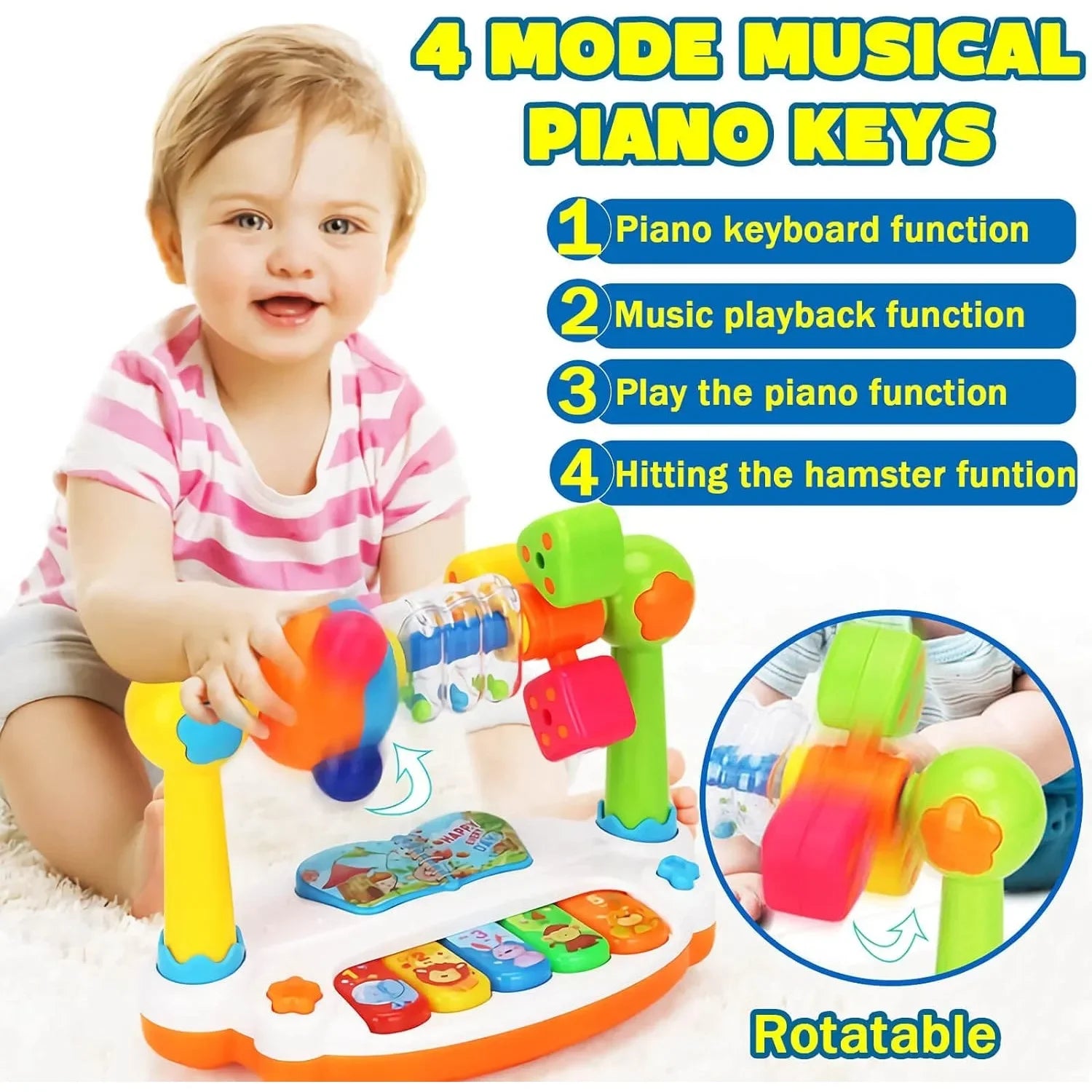
Toys for developing fine motor skills that blend sound and movement 🎶 See it in action
How a Hands On Music Class Builds Fine Motor Control
A hands on music class is more than entertainment. Playing simple instruments, tapping keys, or clapping rhythms helps children practice timing, finger isolation, and bilateral coordination.
Unlike passive toys, music activities require active listening and precise movement. Parents often notice better finger strength and smoother hand motions after consistent sessions.
- Pressing keys strengthens individual fingers
- Keeping rhythm improves timing
- Switching hands builds coordination
- Sound feedback boosts motivation
Many families balance music play with learning resources from Baby Growth & Learning Tips to reinforce skills at home.
How to Choose Toys That Fit Your Child
Choosing toys for fine motor skill development works best when parents focus on how a child plays, not just age labels.
- If your child loves sound, try musical toys or a hands on music class.
- If they enjoy puzzles, sorting and lacing boards may work better.
- For active toddlers, mix movement toys from Mobility & Training with hand-focused play.
Short, daily play sessions often lead to better results than long, occasional ones.
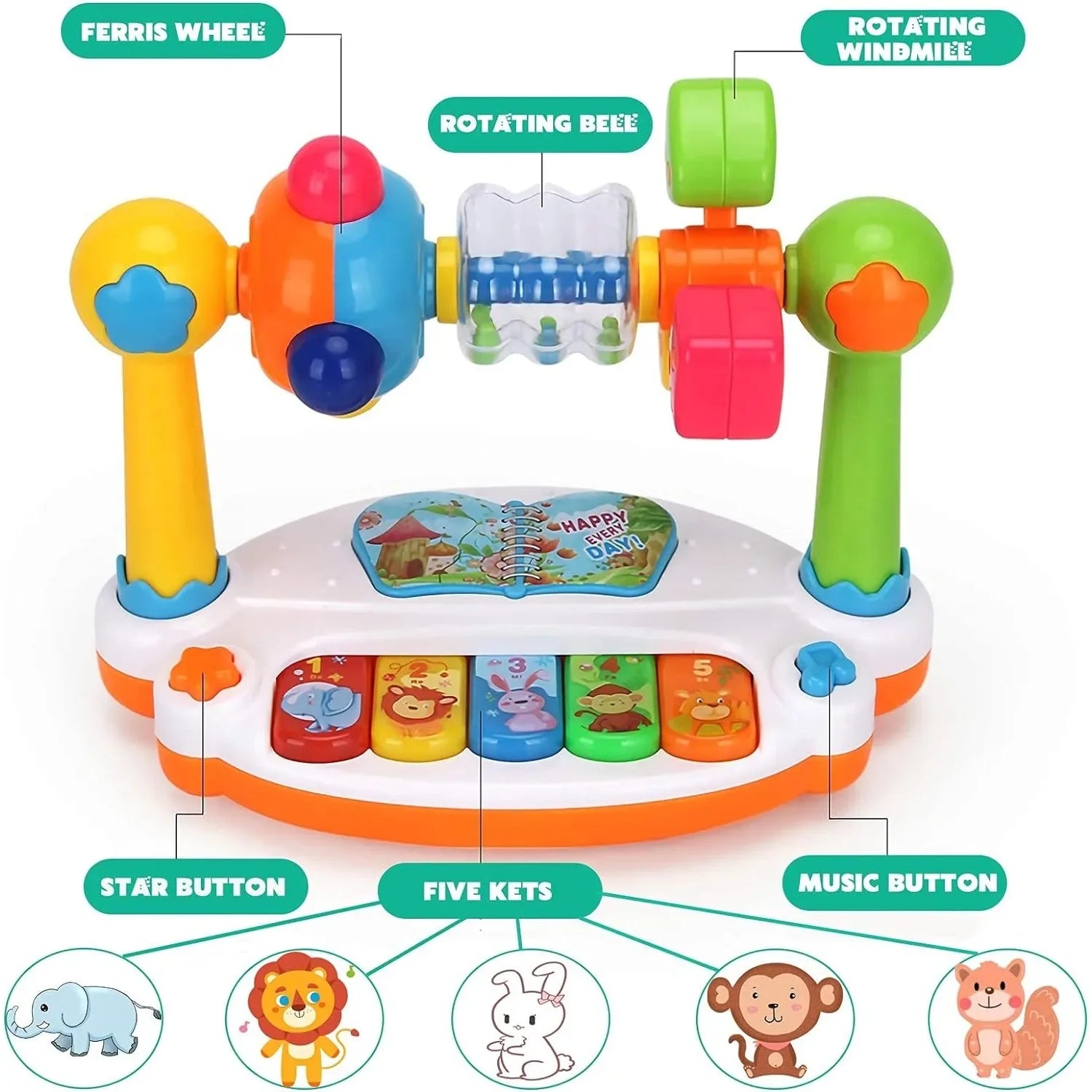
Fine motor skill toy routines that grow confidence 🧠 See it in action
What Parents Notice First
Parents often report small but meaningful changes within weeks: smoother spoon use, better grip on crayons, and longer independent play. One parent shared that after introducing a simple keyboard, their child began using individual fingers instead of a full-hand press.
These moments build confidence for both kids and caregivers, reinforcing the value of choosing the right toys for developing fine motor skills.
Quick FAQs
How often should kids use fine motor toys?
Short daily sessions of 10–15 minutes are usually enough to see progress without causing frustration.
Are musical toys better than traditional puzzles?
Both help. Musical toys add timing and rhythm, while puzzles emphasize precision and problem-solving.
Can a hands on music class replace toys?
Music classes complement toys well but work best alongside at-home play for consistent practice.
Related Guide: Educational Toys for 2 Year Olds: Top Picks and Comparisons





