

Emotional Development Toys for Infants: 5 Proven Picks
Do toys for social and emotional development really help kids build empathy and cooperation?
Toys for social and emotional development help children practice empathy, communication, and self-control through hands-on play. By using pretend play, shared rules, and turn-taking, kids learn to understand feelings, resolve conflicts, and cooperate naturally—skills that support healthier relationships and stronger confidence at home and school.
Toys for Social and Emotional Development: What Matters Most
⏱ 7 min read
Parents often wonder which toys truly help children grow beyond letters and numbers. Social confidence, empathy, and emotional balance don’t come from lectures—they grow through play. The right toys can turn everyday moments into lessons in sharing, communication, and understanding feelings. So what actually makes a toy effective for social and emotional growth?
Explore thoughtful options that support emotional growth through everyday play.
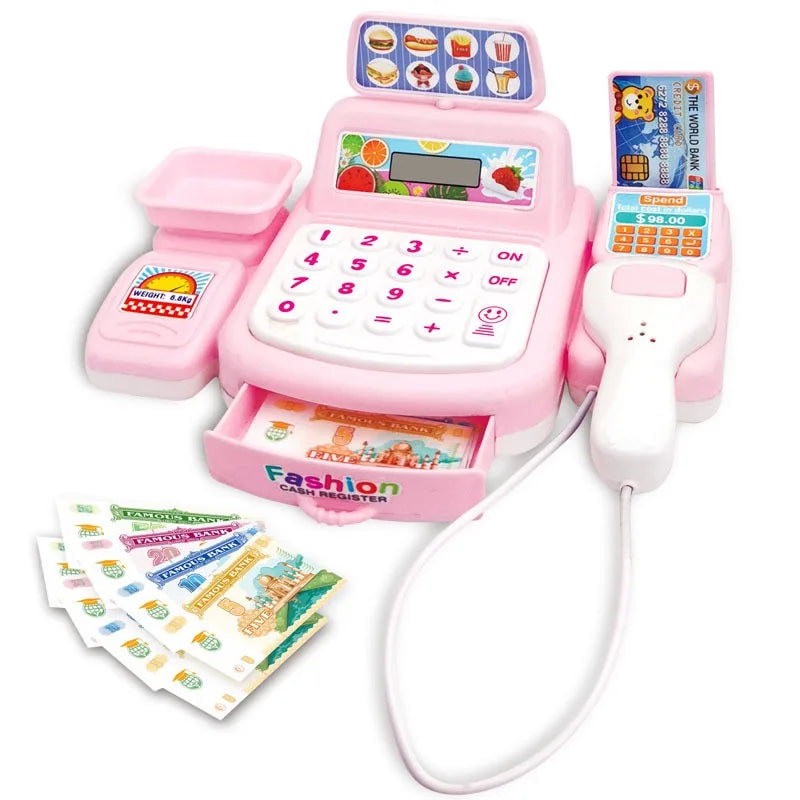
Toys for social and emotional development encourage pretend play in early childhood—💡 see it in action.
Why Social and Emotional Development Matters Early
Toys for social and emotional development shape how children understand themselves and others. Between ages two and seven, kids learn emotional cues, patience, and cooperation faster through play than instruction.
- Build empathy by recognizing others’ feelings
- Improve communication through role-based dialogue
- Practice self-regulation during shared play
- Develop confidence in group settings
These skills influence classroom readiness, friendships, and long-term resilience.
What Makes a Toy Effective for Social Growth?
Toys for social and emotional development work best when they invite interaction instead of passive use. Children learn more when they must respond, negotiate, and imagine together.
- Open-ended play with multiple outcomes
- Roles that encourage perspective-taking
- Simple rules that promote turn-taking
- Opportunities for cooperative problem-solving
These features keep children engaged longer while reinforcing positive behaviors.
How Pretend Play Builds Real-Life Skills
Pretend play in early childhood allows kids to explore emotions safely. Acting out roles like shopkeeper, parent, or customer helps them understand social expectations and emotional responses.
During pretend scenarios, children:
- Practice expressing needs and feelings
- Learn to listen and respond appropriately
- Resolve small conflicts through dialogue
- Gain confidence by leading play narratives
This kind of play supports empathy and cooperation more effectively than solo activities.
Learn step by step how interactive toys guide social learning naturally.
Interactive Games That Strengthen Family Bonds
Interactive games for family play encourage shared laughter, patience, and communication. When parents join in, children feel supported and modeled positive behavior.
Benefits of family-based interactive games include:
- Stronger parent-child communication
- Improved emotional security
- Healthy ways to handle winning and losing
- More meaningful screen-free time
These games turn routine evenings into opportunities for connection.
Why Cashier Toys Support Social and Emotional Growth
Toys for social and emotional development like cashier playsets combine pretend play with real-world interaction. Children role-play buyer and seller, practicing polite language, patience, and cooperation.
Cashier toys help children:
- Take turns and follow simple rules
- Communicate needs clearly
- Understand fairness and sharing
- Build confidence through role mastery
They also introduce early math skills naturally, reinforcing confidence through repetition.
Explore the Simulation Cashier Toy to see how pretend shopping supports social learning alongside practical skills.
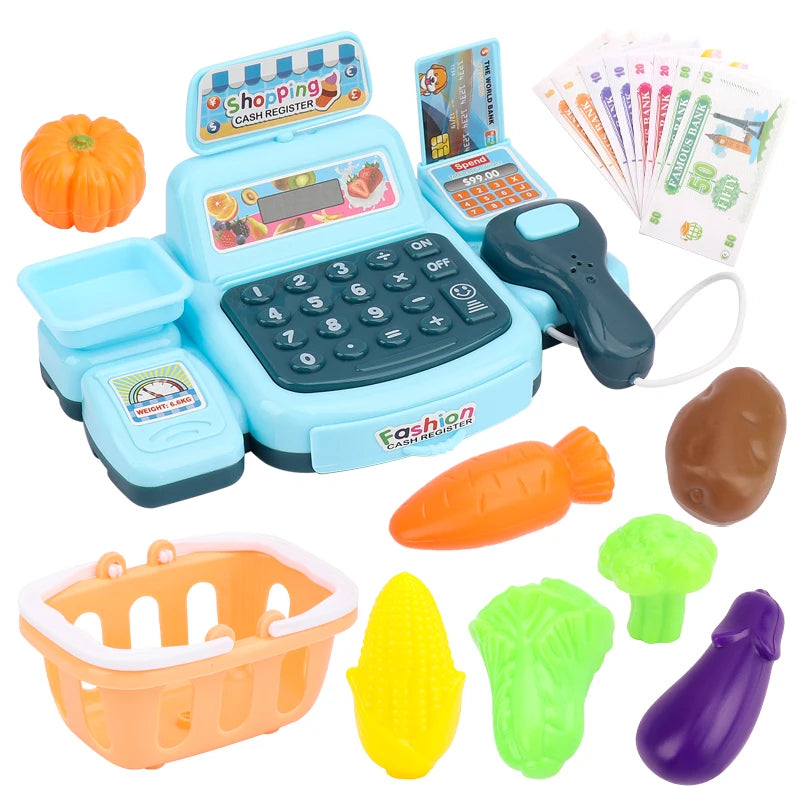
Pretend play in early childhood builds empathy and communication—💡 see it in action.
Comparing Popular Toy Types for Social Development
| Toy Type | Social Skills Supported | Best For |
|---|---|---|
| Pretend Play Sets | Empathy, communication, cooperation | Role-playing and imagination |
| Board & Family Games | Turn-taking, patience, teamwork | Group and family interaction |
| Sensory Toys | Emotional regulation, focus | Calming and self-awareness |
For children needing emotional balance and engagement, pairing pretend play with calming tools from Sensory Toys collections can enhance results.
How to Choose the Right Toy for Your Child
Choosing toys for social and emotional development depends on your child’s personality and stage.
- Look for toys that invite shared play
- Choose age-appropriate complexity
- Favor durable designs for repeated use
- Consider toys that grow with your child
Parents exploring broader learning support may also browse Baby Growth & Learning to find complementary tools.
Discover options that help children practice empathy and cooperation today.
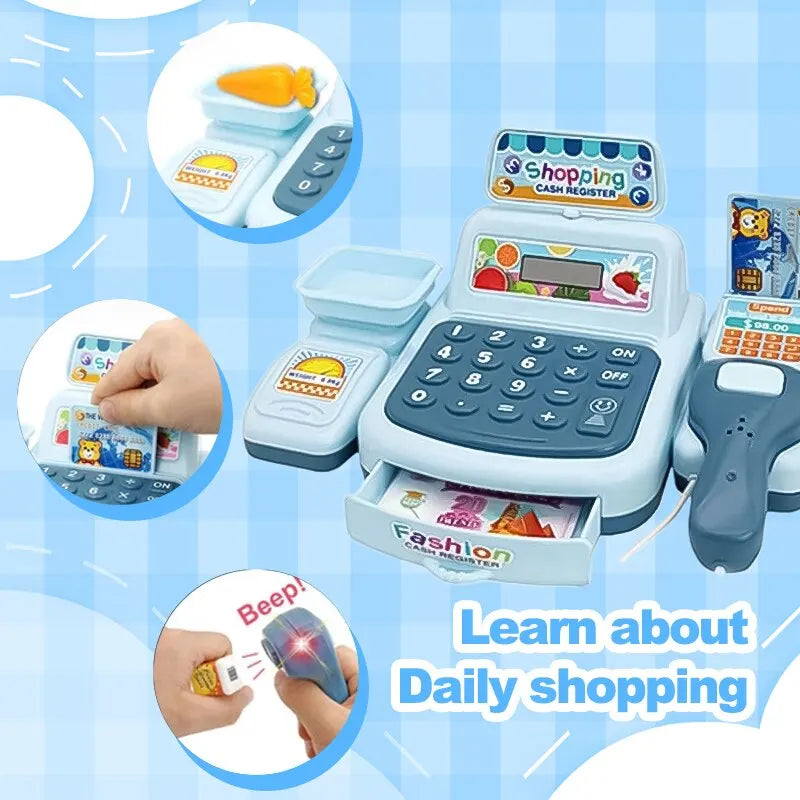
Interactive games for family play support connection and confidence—💡 see it in action.
Frequently Asked Questions
At what age should children start using social development toys?
Many toys for social and emotional development are suitable from age two, when children begin role-play and simple cooperation. The key is choosing toys that match attention span and motor skills.
Can these toys help shy or anxious children?
Yes. Pretend play and interactive games provide low-pressure ways to practice communication, helping shy children build confidence gradually.
How often should parents play along?
Joining a few times a week is enough to model positive interaction. Children benefit from both guided and independent social play.
Related Guide: Durable Plastic Kids Toys Built to Last Daily Play





