

Toys That Build Fine Motor Skills That Last
Do toys that build fine motor skills really work?
Toys that build fine motor skills strengthen the small muscles in a child’s hands and fingers through repeated grasping, pinching, stacking, and coordinating movements. High-quality dexterity toys can improve grip strength, hand–eye coordination, and pre-writing control within months when used consistently, especially during the preschool years.
Toys That Build Fine Motor Skills That Last
Toys that build fine motor skills do more than keep little hands busy—they shape focus, confidence, and lifelong coordination. From engaging dexterity toys to toys that help fine motor skills through playful repetition, the right choices strengthen grip, control, and precision. Discover how fine motor skills toys for preschoolers can quietly boost handwriting readiness and independence in everyday tasks. The real surprise? Small daily play habits can create lasting developmental gains—are you choosing the right ones?
⏱ 7 min read
Have you noticed your child struggling to button a shirt, hold a crayon, or use utensils smoothly? These small frustrations often trace back to underdeveloped hand muscles and coordination.
Which fine motor skills toys truly make a lasting difference? Let’s break it down step by step.
👉 Discover the safest toys for your baby and support confident, capable little hands.
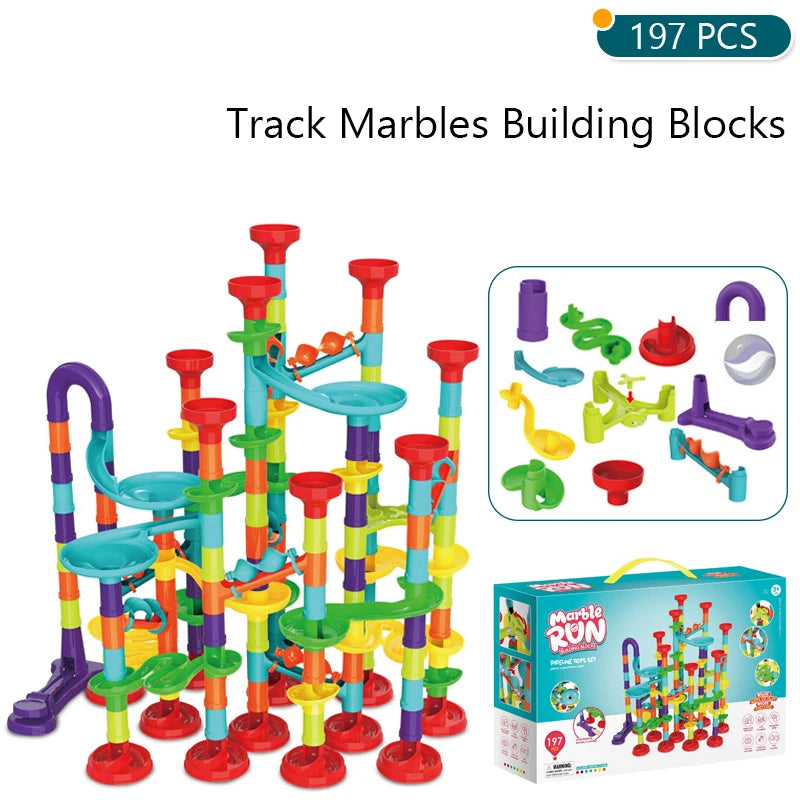
Toys that build fine motor skills and dexterity toys in action 💡 See it in action
Why Fine Motor Skills Matter for Lifelong Success
Fine motor control affects more than handwriting. It supports independence in daily routines—zipping jackets, brushing teeth, tying shoes, and even using learning tools.
- Stronger grip strength for pencil control
- Improved hand–eye coordination for sports and crafts
- Better focus through structured play
- Greater confidence in self-care tasks
Collections like Baby Growth & Learning and Sensory Toys often include play options designed to encourage this type of development.
What Makes Great Fine Motor Skills Toys for Preschoolers?
The best fine motor skills toys for preschoolers share specific design features that go beyond bright colors and noise.
1. Multi-Level Grip Challenges
Look for pieces that require pinching, twisting, stacking, and stabilizing. These varied motions build finger isolation and control.
2. Progressive Difficulty
Open-ended systems grow with your child. Simple builds today can become complex structures tomorrow.
3. Bilateral Coordination
Activities that require both hands working together improve coordination and brain integration.
4. Cause-and-Effect Feedback
Immediate visual results—like a marble racing down a track—reinforce effort and encourage repetition.
This is where thoughtfully designed dexterity toys outperform one-dimensional plastic gadgets.
How a Marble Run Building Set Builds Real Dexterity
Toys that build fine motor skills such as a marble run construction set strengthen grip, precision, and coordination through repeated stacking, aligning, and connecting pieces. Unlike passive toys, they demand controlled finger movements and problem-solving, helping preschoolers develop hand strength and spatial awareness together.
The Marble Run Building Blocks Set is a standout example of toys that build fine motor skills while also stimulating creativity.
Precision-Fit Connectors
Each piece requires careful alignment. Children practice steady hand placement and pressure control to ensure stable builds.
Vertical and Horizontal Assembly
Building upward strengthens wrist stability. Connecting sideways improves finger coordination and planning.
Visual Reward System
When the marble rolls smoothly, children see proof of their effort. If it stops, they adjust—refining motor accuracy.
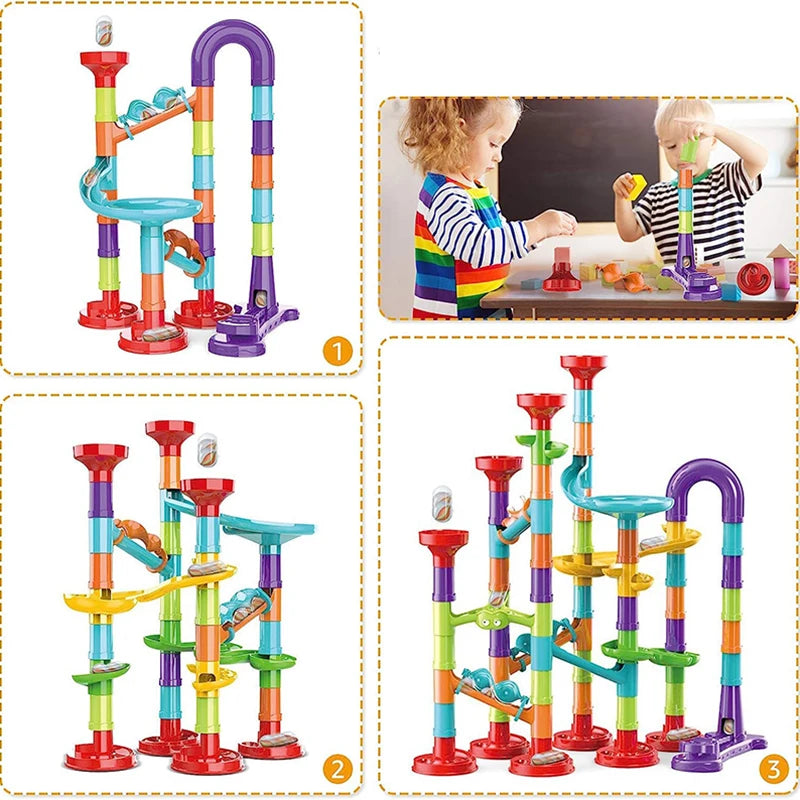
Fine motor skills toys for preschoolers that improve grip strength 💡 See it in action
👉 Learn step-by-step how to choose the right baby gear and support stronger hands today.
Comparison: Marble Run vs. Basic Plastic Toys
| Feature | Marble Run Building Set | Basic Light-Up Toy |
|---|---|---|
| Grip Strength Training | ✅ Repeated stacking & connecting | ❌ Minimal hand effort |
| Hand–Eye Coordination | ✅ Precise alignment required | ❌ Mostly button pressing |
| Problem-Solving | ✅ Spatial planning involved | ❌ Limited challenge |
| Longevity | ✅ Grows with child’s skill level | ❌ Quickly outgrown |
Compared to simple push-button toys, structured dexterity toys like the Marble Run Building Blocks Set offer layered developmental benefits.
For parents exploring more structured play, browse Mobility & Training and Baby Growth & Learning for complementary options.
How to Use Dexterity Toys for Faster Progress
- Start simple: Build small towers or straight runs to master alignment.
- Increase complexity: Add curves, height, and branching paths.
- Encourage independent fixes: Let your child troubleshoot collapses.
- Play consistently: 15–20 minutes daily builds muscle memory.
Consistency matters more than intensity. Short, focused play sessions create stronger long-term gains.
Real Parent Results and Everyday Wins
Parents report noticeable improvements within weeks:
- “My son’s pencil grip improved in two months.”
- “She buttons her coat independently now.”
- “Less frustration during craft time.”
When toys that help fine motor skills are engaging, children return to them voluntarily—leading to more practice without pressure.
Pair structured play with calming downtime from Sleep & Comfort or supportive tools from Health & Safety to create balanced routines.
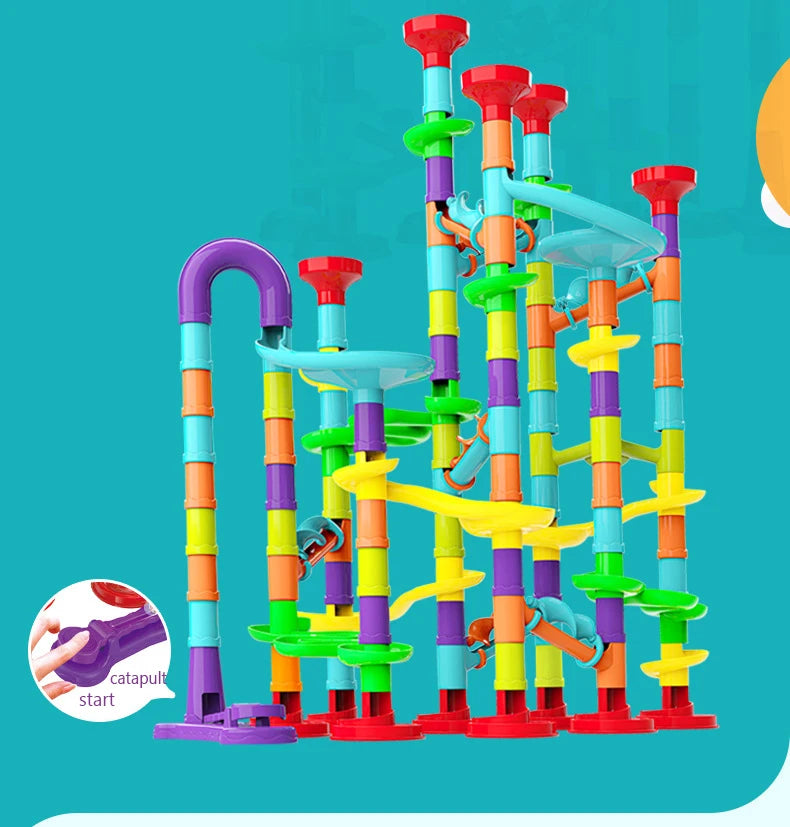
Dexterity toys and toys that build fine motor skills for lasting coordination 💡 See it in action
Pros and Considerations
- ✅ Durable, reusable components
- ✅ Encourages creativity and logic
- ✅ Supports hand–eye coordination
- ⚠ Requires supervision for younger toddlers due to small parts
👉 Get yours now — limited stock! Support stronger hands and smarter play today.
Mini FAQ
What age benefits most from fine motor skills toys for preschoolers?
Children ages 3–6 see the greatest gains because this is when hand muscles and coordination rapidly develop. However, supervised toddlers can also benefit from simple stacking activities.
How often should my child use dexterity toys?
Daily short sessions of 15–20 minutes are ideal. Consistency strengthens muscle memory and improves coordination over time.
Are marble run sets safe?
Yes, when used according to age guidelines and under supervision. Always store small pieces safely after play.
Can these toys improve handwriting?
Yes. By strengthening grip strength and finger control, toys that build fine motor skills support better pencil stability and letter formation readiness.
Choosing the right toys that build fine motor skills isn’t about entertainment alone—it’s about building confident, capable hands for life.
Related Guide: Educational Marble Run Building Kit Benefits





