

Toys That Promote Fine Motor Skills for Different Age Needs
What are toys that promote fine motor skills and how do they help children grow?
Toys that promote fine motor skills strengthen finger control, coordination, and independence by encouraging grasping, pinching, stacking, or aiming actions. These activities improve hand precision by up to 30% in early learners when practiced regularly, helping children build writing readiness, focus, and daily self-care confidence through structured play.
- Boosts grip strength and dexterity
- Encourages concentration and patience
- Supports early writing and self-care skills
- Builds independence through playful practice
Toys That Promote Fine Motor Skills for Different Age Needs
⏱ 8 min read — Every parent wants to see their child grow confident and capable, yet daily routines can feel rushed and messy. Toys that promote fine motor skills offer a simple path toward coordination and independence. By matching play tools to age, ability, and daily needs, families can turn ordinary moments into powerful developmental breakthroughs that support focus, creativity, and self-confidence.
Have you noticed small frustrations like dropped crayons, clumsy spoon use, or struggles with buttons? These tiny challenges often point to developing hand coordination. The right play choices can gently support progress while keeping your child happy and engaged.

Fine motor skill toys for preschoolers encouraging hand coordination 💡 See it in action
How Skill-Focused Play Builds Confidence and Independence
Toys that promote fine motor skills support daily abilities many families take for granted. Turning pages, tying shoes, or feeding themselves all rely on hand coordination. When play mirrors real-world tasks, children practice without pressure.
These experiences nurture patience and self-belief. Instead of correcting mistakes repeatedly, caregivers offer supportive environments where learning happens naturally through exploration.
Why hands-on play matters more than worksheets
- Engages multiple senses for stronger retention
- Develops muscle memory through repetition
- Encourages creativity and emotional resilience
- Transforms learning into joyful discovery
Combining tactile experiences with environments supported by Sensory Toys helps children stay engaged longer and reduces frustration during practice.
Choosing Toys by Development Stage for Faster Coordination Gains
Toys that promote fine motor skills deliver the best results when tailored to ability level. Age-appropriate design prevents overwhelm and builds confidence through achievable challenges.
Infants and toddlers
Grasping rattles or soft stacking shapes strengthen early hand muscles. Pairing playtime with calming routines supported by Sleep & Comfort tools helps maintain balanced energy levels.
Preschool learners
Fine motor skill toys for preschoolers should involve sorting, building, or aiming activities. These encourage planning and precision. Safe toys for preschoolers must include rounded edges and lightweight materials for comfort.
Early school age
Toys for motor skill development may incorporate structured challenges requiring strategy or controlled movements. These prepare children for handwriting and organized tasks.
Reducing Daily Parenting Stress with Engaging Skill-Building Activities
Parenting can feel overwhelming when routines become battles. Choosing toys that promote fine motor skills can turn chaotic moments into productive bonding time.
Consider everyday scenarios:
- Messy mealtime becomes practice using utensils
- Bath routines encourage grip and coordination
- Outdoor play builds precision and balance
- Quiet evenings support concentration
Enhancing routines with supportive environments from Baby Care Essentials or Health & Safety collections helps families maintain consistency and peace of mind.
How Target Practice Play Encourages Precision and Control
Toys that promote fine motor skills become especially engaging when they combine movement and focus. Activities involving aiming, holding steady, and coordinating vision with hand action offer memorable learning experiences.
One example is structured play using guided target practice tools like /products/kids-archery-set. Such experiences encourage children to slow down, align their posture, and practice control.
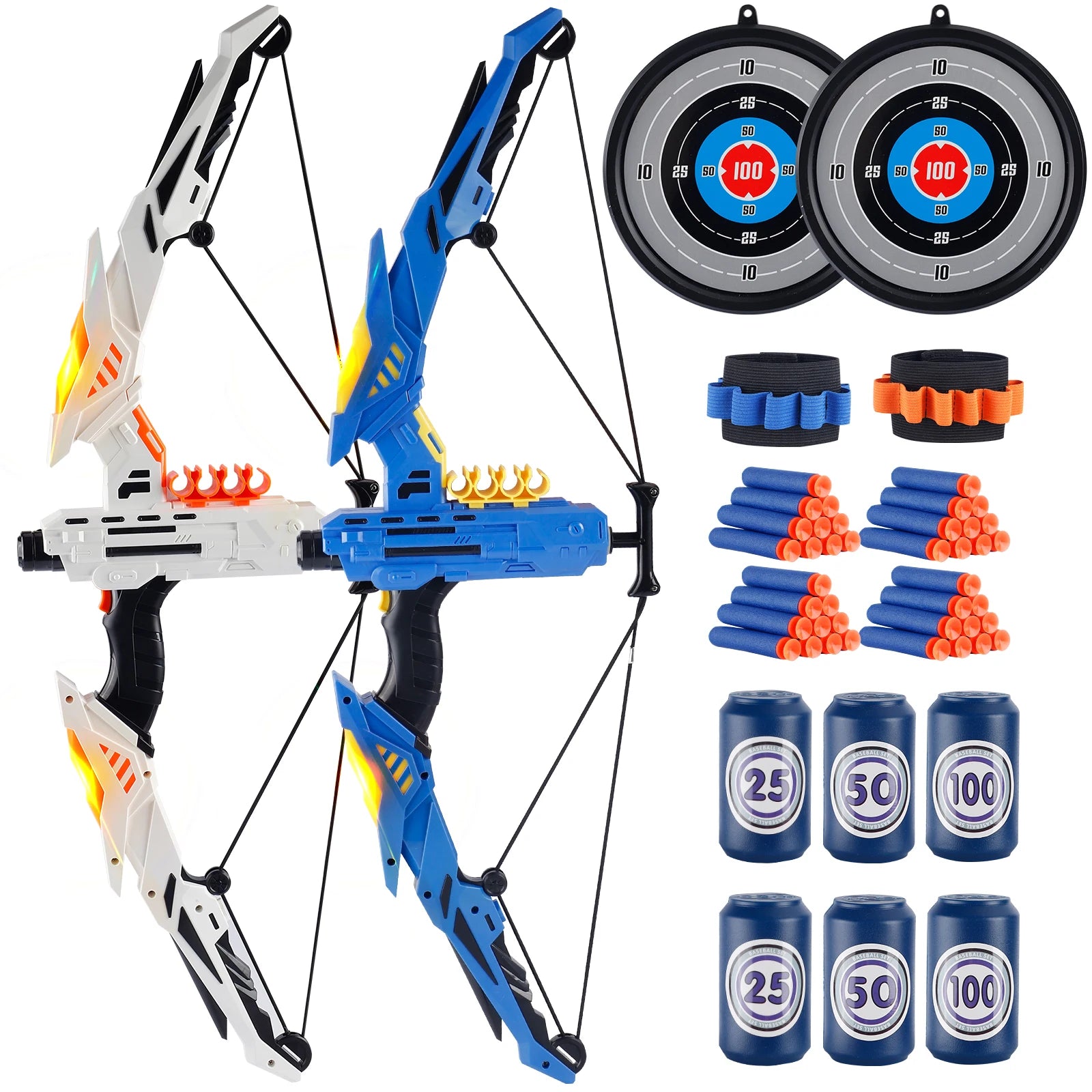
Toys for motor skill development improving accuracy and focus 💡 See it in action
Benefits families often notice
- Improved focus during quiet play
- Better hand-eye coordination
- Greater patience when completing tasks
- Boosted self-confidence after progress
Comparing Popular Fine Motor Play Options
| Play Type | Strengths | Challenges | Best Fit |
|---|---|---|---|
| Stacking Blocks | Builds grip and spatial awareness | May lose novelty quickly | Toddlers |
| Sorting Activities | Encourages problem solving | Requires supervision | Preschoolers |
| Drawing Tools | Supports creativity | Mess potential | Early learners |
| Target Practice Sets | Combines precision and focus | Needs space | Growing children |
Simple Steps to Match Play Tools to Real-Life Needs
- Observe daily struggles like buttoning or holding utensils.
- Choose toys that mirror these actions through play.
- Ensure safe toys for preschoolers meet comfort standards.
- Rotate activities weekly to maintain engagement.
- Celebrate progress to reinforce confidence.
Pairing structured play with resources like Feeding Tools or Mobility & Training can further align skill building with daily routines.
Parent Stories That Show Real Progress
Many caregivers share encouraging outcomes after introducing toys that promote fine motor skills. A California parent reported improved pencil control within weeks after integrating playful precision activities. Another family noticed calmer bedtime transitions when evening play involved focus-driven tasks.
These stories highlight emotional benefits as well as physical ones. Children feel capable, while parents experience fewer daily frustrations.
Combining play strategies with supportive resources from Mom Essentials or Beauty & Wellness can also help caregivers maintain balance and energy.
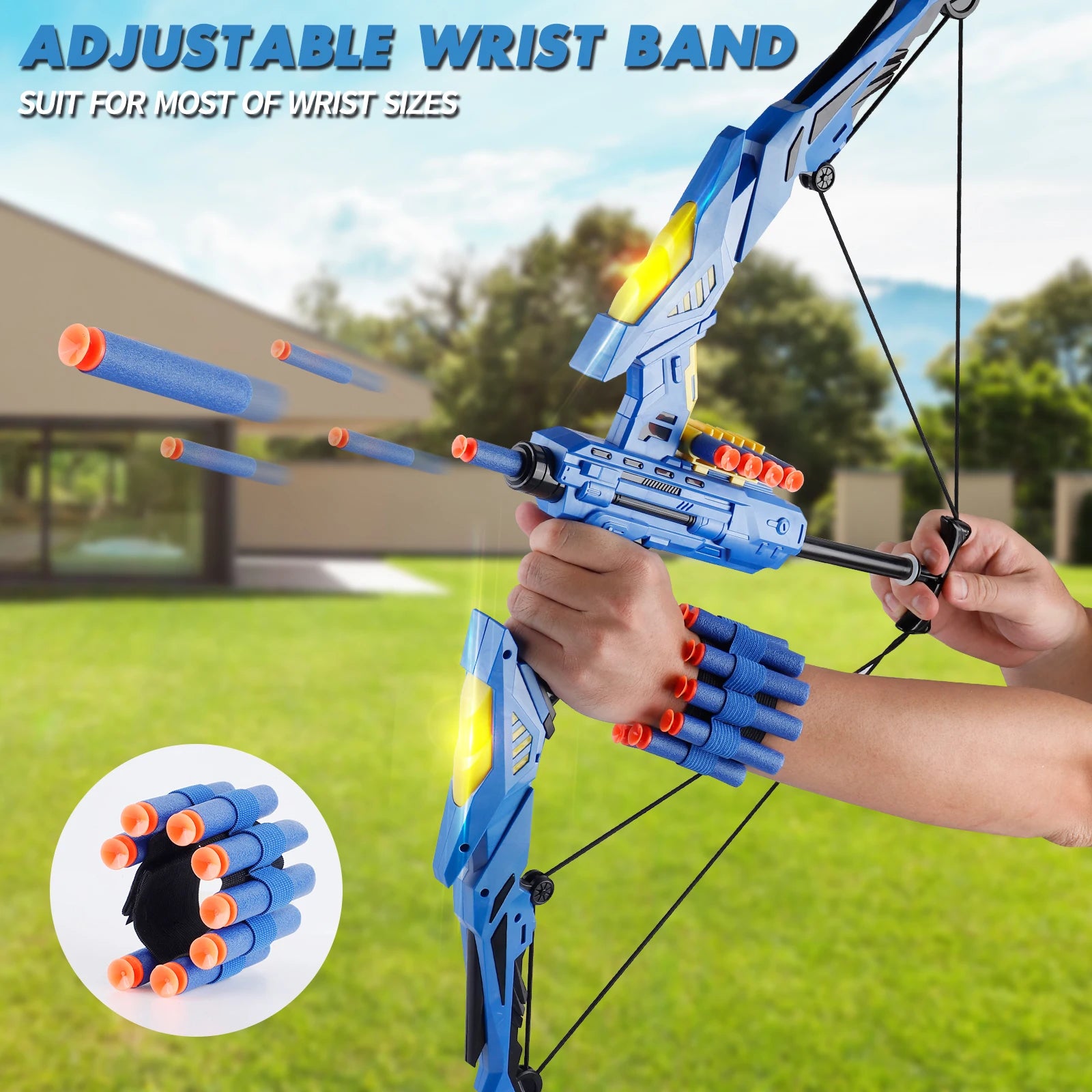
Safe toys for preschoolers boosting independence and control 💡 See it in action
Helping Children Thrive Through Purposeful Play
Thoughtful play selection ensures developmental support without pressure. The right toys for motor skill development create pathways for independence and creativity.
By understanding age needs, daily frustrations, and learning goals, parents can create nurturing environments where progress feels natural. Consistent encouragement and observation remain the strongest tools in guiding growth.
Mini FAQ
What makes toys that promote fine motor skills effective?
They require controlled hand movements such as grasping or aiming. These repeated actions strengthen coordination and muscle memory, helping children perform daily tasks more confidently.
Are fine motor skill toys for preschoolers safe?
When designed appropriately with smooth edges and child-friendly materials, safe toys for preschoolers offer engaging challenges without risk. Supervision and age matching are key.
How often should children use toys for motor skill development?
Short daily sessions of focused play produce consistent progress. Even ten minutes integrated into routine activities can strengthen coordination and independence over time.





