

Toys to Develop Fine Motor Skills: How to Use Them Right
Do toys to develop fine motor skills really work for preschoolers?
Toys to develop fine motor skills work best when used with intention and guidance. The right fine motor skill toys for preschoolers help strengthen hand muscles, improve coordination, and build confidence through repeatable, playful actions. When combined with simple routines, everyday play can support long-term motor control and independence.
Toys to Develop Fine Motor Skills: How to Use Them Right
⏱ 7 min read
Toys to develop fine motor skills can do more than keep little hands busy—they shape focus, coordination, and confidence when used the right way. Parents often buy fine motor skill toys for preschoolers without realizing small tweaks in playtime unlock bigger gains. From toys for motor skill development that strengthen grip to active play toys that blend movement with control, smart choices matter.
Ever notice how some toys get ignored after a week, while others keep your child engaged for months? The difference usually isn’t the toy—it’s how it’s used.

Toys to develop fine motor skills in everyday play 💡 See it in action
Why Fine Motor Skills Shape Everyday Independence
Fine motor skills involve the small muscles of the hands and fingers. These skills power everyday actions like holding crayons, buttoning shirts, using utensils, and later, writing and typing.
- Stronger hand muscles reduce frustration during tasks
- Better coordination supports learning readiness
- Improved control builds confidence and patience
- Early practice supports smoother transitions to school tasks
Many parents focus on letters and numbers, but without strong hand control, kids often struggle to show what they know.
How to Use Toys to Develop Fine Motor Skills the Right Way
Toys to develop fine motor skills work best when play is guided, repeated, and slightly challenging—but never stressful.
- Start with short play sessions (5–10 minutes)
- Demonstrate once, then let your child explore
- Encourage slow, controlled movements
- Repeat activities across several days
Instead of correcting constantly, narrate what you see: “You’re squeezing really carefully,” or “That took patience.” This reinforces effort over results.
Using Simple Prompts to Increase Engagement
Questions like “Can you try with your other hand?” or “What happens if you go slower?” gently stretch skills without pressure.
Choosing Fine Motor Skill Toys for Preschoolers by Age
Not all toys fit every stage. Matching toys to your child’s current ability keeps play motivating.
Ages 2–3: Building Grip and Awareness
- Chunky stacking pieces
- Large peg boards
- Soft lacing cards
At this stage, focus on squeezing, pulling, and releasing motions.
Ages 3–4: Improving Coordination
- Bead threading sets
- Simple puzzles
- Art tools like thick crayons
These toys for motor skill development encourage bilateral hand use and visual tracking.
Ages 4–5: Precision and Control
- Construction kits
- Beginner craft tools
- Target-based active play toys
At this age, children enjoy challenges that feel “grown-up.”
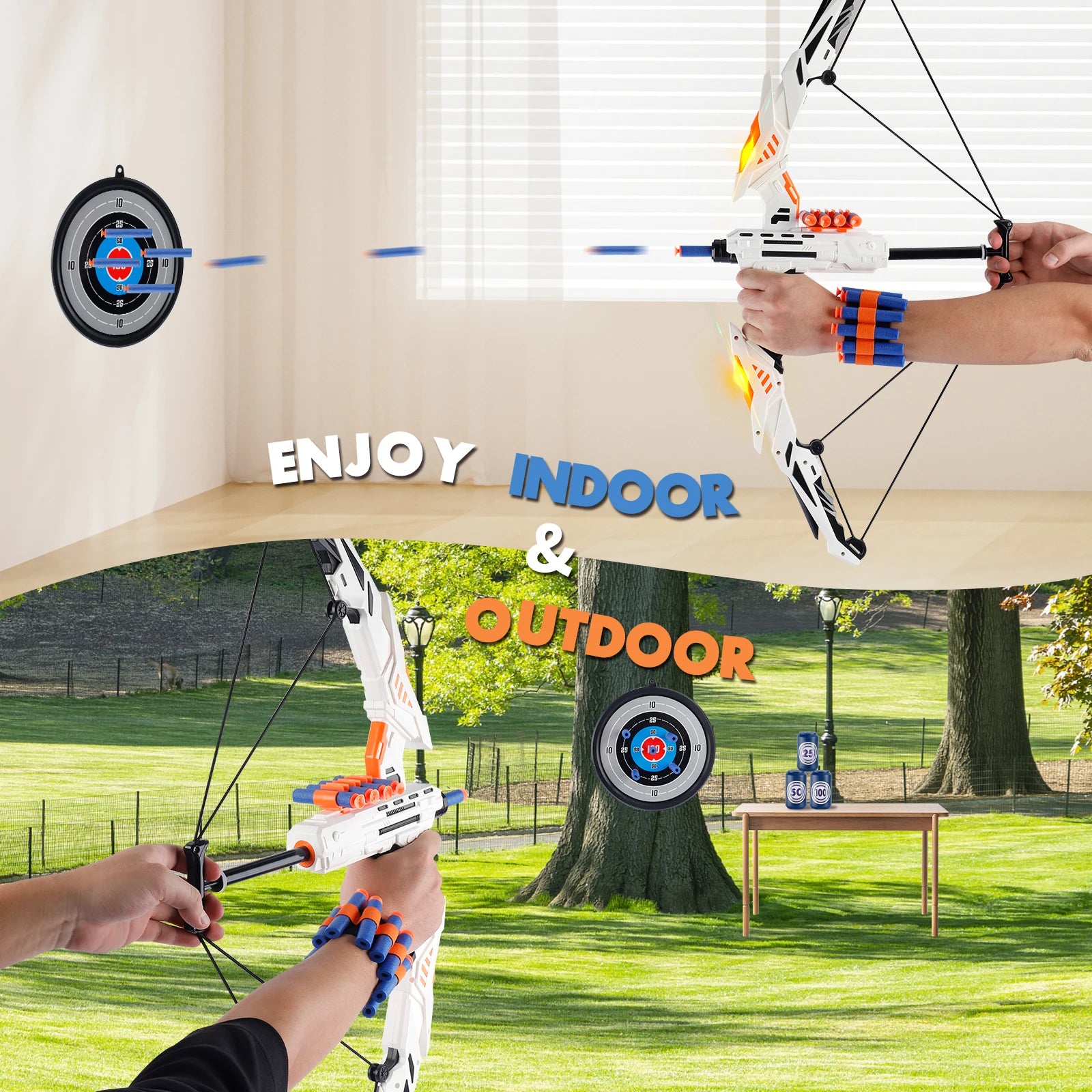
Fine motor skill toys for preschoolers that grow with them 💡 See it in action
How Active Play Toys Strengthen Control and Focus
Active play toys combine movement with precision, making them powerful tools for fine motor growth.
For example, aiming, gripping, and releasing motions challenge hand-eye coordination while keeping kids engaged longer than table-based activities.
- Encourages controlled arm and finger movement
- Builds focus through goal-oriented play
- Supports posture and upper-body stability
- Makes practice feel like a game, not a lesson
Parents often notice improved pencil grip and patience after introducing controlled active play.
One parent shared that after a few weeks of target-based play, their child showed more confidence during drawing and cutting activities.
Try a guided active option like a beginner-friendly archery toy: Kids Archery Set
Turning Daily Routines Into Fine Motor Practice
You don’t need extra time—just a new lens.
- Buttoning pajamas slowly
- Helping stir batter
- Using tongs to pick up snacks
- Pouring water between cups
Pairing toys to develop fine motor skills with daily routines reinforces learning naturally.
Explore supportive tools and ideas inside Baby Growth & Learning and Sensory Toys to keep play varied.
Common Mistakes That Slow Progress
- Choosing toys that are too advanced
- Over-correcting hand movements
- Expecting quick results
- Rotating toys too frequently
Consistency matters more than quantity. A few well-used toys beat a shelf full of unused ones.
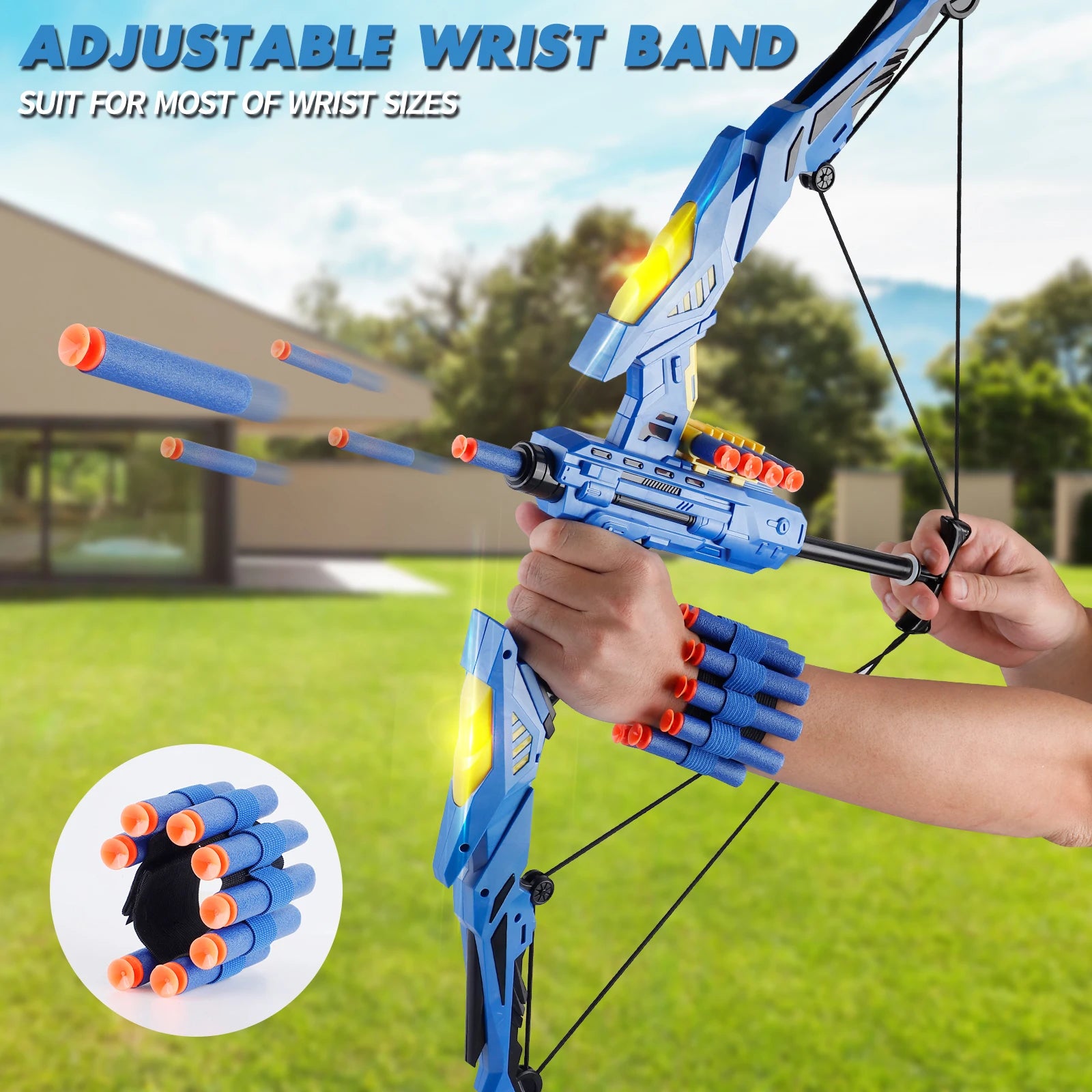
Active play toys and fine motor skill development 💡 See it in action
Mini FAQ
How long does it take to see results?
Many parents notice small improvements in grip and coordination within 2–4 weeks of consistent play.
Can active play toys replace table activities?
No, but they complement them well by strengthening muscles used for writing and crafts.
How often should my child use fine motor skill toys?
Short daily sessions (10–15 minutes) are more effective than longer, less frequent play.
Are these toys safe for preschoolers?
When age-appropriate and supervised, fine motor skill toys for preschoolers are designed to support safe, controlled development.
Explore more ideas inside Baby Growth & Learning Tips and supportive essentials from Health & Safety.
Ready to support confident, capable hands? Try guided active play with the Kids Archery Set today.





