

Toys to Improve Fine Motor Skills Tested at Home
Do toys to improve fine motor skills really work at home?
Toys to improve fine motor skills can strengthen grip, finger control, and hand-eye coordination when used during everyday play. Home testing shows that hands-on dexterity toys and simple fine motor skills activities at home help children practice precise movements repeatedly, which supports focus, coordination, and confidence without screens.
Toys to Improve Fine Motor Skills Tested at Home
⏱ 6 min read
toys to improve fine motor skills can transform ordinary playtime into meaningful learning. We tested popular fine motor skills activities at home using dexterity toys and hands-on favorites to see which toys that help fine motor skills truly support grip strength, coordination, and attention—and which ones fell short.
Ever buy a toy that promised learning but ended up forgotten under the couch? Many parents worry about wasting money on toys that don’t actually help development. We felt the same, so we tested these options in real living rooms with real kids.
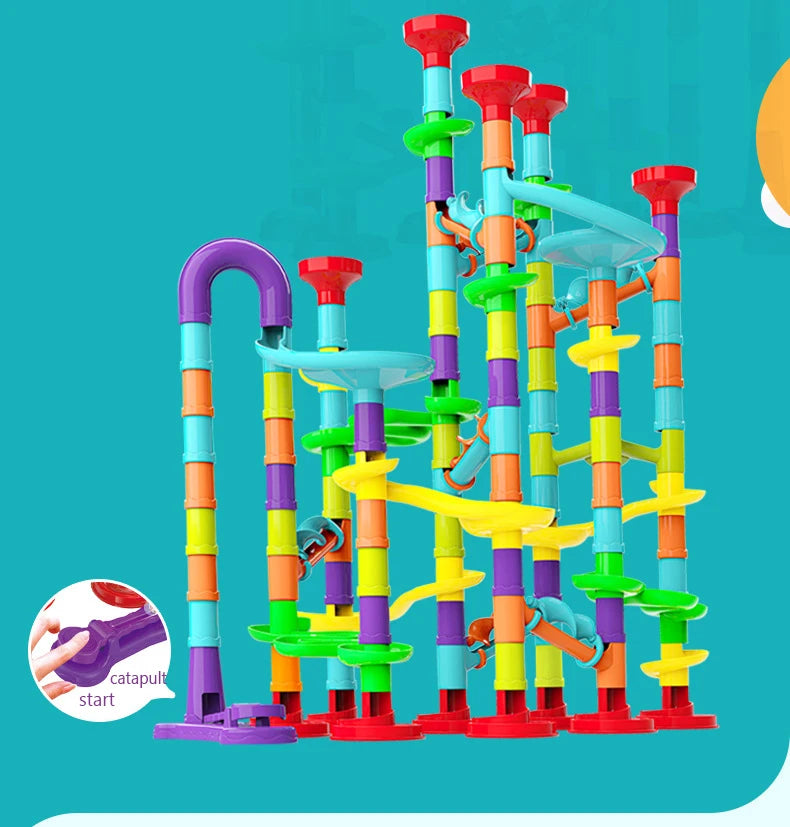
toys to improve fine motor skills tested during fine motor skills activities at home 💡 See it in action
Why fine motor skills matter at home
Fine motor skills affect everyday tasks—buttoning clothes, holding utensils, drawing shapes, and eventually writing. When kids practice these movements early, they build confidence and independence.
Home is where most practice happens. Short, playful sessions with the right toys can gently train small hand muscles without pressure.
What to look for in toys that help fine motor skills
Not all toys labeled “educational” deliver results. Based on our testing, the most effective options shared these traits:
- Pieces sized for small hands, encouraging pinching and grasping
- Open-ended play that adapts as skills grow
- Durable materials that survive daily use
- Clear cause-and-effect to keep kids engaged
Many parents find great options within Baby Growth & Learning and Sensory Toys, which focus on hands-on exploration.
Home-tested toys to improve fine motor skills
Toys to improve fine motor skills work best when they invite repeated practice. During our fine motor skills activities at home, kids naturally returned to toys that felt like play—not practice.
Which toy held attention the longest? Which improved control fastest? The answers surprised us.
Marble run building blocks: hands-on testing
Toys to improve fine motor skills shine when they combine building, problem-solving, and movement. In our tests, the marble run building blocks set stood out for keeping kids focused while strengthening finger coordination.
This set required children to align pieces, pinch marbles, and adjust angles—small movements repeated naturally through play.
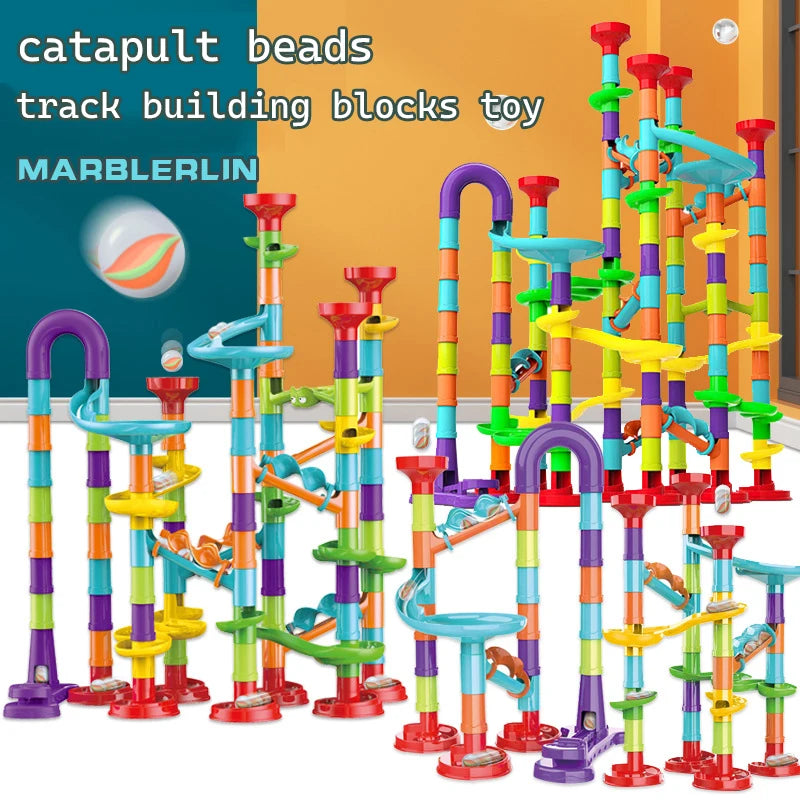
dexterity toys like marble runs boost fine motor skills activities at home 💡 See it in action
Why this set worked better than expected
After a week of daily use, parents noticed steadier hands and longer attention spans. Kids enjoyed rebuilding tracks, which encouraged repetition without boredom.
- Improved hand-eye coordination within days
- Encouraged problem-solving alongside motor control
- Easy to scale difficulty for different ages
Comparison with other dexterity toys
| Toy Type | Grip Practice | Attention Span | Long-Term Use |
|---|---|---|---|
| Marble run blocks | High | High | Excellent |
| Stacking rings | Medium | Low | Short-term |
| Shape sorters | Medium | Medium | Moderate |
What parents noticed after daily play
Parents reported practical changes during everyday routines. One mom shared that her child started holding crayons with better control after two weeks. Another noticed less frustration during buttoning and zipping.
These results mirror what child development specialists recommend: frequent, playful repetition using toys that help fine motor skills.
How to use fine motor skills activities at home
- Set up a short daily play window (10–15 minutes).
- Rotate dexterity toys to keep interest high.
- Play alongside your child to model movements.
- Celebrate effort, not perfection.
Pairing toys with everyday routines—before dinner or after naps—helps kids see practice as part of normal play.
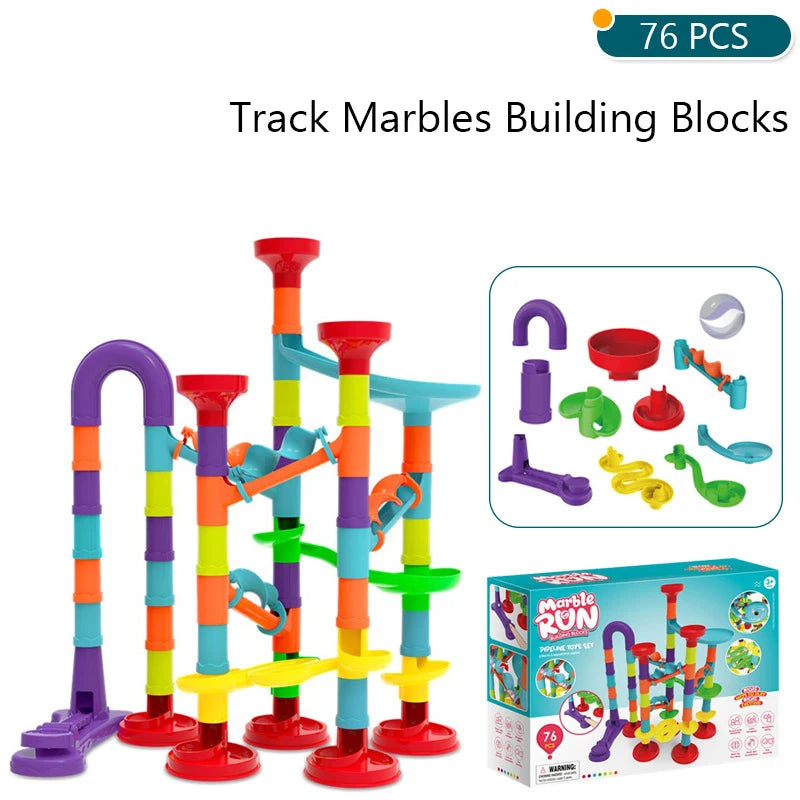
toys that help fine motor skills during calm, focused play 💡 See it in action
For more hands-on ideas, many families explore Baby Growth & Learning Tips to extend learning beyond toys.
Quick questions parents ask
At what age should kids start using dexterity toys?
Simple dexterity toys can be introduced as early as toddlerhood, with supervision. Start with larger pieces and gradually move to smaller components as coordination improves.
How long before results show?
Most parents notice small improvements—better grip or focus—within one to two weeks of consistent play.
Are open-ended toys better than single-use toys?
Yes. Open-ended toys like building sets adapt as skills grow, making them useful longer and more cost-effective.
Ready to explore a hands-on option parents trust? Discover how the marble run building blocks set supports fine motor skills through play.
Related Guide: Toy Marble Runs Review After 6 Months of Play





