

Are traditional ear tools risky for children?
Yes. Traditional ear tools such as cotton swabs, metal ear spoons, and wax scoops can push earwax deeper into the ear canal, scratch delicate skin, and even injure the eardrum. Pediatric experts generally recommend cleaning only the outer ear unless a healthcare professional advises otherwise. Child-safe tools with depth control and clear visibility are a safer option when earwax truly needs attention.
Traditional Ear Tools Risky Compared to Modern Child-Safe Options
⏱ 8 min read
Many parents assume cleaning a child's ears is part of a healthy hygiene routine, but using the wrong tool can do more harm than good. From cotton swabs and metal ear picks to rigid wax scoops, traditional ear tools often increase the risk of impacted earwax, irritation, and injury. This guide explains what pediatricians recommend, compares common ear-cleaning methods, and shows when modern child-safe tools may be the better choice.
Explore trusted options inside Health & Safety .
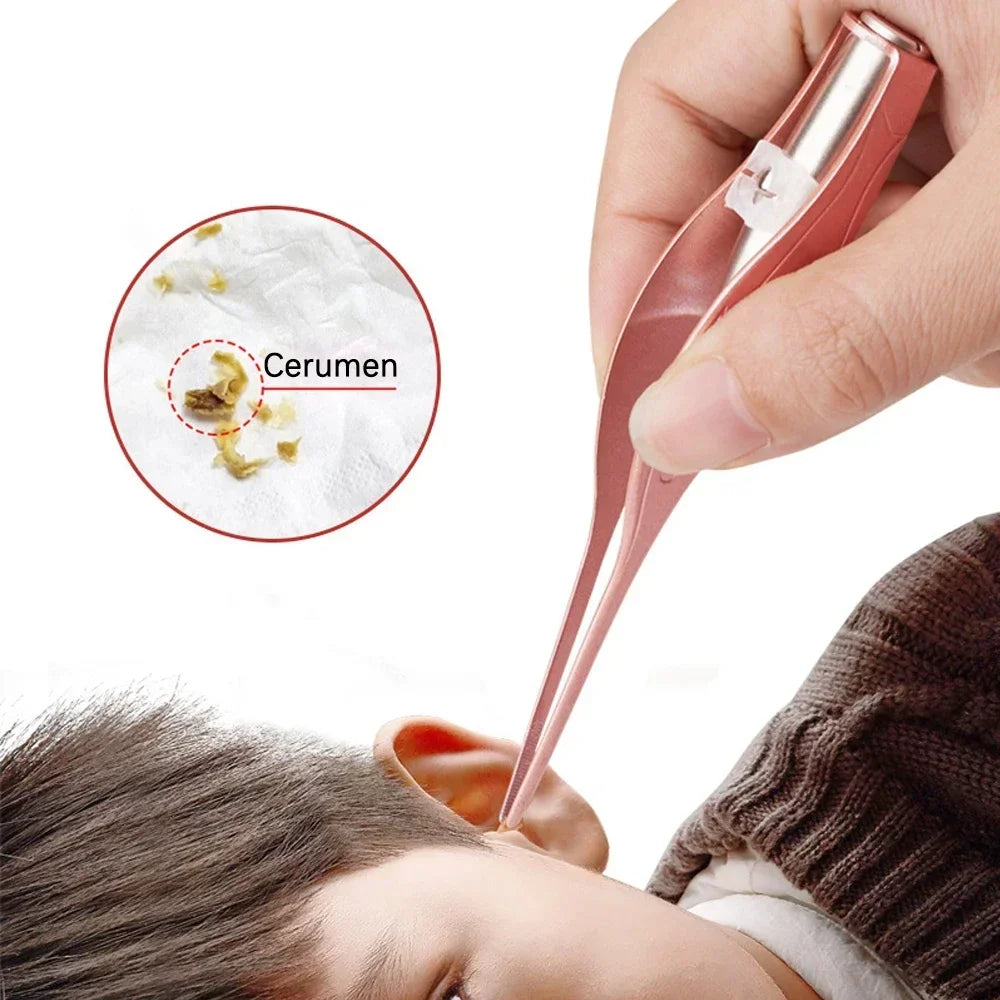
Traditional ear tools can increase the risk of injury when used inside a child's ear canal.
Which cotton swab options are safest for ears and babies?
The short answer
For babies and young children, the safest approach is to avoid inserting any cotton swab into the ear canal. Even baby safety swabs are intended primarily for cleaning around the outer ear, not for removing earwax deep inside the ear.
Outer ear vs ear canal cleaning
Earwax naturally moves toward the outer ear as the skin inside the ear canal renews itself. In most cases, parents only need to wipe away visible wax from the outer ear using a soft washcloth or tissue. Inserting any object into the canal increases the chance of pushing wax farther inside.
Why age matters
Babies and toddlers have narrower ear canals and thinner, more delicate skin than adults. Their ears are also more likely to move unexpectedly during cleaning. For this reason, baby ear cleaning safety depends more on gentle technique than on the tool itself.
Why experts recommend keeping cotton swabs out of the ear canal
How earwax protects the ear
Earwax is not dirt. It traps dust, bacteria, and small particles while helping moisturize the ear canal. In most healthy children, earwax removes itself naturally without any need for routine cleaning.
What happens when swabs push wax deeper
Instead of removing wax, cotton swabs often compress it against the eardrum. Over time, this can create impacted earwax that causes fullness, temporary hearing changes, discomfort, or ringing.
Common injuries caused by ear cleaning
- Minor cuts and abrasions inside the ear canal
- Bleeding or irritation
- Impacted earwax
- Pain from accidental contact with the eardrum
- Higher risk of infection after skin damage
Are traditional ear tools risky for children?
Are ear spoons safe?
Metal ear spoons provide little depth control and rely heavily on the user's visibility and steady hand. Because children may suddenly move during cleaning, these tools carry a higher risk of scratching the ear canal.
Are ear wax scoops safe?
Ear wax scoops can remove visible wax near the ear opening when used carefully, but inserting them into the ear canal may push wax deeper or cause injury. They should never be used forcefully or when the ear cannot be clearly seen.
Risks for babies and toddlers
Direct answer: Traditional ear tools are riskier for babies and toddlers because they lack depth control, use rigid materials, and are difficult to guide safely if a child moves unexpectedly. Child-specific tools with soft tips and improved visibility help reduce these risks but should still be used according to manufacturer instructions.
- ❌ Earwax pushed toward the eardrum
- ❌ Small scratches that increase infection risk
- ❌ Pain and fear during future ear care
- ❌ Greater chance of impacted earwax
When cotton swabs are appropriate
Cleaning the outer ear
Cotton swabs may be used carefully to clean only the folds of the outer ear if recommended by your healthcare provider. They should never be inserted into the ear canal.
Using baby safety swabs correctly
Baby safety swabs often include wider tips that help discourage deep insertion. While they provide an added layer of protection, they are still designed for external cleaning rather than earwax removal.
Mistakes to avoid
- Never insert swabs into the ear canal.
- Do not clean ears every day unless instructed by a healthcare professional.
- Avoid cleaning while a child is moving or crying.
- Never use cotton swabs to treat blocked ears.
Comparison of common ear cleaning options
| Method | Best Use | Safety | When to Avoid |
|---|---|---|---|
| Standard cotton swabs | Outer ear only | Moderate when used externally | Inside the ear canal |
| Baby safety swabs | External ear cleaning | Higher than standard swabs | Deep earwax removal |
| Soft washcloth | Visible wax on outer ear | Very high | Cannot remove impacted wax |
| Ear spoons or wax scoops | Limited use with visibility | Lower | Babies, toddlers, moving children |
| Professional earwax removal | Impacted wax or symptoms | Highest | Not needed for normal earwax |
How modern child-safe ear tools reduce risk
Modern ear-cleaning devices are designed specifically for children's smaller ears and unpredictable movement.
Direct answer: Modern child-safe ear tools lower risk by limiting insertion depth, using soft silicone tips, and improving visibility. These features help parents remove visible earwax more accurately while reducing the chance of pushing wax deeper into the ear canal.
- Soft silicone tips reduce scratches.
- Built-in depth limits help protect the eardrum.
- Better visibility improves precision.
- Gentler operation creates a calmer experience.
Parents often pair these tools with other gentle routines found in Baby Care Essentials to create safer daily hygiene habits.
Learn more inside Baby Hygiene Gadgets .
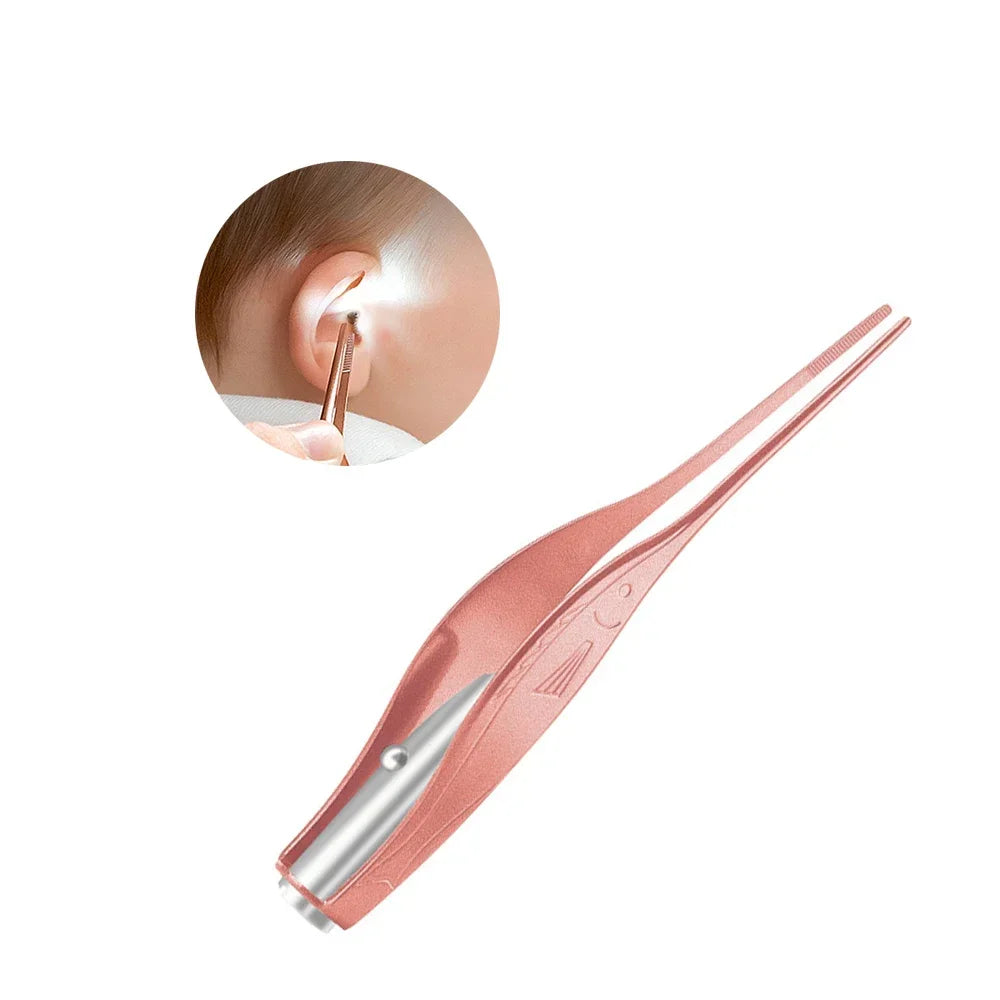
Modern child-safe designs improve visibility and reduce the chance of accidental injury.
Traditional vs modern ear tools comparison
| Feature | Traditional Tools | Modern Child-Safe Tools |
|---|---|---|
| Material | Hard metal or plastic | Soft silicone, flexible tips |
| Depth Control | None | Built-in safety stops |
| Visibility | Blind cleaning | Visual guidance |
| Comfort | Lower | Higher |
| Suitable for Children | Limited | Designed for child use |
Families looking for a child-focused solution often consider the visual ear wax picker for kids , which combines visibility with child-friendly safety features.
Check trusted solutions in Health & Safety .
How to choose safe ear cleaning methods for babies and kids
By age group
- Babies: Clean only the outer ear with a soft cloth.
- Toddlers: Avoid inserting tools into the ear canal unless instructed by a healthcare professional.
- Older children: Use child-specific devices only when wax is visible and the child can remain still.
Signs earwax needs no treatment
- No pain or discomfort
- Normal hearing
- Wax visible only near the ear opening
- No drainage or bleeding
When to see a doctor
Seek medical evaluation if your child has persistent ear pain, hearing loss, dizziness, foul-smelling discharge, repeated ear infections, or suspected impacted earwax.
Parents often review related hygiene tools inside Baby Care Tips & Advice to build a complete, safe routine. You may also find these resources helpful: How to Trim Baby Nails Safely , Infant Bath Tips , and Safe Baby Toys Guide .
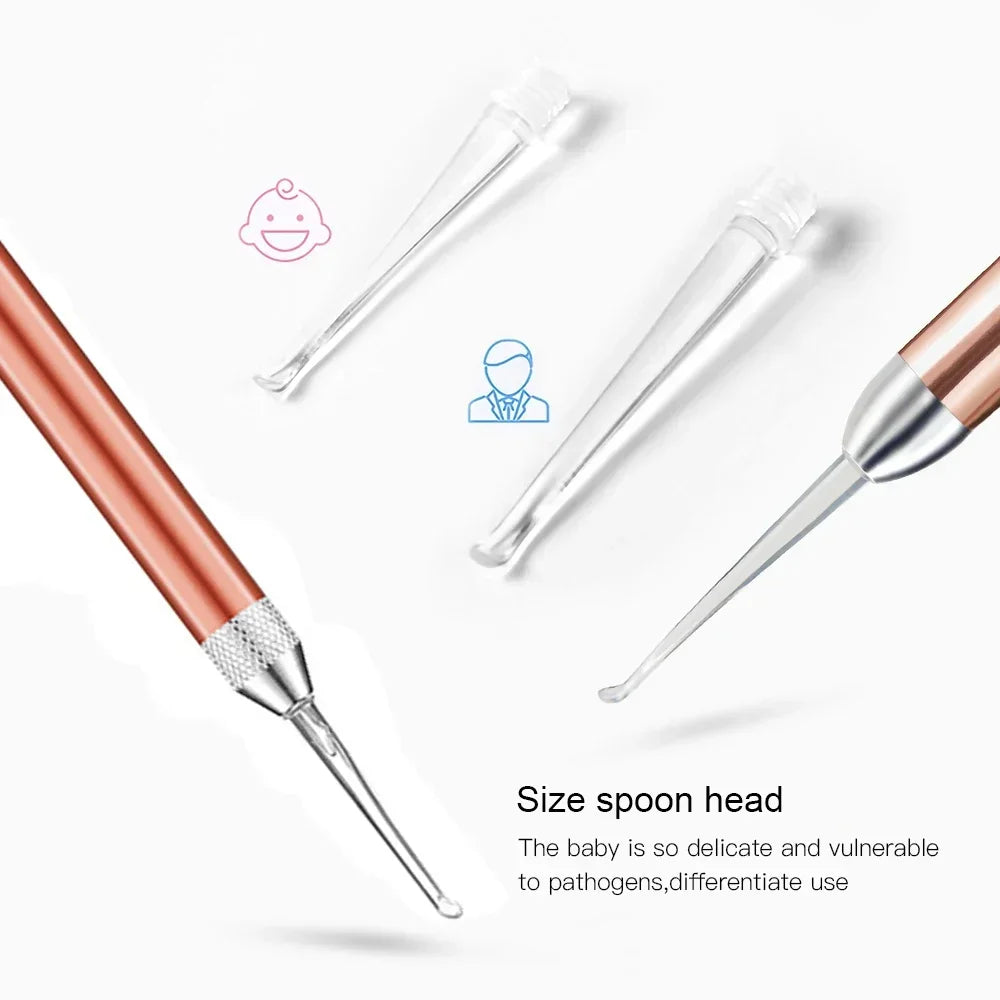
Choosing age-appropriate ear care methods helps protect hearing while avoiding unnecessary cleaning.
Country-specific guidance and product labeling
Although product labeling may differ between countries, pediatric guidance is remarkably consistent.
- Germany: Baby safety swabs are generally intended for external ear cleaning only.
- India: Healthcare providers commonly recommend avoiding cotton swabs inside the ear canal.
- United States: Pediatric advice emphasizes leaving earwax alone unless symptoms develop.
- Australia: Parents are encouraged to clean only the outside of the ear.
- Great Britain: Routine earwax removal at home is generally discouraged unless necessary.
- Israel: Medical guidance favors gentle external cleaning and professional care when wax becomes impacted.
- Japan: Child-specific products often include safety features to limit insertion depth.
- Spain: Healthcare advice generally mirrors international recommendations against inserting objects into children's ears.
Frequently asked questions
Can cotton swabs damage a baby's ears?
Yes. Cotton swabs inserted into the ear canal can push wax deeper, scratch delicate skin, and potentially injure the eardrum.
What is the safest way to clean a baby's ears?
Clean only the outer ear with a soft washcloth and allow earwax inside the canal to clear naturally.
Are ear spoons safer than cotton swabs?
No. Ear spoons can also cause injury if inserted too deeply or used while a child moves unexpectedly.
Do babies need earwax removed?
Usually not. Earwax protects the ear and normally works its way out on its own.
How can I tell if earwax needs medical treatment?
Persistent pain, hearing changes, foul-smelling discharge, repeated infections, or suspected impacted wax should be evaluated by a healthcare professional.
Are baby safety swabs safe inside the ear canal?
No. They are intended for cleaning the outer ear rather than removing wax from inside the canal.
What should I do if my child has impacted earwax?
Arrange an examination with your healthcare provider rather than attempting deep ear cleaning at home.
Which ear cleaning method do pediatricians recommend?
Most recommend leaving the ear canal alone, cleaning only the outer ear, and seeking professional care if earwax causes symptoms.
Explore the visual ear wax picker for kids today.
Related Guide: Pediatric Ear Hygiene Guide Parents Trust After Real Testing





