

Two Player Games Educational Value Explained
Are two player games educational?
Two player games educational experiences build critical thinking, communication, and emotional control through real-time interaction. When kids or teens compete or cooperate face-to-face, they practice strategy, patience, and problem-solving in ways screens can’t replicate. Even 15–20 minutes a day can strengthen memory, focus, and social skills.
Two Player Games Educational Value Explained
Two player games educational experiences can transform ordinary play into powerful learning moments. Whether you are searching for games to play without screens, meaningful screen free activities for teens, or creative non screen activities that double as family indoor games, the right pair-based challenges sharpen critical thinking, communication, and emotional intelligence. Surprisingly, even simple tabletop matchups can boost memory and problem-solving skills in just minutes a day—ready to see which ones make the biggest impact?
⏱ 7 min read
Are you worried your child spends too much time on devices? Wondering if games can actually support teen brain development instead of distracting from it?
Which screen free activity truly helps your child think smarter while having fun? Let’s break it down.
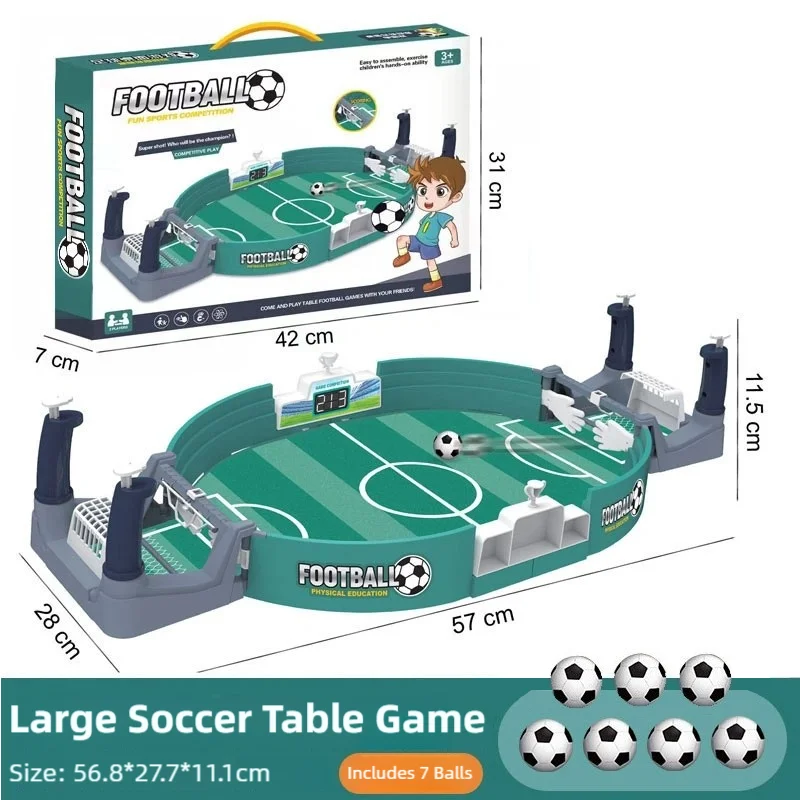
Two player games educational fun as games to play without screens 💡 See it in action
Why Two Player Games Build Real-World Skills Faster
Two player games educational setups create immediate feedback. Every move matters. Every mistake teaches.
Unlike solo apps, these cooperative games require:
- Strategic thinking – anticipating your opponent’s next move
- Emotional regulation – handling wins and losses calmly
- Communication skills – negotiating rules and tactics
- Hand-eye coordination – especially in fast-paced tabletop games
For teens, screen free activities that involve competition activate decision-making pathways in the brain. Studies show that face-to-face interaction increases empathy and impulse control compared to isolated digital play.
If you already invest in Baby Growth & Learning tools, adding pair-based challenges extends those developmental benefits into later childhood and adolescence.
How Mini Table Soccer Turns Play Into Learning
Two player games educational tools like mini table soccer combine reflex training, tactical planning, and social interaction in one compact setup. Players must coordinate hand movements, track ball speed, and predict angles in real time, strengthening focus and quick decision-making skills.
The Mini Table Soccer Game stands out because it blends fast action with structured rules. That structure is what transforms casual play into meaningful learning.
What Skills Does It Strengthen?
- ✅ Rapid decision-making under pressure
- ✅ Visual tracking and spatial awareness
- ✅ Patience and turn-taking
- ✅ Healthy competition and teamwork
- ✅ Confidence through measurable improvement
Many parents notice improved concentration after regular short sessions. Even 20 minutes of competitive tabletop play can feel more mentally stimulating than an hour of passive scrolling.
Key Features That Make This a Smart Family Indoor Game
1. Compact, Tabletop Design
No bulky setup. It fits easily on a dining table or desk, making it ideal for apartments or rainy-day play.
2. Durable Construction
Sturdy rods and smooth handles ensure consistent control. That consistency matters—predictable movement allows children to develop precise motor patterns.
3. Fast-Paced Gameplay
Short rounds maintain attention spans. Quick resets encourage repeated practice without boredom.
4. Screen-Free Engagement
As one of the most effective games to play without screens, it eliminates blue light exposure and overstimulation while keeping excitement high.
Families who prioritize Health & Safety at home often prefer tactile, hands-on activities that promote physical movement and reduce sedentary habits.
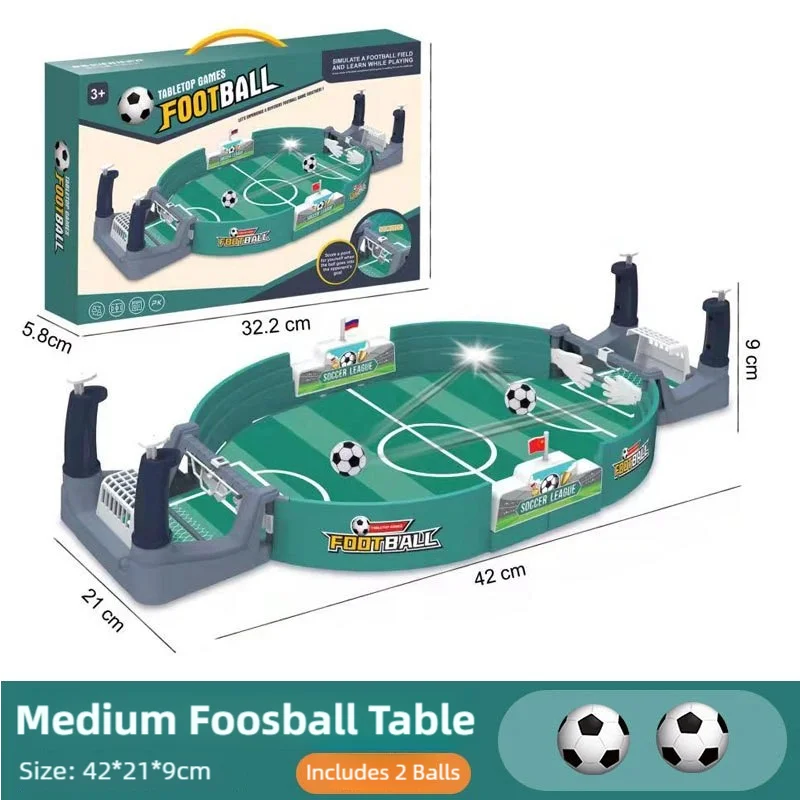
Screen free activities for teens that boost critical thinking 💡 See it in action
Comparison: Table Soccer vs. Other Non Screen Activities
| Activity | Skill Development | Engagement Level | Social Interaction |
|---|---|---|---|
| Mini Table Soccer | High (strategy + reflex) | Very High | Direct 1-on-1 |
| Board Trivia Game | Moderate (memory) | Medium | Turn-based |
| Puzzle Solving | High (logic) | Low–Medium | Minimal |
| Mobile Game App | Variable | High | Limited physical interaction |
Compared to many non screen activities, mini table soccer delivers both physical coordination and mental agility at once.
How to Use It for Maximum Educational Value
- Set time limits (15–20 minutes per session) to maintain focus.
- Rotate partners to encourage adaptability and social flexibility.
- Discuss strategies after each round to reinforce critical thinking.
- Track improvement with friendly scoreboards to build motivation.
Pairing it with calming routines from Sleep & Comfort products can also help balance high-energy play with relaxation afterward.
Why It Works Better Than Many Alternatives
Immediate feedback: Players see the result of each move instantly.
Physical engagement: Unlike card-only games, it builds hand strength and reflex control.
Low learning curve: Simple rules make it accessible for younger kids and engaging for teens.
Family bonding: It creates shared laughter, friendly rivalry, and memorable moments.
Parents report that structured two-player competition reduces sibling conflict by channeling energy into clear rules and goals.
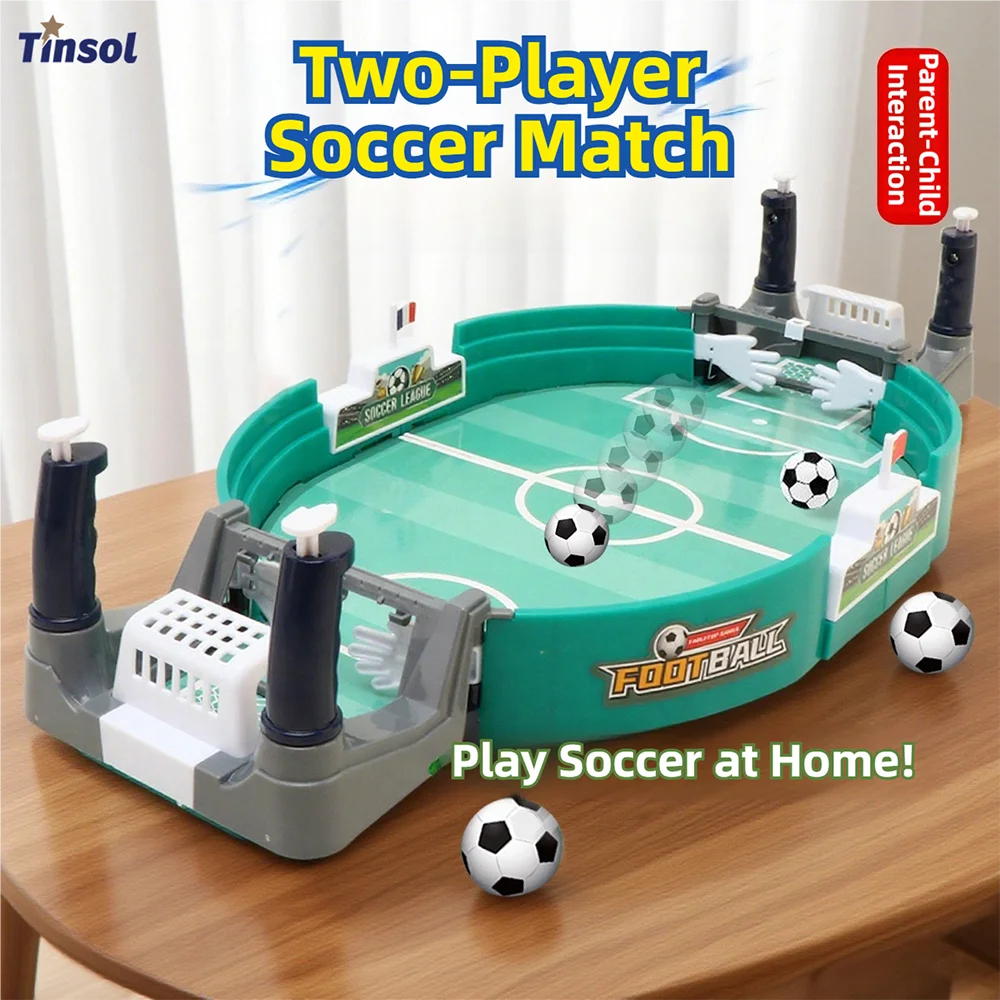
Family indoor games that double as non screen activities 💡 See it in action
Real Parent Feedback
- “My 12-year-old’s focus improved after just a week of daily matches.”
- “It’s the only game that gets both my teens off their phones willingly.”
- “We use it as a quick brain break before homework.”
When combined with other developmental tools from Sensory Toys or Mobility & Training, families can create a balanced environment that supports both cognitive and physical growth.
Shop the Mini Table Soccer Game
Mini FAQ
Are two player games really better than solo games?
They often provide stronger social and emotional development because they require communication, patience, and adaptive thinking in real time.
How long should teens play screen free activities daily?
Experts suggest balancing digital use with at least 30–60 minutes of active, interactive non screen activities, including family indoor games.
Is mini table soccer suitable for different age groups?
Yes. Younger kids build coordination, while teens refine strategy and reaction speed, making it adaptable across developmental stages.
When you choose intentional, hands-on experiences, two player games educational moments become more than entertainment—they become tools for smarter thinking, stronger bonds, and healthier daily habits.
Related Guide: Football Two Player Games: Features That Win





