

Vintage Toy Collectibles: How to Identify Rare Finds & Value
Vintage Toy Collectibles: 2026 Price Guide, Value Factors & Rarity Tiers
Last Updated: March 2026
The vintage toy collectibles market has evolved from a simple nostalgia hobby into a global collector community driven by fandom, rarity, condition, and historical significance. From classic action figures to licensed cartoon merchandise, certain toys have become highly sought-after because they represent important moments in entertainment history and childhood culture.
However, not every old toy automatically becomes valuable. A collectible’s worth depends on several factors, including production era, franchise popularity, scarcity, packaging condition, authenticity, and current collector demand. This guide introduces a standardized valuation framework that collectors and resellers can use to better understand vintage toy values, identify important details, and make informed buying or selling decisions in 2026.
You’ll learn:
- How collectors evaluate vintage toy collectibles by era, rarity, and condition
- Why MOC, MISB, and complete loose conditions affect value
- Which toy categories attract the strongest collector interest
- How to compare market listings and avoid inaccurate pricing expectations
- How to identify authenticity issues, reissues, and reproduction risks
Vintage Toy Collectibles: 2026 Market Overview and Why Collectors Care
Vintage toy collectibles represent more than older toys stored away for years. They are cultural artifacts connected to movies, television shows, comic franchises, advertising campaigns, and childhood memories. Collectors often pursue these items because they combine emotional connection with historical value.
In 2026, collector interest continues to grow around recognizable franchises, limited production runs, and toys connected to major entertainment moments. Items from popular eras can attract both longtime collectors preserving nostalgia and newer fans discovering older franchises through streaming platforms, reboots, and online communities.
How Vintage Toys Become Collectible Assets
A toy usually becomes collectible when several value factors overlap. Age alone is rarely enough. The strongest vintage toy collectibles typically have a combination of:
- Nostalgia: Products connected to memorable childhood experiences often maintain long-term fan interest.
- Rarity: Limited production numbers, regional releases, and short availability periods can increase collector demand.
- Cultural impact: Toys linked to influential movies, cartoons, or franchises often remain relevant across generations.
- Condition: Original packaging, complete accessories, and preserved materials can significantly influence value.
- Authenticity: Verified original items generally attract stronger collector confidence than uncertain reproductions.
The most successful collectors focus on understanding why an item matters rather than simply buying the oldest toy available. A common toy from a major franchise may have stronger demand than an older but unknown product with limited historical relevance.
Popular Eras: 1970s–1980s Classics, 1990s Nostalgia, Early 2000s Franchise Toys
Different generations of toys attract different types of collectors. Understanding these eras helps explain why certain categories appear frequently in vintage toys value guides.
1970s–1980s Classic Franchise Toys
The 1970s and 1980s introduced many iconic action figures, vehicles, and playsets that shaped modern toy collecting. Franchise-based toys connected to major entertainment releases remain highly recognizable because they combine strong brand identity with decades of collector history.
Examples of collectible categories from this era include:
- Licensed science-fiction action figures
- Superhero figures and playsets
- Classic vehicles and accessories
- Early electronic and interactive toys
Collectors often pay close attention to original packaging, accessory completeness, and production variations because small differences can separate common releases from highly desirable versions.
1990s Cartoon and Television Nostalgia Toys
The 1990s created a new generation of collectible opportunities through animated television, toy-based cartoons, and character-driven merchandise. Many toys from this period were heavily played with, making unopened examples and complete sets more difficult to find today.
Popular categories include:
- Cartoon character figures
- TV-show merchandise
- Interactive playsets
- Convention and promotional releases
As collectors who grew up during this period continue building collections, demand for 1990s nostalgia toys remains an important part of modern collecting trends.
Early 2000s Franchise Toys
Early 2000s toys are increasingly receiving attention from collectors who grew up with digital-era entertainment, animated franchises, and promotional merchandise. Items such as old SpongeBob toys, character figures, and promotional releases are examples of products that may gain interest when they represent memorable cultural moments.
For these toys, collectors often evaluate:
- Original packaging availability
- Complete accessory sets
- Regional or promotional differences
- Connection to popular franchises
Current Collector Trends and Fandom Growth in 2026
Modern collecting is increasingly influenced by online communities, nostalgia-driven fandom, and easier access to historical pricing information. Collectors can now compare examples, discuss authentication details, and discover overlooked categories through dedicated communities and marketplaces.
Several trends are shaping collectibles fandom trends March 2026:
- Growing interest in childhood-era toys from the 1990s and early 2000s
- Increased demand for display-ready collectibles
- More attention toward packaging quality and preservation
- Greater awareness of counterfeit detection and authenticity checks
The result is a broader collecting landscape where classic figures, licensed merchandise, promotional toys, and creative display models can all appeal to different collector groups.
2026 Market Snapshot: How Much Are Vintage Toy Collectibles Worth Right Now?
Collectors often begin with one question: What is my toy worth today?
The answer depends on multiple factors rather than age alone. Vintage toy values can vary widely based on franchise popularity, rarity, condition, packaging, and recent completed sales.
1970s–1980s Icons (Star Wars, Early Mattel, Hasbro Lines)
The strongest examples from this era are usually tied to major entertainment franchises and recognizable toy lines. Original figures, vehicles, and playsets remain popular because they combine historical importance with long-term collector communities.
Typical value ranges can vary significantly:
- Loose figures: approximately $25–$200 depending on character and completeness
- MOC (Mint on Card) examples: often higher because original packaging is preserved
- Rare variants, prototypes, or unusual releases: potentially much more valuable
The primary value drivers are authenticity, condition, scarcity, and collector demand rather than age alone.
1990s Cartoon & TV Licensed Toys
1990s licensed toys remain popular among collectors who value nostalgia and franchise connections. Toys from animated series and television properties often attract interest because many were opened, played with, or discarded, reducing the supply of complete examples.
Collectors commonly evaluate:
- Complete character sets
- Original accessories
- Packaging condition
- Limited releases and promotional versions
Preserved examples can stand out because fewer original units remain in collector condition.
Early 2000s Franchise Toys (SpongeBob SquarePants & Promotional Releases)
Early merchandise from popular franchises has become an interesting category for newer collectors. Promotional toys, character figures, and licensed products from this era can attract attention when they connect strongly with childhood memories.
- Loose promotional toys: commonly lower-priced entry collectibles
- Complete sets: more desirable because accessories are preserved
- Packaging variations or unusual releases: may attract specialized collectors
The key lesson for collectors is that demand comes from a combination of nostalgia, availability, and cultural relevance—not simply the number of years a toy has existed.
The Standardized 6-Step Valuation Framework: How to Determine Vintage Toy Value
Professional collectors rarely estimate value based on appearance alone. Instead, they follow a repeatable process that considers historical details, condition, rarity, and verified market information.
Step 1: Identify Era and Production Markers
The first step in learning how to appraise collectible figures 2026 is confirming when and where the toy was produced.
Look for:
- Year stamps molded into plastic
- Copyright marks
- Manufacturer logos
- SKU or model numbers
- Packaging design details
Small production differences can sometimes separate common releases from more desirable versions.
Step 2: Evaluate Brand, Franchise, and Manufacturer Importance
Recognizable manufacturers and licensed franchises often attract stronger collector interest because they have established fan communities and clearer authenticity records.
Collectors typically consider:
- Franchise popularity
- Manufacturer reputation
- Historical importance
- Long-term fan demand
Licensed intellectual property often creates stronger collector appeal than generic toys because fans connect the item to a larger cultural experience.
Step 3: Understand Condition Grades: MOC, MISB, Loose Complete
- MOC (Mint on Card): unopened item with original card backing preserved.
- MISB (Mint in Sealed Box): factory-sealed item in original packaging.
- Loose Complete: opened toy that includes original accessories and components.
Condition is one of the most important factors in determining vintage toy values because collectors often prioritize preservation quality.
Step 4: Check Packaging, Variants, and Production Differences
Collectors frequently examine small details that distinguish one release from another:
- Packaging design changes
- Regional print variations
- Error labels
- Retail-exclusive stickers
- Color differences
Step 5: Classify Rarity and Collector Demand
- Common: Mass-produced retail releases.
- Uncommon: Short production periods or lower availability.
- Rare: Limited, regional, or specialized releases.
- Ultra Rare: Prototypes, convention items, or extremely limited examples.
Step 6: Compare Recent Sold Prices
One of the most important steps in evaluating collectible figures is comparing completed sales rather than relying on advertised asking prices.
Always review:
- Recent sold listings
- Similar condition examples
- Packaging differences
- Verified collector market activity
Actual transaction history provides a more realistic understanding of current vintage toy values.
Are Vintage Toys Good Investments? Market Trends and Collector Demand
Vintage toys can be valuable collectibles, but they should be approached as a hobby driven by knowledge, passion, and careful research rather than guaranteed financial investments. Market demand changes over time, and prices are influenced by collector interest, franchise popularity, condition, rarity, and cultural relevance.
The strongest collectible categories usually share common characteristics: recognizable franchises, limited availability, strong fan communities, and items that preserve an important moment in entertainment history.
Nostalgia-Driven Franchise Collectibles
Nostalgia remains one of the biggest forces behind vintage toy demand. Collectors often search for toys connected to the movies, cartoons, and characters they experienced growing up.
Examples of nostalgia-driven categories include:
- Animated television character toys
- Movie franchise action figures
- Classic superhero collectibles
- Childhood-era playsets and vehicles
Early 2000s franchise toys, including old SpongeBob toys and other licensed cartoon merchandise, have gained attention because many original owners are now returning to childhood favorites as adult collectors.
Limited Editions and Convention Exclusives
Limited production releases often attract collectors because availability is naturally restricted. Convention exclusives, promotional items, and special editions can become desirable when they represent a unique version of an established franchise.
Collectors typically evaluate:
- Original production quantity
- Release location and availability
- Packaging differences
- Connection to a major franchise event
However, rarity alone does not guarantee strong demand. A limited item still needs collector interest, authenticity, and cultural significance to maintain long-term appeal.
Risks of Collecting for ROI
While some vintage toy collectibles have increased in value over time, collecting should not be viewed as a predictable investment strategy. Prices can change based on shifting trends, new releases, changing collector preferences, and broader market conditions.
Common challenges include:
- Condition sensitivity: Small flaws in packaging, paint, or missing accessories can significantly affect desirability.
- Changing demand: Popularity can rise or decline depending on franchise activity and collector interest.
- Authentication concerns: Reproductions and altered items can make accurate valuation difficult.
- Storage requirements: Poor preservation can reduce collectible quality over time.
Long-Term Collecting vs Short-Term Flipping
Collectors and resellers often have different goals. Short-term flipping focuses on finding temporary market opportunities, while long-term collecting usually focuses on personal enjoyment, preservation, and building a meaningful collection.
A research-based collecting approach often produces better decisions:
- Study completed sales instead of relying on advertised prices
- Learn franchise history and production details
- Prioritize authentic items with documented condition
- Buy pieces that have personal or cultural significance
Soft CTA: Collectors exploring creative display collectibles can also browse engaging build-and-display options inside the Baby Growth & Learning collection, where hobby-style toys blend creativity and collectible appeal.
Vintage Toy Condition Grading and Authenticity Checks
Understanding condition and authenticity is essential for anyone researching a vintage toys value guide. Two toys from the same production run can have very different collector appeal depending on packaging, preservation, originality, and manufacturing details.
Original Packaging vs Loose Collectibles
Packaging plays an important role because it provides historical context and helps confirm originality. Many collectors prefer unopened examples, but complete loose toys can also be desirable when they include original accessories and remain in excellent condition.
- Original packaged items: Often preferred by collectors focused on preservation and display.
- Loose complete items: Valuable when figures include original accessories and show minimal wear.
- Incomplete items: May still interest collectors if the character, franchise, or rarity is significant.
Collectors should evaluate the entire item rather than focusing only on whether a toy is sealed.
Signs of Reproductions and Counterfeits
Counterfeit items can appear similar to authentic collectibles, especially for popular franchises with strong demand. Beginners should carefully inspect details before purchasing.
Common warning signs include:
- Incorrect logos or copyright information
- Unusual plastic texture or color differences
- Poor paint application
- Packaging that differs from verified examples
- Missing manufacturer details
Manufacturer Marks, Stamps, and Production Details
Production markings provide valuable clues when authenticating vintage toys. Collectors often compare these details against known examples from trusted collector resources.
- Manufacturer stamps
- Mold markings
- Copyright dates
- Factory identifiers
- Packaging print details
Learning these details is one of the most practical steps in understanding how to appraise collectible figures and avoid purchasing inaccurate listings.
Professional Toy Grading Services
Third-party grading services can help document condition and authenticity for collectible toys, especially higher-value items. These services typically evaluate factors such as packaging condition, preservation quality, and overall presentation.
Professional grading can provide additional confidence for buyers and sellers, but it does not automatically make every toy more valuable. Collector demand, rarity, and franchise importance remain major factors in determining market interest.
Where to Buy, Sell, and Research Vintage Toy Collectibles
Finding the right place to buy, sell, or research vintage toy collectibles is an important part of building a reliable collection. Different platforms attract different types of collectors, so the best option depends on the item’s rarity, condition, audience, and the level of expertise needed.
Online Marketplaces and Auction Platforms
Large online marketplaces can be useful for everyday collectibles because they provide access to a broad range of buyers and sellers. They are often a good starting point for researching completed sales, comparing conditions, and understanding current collector interest.
Specialized auction platforms may be better suited for rare, highly sought-after items where authentication, presentation, and collector reputation are especially important.
| Platform Type | Best For | Advantages | Considerations |
| Large Online Marketplaces | Common collectibles and everyday vintage toys | Wide audience and easier price comparison | Requires careful listing research and authenticity checks |
| Specialized Auction Platforms | Rare or premium collectible items | Access to experienced collectors | May require stronger documentation and item evaluation |
| Collector Communities | Niche items and franchise-specific toys | Knowledge sharing and collector expertise | Sales may take longer depending on demand |
Collector Communities and Toy Shows
Collector communities, online groups, and toy shows remain valuable resources for both beginners and experienced collectors. These spaces allow enthusiasts to discuss authenticity, identify uncommon releases, and learn from people who specialize in specific categories.
Benefits of collector communities include:
- Access to experienced hobbyists
- Help identifying variations and production details
- Opportunities to discover niche collectibles
- Better understanding of collector preferences
Toy shows can also provide hands-on opportunities to inspect packaging, compare conditions, and learn how collectors evaluate items before purchasing.
How to Compare Listings and Avoid Overpaying
Before buying a vintage toy, collectors should compare multiple examples rather than relying on a single listing price. Asking prices often reflect seller expectations, while completed transactions provide a clearer picture of actual market interest.
Helpful research steps include:
- Compare toys with similar condition and packaging
- Check whether accessories are complete
- Review production differences and variants
- Look for verified examples from trusted collector sources
- Consider authentication risks before purchasing
A careful research process helps collectors make informed decisions and avoid paying premium prices for incorrectly identified or incomplete items.
Soft CTA: If you enjoy hobby collectibles that double as display pieces, explore creative builds designed for fans and collectors within the Baby Growth & Learning Tips hub.
Case Study: Early 2000s SpongeBob Toys and Licensed Collectibles
Early 2000s licensed merchandise provides a useful example of how collectors evaluate franchise-based items. Old SpongeBob toys demonstrate how a combination of character popularity, childhood nostalgia, promotional history, and condition can influence collector interest.
Why SpongeBob Toys Became Collectible
SpongeBob SquarePants became one of the most recognizable animated franchises of its generation, creating a wide range of merchandise across toys, promotional products, and character collectibles.
Collectors often look for:
- Original character figures and playsets
- Rare promotional releases
- Complete accessories and packaging
- Items connected to memorable franchise moments
The value of these collectibles depends less on age alone and more on availability, condition, and the strength of ongoing fan interest.
Happy Meal Toys and Promotional Variants
Promotional toys from fast-food campaigns were produced in large quantities, but some examples become more interesting to collectors because of unusual packaging, complete sets, regional differences, or strong nostalgia connections.
Collectors typically evaluate:
- Complete promotional series
- Original packaging condition
- Uncommon regional versions
- Production errors or variations
Loose vs Packaged Value Differences
Condition remains one of the most important factors when comparing collectible examples. A loose toy with missing parts may appeal to casual fans, while complete or packaged versions often attract collectors focused on preservation.
- Loose figures: Often accessible entry points for new collectors.
- Complete sets: More desirable when original accessories are included.
- Packaged examples: Often preferred by collectors who value original presentation.
How Collectors Evaluate SpongeBob Items
When assessing SpongeBob collectibles, experienced collectors usually consider several factors together:
- Character and franchise popularity
- Release type and availability
- Packaging and accessory completeness
- Authenticity and production details
- Current collector demand
Featured Collectible Build Option
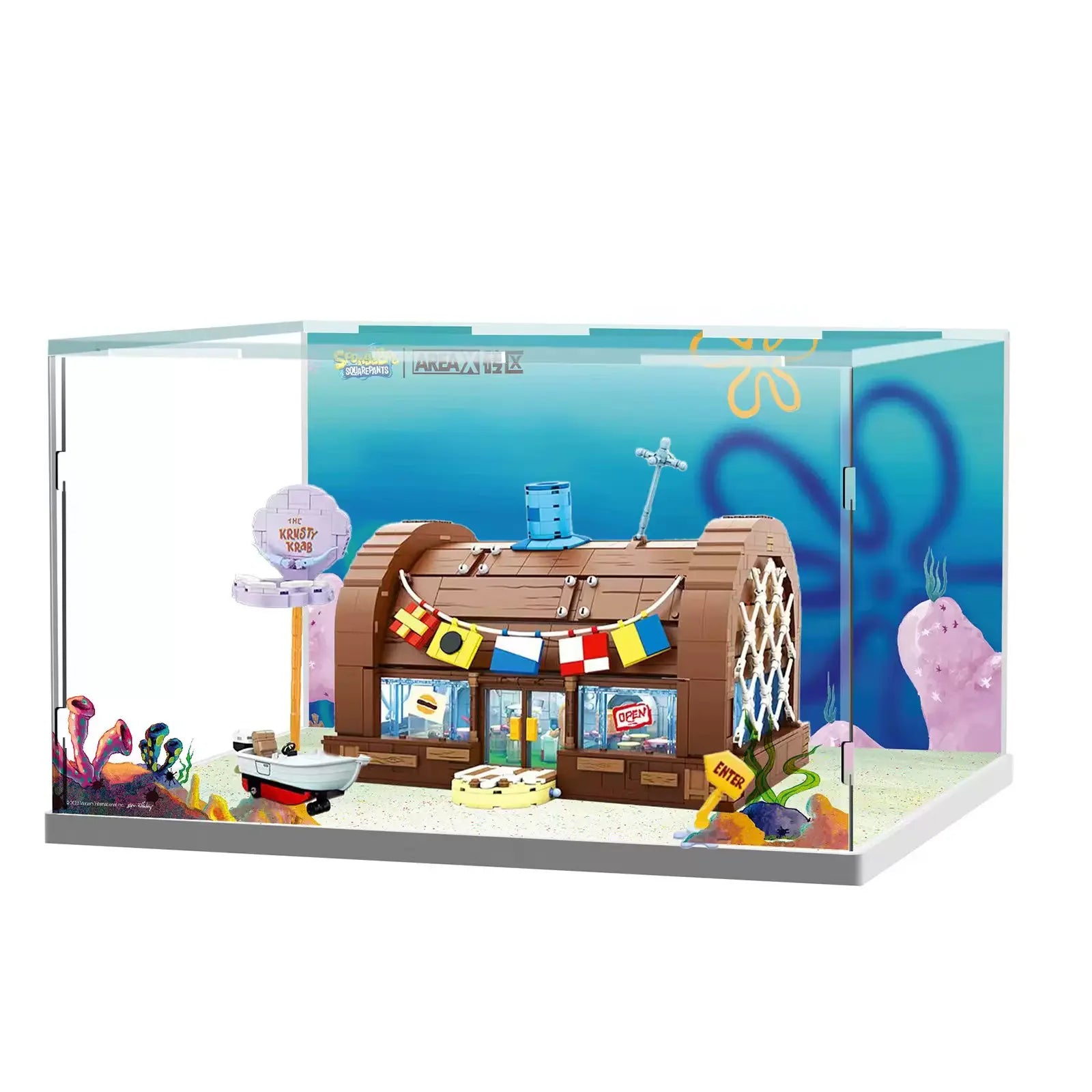
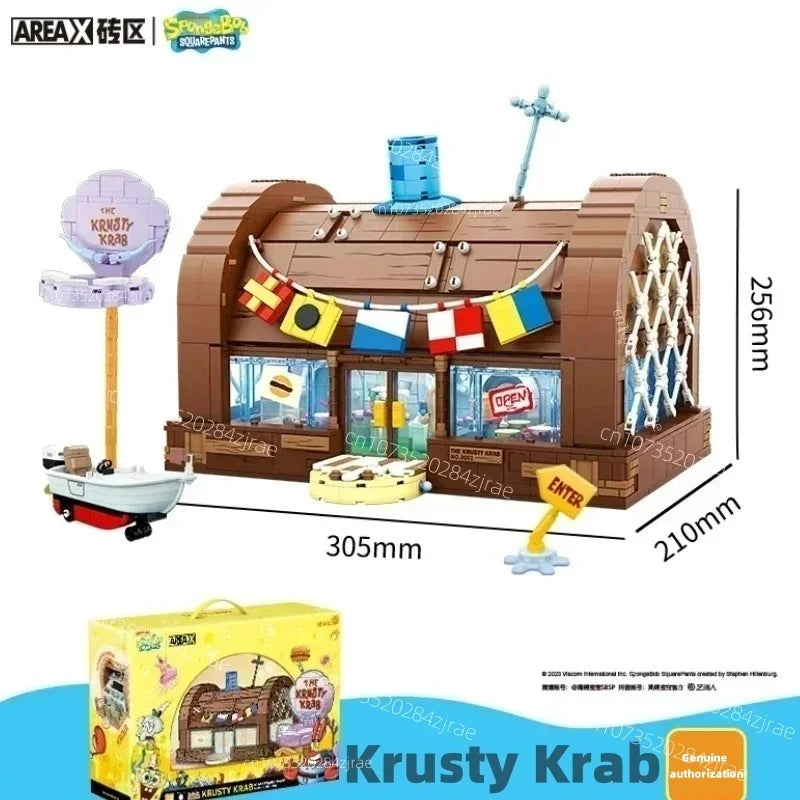
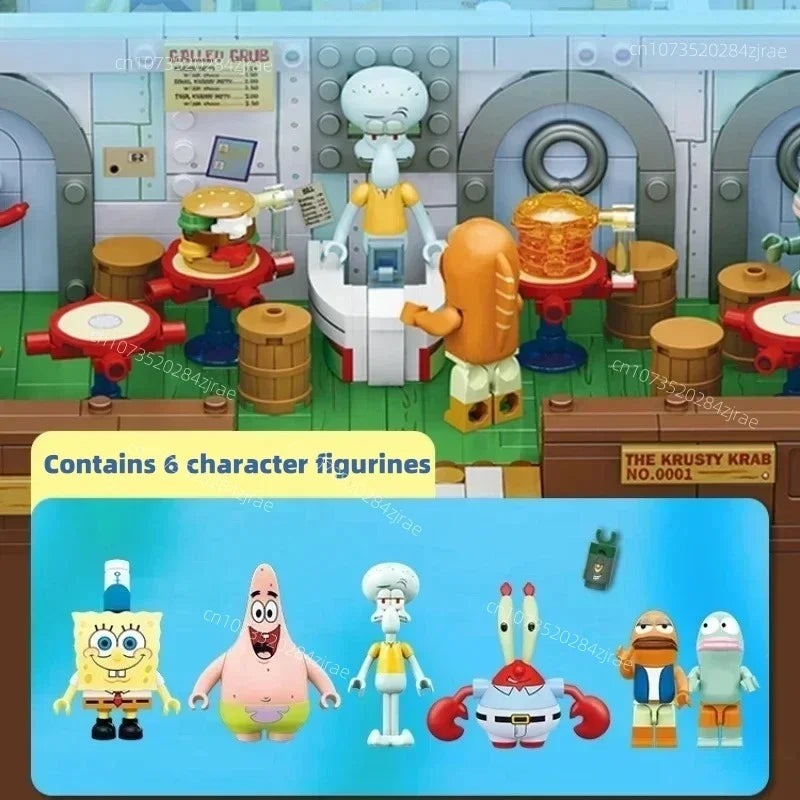
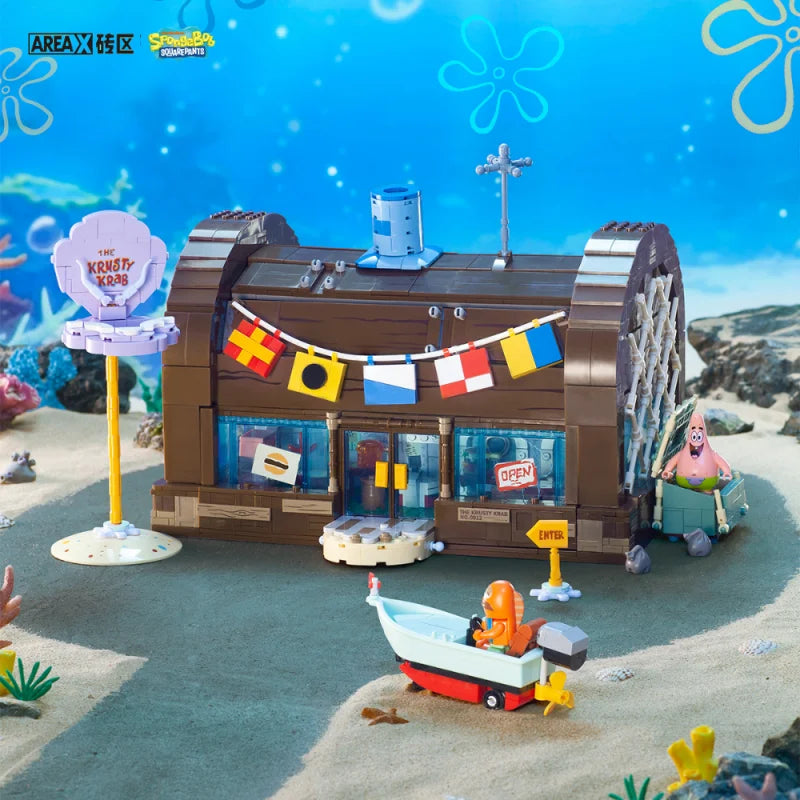
The SpongeBob Krusty Krab Building Block Set – Creative Fun represents a modern collectible category blending construction hobby appeal with franchise nostalgia.
- Iconic Krusty Krab restaurant recreation
- Display-worthy collectible model
- Compatible small building blocks
- Encourages focus and creative assembly
This type of collectible appeals to newer collectors who value both interactive building experiences and long-term display potential.
Soft CTA: View the full collectible build experience and see how creative display models fit into modern collecting trends.
McDonald's Happy Meal Variants
Mass-produced promotional toys generally have lower collector demand, but certain exceptions can become interesting when they include rare packaging, unusual variations, or strong franchise nostalgia.
Collecting Outlook for Early 2000s Cartoon Toys
Early 2000s cartoon collectibles continue to attract attention as a new generation of collectors revisits the entertainment they grew up with. Their long-term appeal will depend on continued fandom, preservation quality, and how future collectors value these cultural moments.
Pricing Update Methodology & Data Transparency
How We Review Vintage Toy Market Data
Reliable vintage toy values come from verified market activity rather than advertised prices. Collectors should focus on completed sales, condition details, and comparable versions of the same item when researching value.
- Review completed marketplace and auction sales
- Compare similar items with matching condition and packaging
- Remove unusual sales that do not represent typical collector demand
- Track pricing patterns over time instead of relying on a single listing
How to Estimate a Vintage Toy’s Current Value
Collectors researching vintage toy values can follow a simple process to create a more realistic estimate:
- Identify the toy’s production era, brand, and franchise
- Determine the condition grade, including packaging status and missing accessories
- Compare variants such as regional releases, exclusive versions, or packaging differences
- Review several recent verified sales to understand the current market range
Comparison Matrix: Vintage Toy Collectible Categories
| Category | Typical Rarity | Collector Demand | Condition Sensitivity | Collector Appeal |
| 1970s–1980s Movie Toys | Often rare in original condition | Strong due to iconic franchises | Very High | Historic significance and nostalgia |
| 1990s Cartoon Toys | Varies from common to limited releases | Growing among nostalgia collectors | High | Strong connection to childhood memories |
| 2000s Promotional Toys | Common releases with rare variants | Increasing among younger collectors | Medium–High | Accessible entry point for new collectors |
| Modern Display Builds | Depends on production limits and franchise popularity | Driven by fandom and creative display trends | Medium | Combines collecting with hands-on building |
Frequently Asked Questions
How much are vintage toy collectibles worth in 2026?
Vintage toy values vary widely based on the toy’s era, franchise popularity, rarity, condition, packaging, and recent collector demand. Common loose toys may sell for a modest amount, while rare sealed examples, prototypes, or limited releases can reach significantly higher prices. The most accurate way to estimate value is by comparing similar completed sales rather than relying on asking prices.
What makes a vintage toy valuable?
A vintage toy becomes more collectible when several factors combine, including limited production numbers, strong franchise recognition, historical importance, original packaging, and excellent condition. Items connected to popular movies, cartoons, or gaming franchises often attract more interest because multiple generations of collectors recognize their cultural impact.
Are old SpongeBob toys valuable or rare?
Some old SpongeBob toys and promotional collectibles have become increasingly popular among collectors, especially early licensed releases, complete sets, sealed packaging, and unusual promotional variants. Value depends on factors such as production details, condition, and whether the item has strong collector demand.
How can I appraise collectible figures in 2026?
To learn how to appraise collectible figures 2026, start by identifying the manufacturer, release year, franchise, and condition. Check for original accessories, packaging differences, production marks, and comparable sold listings. Collectors should evaluate multiple data points instead of judging value from a single online listing.
What do MOC, MISB, and loose complete mean in toy grading?
MOC (Mint on Card) means the figure remains unopened with its original card backing intact. MISB (Mint in Sealed Box) refers to a toy that remains factory sealed inside its original box. Loose complete describes an opened toy that still includes its original accessories and components.
How should I store vintage collectible toys?
Proper storage helps protect vintage toy collectibles from damage and preserves their long-term condition. Keep items away from direct sunlight, humidity, extreme temperatures, and dust. For boxed or carded toys, avoid stacking heavy objects on packaging and consider protective cases for especially valuable pieces.
How do I know if my vintage toy is valuable?
Look for indicators such as recognizable franchises, limited releases, original packaging, manufacturer markings, rare variants, and strong collector interest. Comparing your item with verified sales from similar examples is one of the best ways to understand its potential value.
What vintage toys are worth collecting in 2026?
Collectors continue to follow several categories, including classic action figures, licensed cartoon toys, movie franchise collectibles, rare promotional items, and display-focused hobby builds. The best choices depend on personal interest, authenticity, condition, and long-term enjoyment rather than guaranteed financial returns.
How do collectors determine toy prices?
Collectors typically evaluate toy prices by reviewing production history, rarity, condition grade, packaging quality, franchise demand, and recent completed sales. A structured evaluation approach helps separate realistic market value from inflated listing prices.
Are unopened vintage toys always worth more?
Unopened toys often attract collectors because original packaging can increase desirability, but sealed condition alone does not guarantee high value. Demand, rarity, authenticity, and the popularity of the franchise also play important roles.
How do I protect vintage toys from damage?
Protect vintage toys by storing them in a stable environment with controlled temperature and humidity, handling them with clean hands, avoiding harsh cleaning methods, and using protective storage solutions when appropriate. Careful preservation helps maintain both appearance and collector appeal.
Conclusion: Building Knowledge Before Building a Collection
The modern vintage toy collectibles market rewards collectors who research before they buy. By understanding era, brand, condition, packaging, rarity, authenticity, and verified market information, collectors can make more informed decisions and build collections with confidence.
Successful collecting is not only about finding expensive items. It is about understanding cultural value, preserving memorable pieces, and choosing collectibles that match personal interests. Whether collecting classic figures, nostalgic franchise toys, or creative display models, a thoughtful approach helps create a more enjoyable long-term hobby.
Soft CTA: Explore creative collectible ideas and hobby-style toys designed for learning, creativity, and display inside the Sensory Toys collection.
Pillar Article: Best Building Block Cartoon Sets for Kids & Teens (2026 Buyer’s Guide)





