

Why Is My Swim Cap Letting Water In? Causes and Easy Fixes
Does a swim cap stop water leaking into hair?
A swim cap helps reduce water leaking into hair, but no standard swim cap is completely waterproof. A properly fitted waterproof silicone swim cap creates a snug, water-resistant seal around the hairline, minimizing seepage, protecting hair from prolonged chlorine exposure, and making wet hair swimming far more comfortable.
Water Leaking Into Hair? Seal Your Swim Cap Properly
⏱ 7 min read
Water leaking into hair after every swim is frustrating, especially when you're already wearing a swim cap. In most cases, the problem isn't swimming technique—it's unrealistic expectations, poor fit, worn-out materials, or incorrect positioning. This guide explains why swim caps leak, how to improve the seal, and which materials perform best for keeping hair as dry as possible.
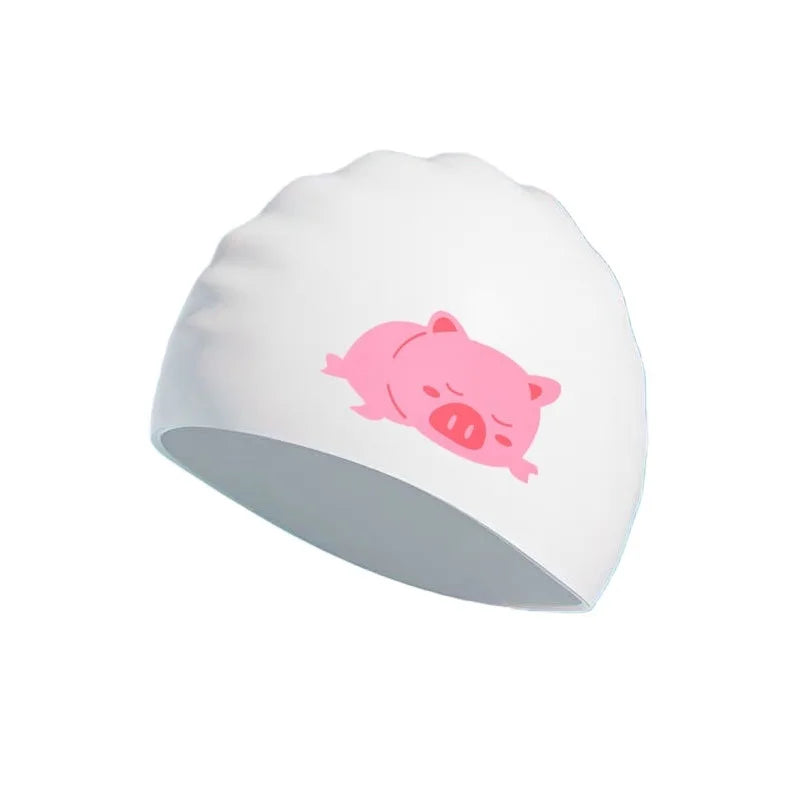
Water leaking into hair during swimming can be reduced with a waterproof silicone swim cap — See it in action
Why Is My Swim Cap Letting Water In?
Swim caps are water-resistant, not waterproof
If you're wondering why your swim cap is letting water in, the first thing to know is that standard swim caps are designed to be water-resistant—not completely waterproof. Their primary purpose is to reduce drag, keep hair contained, and limit water exposure rather than create an airtight seal.
Normal vs excessive water entry
A few drops of water around the hairline or ears are completely normal. However, if your hair becomes soaked after a short swim or you regularly experience water logged hair, the cap may not fit correctly or may no longer seal effectively.
Quick expectations for different swim types
- Recreational swimming: minor seepage is expected.
- Lap swimming: a well-fitted silicone cap should keep most hair relatively dry.
- Diving or vigorous flip turns: increased water pressure may force small amounts of water inside any cap.
Common Reasons Your Swim Cap Leaks
Most cases of water leaking into hair are caused by one or more of these issues rather than the cap itself.
Wrong size or poor fit
A cap that's too loose creates gaps around the forehead, temples, or neck, while one that's too tight may shift during swimming.
Incorrect hair placement
Long or thick hair should be tied into a low bun, braid, or flattened ponytail. Bulky hairstyles create pressure points that prevent an even seal.
Improper positioning over ears and hairline
The cap should sit low across the forehead and cover the ears evenly. Wrinkles near the temples or neck often become entry points for water.
Cap material differences
- Thin latex stretches easily but loses tension faster.
- Silicone provides better elasticity and a smoother seal.
- Lycra caps prioritize comfort but absorb water and offer the least protection against leaks.
Worn-out or damaged caps
Small tears, thinning silicone, or stretched edges reduce the cap's ability to prevent water from getting under the swim cap.
Looking for more swimming essentials? Browse Swimming Accessories or learn more in How to Choose a Swim Cap .
How to Stop Water Getting Into Your Swim Cap
These practical adjustments can significantly reduce swim cap leaking water.
Choose the correct cap size
Select a cap designed for your hair length and head size. Swimmers with thick or curly hair often benefit from larger silicone caps.
Secure hair before wearing the cap
Flatten loose hair as much as possible to eliminate bulky areas that create gaps.
Position the cap over the ears and hairline
Keep the front edge low on the forehead and smooth the edges around the ears and neck before entering the water.
Try the double-cap technique
Competitive swimmers sometimes wear two caps—typically a silicone cap over another cap—to reduce shifting during races and intense training.
Pre-wet your hair
Lightly damp hair helps the cap slide into position more evenly while allowing hair to absorb less chlorinated water during swimming.
Step-by-Step: How to Seal a Swim Cap Properly
Following a consistent routine helps prevent water from getting under your swim cap.
- Prepare your hair: Tie long hair into a low bun, braid, or flattened ponytail.
- Lightly dampen hair: This reduces friction and makes positioning easier.
- Stretch the cap evenly: Hold both sides and avoid overstretching front to back.
- Place the cap from forehead to back: Pull it smoothly over the crown.
- Tuck loose hair: Remove wrinkles around the temples, ears, and nape.
- Release trapped air: Gently press the top of the cap for a flatter fit.
- Check the seal: Run your fingers around the edges to ensure there are no folds or gaps.
Using a quality waterproof silicone swim cap makes these steps more effective because silicone maintains its shape better than thinner materials.
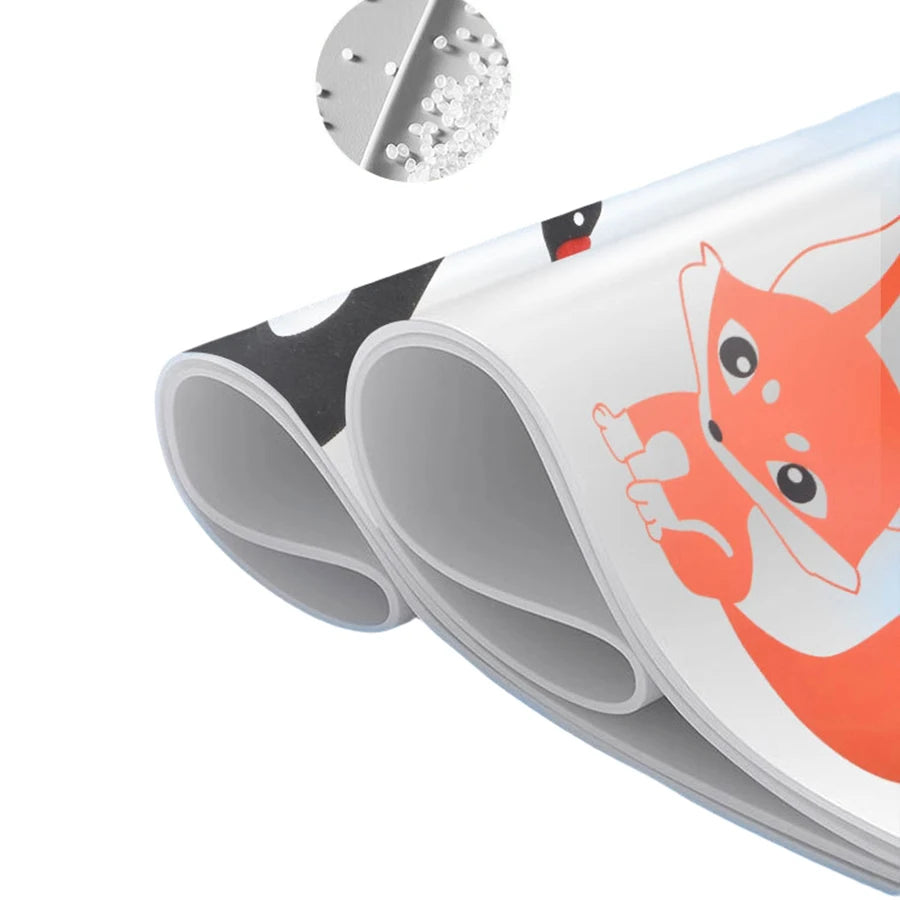
Proper sealing technique reduces water logged hair and improves comfort throughout your swim.
Silicone vs Latex vs Lycra: Which Reduces Leaks Best?
| Material | Water Resistance | Durability | Best For |
|---|---|---|---|
| Silicone | Excellent | High | Regular swimmers, long hair, minimizing leaks |
| Latex | Good | Moderate | Competitive swimmers seeking a tight fit |
| Lycra | Low | High | Comfort, light training, keeping hair contained |
For swimmers focused on keeping hair dry while swimming, silicone generally offers the best combination of elasticity, durability, and leak resistance. Learn more in our swim cap materials guide .
Signs Your Swim Cap Is the Problem
If you've adjusted your technique but still experience water leaking into hair, inspect the cap itself.
- It slips backward during every swim.
- The edges feel loose compared with when it was new.
- Visible tears or thinning appear near the temples.
- Hair becomes consistently water logged despite proper fitting.
- The cap has lost elasticity after months of regular use.
Replacing an aging cap is often more effective than repeatedly adjusting its position.
Care Tips to Maintain a Better Seal
- Rinse with fresh water after every swim to remove chlorine.
- Air dry naturally away from direct sunlight and heat.
- Avoid overstretching the cap while putting it on.
- Store it flat rather than folded to preserve its shape.
- Keep sharp fingernails and jewelry away from the silicone surface.
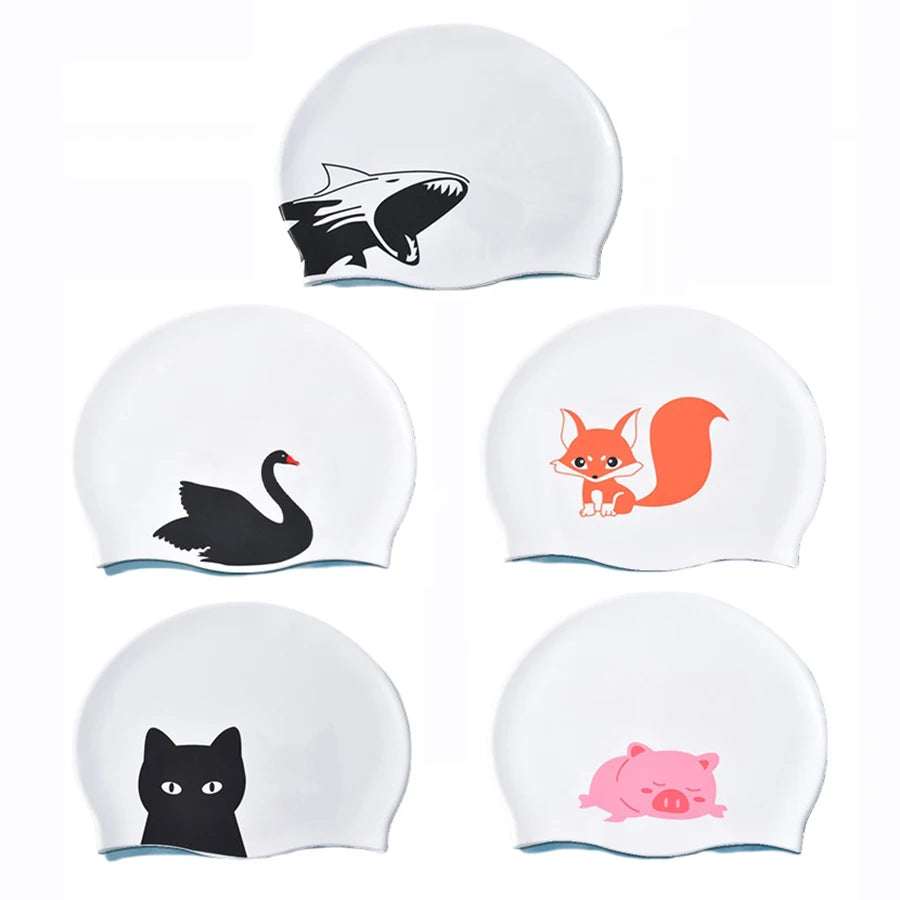
Proper care helps maintain elasticity and improves your swim cap's ability to reduce water leakage.
Quick FAQ
Can any swim cap fully keep hair dry?
No. Swim caps are designed to reduce water exposure rather than eliminate it completely. A well-fitted silicone cap minimizes leakage far better than thinner alternatives.
Why does my hair still get wet around the ears?
The ear area is one of the easiest places for water to enter. Smooth the cap carefully around both ears and check that no folds remain.
Is silicone better than latex for swimming?
For most swimmers, yes. Silicone is more durable, holds its shape longer, and typically provides a more consistent seal.
Should I wear two swim caps?
Most recreational swimmers don't need two caps, but competitive swimmers sometimes double-cap to reduce movement during starts, turns, and races.
How do I keep long hair dry while swimming?
Tie hair into a low bun or braid, flatten it evenly under a properly sized silicone cap, and carefully seal the edges around the forehead, ears, and neck before entering the water.
Related Guide: How to Wear a Swim Cap Without Pulling or Leaks





