

Ways to Study Better: Tools vs Methods Compared
What are the most effective ways to study better?
Ways to study better combine structured methods with simple tools that boost focus, retention, and motivation. Techniques like active recall, spaced repetition, and short study sessions paired with visual aids or trackers can improve results by up to 30–50%, while making study time more enjoyable and easier to maintain consistently.
Ways to Study Better: Tools vs Methods Compared
Looking for ways to study better without burning out or losing focus? This guide breaks down the difference between tools and fun study methods, showing you smarter ways to make study time more enjoyable while boosting results. You’ll also discover practical tips to improve kids reading engagement and learn exactly how to track reading progress for kids without stress. Small changes can unlock big gains—but which approach actually works best for long-term success?
⏱ 8 min read
Do you ever feel like studying takes too long… or your child loses focus after just a few minutes? You’re not alone. Many students and parents struggle with staying consistent, making learning enjoyable, and actually seeing progress.
Which approach works better—tools or methods? The answer might surprise you.
Explore creative learning aids like 3D Animal Bookmarks that make reading more engaging from day one.

Fun study methods + ways to study better 💡 See it in action
Tools vs Methods: What’s the Difference?
When exploring ways to study better, it’s important to understand two key elements:
- Study methods: Techniques that improve how you learn (like memory strategies)
- Study tools: Physical or digital aids that support learning
Think of methods as the “brain strategy” and tools as the “support system.” One without the other often leads to frustration.
Why this matters for parents and students
Kids often lose interest not because learning is hard—but because it feels boring or overwhelming. The right mix makes study time smoother and even enjoyable.
For more engaging learning ideas, explore Baby Growth & Learning resources designed to support early development.
Best Study Methods That Actually Work (And Feel Less Stressful)
Ways to study better often start with proven methods that improve memory and focus without adding pressure. Techniques like spaced repetition, active recall, and short focused sessions help learners retain up to 50% more information while reducing burnout and making study time more manageable and enjoyable.
1. Active Recall (Stop Passive Reading)
- Ask questions instead of rereading
- Use flashcards or self-quizzes
- Encourages deeper thinking
2. Spaced Repetition (Study Smarter, Not Longer)
- Review information over increasing intervals
- Helps long-term memory retention
- Ideal for kids learning reading habits
3. Pomodoro Technique (Beat Short Attention Spans)
- 25 minutes study + 5 minutes break
- Prevents burnout
- Great for young learners
4. Gamified Learning (Make It Fun)
- Turn lessons into games or challenges
- Use rewards or visual progress trackers
- Boosts motivation instantly
These are some of the most effective fun study methods that turn frustration into excitement.
Study Tools That Make Learning Easier (And More Enjoyable)
Even the best methods can fail without the right environment. That’s where tools come in.
Popular Study Tools That Actually Help
- Visual bookmarks → Keep kids engaged in reading
- Timers → Improve focus cycles
- Reading trackers → Show visible progress
- Sensory aids → Help with focus and calmness
Explore playful options in Sensory Toys to support attention and learning.
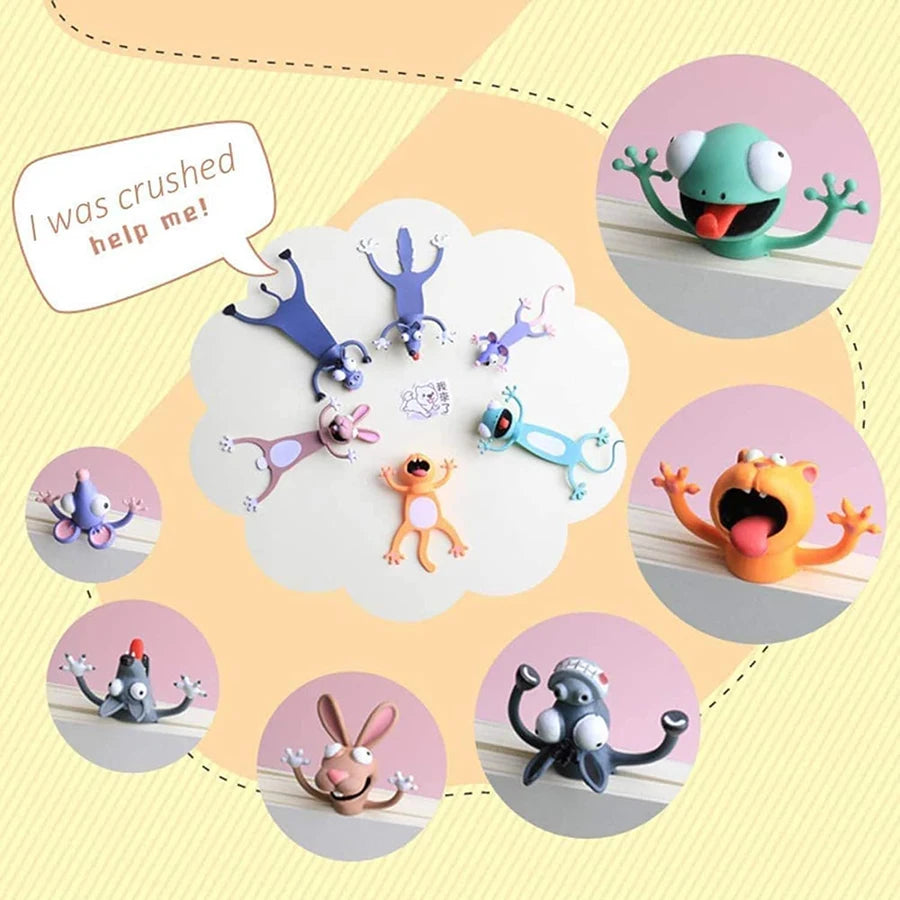
Ways to make study time more enjoyable 💡 See it in action
Try 3D Animal Bookmarks to turn every page into a fun discovery.
Tools vs Methods: Which One Works Better?
| Factor | Study Methods | Study Tools |
|---|---|---|
| Effectiveness | High (core learning improvement) | Medium (supportive role) |
| Ease of Use | Requires practice | Instantly usable |
| Engagement | Moderate | High (especially for kids) |
| Long-Term Results | Strong | Depends on usage |
| Best For | Teens & adults | Young learners & beginners |
Key takeaway: Methods build knowledge, tools keep motivation alive. The best results come from combining both.
How to Improve Kids Reading Engagement (Without Pressure)
Many parents worry when kids resist reading. The secret? Make it feel like play, not work.
Simple Ways to Boost Engagement
- Let kids choose their own books
- Use colorful reading tools like bookmarks
- Create a cozy reading space
- Celebrate small wins
Helpful products from Sleep & Comfort can create a calm reading environment.
Real Parent Insight
“My child went from 5 minutes of reading to 20 minutes daily just by adding fun bookmarks and a reward chart.”
Sometimes, ways to make study time more enjoyable are surprisingly simple.
How to Track Reading Progress for Kids (Without Stress)
Tracking progress shouldn’t feel like a chore—for you or your child.
Easy Tracking Methods
- Use sticker charts or visual logs
- Set weekly reading goals
- Track time, not just pages
- Celebrate milestones (not perfection)
Pair these with supportive tools from Baby Growth & Learning to build consistent habits.
Pro tip: Visual progress boosts motivation more than verbal reminders.
How to Combine Tools and Methods for Best Results
The real magic happens when you combine both.
Example Routine That Works
- Start with a 20-minute Pomodoro session
- Use active recall questions
- Track progress visually
- Reward with a fun break
This approach reduces resistance, improves retention, and builds long-term habits.

Tips to improve kids reading engagement 💡 See it in action
Get started with 3D Animal Bookmarks — limited stock available!
FAQs
What are the easiest ways to study better for beginners?
Start with simple methods like short study sessions, active recall, and visual tools. Keeping study time fun and manageable helps build consistency without overwhelm.
Are study tools or methods more important?
Methods are essential for learning effectiveness, but tools enhance engagement and consistency. The best results come from using both together.
How can I make study time more enjoyable for kids?
Use fun study methods like games, colorful tools, and rewards. Creating a comfortable environment and letting kids choose materials also improves engagement.
How do I track reading progress without stressing my child?
Use visual trackers, celebrate small milestones, and focus on consistency rather than perfection. Keep it positive and encouraging.
Pillar Article: Accessories for Readers: 12 Must-Haves Compared
Other Related Articles:
- Cute Printable Bookmarks: Which Designs Kids Love Most?
- E Reader Accessories Compared: What Do You Really Need?
- Portable Book Light Reviews: Top Picks for Night Reading
- Magnetic Bookmarks Cats vs Paper: Which Lasts Longer?
Explore More:





