

What Are Jump Ropes Good For? Benefits Kids Actually Notice
What are jump ropes good for?
What are jump ropes good for? Jump ropes help kids build coordination, balance, cardiovascular fitness, and confidence while encouraging active daily play. They provide a simple way to reduce sedentary screen time, improve movement skills, and create healthy exercise habits using affordable equipment that works both indoors and outdoors.
What Are Jump Ropes Good For? Real Results From Parents
⏱ 7 min read
What are jump ropes good for is a question many parents ask when looking for simple ways to keep children active. Whether your goal is improving coordination, encouraging independent play, or creating healthier daily routines, a jump rope offers an inexpensive activity that grows with your child while making exercise feel like fun instead of work.
Many children spend large parts of the day sitting during school, homework, or recreational screen use. Parents often look for activities that are easy to introduce, enjoyable enough to repeat, and beneficial for long-term development. Jump ropes meet all three goals while requiring very little space or preparation.
Fun coordination exercises that reduce sedentary screen time — See it in action
Why Parents Are Choosing Jump Ropes for Active Play
Parents appreciate activities that are simple enough for everyday use yet engaging enough that children choose them voluntarily. A jump rope requires almost no setup, encourages independent movement, and easily becomes part of after-school or weekend routines.
- Provides quick movement breaks between homework and other activities.
- Encourages independent play without batteries or screens.
- Supports family games that children of different ages can enjoy together.
- Fits into apartments, backyards, driveways, parks, or school playgrounds.
- Offers an affordable way to build healthy exercise habits.
Unlike large play equipment, a jump rope is portable enough to travel with your family and convenient enough to use almost anywhere.
How Jump Ropes Benefit Kids in Everyday Life
Regular jumping challenges the body and brain at the same time. Children practice timing, rhythm, coordination, and endurance while enjoying a playful activity that naturally keeps them moving.
Build Coordination and Balance
Jumping requires the hands, feet, eyes, and core muscles to work together. Over time, children often develop smoother movement patterns that transfer to playground activities, sports, dancing, and everyday physical confidence.
Improve Cardiovascular Fitness
Even short jumping sessions elevate the heart rate and encourage active movement. Five to ten minutes of jumping can provide meaningful physical activity while helping children release energy in a positive way.
Support Confidence and Skill Development
Learning new jump patterns gives children clear milestones to achieve. As they master basic jumps, alternating feet, or counting consecutive jumps, many become more willing to try new physical challenges.
Reduce Passive Screen Time
Offering an enjoyable alternative often works better than simply limiting devices. Many families find that a jump rope naturally fills short breaks after school, before dinner, or during weekends, reducing passive screen time without constant reminders.
Indoor and Outdoor Ways to Use a Jump Rope
One advantage of jump ropes is their flexibility. They can be adapted for different living spaces and changing weather with a few simple safety precautions.
- Practice basic jumps indoors on soft flooring with enough overhead clearance.
- Use driveways, patios, parks, or playgrounds for longer sessions outdoors.
- Create family challenges by counting jumps or timing friendly competitions.
- Alternate jumping with stretching to keep younger children engaged.
Safety tips: Choose a clutter-free area, wear supportive shoes when possible, and make sure children have enough space around them before swinging the rope.
Pairing active toys with items from Baby Growth & Learning or Mobility & Training collections helps support balanced development.
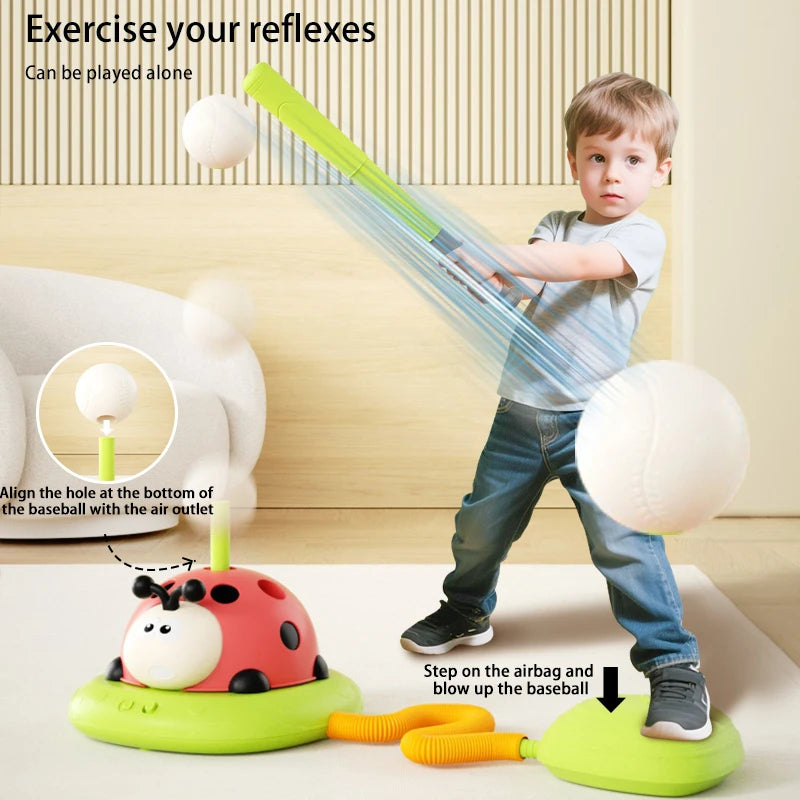
Motor coordination skills in action — See it in action
Why the Ladybug Jump Rope Game Toy Stands Out
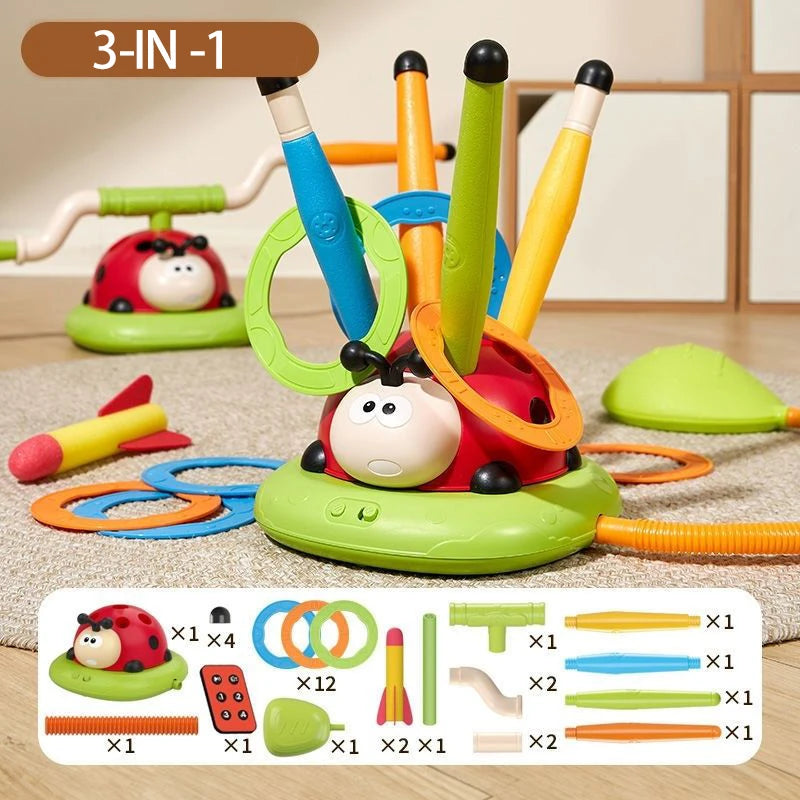
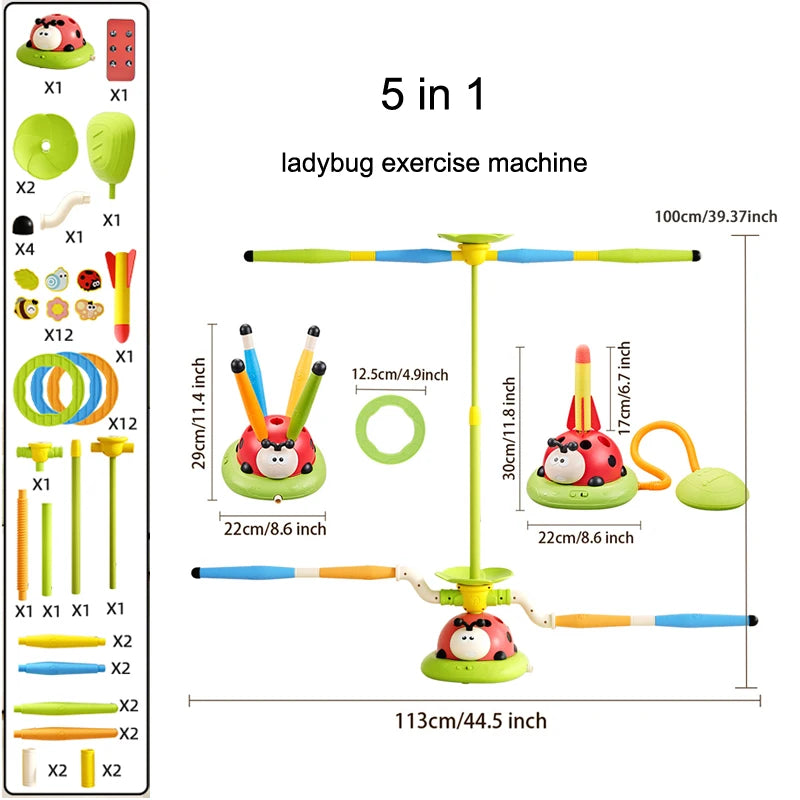
The Ladybug Jump Rope Game Toy combines playful design with practical features that make it appealing for young children who are just beginning to develop jumping skills.
Features Parents Appreciate
- Comfortable handles designed for smaller hands.
- Bright, playful styling that encourages frequent use.
- Durable construction suitable for regular play.
- Lightweight design that's easy to carry and store.
Best Age Range
The toy is well suited for young children who are learning basic coordination and rhythm. Parents can gradually introduce longer practice sessions as skills improve.
Ease of Use
No assembly or complicated instructions are required. Children can begin practicing basic jumps within minutes, making it easy to include in everyday routines.
Explore it here: Ladybug Jump Rope Game Toy
Jump Rope vs Other Active Toys
| Feature | Jump Rope | Scooter | Ball Games | Interactive Electronic Toys |
|---|---|---|---|---|
| Cost | Low | Medium | Low to Medium | Medium to High |
| Space Required | Low | Medium | Medium to High | Low |
| Cardio Activity | High | Moderate | Moderate to High | Low |
| Coordination Development | Excellent | Good | Good | Limited |
| Portable | Excellent | Moderate | Moderate | Good |
Jump Rope vs Scooter
Scooters are excellent for outdoor balance and mobility, while jump ropes provide a more compact option for developing rhythm, coordination, and cardiovascular fitness in smaller spaces.
Jump Rope vs Ball Games
Ball games promote teamwork and reaction time, but jump ropes allow children to practice independently whenever they have a few free minutes.
Jump Rope vs Interactive Toys
Interactive toys can entertain children, but jump ropes encourage sustained physical movement while building healthy exercise habits.
Parents often combine jump ropes with Sensory Toys or calming tools from Massage & Relaxation to balance active play with relaxation.
Real Parent Stories: Small Tool, Big Change
"My 7-year-old asks to jump before TV now."
"We didn't expect much, but the routine stuck. His balance and confidence improved quickly." — Amanda, TX
"Perfect for after-school energy."
"Ten minutes of jumping helps my daughter settle down before homework." — Brian, CA
"No more battles over screens."
"Having an activity she actually enjoys made limiting screen time much easier." — Melissa, NY
Reducing sedentary screen time through play — See it in action
Tips for Choosing the Right Jump Rope for Kids
- Choose a rope length appropriate for your child's height.
- Look for lightweight ropes that are easier for beginners to control.
- Select comfortable, non-slip handles designed for small hands.
- Durable materials help the rope withstand frequent outdoor and indoor use.
- Start with simple movements before introducing advanced tricks or longer sessions.
FAQ
Are jump ropes suitable for younger kids?
Yes. With the correct rope size and adult supervision, younger children can begin with simple jumps and gradually build coordination.
How often should kids use a jump rope?
Many families find that 5 to 10 minutes several times each week is enough to build skills while keeping the activity enjoyable.
Can jump ropes really replace screen time?
Jump ropes won't replace every screen-based activity, but they provide an engaging alternative that encourages children to choose active play more often.
Is this safe for indoor use?
Yes, provided there is adequate ceiling height, open floor space, and a surface that offers good footing.
What age can children start jumping rope?
Many children begin experimenting with jump ropes around ages 4 to 6, although readiness varies. Choosing a child-sized rope and keeping sessions short helps beginners learn safely.
How long should a child jump rope each day?
Short sessions of 5 to 15 minutes are generally enough for young children. It's better to focus on consistency and enjoyment than on long workouts.
Related Guide: Rope Jump Game Review: Is It Worth Buying?





