

What is e ink display: Honest review and key limitations explained
What is e ink display and does it really reduce eye strain?
What is e ink display? It’s a screen technology that mimics paper using reflected light instead of backlighting, which significantly reduces glare and blue light exposure. Many users report less eye fatigue during long reading sessions, but it has limitations in speed, color, and multimedia performance.
What is e ink display: Honest review and key limitations explained
What is e ink display and why are more people switching to it for daily reading and work? This guide breaks down the real experience, including e ink display vs oled eye comfort, the surprising android e ink phone pros and cons, and a practical guide to eye friendly devices children can actually use. Discover how it reduces strain, where it falls short, and whether it fits your lifestyle—or if there’s a smarter alternative waiting.
⏱ 8 min read
Staring at screens all day—work, scrolling, even bedtime reading—can leave your eyes dry, tired, and overstimulated. If you’ve ever wondered whether there’s a calmer, more natural way to read and browse, you’re not alone.
Which screen actually protects your eyes long-term? Read on to find out.
👉 Curious if this screen could change your daily habits?
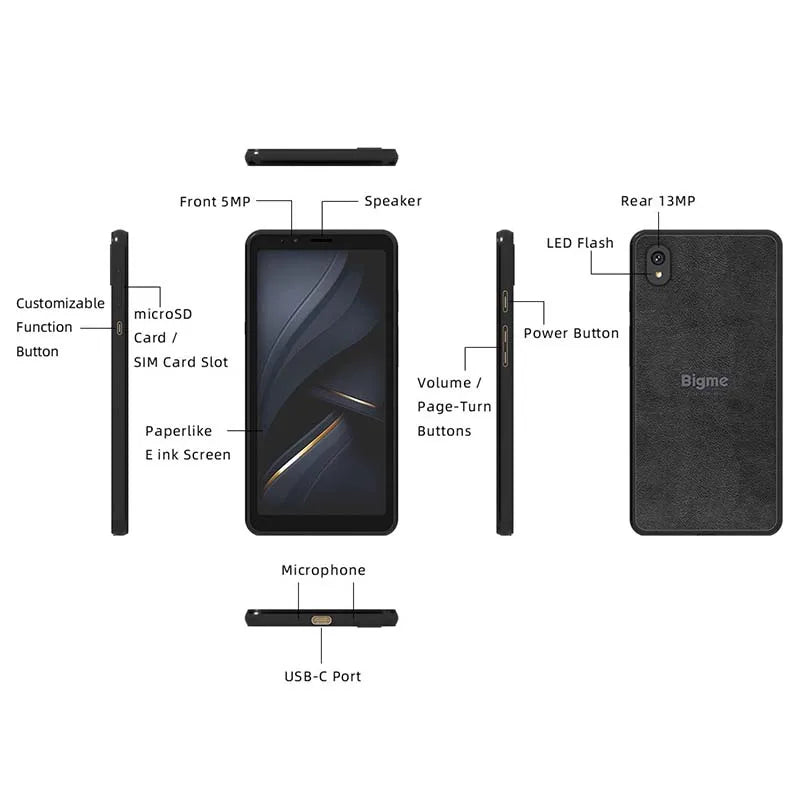
What is e ink display and why it matters for eye comfort 💡 See it in action
What is e ink display explained simply
What is e ink display? It’s a type of electronic screen that uses tiny capsules filled with black and white particles. When charged, these particles move to create text and images—without emitting light like traditional screens.
This creates a paper-like experience that feels closer to reading a real book than staring at a glowing screen.
- No constant backlight shining into your eyes
- Minimal flicker compared to LCD or OLED
- Readable even in bright sunlight
- Extremely low power consumption
That’s why e ink is commonly used in e-readers—and now, increasingly in smartphones.
How this display reduces eye strain naturally
If you’ve ever ended a long day with tired eyes or headaches, your screen might be the reason.
E ink displays help by:
- Reducing blue light exposure — a known disruptor of sleep cycles
- Eliminating harsh glare — especially in bright environments
- Providing stable images — no rapid refresh flicker
- Encouraging slower, mindful use — less overstimulation
For parents, this matters even more. Children’s eyes are still developing, making screen choices critical.
Pairing eye-friendly screens with tools from Health & Safety or calming routines from Sleep & Comfort can dramatically improve digital habits at home.
E ink display vs OLED eye comfort comparison
| Feature | E Ink Display | OLED Display |
|---|---|---|
| Light source | Reflective (like paper) | Emissive (self-lit pixels) |
| Eye strain | Low | Moderate to high |
| Blue light | Minimal | High |
| Refresh rate | Slow | Very fast |
| Color quality | Limited | Vivid |
| Best use | Reading, focus tasks | Video, gaming, apps |
In simple terms: OLED wins for entertainment, but e ink wins for comfort.
If your goal is reducing fatigue—not watching videos—e ink becomes a serious contender.
Android e ink phone pros and cons
Why people are switching
- Less addictive scrolling experience
- Improved focus and productivity
- Battery life lasting days, not hours
- Gentler on eyes for long reading sessions
Where it falls short
- Slow refresh makes scrolling feel laggy
- Limited app compatibility for media-heavy apps
- Muted or grayscale visuals
- Not ideal for gaming or video content
👉 Want a step-by-step guide to choosing the right device?
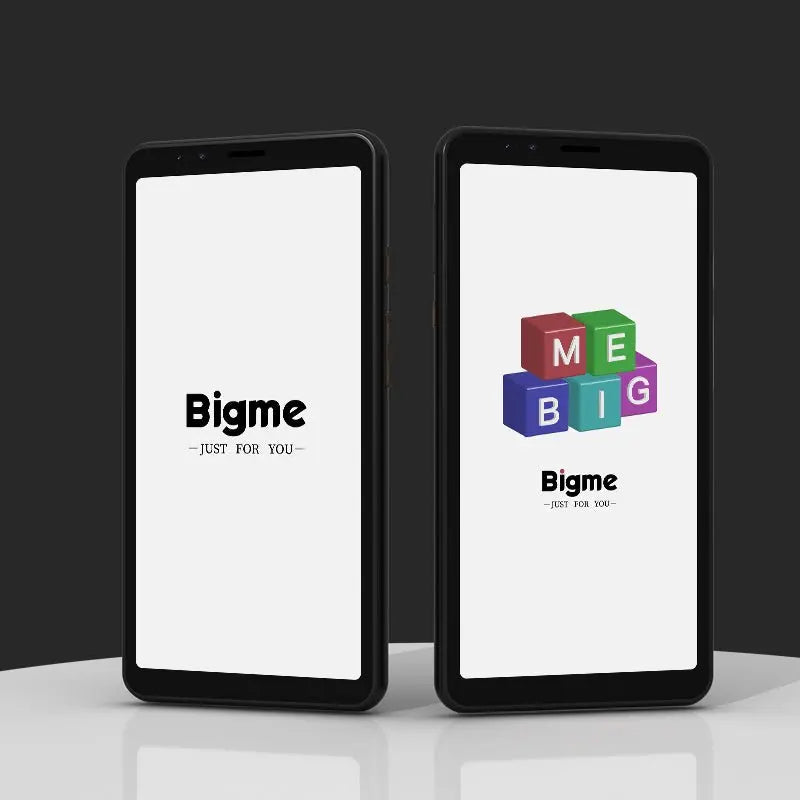
E ink display vs OLED eye comfort in real usage 💡 See it in action
Real-life usage: parents, kids, and daily routines
Imagine this: instead of your child watching bright, fast-moving videos before bed, they’re reading calmly on a screen that looks like paper.
That’s the shift many families are making.
For parents
- Less screen-related eye fatigue during work
- Better sleep quality after evening use
- Reduced digital overload
For children
- Safer exposure to screens
- Encourages reading habits
- Lower risk of overstimulation
Combining e ink devices with tools from Baby Growth & Learning or Sensory Toys creates a healthier, more balanced digital environment.
Key limitations you must know
Let’s be honest—e ink is not perfect.
- ❌ Not suitable for video streaming or gaming
- ❌ Slower navigation compared to smartphones
- ❌ Limited color support (mostly grayscale)
- ❌ Some apps may not work smoothly
These limitations are deal-breakers for some users—but for others, they’re exactly what makes the experience calmer and less distracting.
Who should actually consider switching
E ink devices are ideal for:
- 📚 Heavy readers
- 👩💻 Professionals working long hours on text
- 👨👩👧 Parents managing kids’ screen exposure
- 🌙 Anyone struggling with sleep due to screen use
If your priority is comfort, focus, and eye health—not entertainment—this could be a smart shift.
Final verdict: is it worth it?
Yes—if your goal is healthier screen time. E ink displays offer a noticeably calmer, less fatiguing experience compared to traditional screens. While they can’t replace a full smartphone for media use, they excel in reading, productivity, and eye comfort.
- ✅ Best for eye health and long reading sessions
- ✅ Great for reducing digital overload
- ❌ Not ideal for entertainment-heavy users
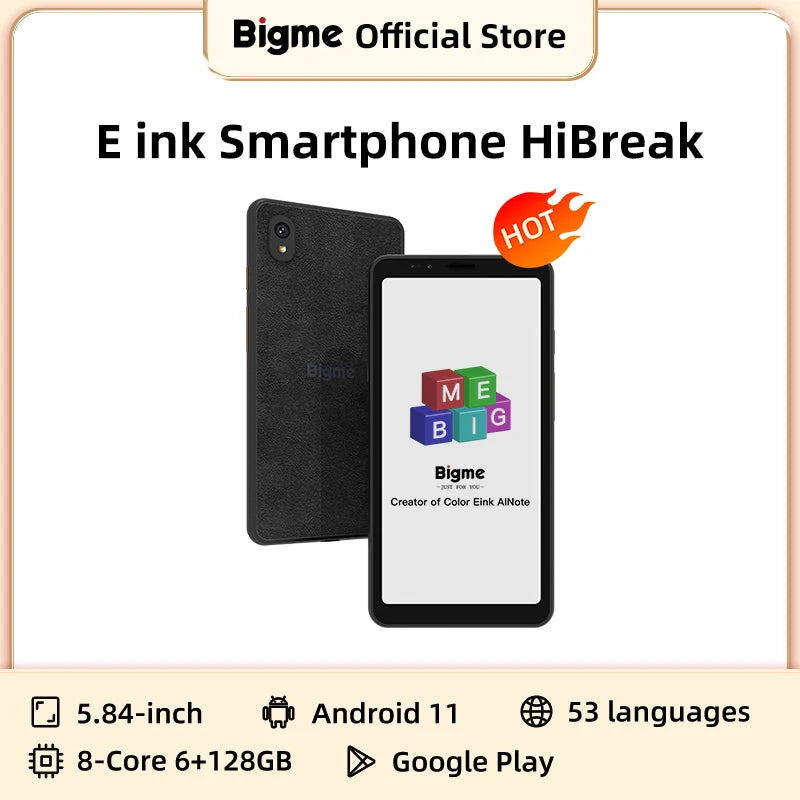
Android e ink phone pros and cons explained 💡 See it in action
👉 Ready to reduce eye strain and simplify your digital life?
FAQs
Is e ink display better for eyes than OLED?
Yes, for most users. E ink displays reduce blue light and glare, making them more comfortable for long reading sessions compared to OLED screens.
Can you use apps on an e ink phone?
Yes, especially on Android-based e ink phones. However, performance may vary depending on the app due to slower refresh rates.
Is e ink good for kids?
It can be a safer alternative for reading and learning, especially when combined with healthy screen habits and supportive tools.
What are the biggest downsides of e ink displays?
The main limitations are slow refresh speed, limited color, and reduced performance for video or interactive apps.
Pillar Article: E ink android phones: Full review and real-world performance test
Other Related Articles:
Explore More:





