

Wooden Montessori Toys Features That Boost Early Learning
Do wooden Montessori toys really help early learning?
Wooden montessori toys support early learning by encouraging hands-on exploration, focus, and self-correction through play. Designed around real-world skills, these montessori learning toys help children build problem-solving, fine motor control, and independence while using non toxic wooden toys that parents trust for safe, meaningful early childhood development toys.
Wooden Montessori Toys Features That Boost Early Learning
Wooden montessori toys are thoughtfully designed tools that help children learn through doing—not screens, noise, or overstimulation. Built around simplicity, purpose, and hands-on discovery, these montessori learning toys support focus, independence, and confidence during the most important years of growth. But which features truly make the biggest difference for real learning at home?
⏱ 8 min read
As parents, it’s easy to feel overwhelmed by toy options that promise learning but deliver clutter. Many families are looking for early childhood development toys that actually help children build skills—without plastic overload or safety worries. That’s where wooden montessori toys stand out.
Which learning toys genuinely help children concentrate, explore, and grow? Let’s break down the features that matter most.
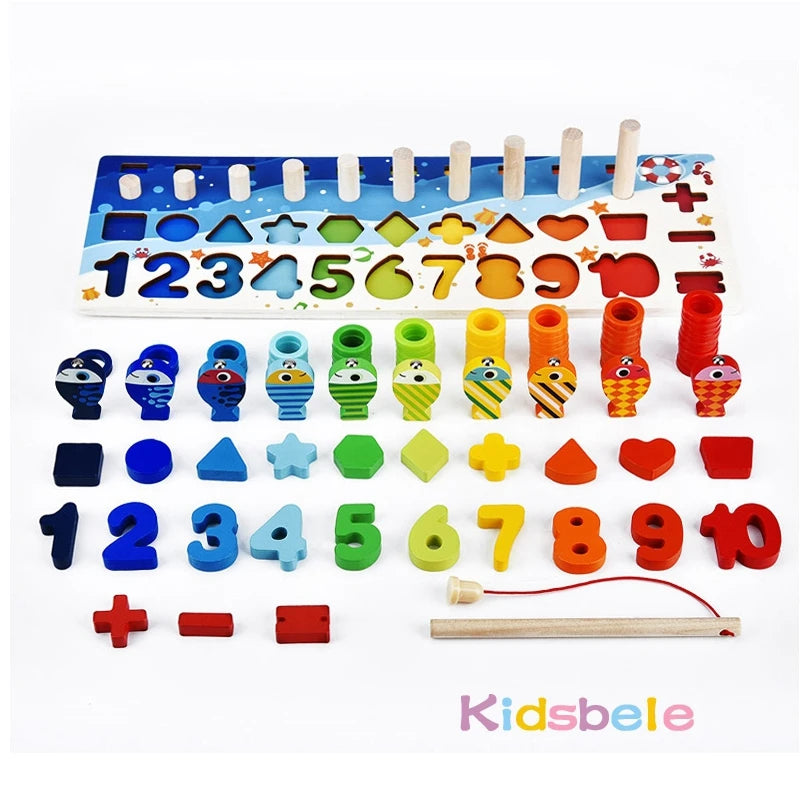
Wooden montessori toys encourage hands-on learning and focus 💡 See it in action
Hands-On Learning That Builds Real Skills
Wooden montessori toys are built around active participation. Instead of pushing buttons, children grasp, sort, stack, match, and problem-solve using their hands and minds together.
This type of play supports:
- Longer attention spans
- Better hand-eye coordination
- Stronger problem-solving skills
- Greater confidence through mastery
Parents often notice that children stay engaged longer with simple, purposeful toys compared to flashy alternatives. These benefits align closely with products found in Baby Growth & Learning, where learning happens naturally through play.
Why Natural Materials Improve Focus and Calm
One defining feature of wooden montessori toys is their use of natural materials. Smooth wood textures, neutral colors, and solid weight help reduce overstimulation and encourage calm exploration.
Compared to plastic toys, non toxic wooden toys:
- Create fewer distractions
- Feel more satisfying to touch
- Encourage slower, more thoughtful play
- Hold up better over time
Many parents report that children become more focused and less frustrated when playing with wooden toys—especially during quiet playtime or independent learning moments.
Self-Correcting Design Builds Independent Thinkers
Wooden montessori toys are intentionally designed so children can recognize mistakes on their own. A shape only fits one space. A puzzle piece either aligns or doesn’t.
This self-correcting feature helps children:
- Problem-solve without adult intervention
- Build patience and persistence
- Develop confidence through trial and error
- Learn cause-and-effect naturally
This independence is a core reason parents choose montessori learning toys over traditional options. You’ll find similar principles reflected in items across Sensory Toys designed for purposeful engagement.
Fine Motor Development Through Purposeful Play
Many early childhood development toys focus on entertainment rather than skill-building. Wooden montessori toys prioritize movement with intention.
Activities like threading, stacking, sorting, and fitting pieces help strengthen:
- Finger muscles
- Grip control
- Hand coordination
- Precision movements
These skills are essential for later tasks like writing, dressing, and feeding. Parents often notice improvements in everyday abilities after consistent play.
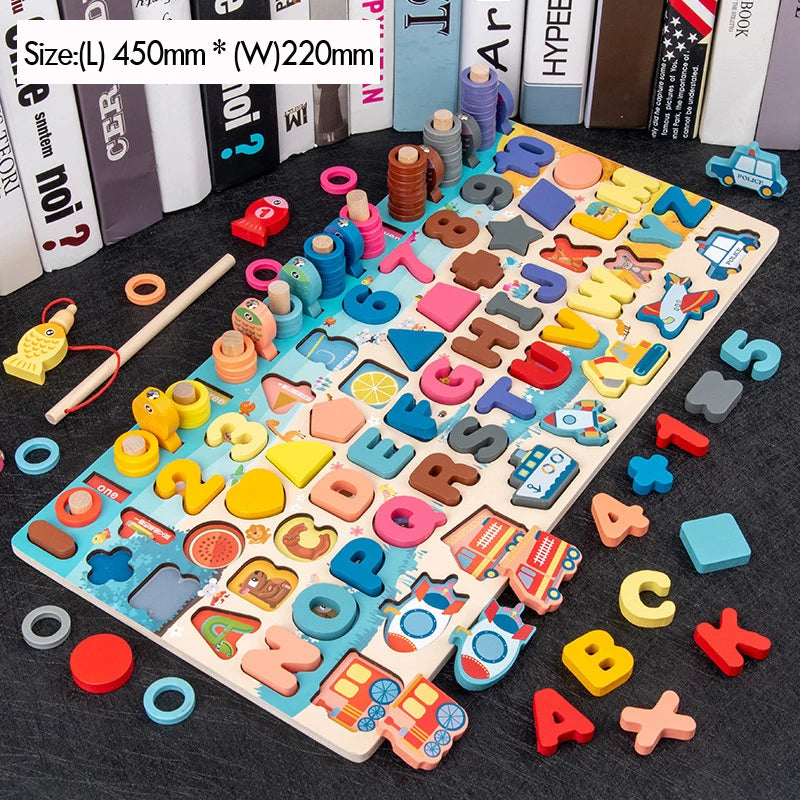
Montessori learning toys that strengthen fine motor skills 💡 See it in action
Supporting Early Math and Language Skills Naturally
Wooden montessori toys often introduce early math and language concepts without pressure. Number puzzles, counting boards, and sorting games allow children to explore at their own pace.
These toys support:
- Number recognition
- Basic counting and sequencing
- Shape and pattern awareness
- Vocabulary through guided play
A great example is the Montessori Math Toy Wooden Puzzle, which blends hands-on play with foundational math skills in a calm, engaging way.
Safety Benefits of Non Toxic Wooden Toys
Parents care deeply about safety—especially for toys used daily. Non toxic wooden toys are often finished with water-based paints and natural sealants, reducing exposure to harsh chemicals.
Key safety benefits include:
- Fewer synthetic materials
- Durable construction that resists breakage
- Smoother edges for safer handling
- Longer lifespan for repeated use
These qualities align closely with products found in Health & Safety, where protection and peace of mind come first.
How Wooden Montessori Toys Compare to Other Learning Toys
| Feature | Wooden Montessori Toys | Plastic Electronic Toys |
|---|---|---|
| Focus & Attention | Encourages long, calm engagement | Often overstimulating |
| Skill Development | Hands-on, real-world skills | Passive interaction |
| Safety | Non toxic wooden materials | May include synthetic chemicals |
| Durability | Built to last | Prone to breakage |
This comparison helps many parents justify choosing wooden montessori toys when quality and long-term learning matter most.
How to Choose the Right Montessori Toy for Your Child
Not all toys labeled “Montessori” follow true Montessori principles. Look for features that prioritize simplicity, purpose, and independence.
- Choose toys that focus on one skill at a time
- Look for natural materials and non toxic finishes
- Select age-appropriate challenges
- Observe how your child engages and adapts
Many parents find it helpful to explore curated options within Baby Growth & Learning to match toys with developmental stages.
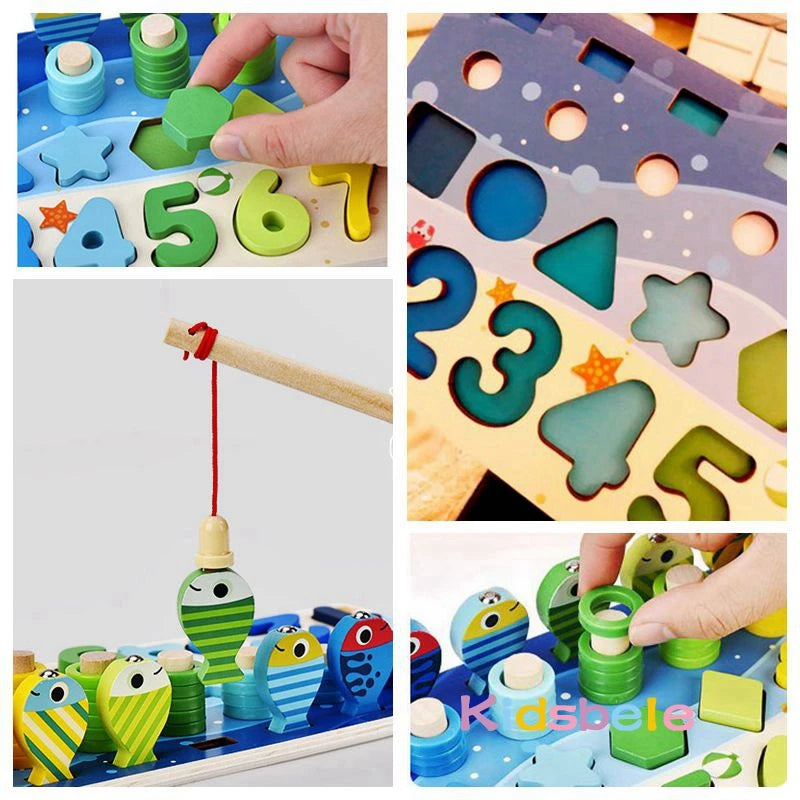
Early childhood development toys made from safe wooden materials 💡 See it in action
Frequently Asked Questions
At what age can children start using wooden montessori toys?
Many wooden montessori toys are suitable from 12 months and up, depending on complexity. Simple stacking or shape-sorting toys work well for toddlers, while puzzles and counting boards support preschool learning.
Are wooden montessori toys better than plastic toys?
Wooden montessori toys often provide calmer, more focused play and longer-lasting quality. Their hands-on design supports real skill development rather than passive entertainment.
How many montessori toys should a child have?
Fewer, well-chosen toys are usually more effective. Rotating a small selection keeps children engaged and prevents overwhelm while supporting deeper learning.
Do non toxic wooden toys require special care?
Most only need gentle wiping with a damp cloth. Avoid soaking or harsh cleaners to preserve the natural wood and finishes.





