

Are baby bottle alternatives really better for transitioning babies?
Baby bottle alternatives can make the transition from bottle to cup easier by reducing spills, supporting natural sipping, and encouraging independence. Options like infant feeding cups and spill proof bottles help babies as young as six months learn new drinking skills while minimizing mess and frustration for parents.
Baby Bottle Alternatives Compared for Easier Transitions
⏱ 6 min read
Gravity straw cup for toddlers sounds like a small upgrade, but it can completely change how your child drinks. Many parents struggle with leaks, nighttime messes, and the stress of choosing the best cups for 6 month olds. Could baby bottle alternatives actually make daily routines calmer and cleaner?
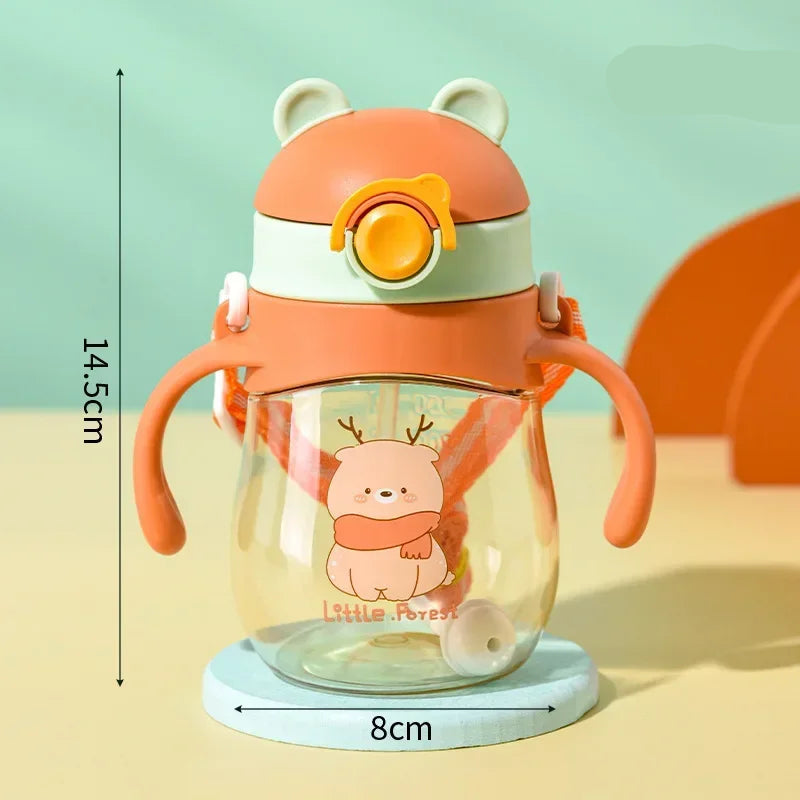
Baby bottle alternatives that reduce spills and support early sipping See it in action
Why Parents Are Exploring Baby Bottle Alternatives
Traditional bottles work well at first, but many parents notice challenges around six months. Babies begin sitting up, grabbing cups, and wanting independence. Leaks, nipple confusion, and prolonged bottle use can make this stage frustrating.
Baby bottle alternatives aim to bridge the gap by offering controlled flow, easier grip, and spill resistance. These features help babies learn new skills while giving parents peace of mind.
Common Types of Baby Bottle Alternatives
Infant Feeding Cup
An infant feeding cup introduces open or semi-open sipping. It supports oral development but may require supervision, especially early on.
Spill Proof Bottle
Spill proof bottles use valves or seals to reduce mess. They’re popular for travel and daycare where tipping is common.
Straw-Based Cups
Straw cups encourage tongue and lip movement. Many parents prefer them as a stepping stone toward open cups.
Side-by-Side Comparison of Popular Options
| Option | Spill Control | Ease for Baby | Best Age |
|---|---|---|---|
| Infant Feeding Cup | Low | Moderate | 6+ months |
| Spill Proof Bottle | High | Easy | 6–12 months |
| Gravity Straw Cup | Very High | Very Easy | 6+ months |
Why Gravity Straw Cups Stand Out
Baby bottle alternatives like gravity straw cups reduce leaking bottle messes by allowing liquid to flow only when sucked. This design supports independent sipping while keeping surfaces dry.
Parents often find these among the best cups for 6 month olds because babies don’t need to tilt the cup, reducing frustration and spills.
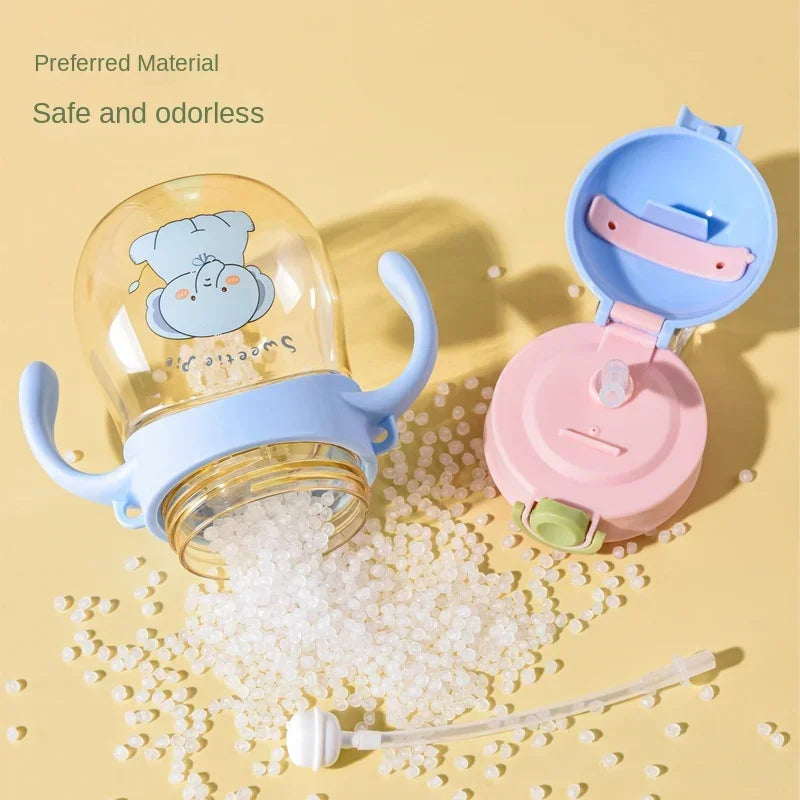
Spill proof straw cups that support independent drinking See it in action
How to Choose the Right Baby Bottle Alternative
- Look for spill resistance to reduce daily cleanup.
- Choose soft, safe materials suitable for teething.
- Consider handle design for small hands.
- Match flow rate to your baby’s age and ability.
Exploring options within Feeding & Nursing can help parents compare styles designed for similar stages.
What Real Parents Notice After Switching
Many parents report fewer outfit changes, calmer mealtimes, and babies who feel proud holding their own cups. One common theme is confidence—babies adapt quickly when spills are minimized.
Products paired with items from Baby Care Essentials often create smoother routines at home and on the go.
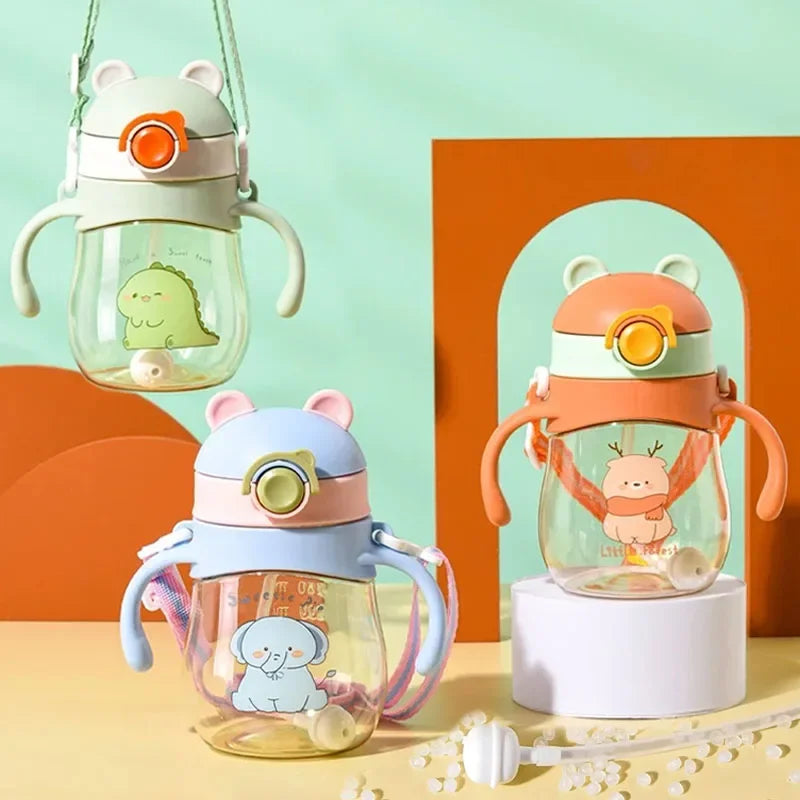
Toddler drinking cups designed for comfort and control See it in action
Quick FAQs
Are baby bottle alternatives safe for six-month-olds?
Yes, many baby bottle alternatives are designed specifically for this stage, using gentle flow and safe materials suitable for developing mouths.
Do spill proof straw cups really prevent leaks?
High-quality spill proof straw cups significantly reduce leaks by using sealed valves that release liquid only when sucked.
Can these cups replace bottles completely?
For many families, baby bottle alternatives gradually replace bottles, helping babies transition comfortably toward open cups.
Related Guide: Best Toddler Drinking Cup Compared for Mess-Free Sipping
UPGRADE PLAN { "outline": [ { "action": "MODIFY", "h2": "Music Activities for Preschoolers: Why They Matter and How to Use This Guide", "h3": [], "focus": [ "Define preschool music activities", "Who the guide is for", "Developmental benefits overview", "How to navigate activities" ], "keywords": [ "music activities for preschoolers", "music activities for preschool", "preschool music activities" ] }, { "action": "ADD", "h2": "Quick Activity Finder", "h3": [], "focus": [ "Age ranges", "Group size", "Prep time", "Learning goals", "Indoor vs outdoor" ], "keywords": [ "preschool music activity ideas", "music ideas for preschoolers" ] }, { "action": "MODIFY", "h2": "Music Activities by Learning Goal", "h3": [ "Music and Movement Activities for Preschoolers", "Rhythm and Beat Activities", "Listening and Sound Discrimination Games", "Singing and Language Development Activities", "Music Games for Preschoolers", "Instrument and Fine Motor Activities" ], "focus": [ "Step-by-step instructions", "Materials needed", "Skills developed", "Difficulty level", "Classroom and home adaptations" ], "keywords": [ "music and movement activities for preschoolers", "music games for preschoolers", "music exercises for preschoolers", "musical activities for preschoolers", "preschool music games" ] }, { "action": "ADD", "h2": "Toddler Music Activities vs Preschool Activities", "h3": [], "focus": [ "Developmental differences", "Simpler activity ideas", "Transition tips", "Safety considerations" ], "keywords": [ "toddler music activities" ] }, { "action": "MODIFY", "h2": "Quick No-Prep Music Activities", "h3": [], "focus": [ "Circle time", "Transitions", "Waiting games", "Rainy day ideas" ], "keywords": [ "preschool music activity ideas", "music ideas for preschoolers" ] }, { "action": "MODIFY", "h2": "Indoor, Outdoor, and Low-Noise Music Activities", "h3": [], "focus": [ "Quiet classroom ideas", "Outdoor movement", "Limited-space adaptations", "Weather alternatives" ], "keywords": [ "music activities for preschool", "music and movement activities for preschoolers" ] }, { "action": "ADD", "h2": "Teaching Tips for Successful Preschool Music Sessions", "h3": [], "focus": [ "Managing attention spans", "Inclusive adaptations", "Mixed-age groups", "Behavior and engagement" ], "keywords": [ "preschool music activities" ] }, { "action": "MODIFY", "h2": "Why Music Supports Preschool Development", "h3": [], "focus": [ "Cognitive skills", "Language development", "Social-emotional learning", "Gross and fine motor development", "Evidence-based benefits" ], "keywords": [ "music activities for preschoolers" ] }, { "action": "MODIFY", "h2": "Free Printable Music Activity Cards", "h3": [], "focus": [ "Printable uses", "Organization tips", "Extension ideas", "Related resources" ], "keywords": [ "preschool music activity ideas" ] }, { "action": "ADD", "h2": "Conclusion", "h3": [], "focus": [ "Choosing activities", "Mixing learning goals", "Consistency", "Encouraging creativity" ], "keywords": [ "music activities for preschoolers" ] } ], "internal_links": [ "Sensory activities for preschoolers", "Fine motor activities for preschoolers", "Gross motor activities for kids", "Circle time activities", "Preschool movement games", "Alphabet activities for preschoolers", "Outdoor activities for preschoolers", "Preschool crafts", "Toddler learning activities", "Preschool lesson plans" ], "faq": [ "What are the best music activities for preschoolers?", "How long should a preschool music activity last?", "What music and movement activities work for small classrooms?", "Can music activities be adapted for toddlers?", "Do preschool music games help language development?", "What instruments are safe for preschoolers?", "How can I keep preschoolers engaged during music time?", "What are good no-prep music activities for preschool?" ], "trim": [ "How to Use This List (Filters & Tags Explained)", "Teacher Tips: Adapting Activities for Any Group Size (merge into Teaching Tips)", "Low-Noise Music Activities for Indoor Classrooms (expand into Indoor, Outdoor, and Low-Noise Music Activities)", "What Are Music Activities for Preschool? (Quick Overview) (merge into introduction)" ] } RULES - Apply every instruction in the Upgrade Plan. - Keep all existing affiliate links unchanged. - Keep all existing internal links unchanged. - Keep all existing image URLs unchanged. - Preserve sections such as Related Articles, Related Posts and Recommended Reading. - Avoid duplicate headings. - Insert new sections only where specified. - Improve clarity, topical coverage, EEAT and readability. - Expand weak sections only when required. - Use natural keyword placement. - Keep semantic HTML clean. YEAR UPDATE If visible article text contains "2005", replace it with "2026". Do not modify years inside: - URLs - href attributes - image filenames OUTPUT REQUIREMENTS Return ONLY the final upgraded HTML article. The output must be valid HTML and ready to publish. Do NOT return: - Markdown - Explanations - Notes - Code fences - JSON - XML Return the HTML beginning with the first HTML element and ending with the last HTML element.





