

Do baby drool absorbent cloths really work?
Baby drool absorbent cloths are designed to pull moisture away from your baby’s skin using layered, breathable fabrics. By keeping saliva off the neck and chest, they help prevent rashes, reduce outfit changes, and keep babies more comfortable during teething, feeding, and playtime.
Baby Drool Absorbent Cloths: How to Keep Your Baby Dry
Drool happens—sometimes nonstop. From early teething to messy feeds, constant moisture can soak outfits, irritate delicate skin, and turn simple cuddles into frequent clothing changes. Baby drool absorbent cloths offer a practical way to manage the mess while keeping your little one dry, comfortable, and happy throughout the day.
⏱ 6 min read
Have you ever picked up your baby only to find their shirt, neck folds, and your shoulder completely soaked? It’s frustrating, especially when drool leads to redness or crankiness. The good news: choosing the right absorbent cloth can make everyday routines calmer and cleaner.
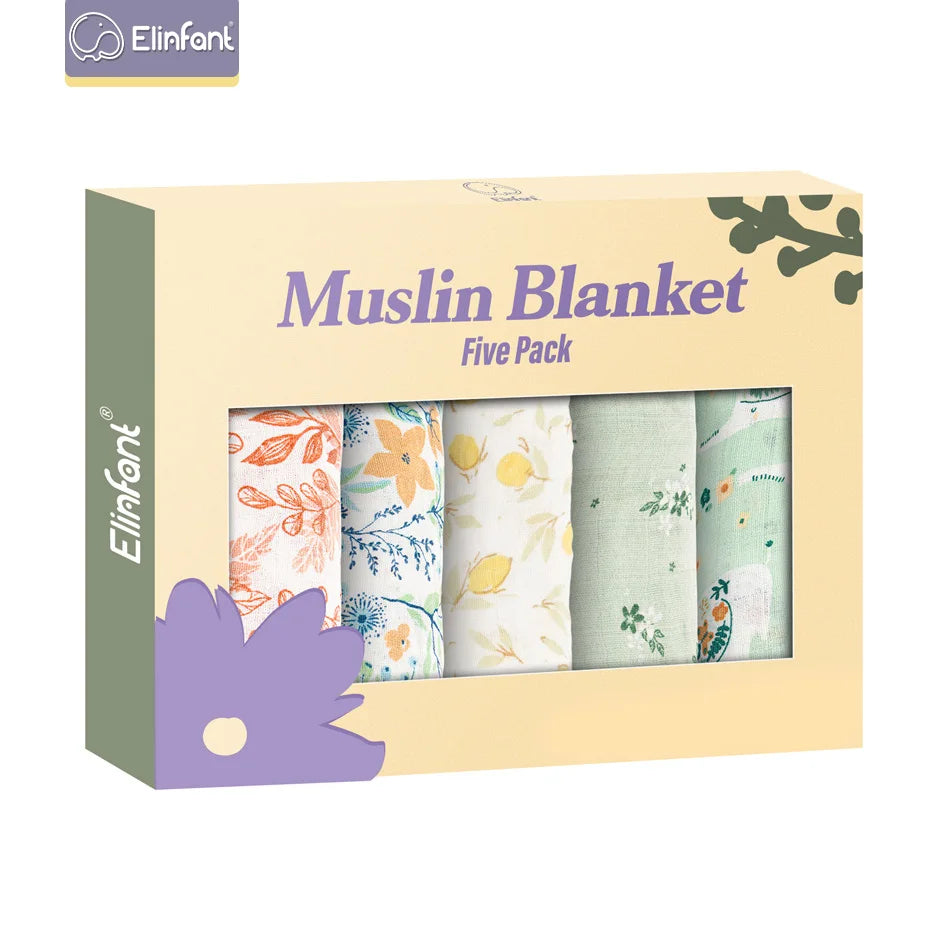
Baby drool absorbent cloths paired with soft newborn feeding bibs — 💡 See it in action
Why drool causes everyday problems
Drooling is completely normal, especially during teething and early feeding stages. But when moisture sits on the skin for hours, it can cause irritation and discomfort.
- Neck rashes from constant wetness
- Chilled skin after naps or stroller walks
- Multiple outfit changes each day
- Increased laundry and stress
This is why parents often look for solutions within Baby Care Essentials that reduce mess without adding bulk or discomfort.
What makes baby drool absorbent cloths effective?
Baby drool absorbent cloths work best when they combine fast-wicking inner layers with soft outer fabrics. Instead of letting saliva pool, they pull moisture inward and away from the skin.
High-quality options often include:
- Multi-layer bamboo or cotton blends
- Breathable backing to prevent heat buildup
- Secure yet gentle closures
- Contours that sit flat against the chest
Many parents prefer these over basic bibs found in general Feeding & Nursing categories because absorbent cloths focus on skin comfort, not just spill coverage.
How to choose the right bib for your baby’s age
Not all drool solutions work the same for every stage. Matching the cloth to your baby’s age and activity level is key.
For newborns
Soft newborn feeding bibs should be lightweight, flexible, and gentle enough for delicate skin. Look for flat seams and natural fibers that won’t rub the neck.
For teething babies
During heavy drooling phases, the best bibs for sensitive skin offer higher absorbency and quick drying. Adjustable snaps help maintain a snug fit as your baby grows.
For toddlers
Toddler bibs that absorb need larger coverage and durability. Active toddlers benefit from cloths that stay in place during play, meals, and stroller rides.
Parents often explore complementary items in Baby Care Tips & Advice to build a complete daily routine.
Step-by-step: how to use drool cloths correctly
- Place the cloth so it covers the chest and neck folds.
- Adjust closures to be snug but never tight.
- Change once damp to prevent prolonged moisture.
- Rotate 2–3 cloths throughout the day for freshness.
For feeding times, pairing absorbent cloths with tools from Feeding Tools helps keep both baby and caregiver cleaner.
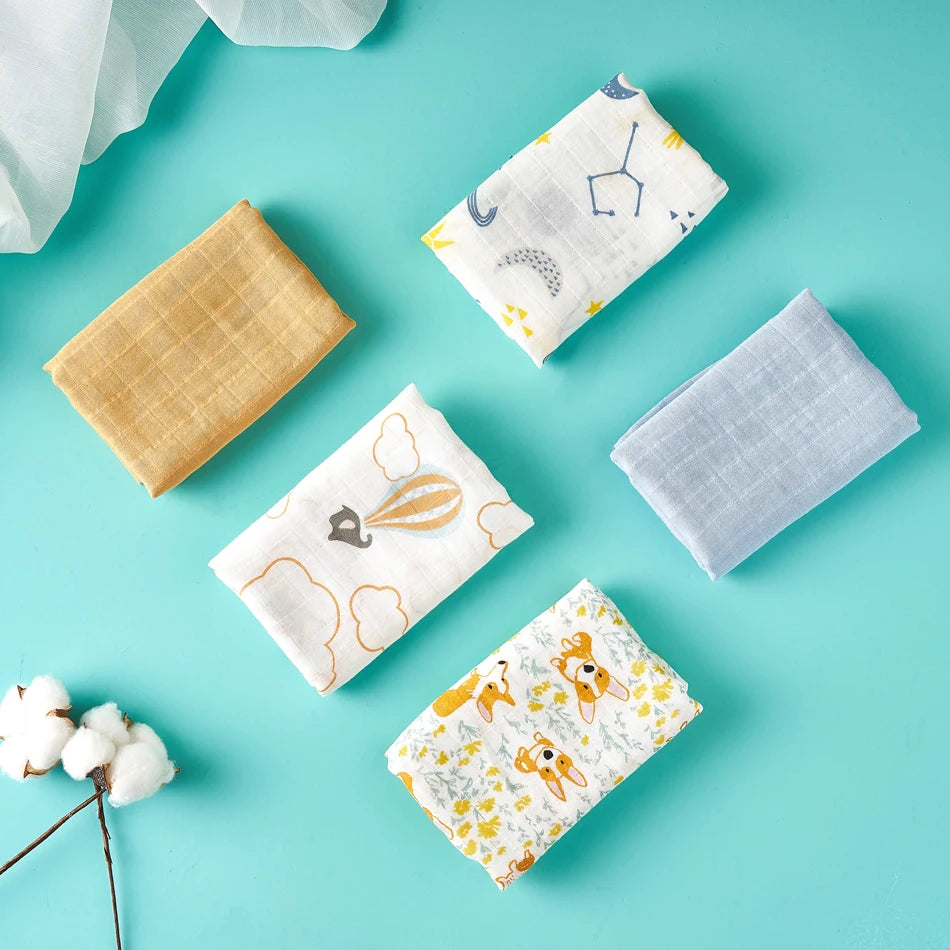
Toddler bibs that absorb heavy drool during meals — 💡 See it in action
Fabric comparison: what works best?
| Fabric | Absorbency | Skin Comfort | Drying Speed |
|---|---|---|---|
| Bamboo-cotton | High | Very gentle | Fast |
| Pure cotton | Medium | Gentle | Moderate |
| Polyester blends | Low–Medium | Less breathable | Fast |
Many parents favor bamboo-cotton blends for babies with sensitive skin, especially when combined with routines focused on Health & Safety.
Real parent results and experiences
Parents often report noticeable improvements within days:
- Fewer neck rashes during teething
- Less laundry each week
- Happier babies after naps
One caregiver shared that switching to absorbent cloths reduced outfit changes from six times a day to just two.
For families building a comfort-focused routine, pairing bibs with items from Sleep & Comfort collections can further support calmer days and nights.
Care, washing, and longevity tips
To keep baby drool absorbent cloths working effectively:
- Wash with mild detergent
- Avoid fabric softeners that reduce absorbency
- Air dry when possible
- Rotate sets to extend lifespan
Adding simple hygiene habits alongside items from Baby Hygiene Gadgets helps maintain a clean, irritation-free routine.
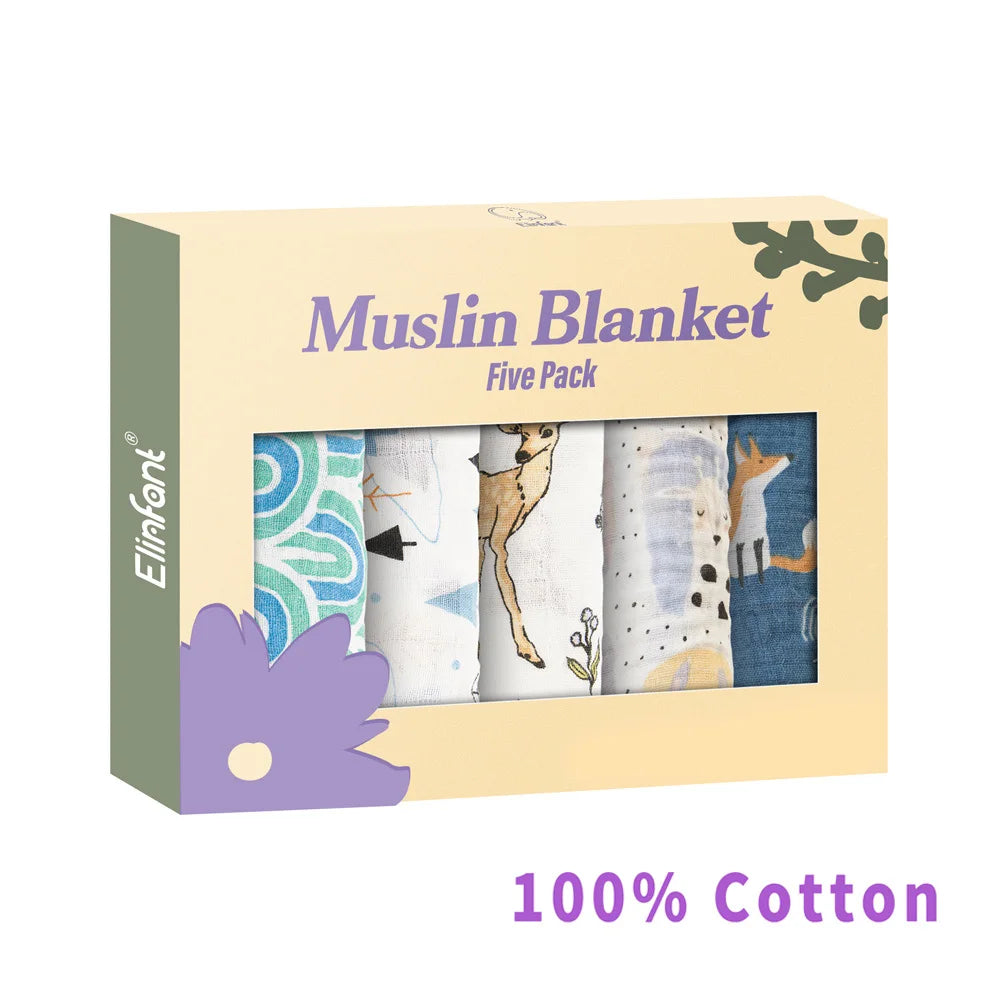
Best bibs for sensitive skin after washing — 💡 See it in action
Quick FAQ
How many drool cloths do I need per day?
Most babies need two to four cloths daily, depending on drooling intensity and feeding schedules.
Are absorbent cloths safe for newborn skin?
Yes, when made with soft, breathable fabrics designed for sensitive skin.
Can these replace traditional bibs?
Many parents use them daily and reserve traditional bibs for heavier meals.
Related Guide: How to Clean Bibs Pacifier: Step-by-Step Guide for Parents





