

Baby Led Weaning Supplies Compared What You Really Need
Does baby led weaning supplies really matter?
Baby led weaning supplies support safe self-feeding by giving babies tools sized for small hands, soft textures for gums, and stable bases that reduce spills. The right supplies can lower frustration, encourage independence, and even ease infant feeding refusal by making meals calmer, safer, and more predictable for both baby and parent.
Baby Led Weaning Supplies Compared: What You Really Need
⏱ 6 min read
Baby led weaning supplies can make the difference between stressful meals and confident self-feeding from day one. Parents often overbuy, yet the right silicone feeding set and well-designed infant feeding utensils can reduce mess, support motor skills, and ease infant feeding refusal. So what truly helps your baby thrive at the table—and what’s just clutter?
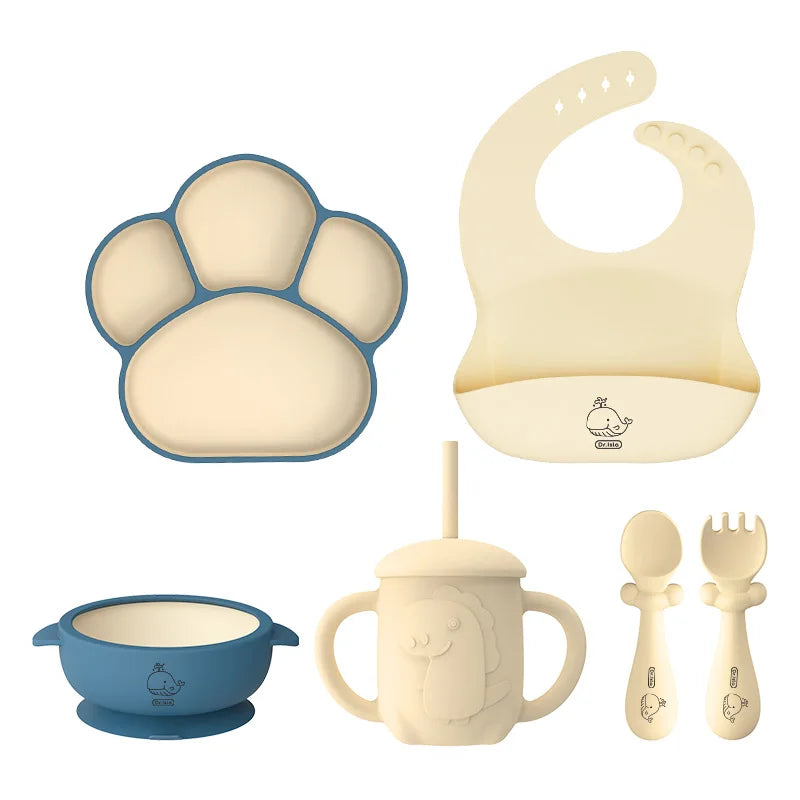
Baby led weaning supplies paired with a silicone feeding set help babies explore food safely 💡 See it in action
Why the Right Baby Led Weaning Supplies Matter
Baby led weaning shifts control from parent to baby. That sounds simple, but without proper tools, meals quickly become slippery, loud, and overwhelming. Plates slide, spoons drop, and babies get frustrated before learning can happen.
Thoughtfully designed baby led weaning supplies create a safer, calmer environment. Stable plates reduce spills. Soft utensils protect gums. Appropriately sized cups build confidence. Together, these small details support independence and positive mealtime experiences.
Essential Baby Led Weaning Supplies Compared
Baby led weaning supplies include plates, bowls, cups, and utensils designed for self-feeding. The best options balance safety, durability, and ease of cleaning while encouraging babies to grasp, scoop, and sip independently. Choosing fewer, better-designed items often works better than buying large sets.
- Silicone plates and bowls for grip and stability
- Infant feeding utensils sized for small hands
- Open or straw cups to build drinking skills
- Bibs or mats to manage mess without restricting movement
Many parents explore curated options within Feeding Tools to simplify early decisions and avoid mismatched items.
Silicone Feeding Set: Pros & Cons for Daily Use
A silicone feeding set is often the backbone of baby led weaning supplies. Food-grade silicone is soft, durable, and naturally non-slip, making it ideal for beginners.
| Pros | Cons |
|---|---|
| Gentle on gums and emerging teeth | Can retain odors if not cleaned well |
| Non-slip bases reduce plate flipping | Higher upfront cost than plastic |
| Dishwasher and heat safe | Heavier than thin plastic sets |
Parents seeking simplicity often choose a coordinated option like a children’s silicone tableware set to ensure consistent sizing and materials across meals.
Infant Feeding Utensils That Actually Help
Infant feeding utensils should match a baby’s developmental stage. Oversized spoons or hard edges can discourage exploration and increase refusal.
- Short handles support palmar grasp
- Shallow spoon heads prevent overloading
- Soft tips protect sensitive gums
- Textured grips reduce slipping
When utensils feel manageable, babies are more likely to participate willingly, turning meals into practice instead of pressure.
Side-by-Side Comparison: What’s Worth It?
| Item | Best For | Skip If |
|---|---|---|
| Silicone plate with suction | Mess reduction, independence | Your baby removes suction easily |
| Soft silicone spoon | Early self-feeding | Baby already manages metal safely |
| Open cup | Motor skill development | You prefer spill-free practice |
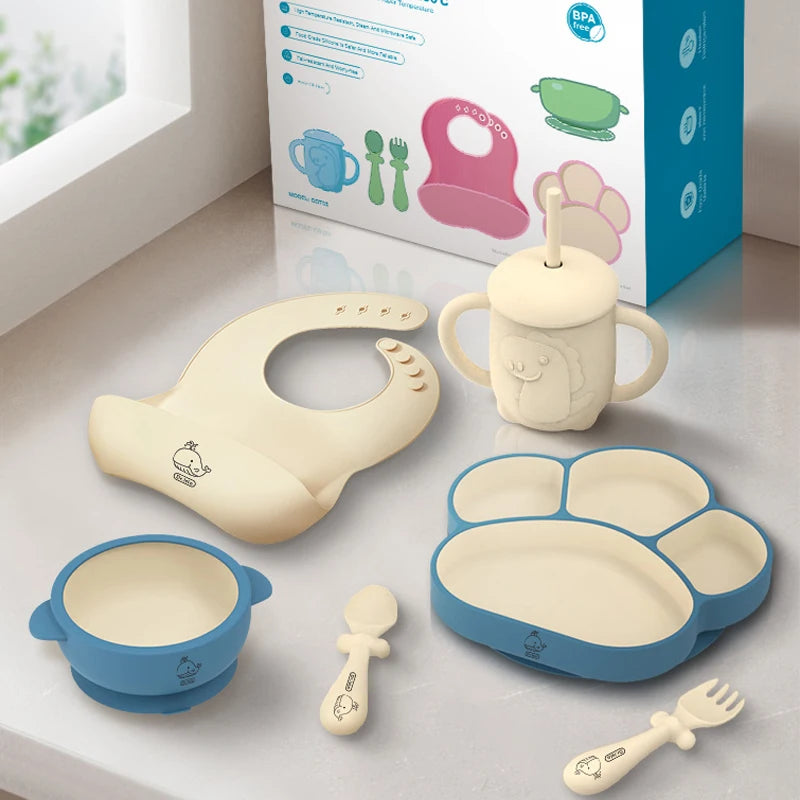
A silicone feeding set and infant feeding utensils designed for baby self-feeding 💡 See it in action
Can Baby Led Weaning Supplies Help Infant Feeding Refusal?
Baby led weaning supplies can support infants experiencing feeding refusal by reducing sensory overload and pressure. Stable plates, familiar textures, and predictable tools help babies focus on food exploration rather than frustration. While supplies aren’t a cure, they often remove barriers that make refusal worse.
Creating a calm environment matters just as much as the tools. Pair feeding gear with routines from Baby Care Essentials to support overall comfort and consistency.
What You Can Skip Without Guilt
Not every product marketed for baby led weaning is necessary. Many families find they can skip:
- Single-use novelty feeders
- Oversized plates with too many compartments
- Hard plastic utensils with sharp edges
Focusing on a few high-quality baby led weaning supplies keeps routines simple and reduces overwhelm.
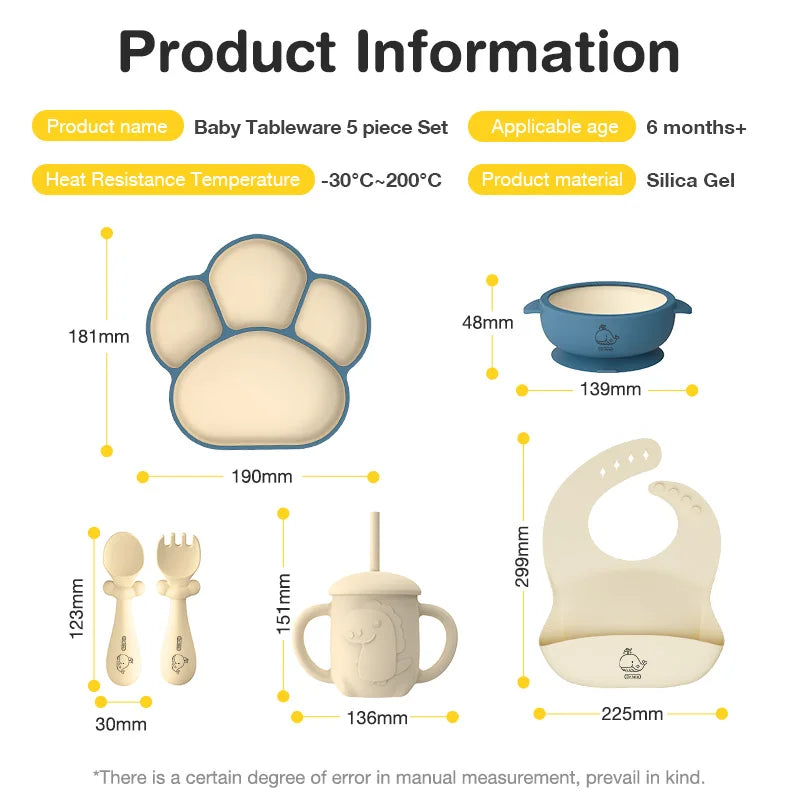
Simplifying baby led weaning supplies with a silicone feeding set 💡 See it in action
Frequently Asked Questions
How many baby led weaning supplies do I really need?
Most families succeed with one silicone plate, one bowl, two utensils, and one cup. Starting small allows you to adjust as your baby’s skills grow.
Is silicone safer than plastic for feeding?
Food-grade silicone is durable, BPA-free, and gentle on gums. It’s widely used in baby led weaning supplies because it balances safety and comfort.
What age should I introduce infant feeding utensils?
Many babies begin using infant feeding utensils around 6 months when they show readiness signs, such as sitting upright and bringing objects to their mouth.
Related Guide: Non Toxic Silicone Baby Dishes Compared for Safety and Everyday Use





