

Baby Self Feeding Difficulties Solutions for Every Stage
What causes baby self feeding difficulties at different stages?
Baby self feeding difficulties often come from mismatched utensils, limited motor control, or sensory discomfort as babies grow. When feeding tools match a child’s developmental stage, grip strength, and mouth sensitivity, most feeding struggles ease naturally. The right setup supports confidence, safety, and steady skill-building.
Baby Self Feeding Difficulties Solutions for Every Stage
⏱ 7 min read
Watching your baby struggle to feed themselves can feel confusing and stressful. Is it the food, the utensils, or just a normal phase? Baby self feeding difficulties are common, but they’re rarely random. With the right tools, realistic expectations, and a stage-by-stage approach, self-feeding can become calmer, safer, and surprisingly enjoyable for both you and your child.
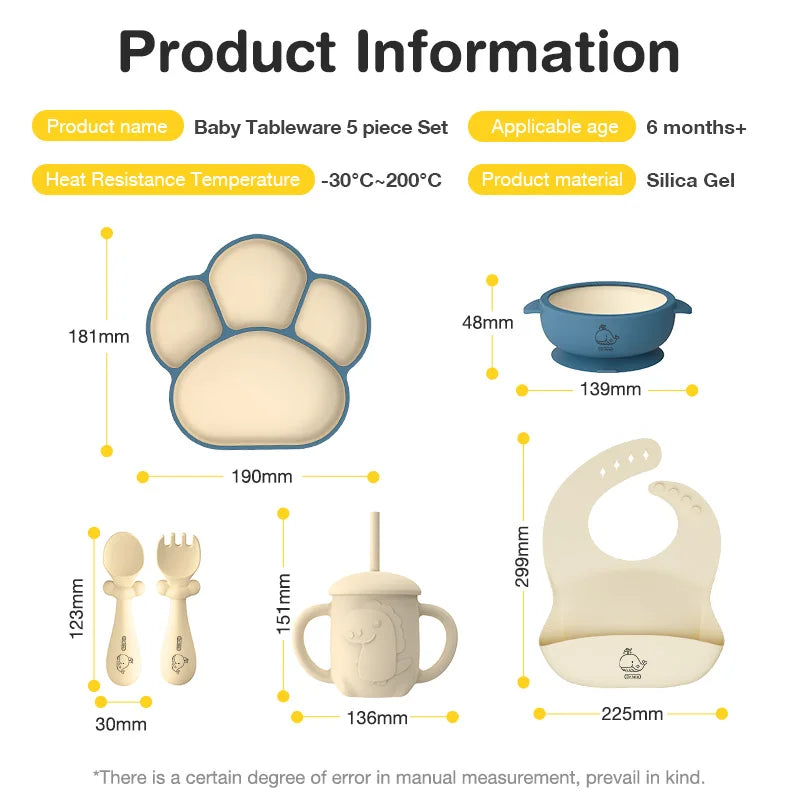
Baby self feeding difficulties often improve with the right silicone feeding set and supportive tools 💡 See it in action
Which feeding tools actually match your baby’s current abilities? Many parents discover that small changes—like bowl stability or spoon texture—make a big difference.
Why Baby Self Feeding Feels So Hard at First
Baby self feeding difficulties rarely mean something is “wrong.” Self-feeding requires coordination between hands, mouth, posture, and attention. When any one piece lags behind, frustration follows.
- Limited hand strength makes gripping thin utensils difficult
- Slick bowls slide, causing spills and loss of interest
- Hard materials can feel uncomfortable on sensitive gums
- Overstimulating designs distract rather than support focus
Parents often blame themselves or their child, but most challenges come down to tool fit and timing.
Stage-by-Stage Solutions for Baby Self Feeding Difficulties
Early Exploration (6–8 months): Building Trust With Food
At this stage, babies are learning that food exists beyond milk. Expect mess, curiosity, and very little actual eating.
- Wide-handled spoons encourage palmar grip
- Soft silicone textures protect tender gums
- Shallow bowls reduce scooping frustration
- High-contrast colors help babies visually locate food
Using thoughtfully designed infant feeding utensils allows babies to explore safely without overwhelming their senses. Many parents find pairing meals with items from Feeding & Nursing helps establish calm routines.
Developing Control (9–12 months): Skill Meets Independence
Here, baby self feeding difficulties often show up as impatience. Babies know what they want but lack precision.
- Suction bases keep bowls from tipping
- Short, curved spoons align better with mouth movement
- Divided plates reduce visual overload
- Heat-resistant materials allow warm foods safely
Choosing a silicone feeding set that stays put reduces spills and emotional meltdowns. Many families explore options within Feeding Tools to support this phase.
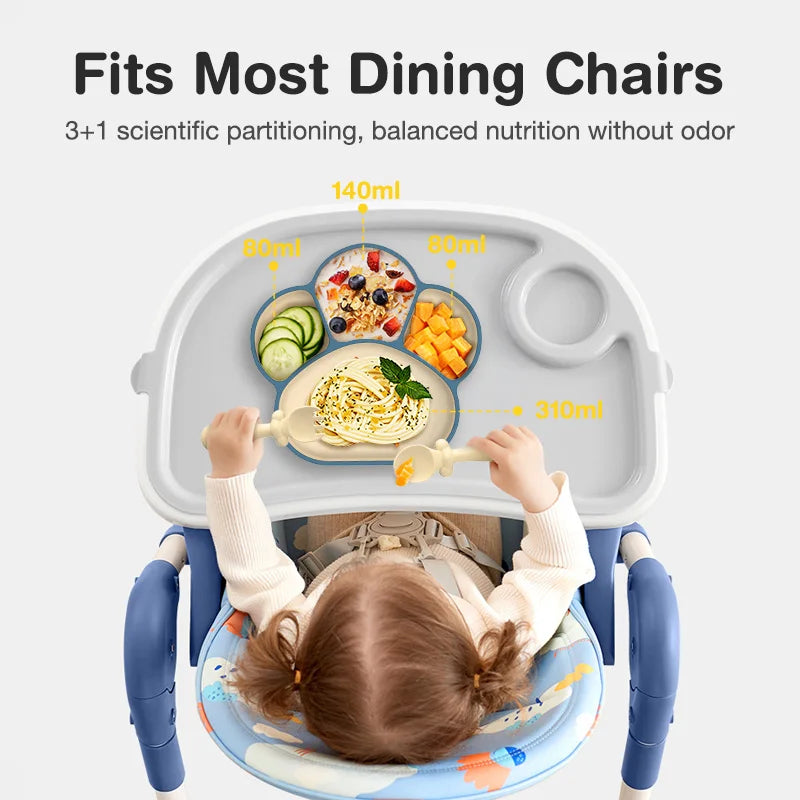
Support developing coordination with infant feeding utensils designed for real-life messes 💡 See it in action
Toddler Transition (12–24 months): Power Struggles and Preferences
Toddlers crave independence, and feeding becomes a battleground when tools don’t cooperate.
- Lightweight plates help toddlers reposition food
- Textured grips improve utensil control
- Consistent dish layout builds confidence
- Durable materials survive drops and throws
Parents often report fewer mealtime battles after switching to coordinated tableware from Baby Growth & Learning.
How the Right Infant Feeding Utensils Reduce Frustration
Baby self feeding difficulties increase when utensils work against a child’s natural movements. Well-designed tools feel intuitive rather than instructional.
| Feature | Why It Helps |
|---|---|
| Thick Handles | Easier grip for developing motor skills |
| Soft Silicone Tips | Gentle on gums and emerging teeth |
| Suction Bases | Prevents spills and discouragement |
Families concerned about hygiene often pair feeding gear with tools from Sterilization Devices for peace of mind.
Why Silicone Feeding Sets Support Safer, Easier Meals
Food-grade silicone has become a favorite for parents managing baby self feeding difficulties because it balances safety with usability.
High-quality silicone feeding sets are non toxic, resist extreme temperatures, and maintain shape over time. This consistency helps babies learn cause and effect during meals without unexpected slips or heat risks.
- Withstands freezing and reheating
- Free from BPA and harsh additives
- Easy to clean without lingering odors
- Soft yet durable for daily use
Parents browsing Health & Safety often prioritize silicone for these reasons.
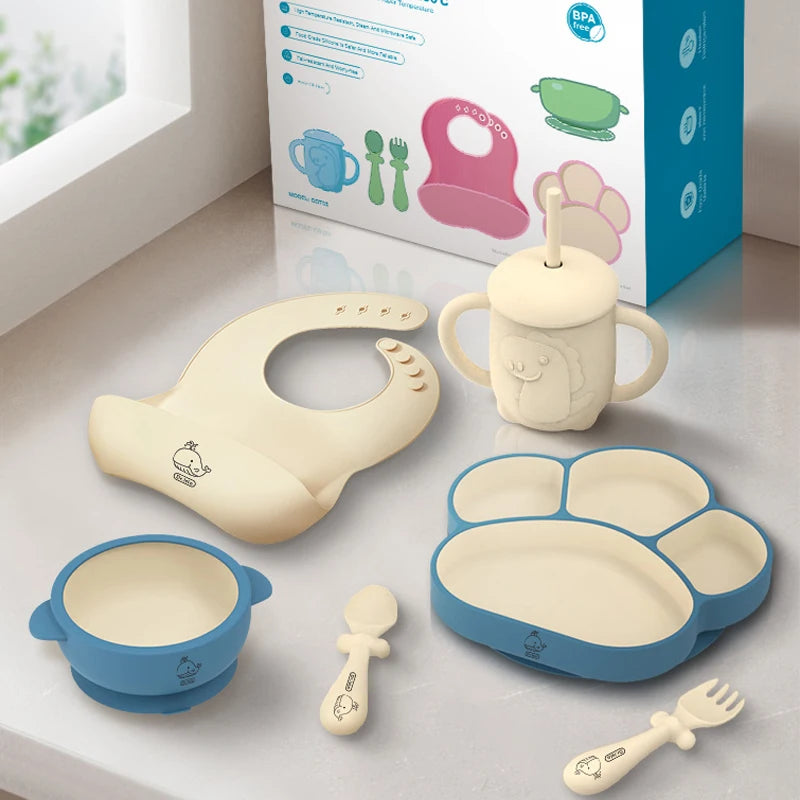
A silicone feeding set can simplify meals and ease infant feeding refusal 💡 See it in action
Understanding Infant Feeding Refusal Without Panic
Infant feeding refusal doesn’t always mean dislike. Often, it signals fatigue, sensory overload, or a mismatch between food texture and utensil design.
- Offer familiar foods with new tools
- Keep portions small and manageable
- Maintain a predictable feeding environment
- Avoid rushing or forcing bites
Parents who focus on comfort and consistency—rather than volume—often see gradual improvement.
Real Parent Experiences: Small Changes, Big Wins
“Once we switched to a suction bowl and thicker spoon, my son stopped throwing his plate,” shared one parent of a 10-month-old. Another noted that a full silicone feeding set reduced cleanup stress and helped their toddler stay engaged longer.
These stories echo a common theme: baby self feeding difficulties often fade when tools meet children where they are.
Mini FAQ
Is it normal for babies to struggle with self-feeding?
Yes. Baby self feeding difficulties are part of learning coordination and independence. Supportive tools and patience usually lead to steady progress.
When should I introduce infant feeding utensils?
Most babies can begin exploring utensils around 6 months, starting with soft silicone options sized for small hands.
Can feeding refusal be caused by the wrong tableware?
Absolutely. Slippery bowls, sharp edges, or uncomfortable textures can discourage babies from engaging with food.
Are silicone feeding sets safe for daily use?
Food-grade silicone is widely considered safe when properly manufactured and cleaned, making it suitable for everyday meals.





