

Which baby teething food feeder works best for soothing sore gums?
The best baby teething food feeder combines food-grade silicone, an easy-to-hold handle, a secure locking system, and small feeding holes that release food gradually. For most families, a soft silicone baby teething feeder offers the best balance of gum comfort, easy cleaning, durability, and safe self-feeding while helping reduce choking risks when used under adult supervision.
Best Baby Teething Feeders: Top Picks and Buying Guide
⏱ 9 min read
Teething can turn even the calmest baby fussy, drooly, and restless. Many parents wonder if there's a safe way to soothe sore gums while encouraging healthy eating habits. A
baby teething feeder
can help babies enjoy chilled fruits, vegetables, or frozen breast milk while learning to self-feed—but choosing the right model makes all the difference.
This guide compares the most common teething feeder styles, explains what makes a quality product, and helps you choose the best baby food feeder based on your baby's age, feeding stage, and teething needs.
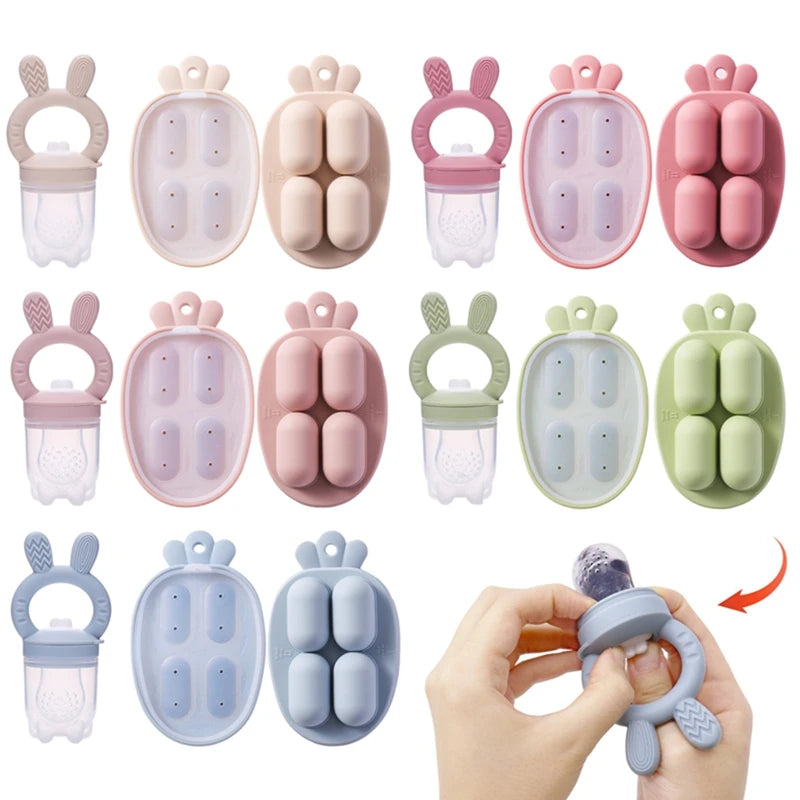
Baby teething food feeder designed for safe feeding during teething. See it in action.
Why Teething Feeders Help During Early Months
Many babies begin showing teething signs between 4 and 7 months, although every child develops differently. A baby food teether provides gentle chewing pressure that may ease sore gums while safely introducing new flavors and textures.
When your baby is developmentally ready for solids and has good head and neck control, a feeding teether can become a helpful part of supervised mealtimes.
- Provides gentle pressure that may soothe sore gums.
- Encourages early self-feeding and hand-to-mouth coordination.
- Lets babies safely explore fruits, vegetables, and purees.
- Helps introduce textured foods with a lower choking risk than large food pieces.
- Offers a convenient way to serve chilled foods that many teething babies find comforting.
Parents often pair feeders with items from Feeding & Nursing to create calmer mealtimes.
Types of Baby Teething Food Feeders Compared
Not every teething feeder works the same way. The material affects comfort, cleaning, durability, and the types of food you can safely serve.
Mesh Teething Feeders
A mesh teething feeder or baby mesh feeder uses a fabric pouch that allows babies to suck soft food through the mesh.
Pros
- Affordable and widely available.
- Works well with soft fruits.
- Good for older babies beginning finger foods.
Cons
- Mesh can stain and trap food particles.
- More difficult to clean thoroughly.
- May wear out faster with frequent chewing.
Silicone Feeders for Teething
A silicone feeder for teething uses a soft food-grade silicone pouch with tiny openings that release food gradually. For many families, this style offers the best combination of comfort and hygiene.
Pros
- Soft and gentle on sensitive gums.
- Easy to sterilize.
- Durable and resistant to staining.
- Suitable for chilled fruit, purees, and frozen breast milk cubes.
Cons
- Usually costs slightly more than mesh versions.
Plastic Teething Feeders
Plastic feeders feature rigid food holders and are generally durable, but they may feel firmer on tender gums compared with silicone designs.
They can work well for older babies who have become comfortable chewing firmer foods but may not be the first choice for babies experiencing significant gum discomfort.
Best Teething Feeders for Babies in 2026
To identify the best food feeder for baby , we evaluated feeder types based on material quality, ease of cleaning, durability, grip design, food release, and suitability for different developmental stages.
Best Overall Baby Teething Feeder
A soft silicone baby teething food feeder offers the best all-around performance thanks to its gentle texture, secure locking mechanism, easy cleaning, and versatility for chilled fruits, vegetables, and purees.
Best Silicone Feeder for Teething
Parents looking for maximum gum comfort should prioritize food-grade silicone with:
- Rounded edges
- Easy-grip handle
- Small food-release holes
- BPA-free construction
- Dishwasher or sterilizer compatibility
Best Mesh Feeder for Baby
A mesh feeder may be suitable for parents seeking a budget-friendly option for babies already comfortable with soft fruits. Replace mesh pouches promptly when signs of wear appear.
Best Feeder for Frozen Foods
Silicone feeders generally perform best with frozen breast milk cubes, chilled fruit, frozen yogurt (when age-appropriate), or frozen fruit puree because they are easier to clean and don't absorb odors like mesh pouches can.
Side-by-Side Comparison: Which Feeder Fits Best
| Feature | Mesh Feeder | Plastic Feeder | Silicone Feeder |
|---|---|---|---|
| Best age | 6+ months | 6+ months | 4+ months* |
| Gentle on gums | Moderate | Low | Excellent |
| Cleaning | More difficult | Easy | Very easy |
| Durability | Moderate | Good | Excellent |
| Best foods | Soft fruits | Soft solids | Fruit, vegetables, purees, frozen breast milk |
| Best for | Budget shoppers | Older babies | Most families |
*Always follow the manufacturer's age recommendations and consult your pediatrician before introducing solids.
How to Choose the Right Teething Feeder for Your Baby
When shopping for a teething food holder , focus on safety and ease of daily use rather than appearance alone.
- Choose BPA-free, food-grade materials.
- Select a soft silicone pouch if your baby has especially sore gums.
- Look for an ergonomic handle that small hands can easily grasp.
- Check that the food-release holes are appropriately sized for gradual feeding.
- Choose a model that's easy to disassemble, clean, and sterilize.
- Verify the recommended age, especially if you're considering what to put in silicone feeder for 4 month old babies beginning solids.
Parents often explore related comfort items in Sleep & Comfort to support better rest during teething nights.

Soft silicone infant feeder supporting safe feeding during teething. See it in action.
What Foods Can You Put in a Teething Feeder?
One of the most common questions parents ask is what to put in teething feeder products. The answer depends on your baby's age, developmental readiness, and which foods have already been introduced safely.
Best Foods for Silicone Feeder for 4 Month Old
If your pediatrician has recommended starting solids, suitable options may include:
- Chilled banana
- Soft avocado
- Steamed pear
- Soft mango
- Steamed apple
- Smooth vegetable puree
If you're wondering what to put in silicone feeder for 4 month old babies, avoid adding foods your baby hasn't previously tolerated, and introduce new foods one at a time.
Frozen Foods and Breast Milk Safety Tips
Many parents ask whether it is safe to use a mesh feeder with frozen breast milk for teething baby relief.
Frozen breast milk cubes or chilled purees can provide soothing cooling sensations, but always:
- Supervise your baby throughout use.
- Do not leave the feeder in the crib.
- Discard leftover food after feeding.
- Inspect the feeder before every use.
Safety, Cleaning, and Baby Gum Care Tips
Proper cleaning is essential for baby teething feeder safety . Food residue can encourage bacterial growth if not removed after each use.
- Wash the feeder immediately after every feeding.
- Sterilize silicone components regularly according to the manufacturer's instructions.
- Inspect mesh for tears or silicone for cracks.
- Replace worn feeders promptly.
- Always supervise babies while using any feeding teether.
Silicone models generally tolerate frequent sterilization better than mesh designs, making them a practical choice for everyday use.
For added peace of mind, parents often browse Health & Safety essentials alongside feeding products.
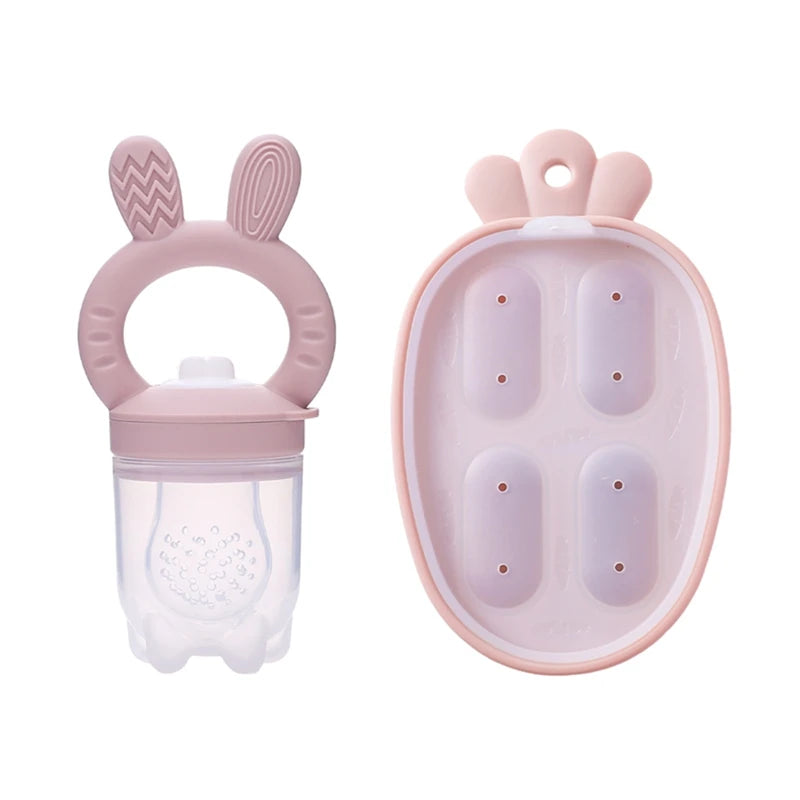
Soft silicone baby teething food feeder designed for comfort and easy cleaning. See it in action.
Frequently Asked Questions
Is a baby teething food feeder safe for a 4 month old baby?
It can be, provided your baby shows developmental readiness for solids, the feeder is designed for that age, and it is always used under close adult supervision. Follow both your pediatrician's advice and the manufacturer's recommendations.
What foods work best inside a teething feeder?
Soft chilled fruits, steamed vegetables, fruit purees, yogurt (when age-appropriate), and frozen breast milk are popular choices. Introduce new foods individually to monitor for allergies.
How often should I clean a silicone infant feeder?
Clean it immediately after every use and sterilize it regularly. Check all parts for wear before each feeding.
Can babies use a mesh feeder with frozen breast milk?
Yes, some parents use frozen breast milk in mesh or silicone feeders for teething relief. Silicone models are generally easier to clean thoroughly and may retain fewer odors than mesh pouches.
Is silicone or mesh better for a baby teething feeder?
For most families, silicone feeders offer the best balance of comfort, hygiene, durability, and ease of cleaning. Mesh feeders remain a good budget option but usually require more thorough cleaning and more frequent replacement.
Related Guide: Introducing Solids to Infant: Top 7 Foods to Start Safely





