

Best Bibs for Sensitive Skin: Features That Protect Newborns
⏱ 8 min read
What are the best bibs for sensitive skin?
The best bibs for sensitive skin use ultra-soft, breathable fabrics that reduce friction and moisture buildup. Designed to prevent redness and sensitive baby skin irritation, these bibs focus on gentle textures, smooth seams, and safe closures. Parents choosing soft baby bibs for newborns often see calmer feedings and healthier skin.
Best bibs for sensitive skin can make daily feedings calmer when your newborn’s comfort is on the line. Parents often overlook how fabric texture, seams, and closures contribute to sensitive baby skin irritation, yet the right design can prevent redness before it starts. From breathable materials to tag-free finishes, soft baby bibs for newborns aren’t just about looks—they’re about protection. If choosing soft baby bibs feels overwhelming, these insights may change how you shop forever—are you ready to see what really matters?
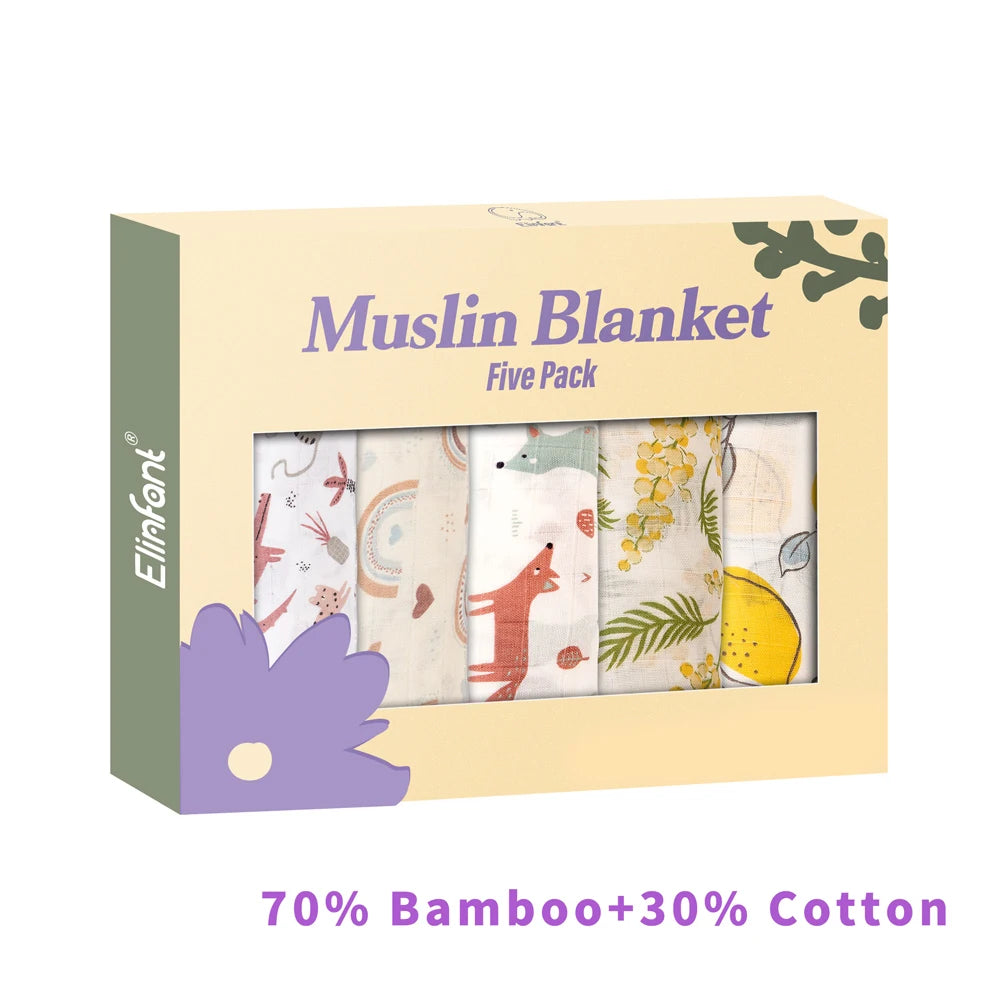
Soft baby bibs for newborns designed to reduce sensitive baby skin irritation 💡 See it in action
Why Newborn Skin Needs Extra Protection
Newborn skin is thinner and more absorbent than adult skin, making it more reactive to moisture, friction, and rough fabrics. During feeding, drool and milk can sit against the neck and chest, creating a perfect environment for redness and irritation.
Many parents discover irritation not from food itself, but from repeated rubbing caused by stiff bib edges or synthetic fibers. Choosing gentle feeding accessories from Feeding & Nursing collections can dramatically reduce these issues.
Key Features That Prevent Irritation
The best bibs for sensitive skin are built differently. Every detail focuses on comfort and protection rather than decoration alone.
- Seamless or flat-stitched edges to minimize friction
- Absorbent inner layers that keep moisture away from skin
- Lightweight construction for breathability
- Nickel-free snaps or gentle closures
Best Materials for Soft Baby Bibs
Material choice is often the deciding factor when choosing soft baby bibs. Natural fibers are favored for their ability to breathe and reduce irritation.
| Material | Comfort Level | Skin Benefits |
|---|---|---|
| Bamboo-cotton blend | Very High | Breathable, moisture-wicking |
| Organic cotton | High | Gentle, hypoallergenic |
| Polyester | Low | Can trap heat and moisture |
Parents often pair gentle bibs with other soothing routines from Baby Care Essentials to maintain overall skin comfort.
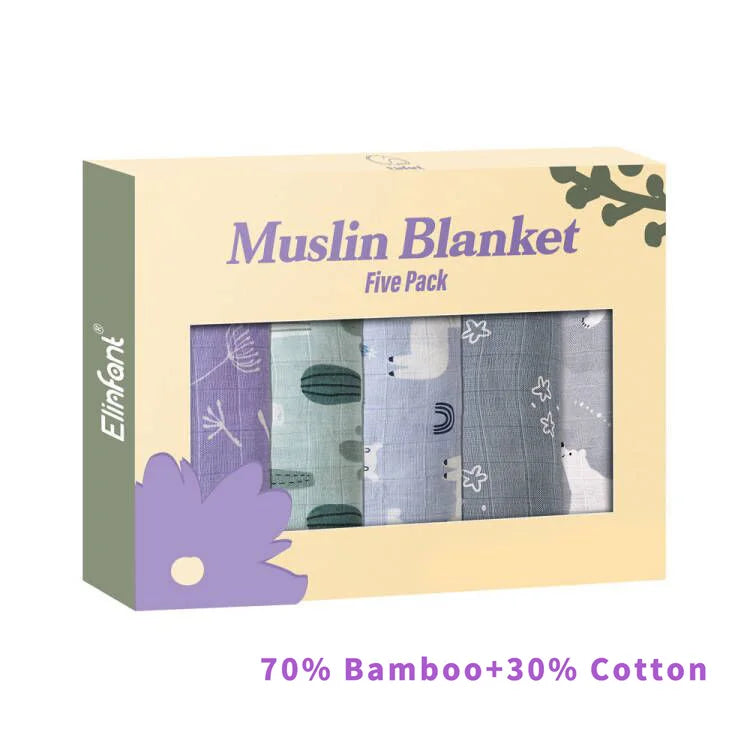
Choosing soft baby bibs for newborns helps prevent daily skin irritation 💡 See it in action
How Gentle Bibs Compare to Standard Options
Standard bibs may seem convenient, but they often prioritize durability over comfort. Gentle bibs focus on skin safety first.
- ✅ Softer feel against the neck and chin
- ✅ Better moisture control during long feeds
- ❌ Standard bibs may cause rubbing and redness
Real Parent Experiences
Many parents report noticeable improvements within days of switching to gentler bibs. Red patches fade, and babies fuss less during feeding times.
One parent shared that after changing bibs, their newborn’s neck irritation disappeared entirely, even during teething phases. Combining these bibs with calming routines from Sleep & Comfort collections can further support baby wellbeing.
How to Choose the Right Bib for Your Baby
- Check fabric labels for natural, breathable materials
- Avoid rough seams or decorative stitching near the neck
- Choose adjustable closures for growth and comfort
- Match bib use with gentle feeding tools from Feeding Tools
For parents looking for a thoughtfully designed option, the bamboo cotton baby bib set is crafted to balance softness, absorbency, and durability.
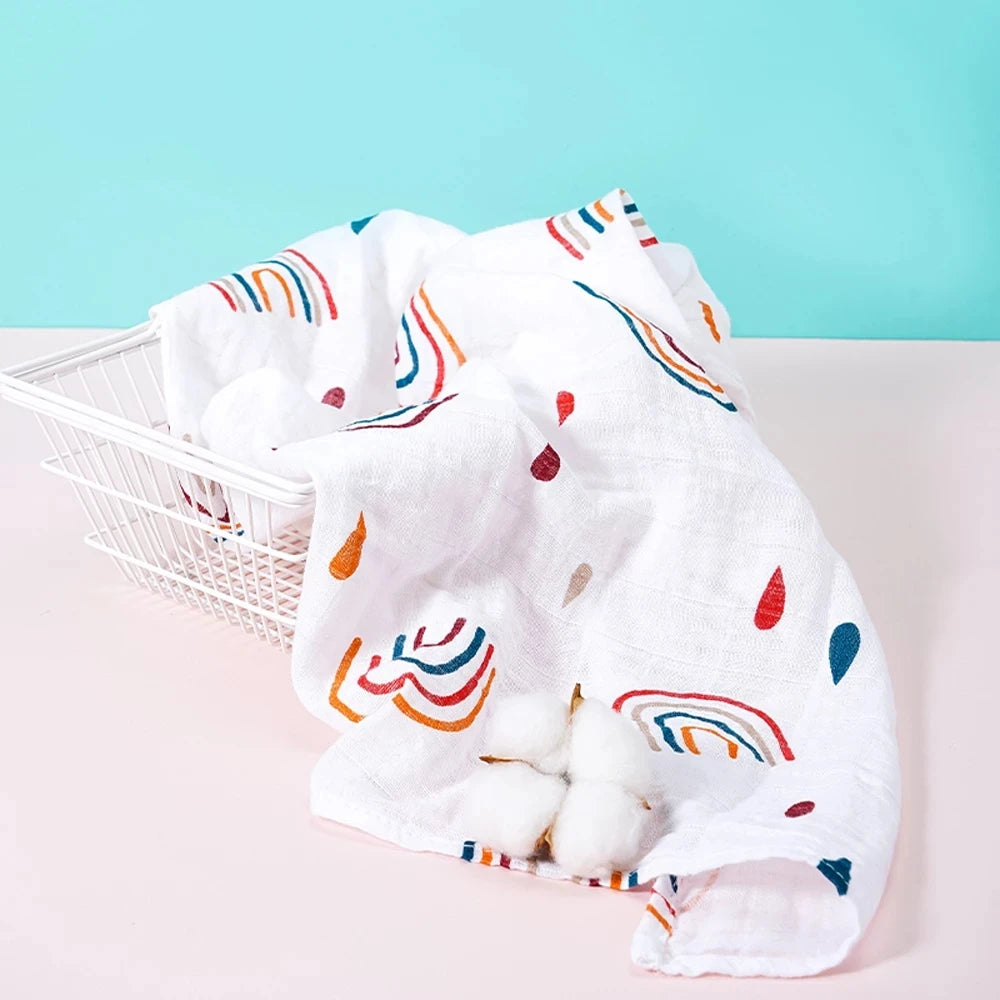
Best bibs for sensitive skin support healthier feeding routines 💡 See it in action
Frequently Asked Questions
How many bibs does a newborn need?
Most parents find that 6–8 soft bibs allow for easy rotation throughout the day, especially during frequent feedings or teething.
Can bibs really prevent skin irritation?
Yes. Bibs made with breathable, absorbent materials help keep moisture away from delicate skin, reducing friction and redness.
When should I replace baby bibs?
If bibs feel stiff, show wear at the edges, or no longer absorb well, replacing them helps maintain comfort and skin protection.





