

What is the best BPA-free feeding set for toddlers?
The best BPA-free feeding set toddler families choose combines safe, durable materials with age-appropriate design. Look for BPA-free baby feeding supplies made from food-grade silicone, stainless steel, glass, or high-quality polypropylene (PP), along with easy-grip utensils, spill-resistant bowls, and simple-to-clean surfaces that support safe feeding from infancy through the toddler years.
Best BPA-Free Feeding Set Toddler: Side-by-Side Picks
⏱ 7 min read — Looking for the best BPA-free feeding set toddler parents actually rely on? Choosing the right feeding supplies is about more than avoiding one chemical. Today's best infant feeding sets combine non-toxic materials, durable construction, practical features, and easy maintenance to support safe feeding for infants and growing toddlers. This guide explains what BPA-free really means, compares common materials, and highlights the best options for everyday family meals.
Ever wondered why one feeding set lasts through years of daily use while another quickly stains, warps, or cracks? Understanding materials, manufacturing quality, and practical design makes it much easier to choose products that perform well long after the first spoonful.
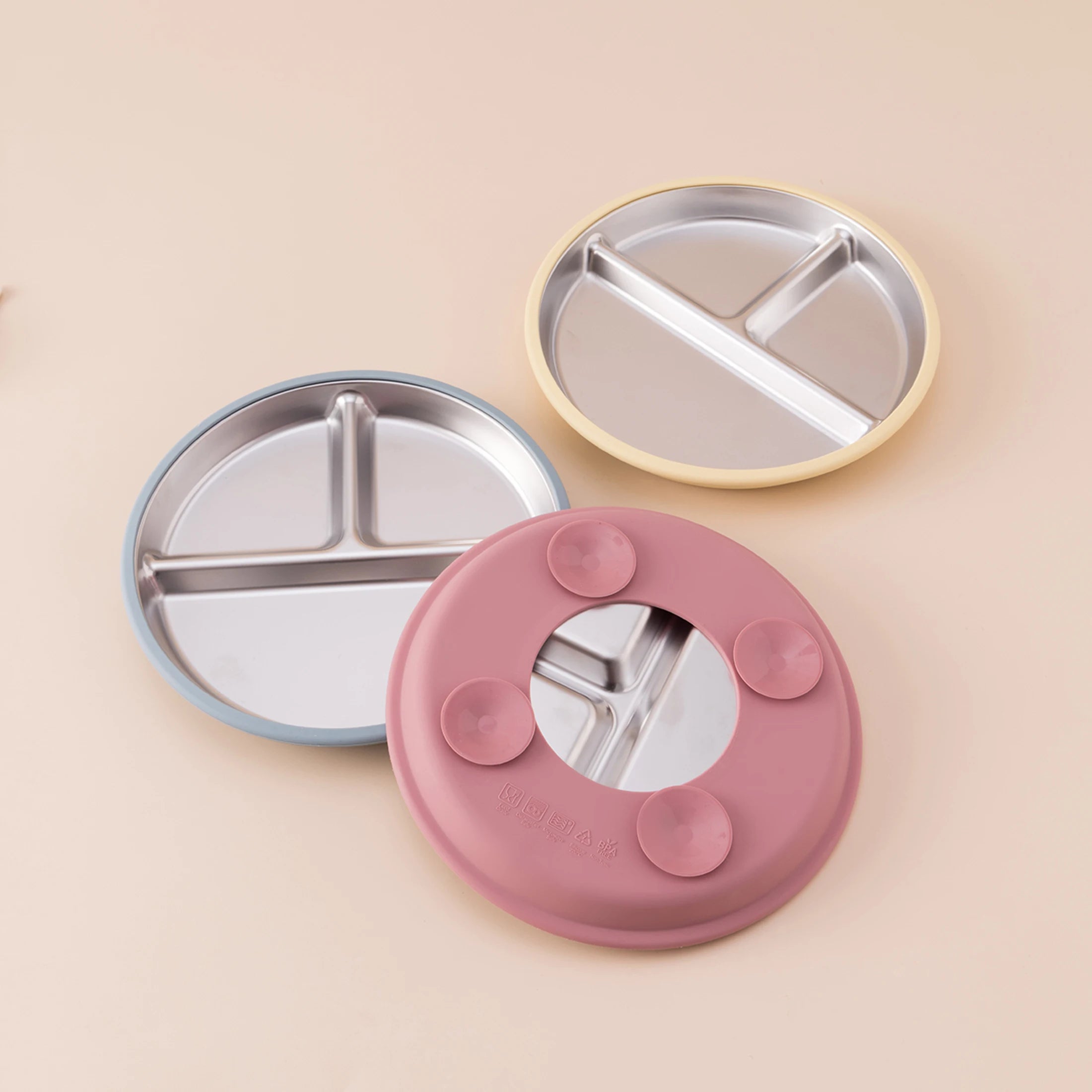
A closer look at the best BPA-free feeding set toddler families choose for daily safe feeding for infants. See it in action.
What Are BPA-Free Baby Feeding Supplies and Why Do They Matter?
What BPA-Free Means
BPA-free baby feeding supplies are products manufactured without bisphenol A (BPA), an industrial chemical once commonly used in certain plastics and epoxy resins. While many modern baby products are now BPA-free, parents should still evaluate overall material quality rather than relying solely on a BPA-free label.
Why BPA Was Removed from Baby Products
BPA raised concerns because it can migrate into food and beverages under certain conditions, particularly when plastic becomes scratched or repeatedly heated. As a result, manufacturers began developing safer alternatives for baby bottles, bowls, utensils, and food storage products.
BPA vs. BPS vs. BPF and Other Chemicals
One common misconception is that "BPA-free" automatically means a product is completely free from similar chemicals. Some plastics may instead use BPS or BPF. Choosing products made from stainless steel, food-grade silicone, glass, or high-quality polypropylene (PP) from reputable manufacturers provides additional peace of mind for families seeking safer feeding solutions.
Many parents browsing Health & Safety resources begin with feeding products because they're used multiple times every day.
Which Baby Feeding Products Should Be BPA-Free?
Since babies frequently place feeding items in their mouths, prioritizing BPA-free baby feeding supplies across your daily routine is a practical approach.
Baby Bottles
Bottles experience repeated warming, washing, and sterilizing. Selecting BPA-free bottles made from glass, silicone, stainless steel, or quality polypropylene helps reduce concerns about chemical exposure during feeding.
Sippy Cups
Sippy cups accompany toddlers throughout the day and are frequently dropped, chewed, and washed. Durable BPA-free materials improve longevity while maintaining safety.
Bowls, Plates and Utensils
Bowls, divided plates, spoons, and forks should be designed for developing motor skills while using food-safe materials that withstand everyday use.
Food Storage Containers and Teethers
Food containers and teethers also experience frequent contact with food or saliva. Replacing worn, cracked, or heavily scratched items helps maintain both hygiene and product performance.
Parents often complement these essentials with resources found in Feeding & Nursing when preparing for each developmental stage.
How to Choose Safe BPA-Free Baby Feeding Supplies
Materials Comparison
The best baby feeding set non toxic families choose depends on daily habits. Silicone offers flexibility and suction, stainless steel provides exceptional durability, glass delivers excellent stain resistance, and polypropylene remains lightweight for travel.
Safety Certifications
Look for products manufactured according to recognized food-contact safety standards, clear labeling, and transparent material disclosures. Reputable brands also provide care instructions and age recommendations.
Dishwasher and Microwave Safety
Not every BPA-free product is microwave-safe. Always verify manufacturer instructions before heating food. Dishwasher-safe products simplify daily cleanup and encourage consistent hygiene.
Signs of Quality Manufacturing
- Smooth, well-finished edges without rough seams.
- Secure suction bases that maintain grip on smooth surfaces.
- Strong utensil handles that resist bending.
- Clear care instructions and durable construction.
Materials Used in BPA-Free Baby Feeding Supplies
Food-Grade Silicone
Soft, flexible, naturally resistant to breaking, and ideal for suction bowls, bibs, and first-stage utensils. Silicone performs well for younger babies learning self-feeding.
Glass
Glass resists staining, odors, and scratching while remaining naturally free from BPA. Although heavier than other materials, it's an excellent choice for bottles and food storage.
Stainless Steel
Stainless steel is among the most durable options available. It resists corrosion, handles repeated washing well, and maintains its appearance over years of use.
Polypropylene (PP)
Polypropylene is a lightweight plastic commonly used in quality BPA-free baby feeding supplies. When manufactured to food-contact standards, it offers good durability while remaining affordable.
| Material | Durability | Heat Resistance | Maintenance | Best Uses |
|---|---|---|---|---|
| Food-Grade Silicone | Good | Excellent | Dishwasher safe | Suction bowls, bibs, first utensils |
| Glass | Excellent* | Excellent | Easy to sanitize | Baby bottles, food storage |
| Stainless Steel | Excellent | Excellent | Easy to clean | Bowls, plates, utensils |
| Polypropylene (PP) | Good | Moderate | Easy to clean | Travel cups and lightweight feeding accessories |
*Glass is highly durable under normal use but may break if dropped.
Best BPA-Free Baby Feeding Sets and Supplies by Category
Best BPA-Free Baby Feeding Set
Families seeking long-term value often prefer sets that combine stainless steel bowls with ergonomic utensils and non-slip features. These products remain dependable through years of everyday meals.
One standout option is the stainless steel baby feeding set , which combines durable construction, BPA-free materials, and easy cleaning for growing children.
Best Non-Toxic Toddler Feeding Set
Parents focused on minimizing plastic exposure often choose stainless steel or silicone feeding sets that contain simple, food-safe materials and durable finishes.
Best Spill-Proof Toddler Feeding Set
Silicone suction bowls and divided plates help reduce spills during self-feeding, making them especially useful for younger toddlers learning independence.
Best Glass and Stainless Steel Options
Glass works particularly well for bottles and food storage, while stainless steel excels for bowls, plates, and utensils thanks to its durability and resistance to stains and odors.
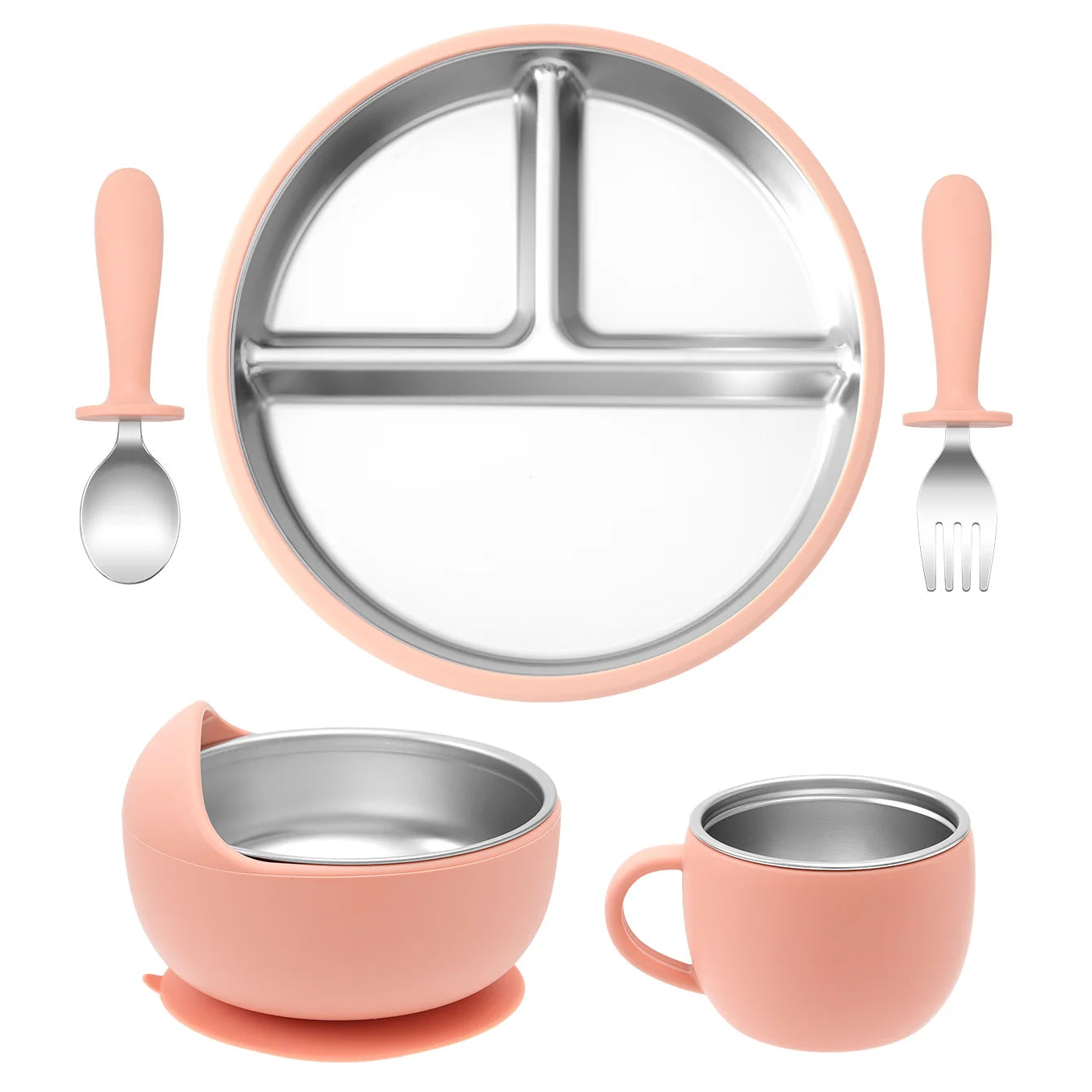
Side-by-side comparison of infant feeding utensils designed for safe feeding for infants. See it in action.
Trusted BPA-Free Baby Feeding Product Brands
What Makes a Brand Trustworthy
Reliable manufacturers clearly identify product materials, provide detailed care instructions, maintain consistent manufacturing standards, and publish safety information. Transparency is often a better indicator of quality than marketing claims alone.
Popular BPA-Free Product Categories
Many established baby brands now offer BPA-free baby bottles, sippy cups, feeding sets, snack containers, and utensils. When comparing brands, consider durability, replacement part availability, cleaning instructions, and overall product design rather than focusing solely on appearance.
Many families also browse Baby Care Essentials to build a complete feeding and care routine.
Cleaning, Care and Replacement Guidelines
Cleaning by Material
- Wash silicone thoroughly to remove food residue from textured surfaces.
- Use non-abrasive cleaners on stainless steel to preserve the finish.
- Inspect glass products carefully for chips or cracks.
- Avoid harsh scrubbers that may damage plastic surfaces.
When to Replace Products
Replace feeding supplies that become cracked, warped, deeply scratched, or develop loose components. Even durable products benefit from regular inspection.
Preventing Damage
Avoid exposing products to temperatures beyond manufacturer recommendations and follow microwave or dishwasher guidance to maximize longevity.
Storage Tips
Store feeding supplies completely dry in a clean area to reduce moisture buildup and help preserve material integrity over time.
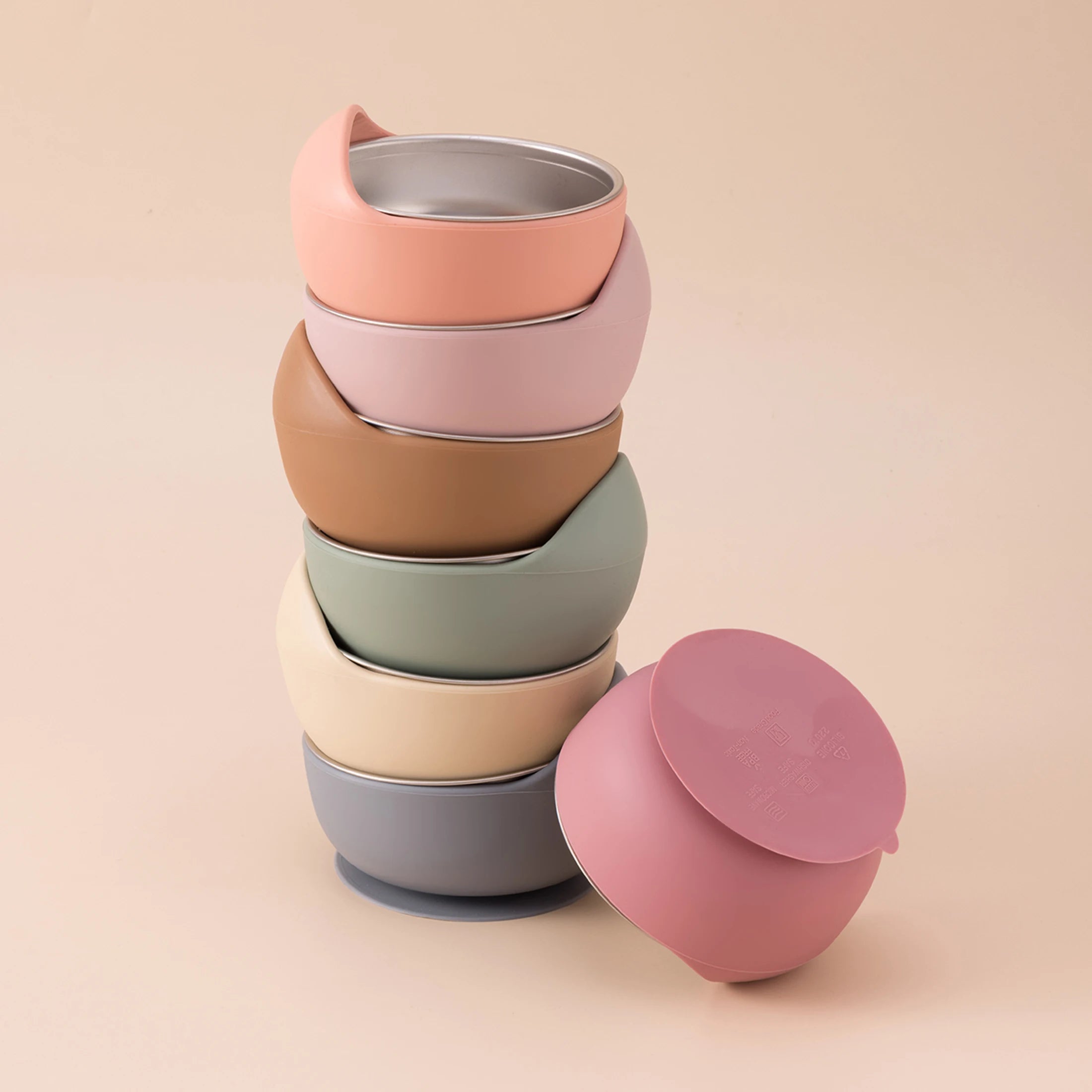
Durable, easy-clean feeding tools built for everyday toddler meals. See it in action.
Frequently Asked Questions
What are BPA-free baby feeding supplies?
They include bottles, cups, bowls, plates, utensils, food containers, and other feeding accessories manufactured without bisphenol A (BPA).
Are BPA-free baby feeding supplies completely safe?
BPA-free products reduce exposure to BPA, but overall safety also depends on the materials used, manufacturing quality, and following recommended care instructions.
Are BPA-free products free from all harmful chemicals?
Not necessarily. Some products may use alternative compounds such as BPS or BPF. Choosing reputable manufacturers and materials like stainless steel, glass, food-grade silicone, or quality polypropylene provides additional confidence.
What is the safest material for baby feeding supplies?
There is no single best material for every situation. Stainless steel, food-grade silicone, glass, and high-quality polypropylene each offer different advantages depending on the product type and your family's needs.
Is silicone safer than plastic?
Food-grade silicone is popular because it is flexible, durable, and naturally free from BPA. High-quality polypropylene also remains a widely used and practical option for many feeding products.
Can BPA-free products go in the microwave?
Some can, while others cannot. Always follow the manufacturer's care instructions before microwaving or sterilizing feeding products.
Can BPA-free feeding supplies be sterilized?
Many bottles, silicone products, and stainless steel feeding accessories are compatible with common sterilization methods, but always verify the manufacturer's recommendations first.
How often should baby feeding supplies be replaced?
Replace products whenever they show signs of cracking, warping, discoloration, loose components, or excessive wear. High-use items such as bottle nipples and heavily used utensils typically require more frequent replacement.
How do I know if a feeding product is truly BPA-free?
Purchase from reputable brands that clearly identify product materials, provide care instructions, and comply with recognized food-contact safety standards.
Are glass baby bottles better than plastic?
Glass offers excellent stain resistance and durability against repeated sterilization, while lightweight BPA-free polypropylene bottles may be more practical for travel and everyday outings.
Do BPA-free products contain microplastics?
Plastic products may release microscopic particles as they wear over time. Replacing damaged items, avoiding excessive heat when not recommended, and considering materials such as stainless steel or glass for some products can help reduce wear-related concerns.





