

Best utensils for baby self feeding Top 5 BPA-Free Infant Set
What are the best utensils for baby self feeding?
The best utensils for baby self feeding are designed to fit small hands, use gentle bpa free materials, and support coordination as babies learn to eat independently. A well-shaped infant spoon and fork set improves grip control, reduces gag risk, and strengthens self feeding skills development during everyday meals.
Best Utensils for Baby Self Feeding Compared for Easy Learning
⏱ 6 min read
Best utensils for baby self feeding can transform daily meals from stressful messes into meaningful learning moments. Many parents worry about safety, spills, and whether their baby is really learning anything while eating. The right bpa free utensils and thoughtfully designed infant spoon and fork set can quietly support confidence, coordination, and independence at every bite.
Which feeding tools truly help babies learn faster and eat safer? If you’ve ever wondered whether utensil design really matters, you’re not alone. Let’s break it down clearly.
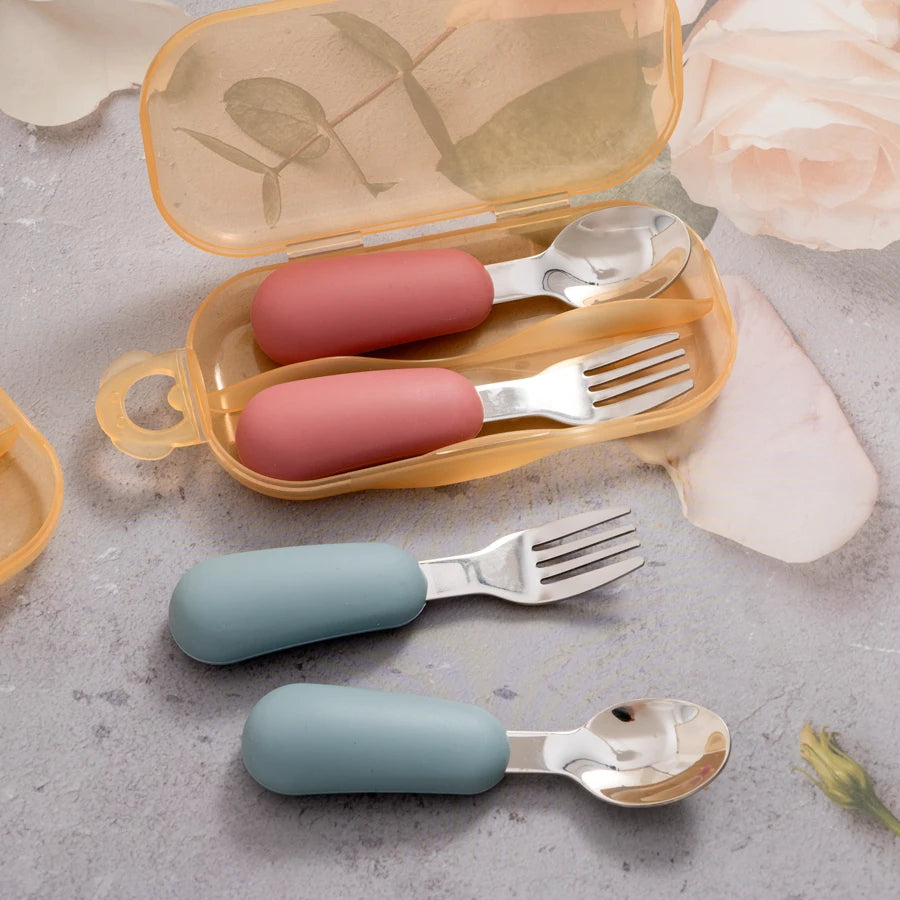
bpa free utensils designed for early grip control 💡 See it in action
Why Utensil Choice Shapes Self Feeding Success
Babies aren’t just eating during meals—they’re practicing coordination, problem solving, and independence. Utensils that are too heavy, slippery, or rigid can slow learning and frustrate both baby and parent.
The best utensils for baby self feeding work with natural hand movements, not against them. Rounded edges, flexible tips, and ergonomic handles allow babies to explore food confidently while staying safe.
- Encourages earlier independent eating
- Reduces gagging and mouth injuries
- Improves hand-eye coordination
- Builds positive mealtime habits
Many parents pair feeding tools with items from Feeding Tools and Baby Growth & Learning collections to support complete developmental routines.
What to Look for in Baby Self Feeding Utensils
Not all baby utensils are created equal. The materials, shape, and balance can dramatically affect learning speed and comfort.
Material Safety Comes First
Bpa free utensils are essential. Soft food-grade silicone reduces injury risk and feels gentler on sensitive gums compared to rigid plastic or metal.
Handle Design for Small Hands
Short, wide handles help babies grip securely without excessive wrist strain. Textured surfaces prevent slipping during messy meals.
Balanced Weight and Angle
Angled spoon heads and lightweight construction make it easier for babies to scoop and guide food into their mouths successfully.
Parents often combine feeding upgrades with hygiene routines using products from Sterilization Devices and Baby Hygiene Gadgets for peace of mind.
Side-by-Side Comparison of Popular Utensil Types
| Utensil Type | Pros | Cons | Best For |
|---|---|---|---|
| Silicone Spoon & Fork Set | Soft, flexible, bpa free, gum-safe | May need frequent cleaning | Early self feeding stages |
| Plastic Baby Utensils | Lightweight, affordable | Can crack, harder edges | Occasional use |
| Metal Toddler Utensils | Durable, long-lasting | Too heavy for infants | Older toddlers |
Silicone options consistently rank highest for safety and learning efficiency when babies are just beginning.
Matching Utensils to Developmental Stages
Babies progress quickly, and utensil needs change with them.
- 6–8 months: Soft silicone spoons for exploration and chewing
- 8–10 months: Shallow spoons encouraging scooping motions
- 10–12 months: Infant spoon and fork set with rounded tines
- 12+ months: Transition tools with slightly firmer structure
Supporting these stages alongside Sensory Toys and Mobility & Training tools helps reinforce motor learning across daily activities.
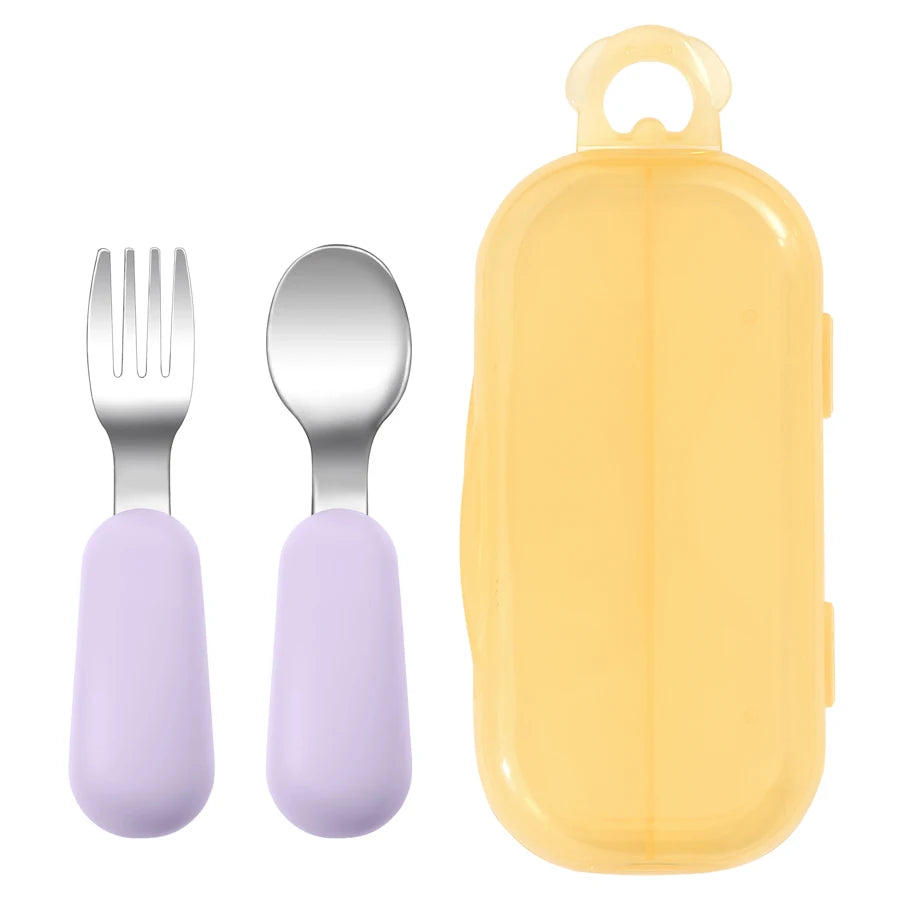
infant spoon and fork set designed for self feeding skills development 💡 See it in action
Safety and Comfort Factors Parents Care About Most
Beyond learning, parents prioritize safety and ease of cleaning.
- Heat-resistant, dishwasher-safe materials
- No sharp edges or detachable small parts
- Stain-resistant silicone surfaces
- Easy sterilization compatibility
Many families pair feeding routines with sleep and wellness support from Sleep & Comfort and Massage & Relaxation collections to maintain balanced daily rhythms.
What Real Parents Notice After Switching
Parents consistently report noticeable improvements within weeks of switching to better-designed utensils.
- Less food dropped during meals
- Shorter feeding times
- Increased willingness to self-feed
- Reduced frustration and mess
One parent shared that her baby began independently scooping yogurt after just ten days of using silicone utensils, compared to weeks of struggle with rigid plastic sets.
Why This Silicone Spoon and Fork Set Stands Out
The best utensils for baby self feeding combine safety, learning support, and everyday convenience. This bpa free infant spoon and fork set offers soft silicone tips, ergonomic handles, and balanced weight that help babies succeed faster while easing parental concerns.
- Food-grade silicone for gum safety
- Short handles for easy grip control
- Gentle fork tines for early practice
- Compatible with sterilization routines
Many parents discover this option while browsing Feeding & Nursing essentials and find it pairs well with other daily-use baby tools.
Explore the baby silicone fork and spoon set
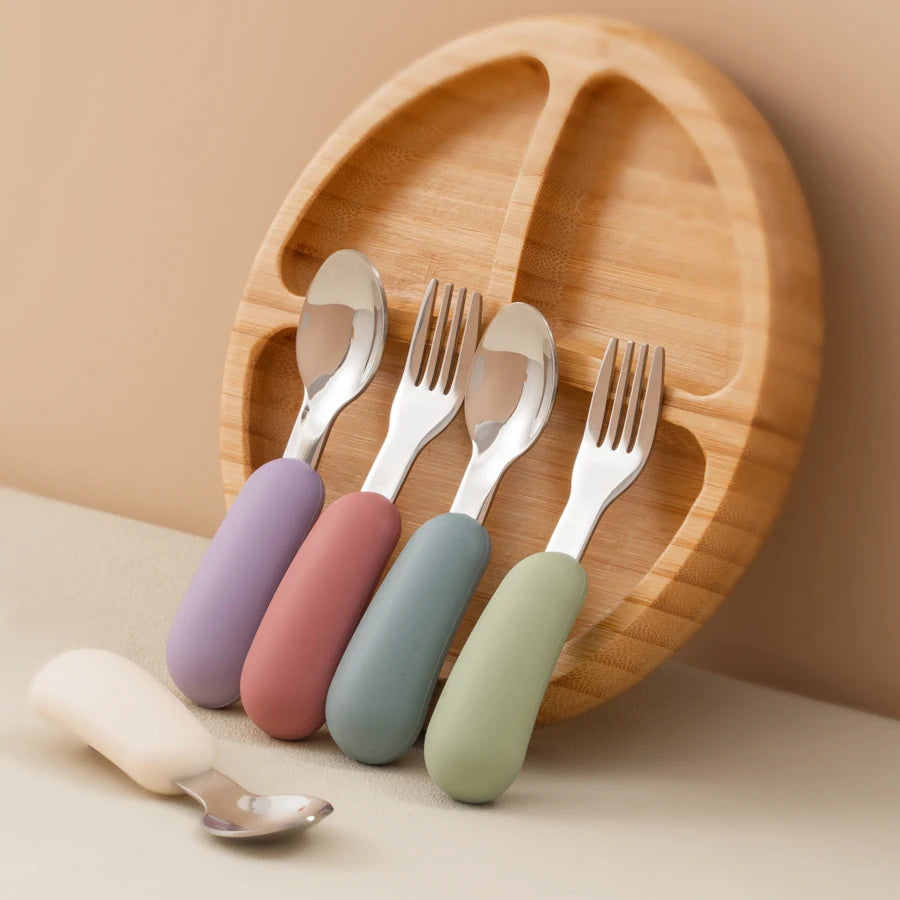
best utensils for baby self feeding that simplify mealtimes 💡 See it in action
Frequently Asked Questions
When should babies start using utensils?
Most babies show interest in utensils between 6 and 9 months. Starting with soft silicone spoons allows safe exploration while building coordination.
Are bpa free utensils really necessary?
Yes. Bpa free utensils reduce chemical exposure and are safer for frequent mouth contact, especially during early developmental stages.
Can the same utensils be used for toddlers?
Many silicone sets transition well into toddlerhood, though older children may eventually benefit from slightly firmer utensils as skills improve.





