

Is bpa free silicone safe for infant feeding?
bpa free silicone is widely considered safe for infant feeding because it does not release harmful chemicals when exposed to heat or saliva. Designed for safe feeding for infants, it stays stable during sterilizing, is gentle on gums, and supports everyday use in modern infant feeding utensils.
BPA Free Silicone Benefits for Safer Infant Feeding
⏱ 6 min read
bpa free silicone is quickly becoming a trusted choice for parents who want safer, simpler mealtimes. If you’ve ever worried about chemicals, cracked plastic spoons, or rough edges irritating tiny mouths, you’re not alone. Choosing infant feeding utensils shouldn’t feel overwhelming. Could one material really make feeding calmer, cleaner, and more reassuring?
Feeding a baby is deeply emotional. You’re not just offering food, you’re building trust, comfort, and healthy habits from the very beginning. That’s why material choice matters more than most parents realize.
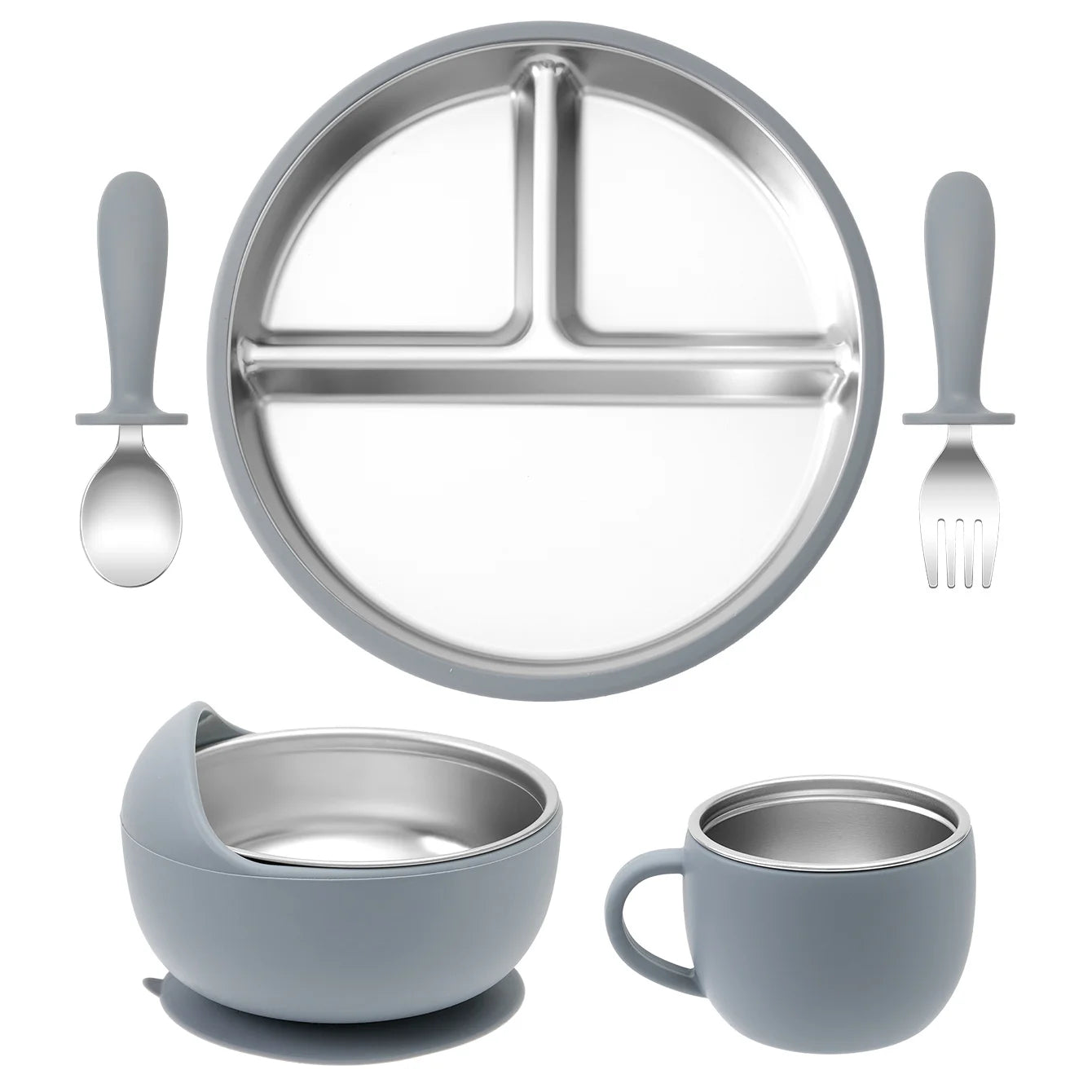
bpa free silicone designed for safe feeding for infants 💡 See it in action
Why bpa free silicone matters for babies
bpa free silicone is a food-grade material engineered to stay stable under pressure, heat, and daily use. Unlike some plastics, it does not leach chemicals into food, even when warmed or sterilized. For parents focused on safe feeding for infants, this stability offers peace of mind at every meal.
- No chemical transfer into purees or milk
- Approved for direct food contact
- Soft yet resilient for repeated use
- Designed with baby safety in mind
Many parents exploring options within Health & Safety collections gravitate toward silicone because it supports both safety and convenience without compromise.
How silicone compares to plastic and metal
| Material | Safety | Comfort | Durability |
|---|---|---|---|
| Plastic | May degrade with heat | Hard edges over time | Cracks easily |
| Metal | Stable but rigid | Cold and firm | Very durable |
| bpa free silicone | Heat-stable and non-toxic | Soft and flexible | Long-lasting |
This balance is why many modern Feeding Tools now combine silicone elements with stainless steel to create well-rounded infant feeding utensils.
Gentle comfort for gums and teeth
bpa free silicone feels soft and forgiving, making it ideal for babies who are teething or just learning to self-feed. The slight flexibility reduces the risk of mouth irritation and supports confident exploration during meals.
- Soft edges protect sensitive gums
- Flexible spoons adapt to baby movements
- Lightweight feel improves grip control
- Supports independent feeding milestones
Parents often pair silicone utensils with items from Baby Growth & Learning to encourage skill development during feeding time.
Heat resistance and long-term durability
bpa free silicone maintains its shape and safety even when exposed to high temperatures. Whether you’re sterilizing, dishwashing, or serving warm foods, it remains dependable.
Compared to alternatives, silicone resists cracking, warping, and staining. This durability helps families avoid frequent replacements and supports consistent routines.
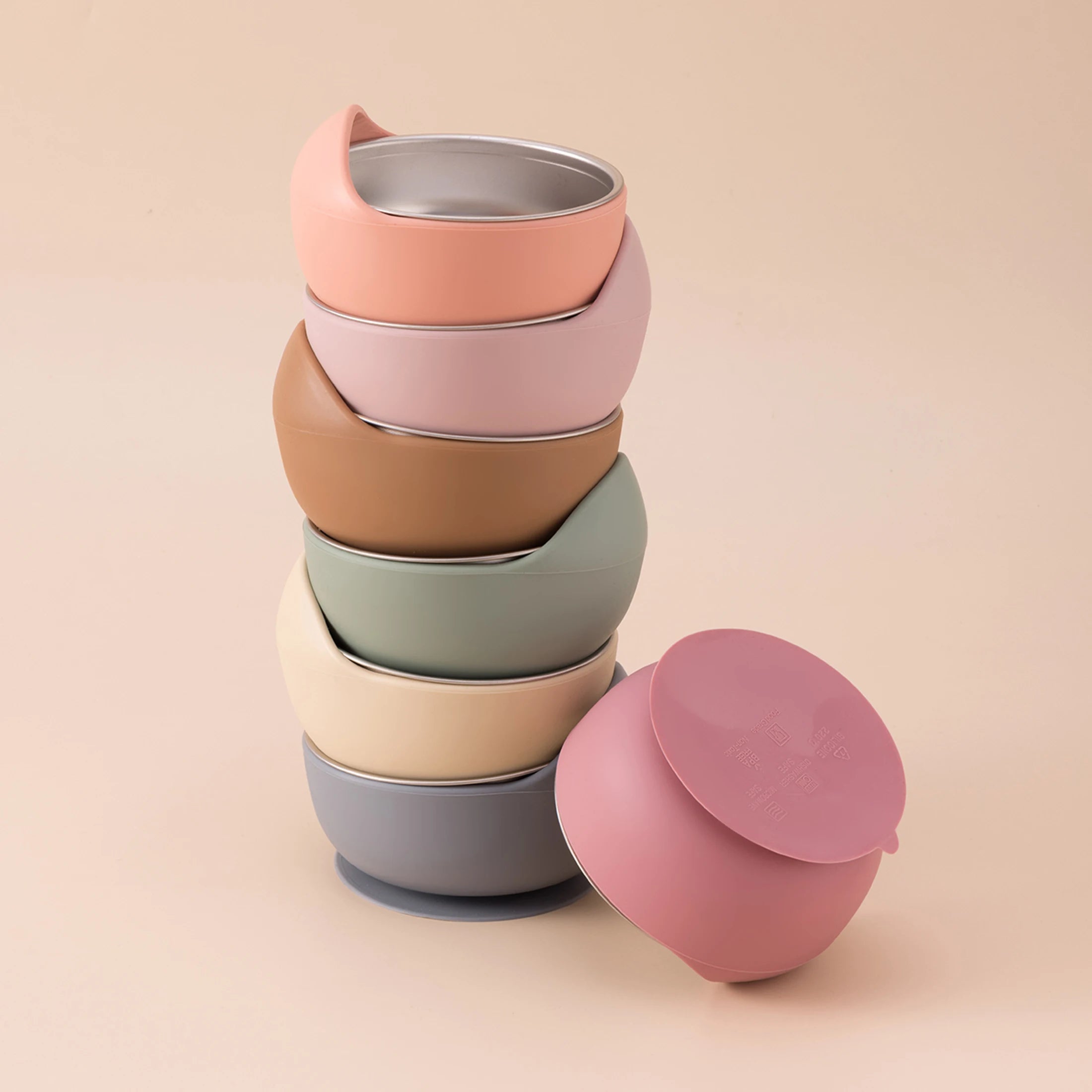
infant feeding utensils made with bpa free silicone for everyday use 💡 See it in action
Easier cleaning and better hygiene
Busy parents value anything that simplifies cleanup. bpa free silicone has a naturally non-porous surface, which helps prevent odor buildup and residue.
- Dishwasher safe
- Resists staining from purees
- Quick drying after washing
- Compatible with Sterilization Devices
This makes silicone especially helpful for families managing multiple feedings per day.
Choosing the best infant feeding set
The best infant feeding set combines safety, comfort, and longevity. Look for combinations that integrate bpa free silicone with sturdy bases for balance and control.
Many parents prefer sets that work seamlessly with routines built around Feeding & Nursing needs, ensuring smoother transitions from bottle to solids.
For families seeking a complete solution, a thoughtfully designed feeding set can reduce clutter while supporting safe feeding for infants at every stage.
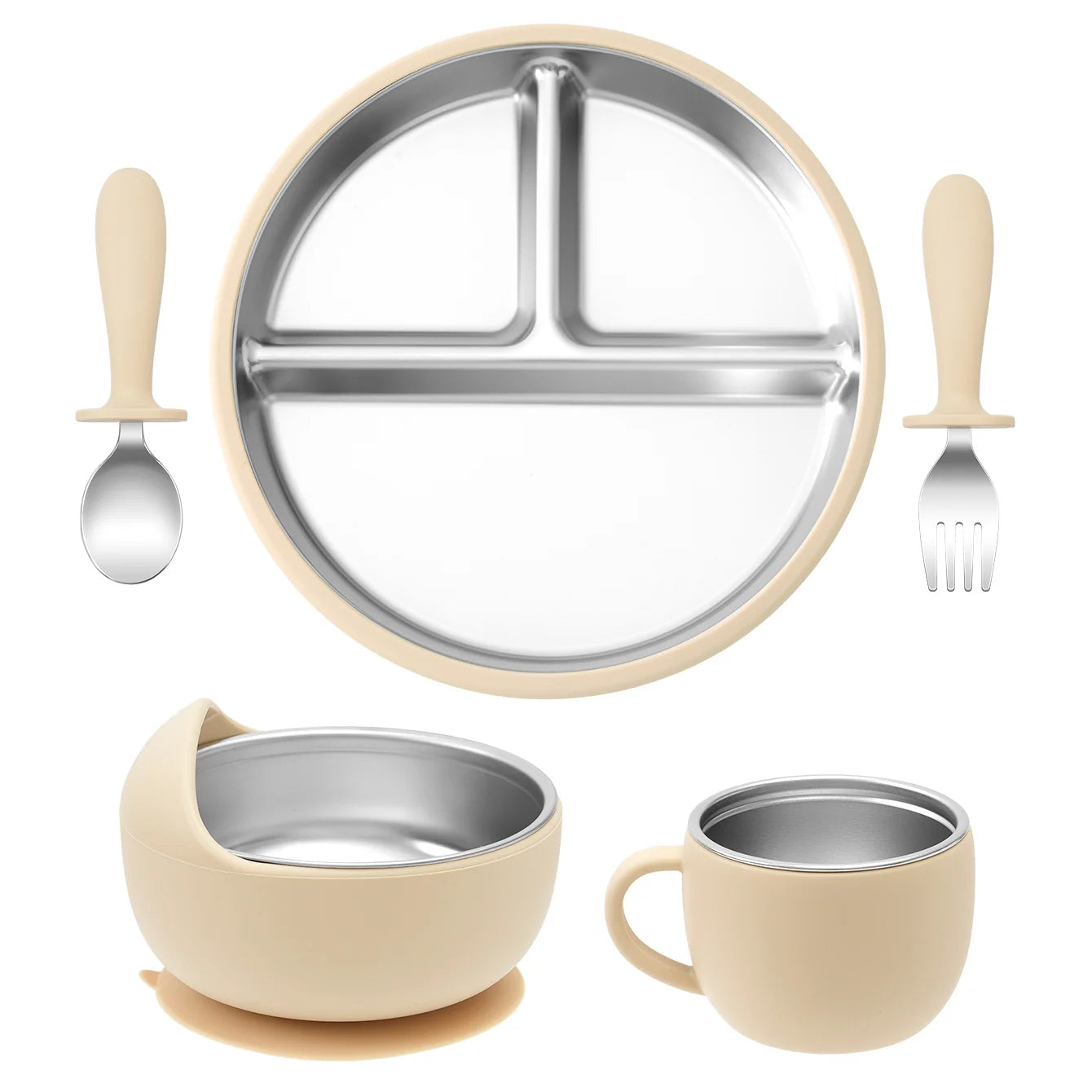
the best infant feeding set using bpa free silicone 💡 See it in action
Real parent experiences
Parents often share how switching to silicone utensils reduced mealtime stress. Many report fewer spills, less frustration during self-feeding, and greater confidence knowing their baby isn’t exposed to unwanted substances.
These everyday wins are why silicone baby products continue to earn trust across households focused on baby feeding safety.
Frequently asked questions
Is bpa free silicone better than plastic for babies?
bpa free silicone is generally preferred because it stays stable under heat and pressure, while some plastics can degrade over time. This makes silicone a more reliable option for safe feeding for infants.
Can silicone utensils be sterilized daily?
Yes. Most bpa free silicone infant feeding utensils are designed to withstand repeated sterilization without breaking down or losing shape.
When can babies start using silicone spoons?
Many babies can start using silicone spoons as soon as they begin solid foods. The soft texture supports comfort and early self-feeding skills.
Related Guide: Durable Toddler Plate and Utensil Set Features That Last





