

Do Newborns Wear Bibs? The Clear Answer for New Parents
Do newborns wear bibs every day? Not necessarily. Newborns do not automatically need bibs all day, but a soft bib can be useful when a baby has frequent milk dribbles, spit-up, or damp clothing around the neck. The best approach is to use a bib when it solves a specific problem, change it when it becomes wet or dirty, and remove it during sleep or when your baby is unattended.
⏱ 7 min read
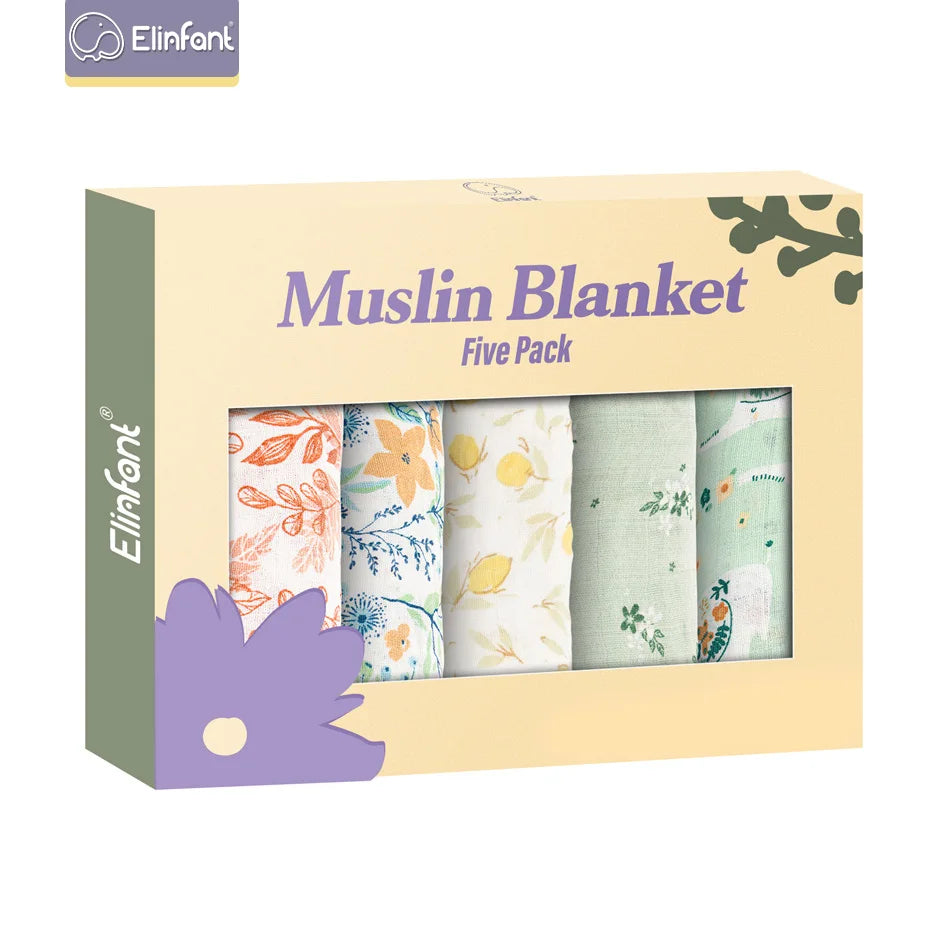
Soft baby bibs for newborns can help keep baby dry during feeds and everyday routines.
Why Do Newborns Need Bibs?
Do newborns need bibs? Some do, while others rarely use them. During the newborn stage, bibs are primarily practical accessories for managing small amounts of milk, spit-up, or moisture rather than necessities every baby must wear.
Newborn bib usage can be especially helpful for babies who frequently dribble milk during feeding or spit up afterward. A soft, absorbent layer can protect the front of a baby's clothing and reduce the need for repeated outfit changes.
Milk Dribble and Spit-Up Protection
Feeding is one of the most common reasons parents introduce bibs early. Whether a baby is breastfed or bottle-fed, milk can dribble onto the chin, neck, and collar area. Some babies also spit up after feeding, making a bib convenient during and shortly after meals.
- Milk dribbles during breastfeeding or bottle-feeding
- Small amounts of spit-up after feeds
- Drool that begins before or during the early infant stage
- Moisture collecting around the chin and neck
Reducing Clothing Changes and Skin Irritation
A damp collar can become uncomfortable, particularly when moisture sits against sensitive skin. Using a clean, absorbent bib can help keep clothing drier and make everyday care easier. However, a bib should not replace changing wet clothing or gently cleaning and drying the skin when needed.
For babies who rarely spit up or dribble, bibs may be unnecessary. In that case, parents can simply keep a few nearby for feeding times instead of putting one on routinely.
When Should Newborns Wear Bibs?
When should newborns wear bibs? The answer depends more on your baby's feeding and moisture patterns than on a specific age. Newborns may benefit from bibs during supervised periods when there is a realistic chance of milk dribble or spit-up.
During Bottle or Breastfeeding
A small, lightweight cloth bib can be useful during feeding when milk tends to run down the baby's chin or onto clothing. Choose a bib that does not interfere with positioning, feeding, or your ability to see and respond to your baby comfortably.
After Feedings When Spit-Up Happens
If your baby commonly spits up after eating, keeping a clean bib on for a short period while you burp and cuddle them may protect clothing from minor messes. Replace the bib promptly if it becomes wet or soiled.
During the Drooling Stage
Drooling often becomes more noticeable as babies grow, particularly around the teething stage. This is different from typical newborn feeding-related moisture. Older infants may benefit from more regular bib use during active wake periods, while a newborn who does not drool much may need one only during or after feeds.
Should Newborns Wear Bibs All Day?
Do newborns wear bibs all day? They can wear one for supervised awake periods when it is useful, but constant bib use is usually unnecessary. A bib is best treated as a practical tool for managing moisture rather than something a newborn needs to wear continuously.
During the day, consider using a bib when your baby is:
- Breastfeeding or bottle-feeding
- Being burped or cuddled after a feed
- Prone to frequent milk dribbles or spit-up
- Drooling enough to dampen clothing or the neck area
Change a bib as soon as it becomes wet or dirty. If moisture reaches the clothing underneath, change the clothing as well rather than relying on the bib to keep the baby dry.
For sleep, remove bibs and other loose items so your baby's sleep space remains clear. Bibs should also be removed when your baby is unattended or whenever you cannot monitor the fit and condition of the bib.
Benefits of Soft Baby Bibs for Newborns
The best bibs for newborns are comfortable, absorbent, and easy to change. Their main benefit is convenience: they help manage everyday feeding messes without requiring a complete outfit change every time a small amount of milk or drool reaches the baby's clothing.
- Protect clothing: Absorb milk dribbles and minor spit-up before they soak into the outfit.
- Support easier routines: Keep a few clean bibs available for feeds and post-feed cuddles.
- Reduce outfit changes: Help prevent small messes from immediately reaching the baby's clothes.
- Support comfort: Soft, breathable materials can help manage moisture without adding unnecessary bulk.
- Make cleanup simpler: A washable bib is generally easier to replace and clean than a full outfit.
These benefits explain why some parents use bibs frequently while others barely need them. Your baby's feeding habits, spit-up frequency, drooling, and laundry routine are better guides than a fixed rule about how often a newborn should wear a bib.
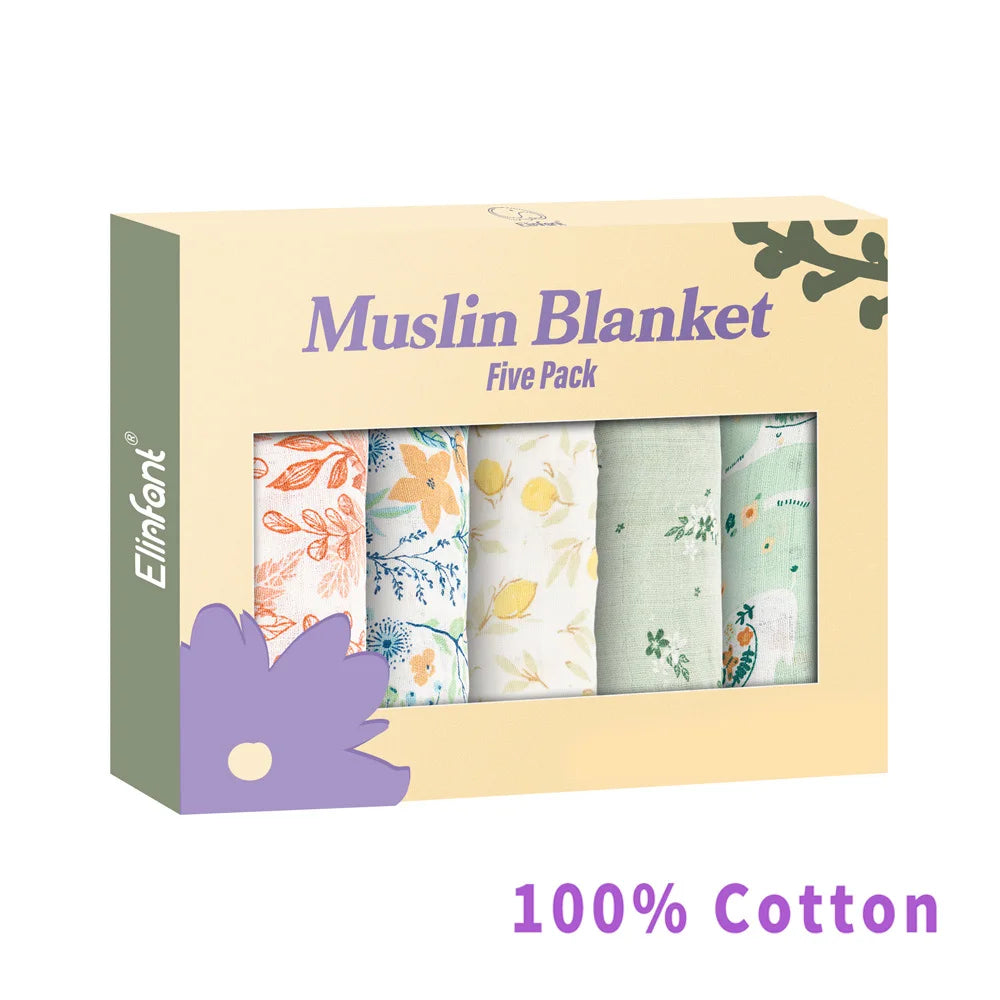
A soft baby bib can help keep baby dry during supervised feeding and awake time.
Types of Bibs for Newborns: Which Style Works Best?
Not every bib is designed for the same stage or purpose. When choosing the best bibs for newborns, prioritize softness, fit, absorbency, and ease of cleaning. Some styles are better suited to newborn feeding, while others become more useful as babies grow and begin eating solids.
Soft Cloth Bibs
Cloth bibs are often the most practical choice for newborns. Cotton and bamboo-cotton blends can feel soft against sensitive skin and absorb small amounts of milk or drool. They are lightweight, washable, and easy to rotate throughout the day.
Best for: Newborn feeding, milk dribbles, light spit-up, and everyday supervised use.
Bandana Bibs
Bandana-style bibs are popular for drooling and can provide more coverage around the upper chest. However, the shape and fit should be appropriate for the baby's age and neck size. A bandana bib should never feel tight or rub against the neck.
Best for: Older infants who drool more frequently, particularly during the teething stage.
Silicone Bibs
Silicone bibs are waterproof and easy to wipe clean, but they are generally more useful for older babies beginning solid foods than for newborns. They may be too structured or bulky for a newborn's everyday feeding routine.
Best for: Older infants and toddlers during solid-food meals.
Feeding Bibs
Feeding bibs are designed to protect clothing during meals and may offer wider coverage than a small newborn cloth bib. For newborns, a lightweight design is usually more appropriate because the main concern is milk dribble rather than food spills.
Best for: Transitioning from milk feeds to solid foods, depending on the design and age recommendation.
How to Use Bibs Safely Step by Step
Are bibs safe for newborns? They can be when used appropriately during supervised awake time and when the bib is correctly fitted. Safe newborn bib usage starts with choosing the right size and checking the baby's skin and clothing regularly.
- Choose the right size: Select a bib designed for your baby's age and neck size.
- Check the fit: Fasten it comfortably without making it tight or restrictive around the neck.
- Keep the material breathable: Choose soft fabric that feels comfortable against sensitive skin.
- Check for moisture: Look under the bib regularly and change it when it becomes damp.
- Watch the skin: Remove the bib and clean and dry the area if redness or irritation develops.
- Replace when dirty: Use a clean bib rather than continuing to wear one that is wet or soiled.
- Remove during sleep: Do not leave a bib on a newborn during naps or nighttime sleep.
- Use only with supervision: Remove the bib when your baby is unattended or when you cannot monitor them.
Choosing Soft Baby Bibs That Protect Sensitive Skin
Choosing soft baby bibs for newborns is about more than picking the most absorbent option. Newborn skin can be sensitive, so the bib should manage moisture without creating unnecessary friction, pressure, or heat.
| Feature | What to Look For | Why It Matters |
|---|---|---|
| Material | Soft cotton or bamboo-cotton blends | Comfortable against delicate skin and suitable for regular washing |
| Absorbency | Fabric that can handle milk dribbles and light moisture | Helps keep clothing drier during feeds |
| Fit | Comfortable neck opening without tightness | Reduces rubbing and pressure around the neck |
| Edges | Smooth, soft finishing | Helps minimize friction against sensitive skin |
| Closures | Secure, easy-to-use snaps or fasteners | Makes changes easier while avoiding overly tight fastening |
| Care | Machine-washable, durable fabric | Supports frequent cleaning and repeated use |
For most newborns, soft cloth bibs are a practical starting point. Avoid rough edges, stiff materials, or designs that trap excessive moisture against the neck. If your baby develops persistent redness or irritation, discontinue use of the bib and consider discussing the skin concern with a pediatric healthcare professional.
How Many Bibs Does a Newborn Need?
How many bibs does a newborn need? There is no universal number. The right quantity depends on how often your baby spits up or dribbles milk, how many feeds occur each day, and how frequently you do laundry.
As a practical starting point, 6–10 soft bibs can provide a useful rotation for many families, but you may need fewer if your baby rarely uses them or more if several bibs become damp throughout the day.
- Light spit-up or occasional dribbles: A small rotation may be enough.
- Frequent spit-up: Keep extra clean bibs available for quick changes.
- Frequent laundry: You may need fewer total bibs because clean ones are available more often.
- Less frequent laundry: A larger rotation can make daily care easier.
Rather than buying a large supply immediately, start with a few comfortable bibs and adjust based on your baby's actual needs.
Common Bib Mistakes Parents Make
Newborn bib usage is simple, but a few common mistakes can make bibs less comfortable or less useful.
- Using a bib instead of changing wet clothing: If the outfit underneath is damp, change it rather than leaving moisture against the skin.
- Leaving a damp bib on too long: Replace wet bibs promptly to keep the neck area comfortable and dry.
- Choosing uncomfortable materials: Rough, stiff, or poorly finished fabric can irritate sensitive skin.
- Fastening the bib too tightly: The bib should sit comfortably without excessive pressure around the neck.
- Using the wrong bib for the baby's age: Silicone meal bibs and larger feeding bibs are generally more useful for older babies eating solids.
- Leaving bibs on during unsafe situations: Remove bibs during sleep and whenever the baby is unattended.
The goal is not to keep a newborn wearing a bib continuously. It is to use the right type of bib at the right time and replace it whenever it becomes wet or dirty.
Cleaning and Care Tips
Regular cleaning is important because bibs collect milk, spit-up, drool, and skin moisture. Clean bibs should be stored in a dry place and rotated frequently to maintain freshness and softness.
- Wash bibs regularly according to the care instructions for the material.
- Use a gentle, fragrance-free detergent if your baby's skin is sensitive.
- Wash heavily soiled bibs promptly rather than leaving them damp in a laundry basket.
- Avoid excessive fabric softener if it reduces the absorbency of the fabric.
- Air dry when appropriate to help maintain softness and fabric condition.
- Check bibs regularly for loose threads, damaged fasteners, or worn edges.
- Keep several clean bibs available so a damp bib can be replaced immediately.
Material-specific care matters. Always follow the manufacturer's washing instructions, particularly for bamboo blends, specialty fabrics, or bibs with snaps and other closures.
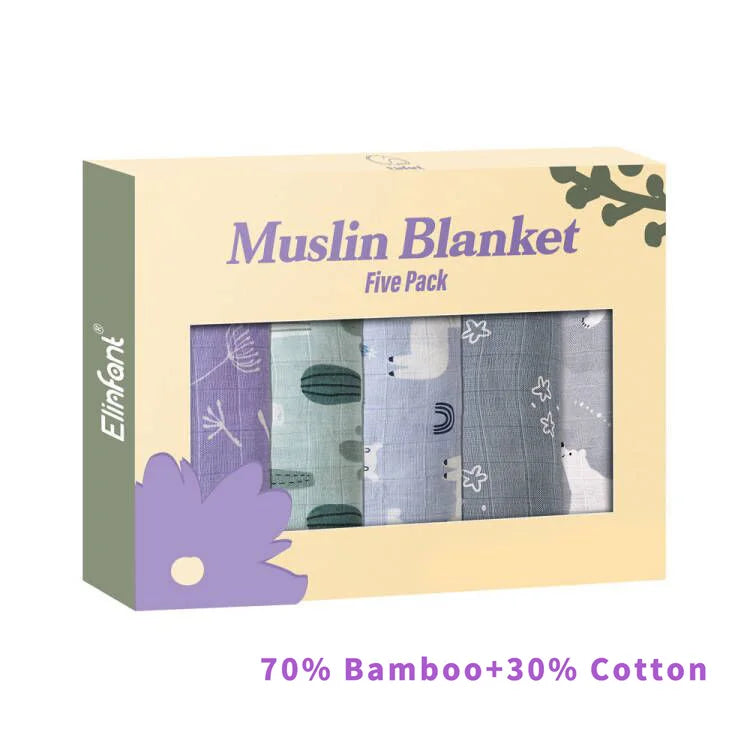
Choosing soft, washable baby bibs can make everyday feeding and cleanup easier.
Quick FAQs Parents Ask
Do newborns wear bibs from birth?
Some do. Newborns can wear bibs during supervised awake time from the early weeks when milk dribbles or spit-up make them useful. However, not every newborn needs a bib regularly.
How many bibs does a newborn need?
Many families find that 6–10 soft bibs provide a practical rotation, but the ideal number depends on feeding frequency, spit-up, drooling, and how often you wash laundry.
Are bibs safe for newborns?
Bibs can be used safely during supervised awake periods when they fit comfortably and are changed when wet or dirty. Remove bibs during sleep and when your baby is unattended.
Do newborns need bibs for breastfeeding?
Not necessarily. Some breastfed newborns have very little milk dribble, while others may benefit from a soft cloth bib during or shortly after feeds. Use one if it helps keep clothing and the neck area dry.
When do babies start wearing bibs regularly?
There is no single age when every baby needs bibs regularly. Newborns may use them for milk dribbles and spit-up, while older babies often use them more frequently as drooling increases or when they begin eating solid foods.
Do newborns need bibs every day?
No. Do newborns wear bibs every day? Some do, but daily use is optional. If your baby rarely spits up or dribbles milk, you may only need bibs during occasional messy feeds.
Can newborns sleep with bibs on?
No. Bibs should be removed before naps and nighttime sleep. Keeping the sleep environment clear of loose items is an important part of safe sleep practices.
Related Guide: :contentReference[oaicite:0]{index=0}





