

Do easy grip toddler cups really help babies learn control?
Easy grip toddler cups help babies build coordination and confidence by matching cup shape to small hands and developing motor skills. Thoughtful grip design reduces drops, supports smoother transitions from an infant feeding cup, and can minimize messes similarly to a spill proof bottle—especially helpful when choosing among the best cups for 6 month olds.
Easy Grip Toddler Cups for Small Hands Learning Control
⏱ 7 min read
If you’ve ever watched your baby struggle to hold a cup—tiny fingers slipping, liquid tipping, frustration building—you’re not alone. Many parents wonder if there’s a better way to support independence without constant spills. The right easy grip toddler cups can turn everyday drinking into a confidence-building moment that feels calmer for everyone.
Explore gentle, baby-friendly options designed for real-life messes.
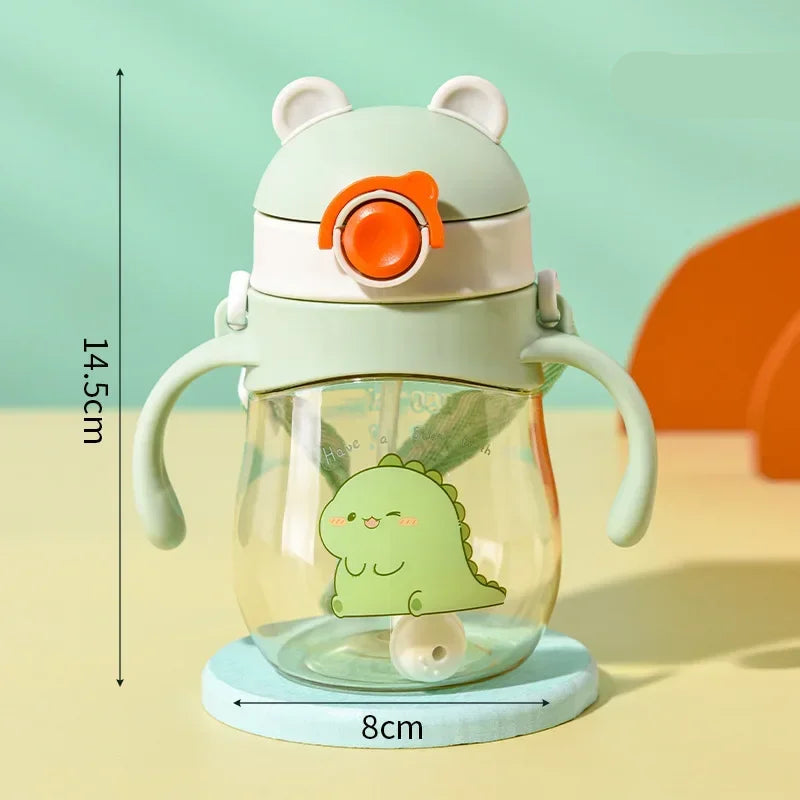
Easy grip toddler cups that support infant feeding cup transitions — 💡 See it in action
Why Grip Design Matters for Early Drinking
Grip isn’t just about comfort—it’s about control. Babies learning to drink independently are also developing hand strength, wrist stability, and coordination. A slippery surface or oversized cup can quickly derail progress, leading to frustration and more cleanups.
Easy grip toddler cups are shaped to fit naturally into small palms. Textured sides, dual handles, or contoured curves help babies hold steady, sip with confidence, and focus on the skill—not the struggle.
What Makes Easy Grip Toddler Cups Different?
Easy grip toddler cups are designed to match developing motor skills, offering stable handling, controlled flow, and spill resistance without limiting learning. Unlike standard cups, they support natural sipping while reducing drops and tip-overs during practice.
- Ergonomic handles sized for tiny hands
- Balanced weight to prevent wrist strain
- Controlled flow lids or straws to reduce choking risk
- Textured, non-slip surfaces for better grip
Many parents find these features especially helpful when transitioning from an infant feeding cup to open or straw-style options.
For families building a complete mealtime setup, browsing Feeding & Nursing can help align cups with bowls, spoons, and other daily essentials.
Choosing the Right Cup by Age and Stage
Not all cups fit every stage. Understanding what your child needs right now can make selection easier and more effective.
Best Cups for 6 Month Olds Starting Solids
At this stage, babies are exploring textures and coordination. Cups with soft straws, lightweight builds, and easy grip handles support learning without overwhelming them.
Older Babies (9–12 Months) Building Independence
As control improves, spill resistant cups with removable lids encourage practice while keeping messes manageable.
Toddlers Practicing Open-Cup Skills
Grip-focused designs with wider bases help toddlers experiment safely, preparing them for regular cups.
Supporting motor development alongside feeding routines pairs well with resources found in Baby Growth & Learning.
Easy Grip Cups vs Traditional Bottles
| Feature | Easy Grip Toddler Cups | Traditional Spill Proof Bottle |
|---|---|---|
| Hand Fit | Designed for small hands | Often sized for older grip strength |
| Learning Support | Encourages independent sipping | Can delay open-cup skills |
| Spill Control | Balanced spill resistance | High spill prevention |
| Transition Readiness | Smooth step toward regular cups | Less adaptable over time |
While a spill proof bottle can reduce messes, easy grip toddler cups often strike a better balance between cleanliness and skill-building.
Simple tips can save time, stress, and spills.
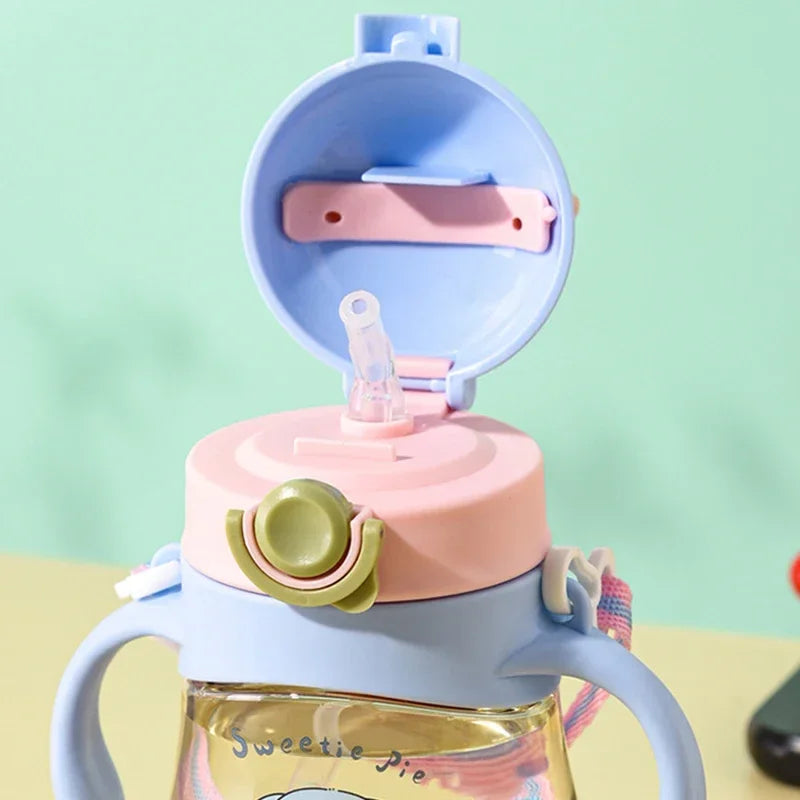
Comparing easy grip toddler cups with spill proof bottle designs — 💡 See it in action
How to Introduce an Easy Grip Cup Successfully
- Start with small amounts of liquid to reduce spills.
- Demonstrate sipping slowly and calmly.
- Offer the cup during relaxed, seated moments.
- Allow practice time—mess is part of learning.
Consistency matters more than perfection. Over time, babies associate the cup with success rather than frustration.
Real Parent Stories and Results
“My 7-month-old stopped tossing the cup once he could actually hold it,” shared one parent. Another noted fewer outfit changes after switching to an easy grip design that fit her daughter’s hands.
Small design changes often lead to noticeable daily improvements—less mess, more smiles, and calmer mealtimes.
Safety, Cleaning, and Daily Care
Look for food-grade materials, smooth seams, and easy-to-clean parts. Dishwasher-safe designs save time, while minimal components reduce mold risk.
Families focused on hygiene often pair cups with items from Health & Safety to keep routines simple and safe.
A Smart Option for Growing Independence
Easy grip toddler cups stand out by combining control, comfort, and learning support. Designs that balance spill resistance with natural sipping help babies progress confidently while keeping everyday messes manageable.
One thoughtfully designed option to explore is the anti-choke straw drinking cup, created to support smooth flow and steady grip during early sipping stages.

Easy grip toddler cups designed for confident sipping — 💡 See it in action
Get a cup that supports independence while reducing spills.
Quick FAQs
When should babies start using easy grip toddler cups?
Most babies can begin around 6 months, once they sit with support and show interest in holding objects during feeding.
Are easy grip cups better than a spill proof bottle?
They support skill development better while still reducing mess, making them ideal for learning stages.
How many cups should a toddler have?
Two to three cups allow rotation for cleaning and different drink types throughout the day.
Related Guide: Sippy Cup for 6 Month Old That Fits Early Feeding Needs





