

Does an ergonomic baby feeder for self-feeding really work?
An ergonomic baby feeder for self-feeding supports natural hand positioning, improves grip strength, and helps babies progress through infant motor skills milestones with less frustration. Designed for tiny hands, it reduces common baby self-feeding struggles like spills and refusal, helping infants eat more confidently and safely.
Ergonomic Baby Feeder for Self-Feeding: Why It Works Best
⏱ 7 min read
Messy meals, dropped spoons, and frustrated little faces are common when babies start feeding themselves. Many parents wonder if there’s a better way to support independence without turning every meal into a cleanup marathon. An ergonomic baby feeder for self-feeding promises to change that experience—by working with your baby’s natural development instead of against it.
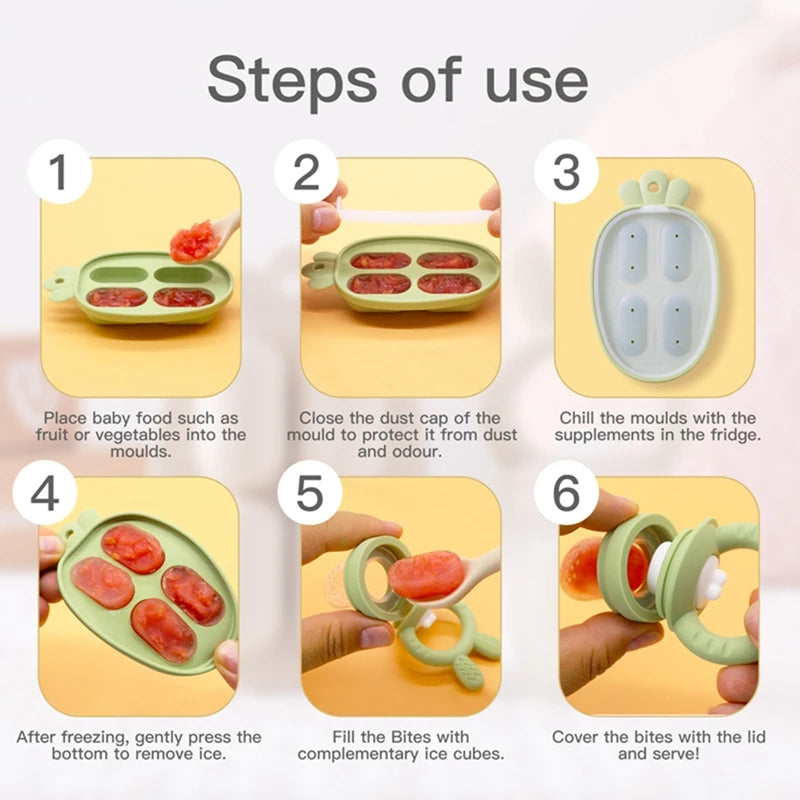
An ergonomic baby feeder for self-feeding helps an infant self feeder build confidence from the first bite. 💡 See it in action.
Why Ergonomic Design Matters for Baby Self-Feeding
An ergonomic baby feeder for self-feeding is shaped to match how babies naturally grasp objects. Instead of forcing an adult-style grip, it encourages a palmar or pincer grasp that feels intuitive. This reduces frustration and helps babies focus on eating, not fighting the tool.
Which feeding tool suits your baby’s stage best? Understanding design differences can make a surprising impact on daily routines.
Why choose an ergonomic baby feeder for self-feeding?
An ergonomic baby feeder for self-feeding works best because it aligns with an infant’s natural hand movements, improving control and reducing spills. This design supports safer self-feeding, builds confidence, and eases baby self-feeding struggles while encouraging steady progress through infant motor skills milestones.
How It Supports Infant Motor Skills Milestones
Self-feeding isn’t just about nutrition—it’s a developmental milestone. Babies learn coordination, strength, and independence with every bite.
- Grip development: Rounded handles promote proper finger placement.
- Hand-eye coordination: Stable design helps babies guide food accurately.
- Oral exploration: Safe textures encourage tasting without risk.
- Confidence building: Success reduces refusal and fussiness.
These benefits align naturally with resources found in Baby Growth & Learning, where tools are designed to support developmental stages.
Ergonomic Feeder vs Traditional Feeding Tools
| Feature | Ergonomic Baby Feeder | Traditional Spoon |
|---|---|---|
| Grip Support | Designed for small hands | Adult-sized handle |
| Spill Reduction | High | Low |
| Motor Skill Support | Yes | Limited |
| Baby Confidence | Encouraged | Often frustrated |
Parents comparing options often find that ergonomic designs outperform basic tools, especially during early self-feeding stages.
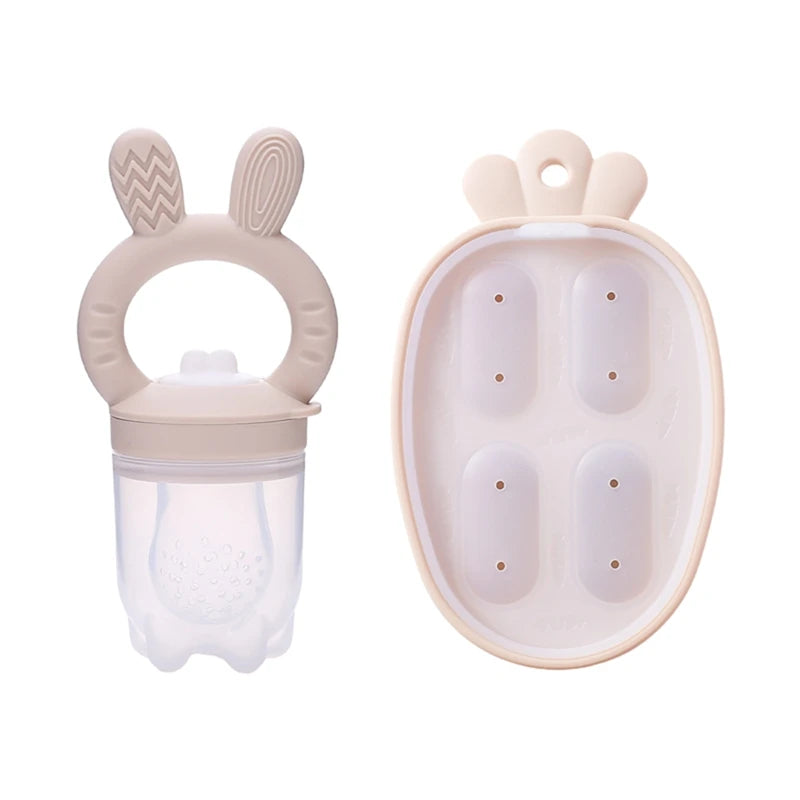
An infant self feeder gains better control with ergonomic design, easing baby self-feeding struggles. 💡 See it in action.
Real-Life Benefits Parents Notice
Parents frequently report calmer mealtimes within days of switching to an ergonomic baby feeder for self-feeding. Less mess means less stress, and babies show more interest in trying new foods.
One parent shared, “My baby stopped throwing the spoon and actually finished meals. It felt like a small win every day.” These experiences reflect common patterns seen with well-designed feeding tools.
Safety, Materials, and Peace of Mind
Safety is non-negotiable when it comes to feeding. High-quality silicone feeders are gentle on gums and free from harmful substances. Smooth edges and secure food chambers help prevent choking risks.
For parents prioritizing safe materials, collections like Health & Safety offer reassurance through carefully selected products.
How to Use an Ergonomic Baby Feeder Successfully
- Introduce during calm mealtimes when your baby is alert.
- Start with soft foods or fruit suited for self-feeding.
- Allow exploration—mess is part of learning.
- Stay nearby to encourage and supervise.
Consistency helps babies adapt quickly, turning early attempts into confident routines.
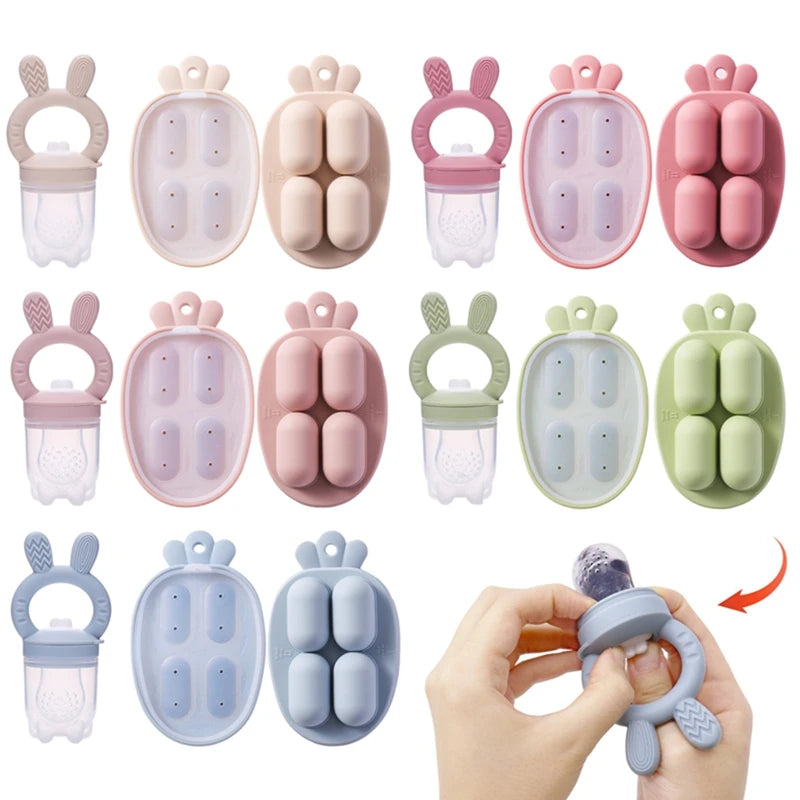
Ergonomic baby feeder for self-feeding supports infant motor skills milestones and confident eating. 💡 See it in action.
Frequently Asked Questions
At what age can babies start using an ergonomic baby feeder?
Most babies can begin around 6 months, when they show readiness for solids and grasping objects.
Does it really reduce baby self-feeding struggles?
Yes. Ergonomic design improves grip and control, reducing spills and frustration.
Is it suitable for baby-led weaning?
Absolutely. It complements baby-led approaches by encouraging independent exploration and safe self-feeding.
Related Guide: Best Teething Toys for Infants: Features That Make Them Stand Out





