

Does an ergonomic handle baby cup really improve grip control?
An ergonomic handle baby cup improves grip control by matching tiny hand anatomy, reducing wrist strain, and stabilizing tilts during sipping. The shaped handles help babies lift and drink with confidence, leading to fewer spills and faster self-feeding progress compared to smooth-sided cups.
Ergonomic Handle Baby Cup Benefits for Better Grip Control
⏱ 6 min read
Early drinking can feel surprisingly hard—for babies and parents alike. Slippery cups, sudden spills, and frustrated little hands often turn simple sips into cleanup marathons. An ergonomic handle baby cup changes that experience by giving babies real control from the first lift, helping build confidence, coordination, and calmer mealtimes.

Ergonomic handle baby cup for smoother lifting and early control 💡 See it in action
What makes ergonomic handles different?
An ergonomic handle baby cup is designed around how babies naturally grasp objects. Instead of forcing tiny hands to adapt, the handle adapts to them, improving stability and comfort during every sip.
Unlike round or smooth-sided designs, these handles encourage a neutral wrist position. That means less shaking, fewer drops, and more successful drinking attempts.
- Curved handle shape that fits small palms
- Textured surfaces to prevent slipping
- Balanced weight distribution for easy lifting
- Comfortable spacing for two-handed gripping
How grip design supports healthy self-feeding development
An ergonomic handle baby cup doesn’t just reduce mess—it actively supports motor skill development. When babies can hold and tilt a cup confidently, they practice coordination that transfers to spoons, toys, and everyday objects.
Many parents compare this style favorably to the best cups for 6 month olds because it promotes independence earlier without overwhelming babies with complex mechanisms.
Developmental benefits include:
- Stronger hand-eye coordination
- Improved wrist stability
- More accurate tilting control
- Increased confidence during meals
These small wins add up quickly, turning an infant feeding cup into a learning tool instead of a frustration point.
Why it works better than traditional baby cups
Traditional cups often rely on tight lids or stiff spouts to prevent spills, which can make drinking harder. An ergonomic handle baby cup focuses on control first, allowing babies to manage the cup naturally.
| Design | Grip Control | Spill Reduction |
|---|---|---|
| Ergonomic handle baby cup | High | Consistent |
| Standard smooth cup | Low | Unpredictable |
| Spill proof bottle | Moderate | High but restrictive |
Parents often notice fewer power struggles because babies feel more capable and less frustrated.
For families building a complete feeding routine, exploring Feeding Tools can help support smoother transitions across stages.
Features that reduce spills without restricting babies
An ergonomic handle baby cup minimizes spills by improving grip accuracy rather than forcing liquid through complex valves. This balance is why many parents feel it rivals a spill proof bottle while feeling more natural.
Key spill-reducing features include:
- Anti-slip handle texture
- Wide base for tabletop stability
- Controlled flow openings
- Lightweight materials for steady lifting
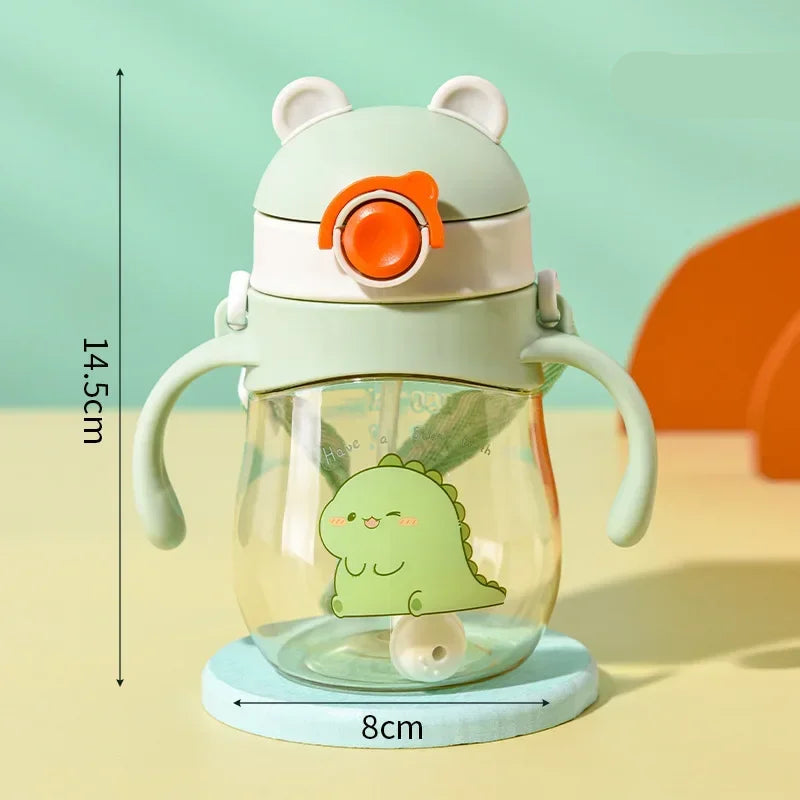
Infant feeding cup designed for confident grip control 💡 See it in action
What parents notice after switching
Parents often report calmer meals within days of switching to an ergonomic handle baby cup. Babies lift the cup more accurately, spill less, and stay engaged longer.
Common feedback includes:
- “My baby stopped dropping the cup every sip.”
- “Fewer outfit changes after meals.”
- “More confidence during self-feeding.”
These everyday improvements reduce stress and help parents feel confident they’ve chosen one of the best cups for 6 month olds and beyond.
How to choose the right ergonomic handle baby cup
Not all designs are equal. When comparing options, focus on handle shape, material safety, and ease of cleaning.
- Check that handles are easy to grasp without squeezing
- Look for food-grade, BPA-free materials
- Ensure the cup is lightweight but stable
- Choose designs that grow with your baby
Pairing the right cup with supportive routines from Baby Growth & Learning collections can further encourage independence.
Many parents find that pairing this cup with the anti-choke straw drinking cup provides flexibility across different drinking stages.
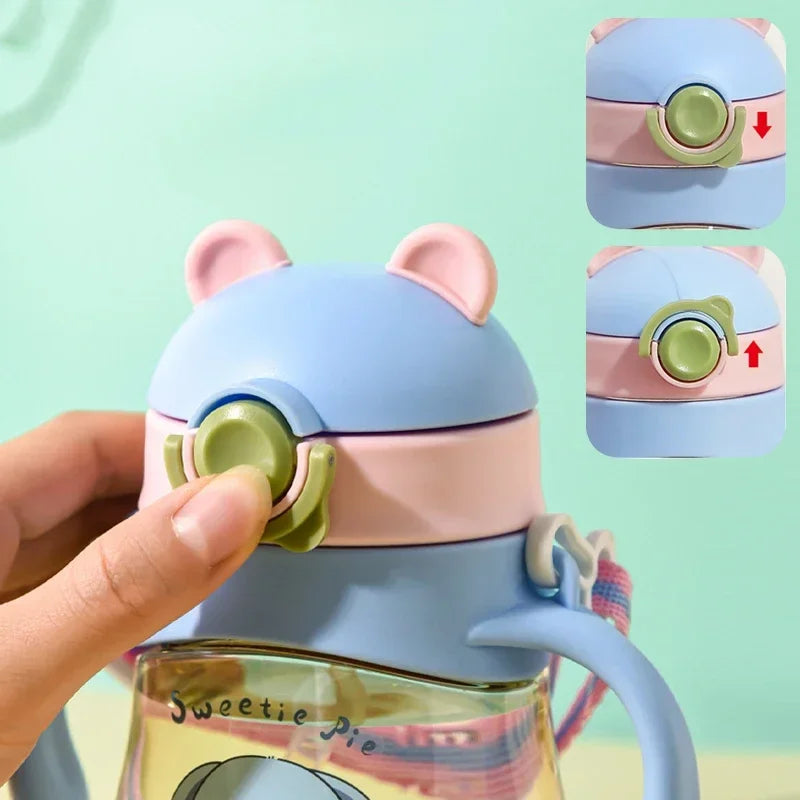
Ergonomic handle baby cup supporting mess-free feeding 💡 See it in action
Mini FAQ
Is an ergonomic handle baby cup safe for beginners?
Yes. The design supports natural hand positioning and controlled tilting, making it suitable for early self-feeding stages when supervised.
How is it different from a spill proof bottle?
It reduces spills through better grip control rather than restrictive valves, allowing babies to learn natural drinking skills.
When should babies start using an infant feeding cup?
Many families introduce cups around six months, especially when babies show interest in holding and lifting objects independently.
Related Guide: Child-Friendly Straw Systems Explained for Easier, Safer Sipping





