

What is the best feeding guide for infants starting solids?
The feeding guide for infants helps parents choose safe first foods for infants while supporting infant motor skills development. It focuses on texture progression, nutrient density, and readiness cues so infant eating solids feels safer, less stressful, and more enjoyable from the very first bite.
Feeding Guide for Infants: Best First Foods Compared
⏱ 6 min read — Starting solids can feel overwhelming. This feeding guide for infants breaks down safe first foods for infants, explains how infant eating solids builds confidence, and shows why infant motor skills development matters more than exact age. Use this comparison-led guide to make calmer, smarter choices from the very first spoonful.
Browse trusted essentials designed for early feeding routines.
Feeding Tools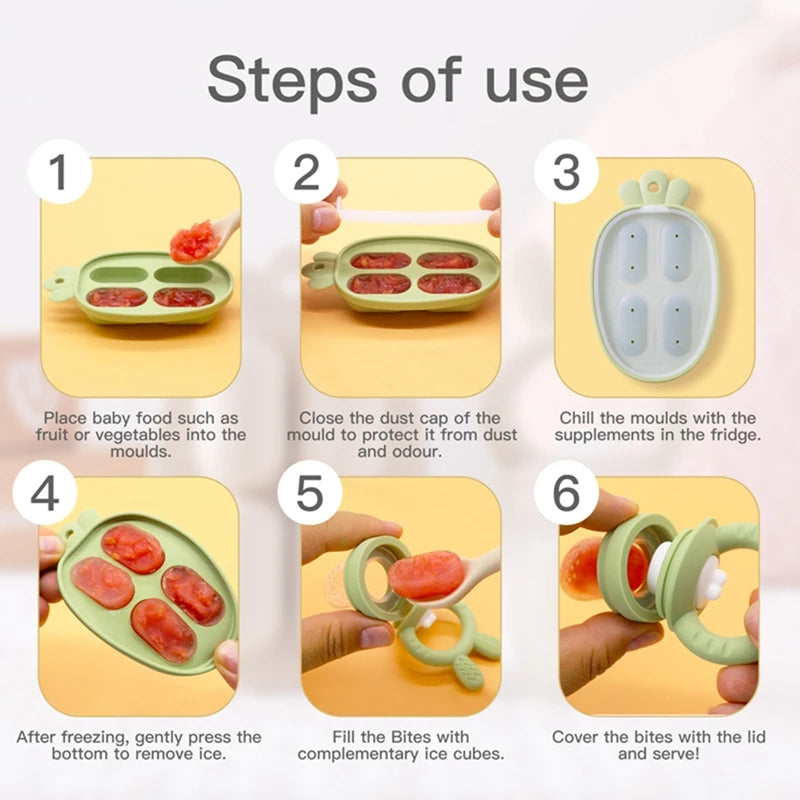
Feeding guide for infants overview with safe first foods for infants 💡 See it in action
Why Starting Solids Feels Hard for Parents
Parents often worry about choking, allergies, and whether their baby is “ready.” Mixed advice online adds pressure. The truth: infant eating solids is a learning process, not a test. With the right textures and pace, babies build confidence while parents relax.
Which first foods actually support coordination and acceptance? Read on to compare options clearly.
When Is Baby Ready to Eat Solids?
A feeding guide for infants focuses on readiness cues rather than birthdays. Babies typically show readiness when they sit with support, bring objects to their mouth, and lose the tongue-thrust reflex. These signs indicate growing infant motor skills development.
- Sits upright with minimal support
- Shows interest in food during family meals
- Opens mouth when offered food
- Can move food from front to back of mouth
Best First Foods Compared: What Works and Why
The feeding guide for infants prioritizes texture, nutrition, and safety. Starting with soft, single-ingredient foods reduces overwhelm and helps babies learn how to chew and swallow.
| First Food | Why It Helps | Watch Outs |
|---|---|---|
| Avocado (mashed) | Healthy fats, smooth texture supports early control | Serve ripe and soft |
| Banana (soft) | Easy to mash, familiar sweetness | Avoid chunks |
| Steamed carrot (pureed) | Vitamin-rich, thicker texture for skill-building | Cook until very soft |
| Oat cereal | Iron-fortified, customizable thickness | Mix thin at first |
Pros and Cons of Popular First Foods
- ✅ Soft fruits encourage acceptance
- ✅ Purees reduce choking risk early
- ❌ Hard textures too soon increase gagging
- ❌ Mixed ingredients can mask reactions
Many parents use gentle feeders to introduce fruits with less mess.
See the silicone baby fruit feeder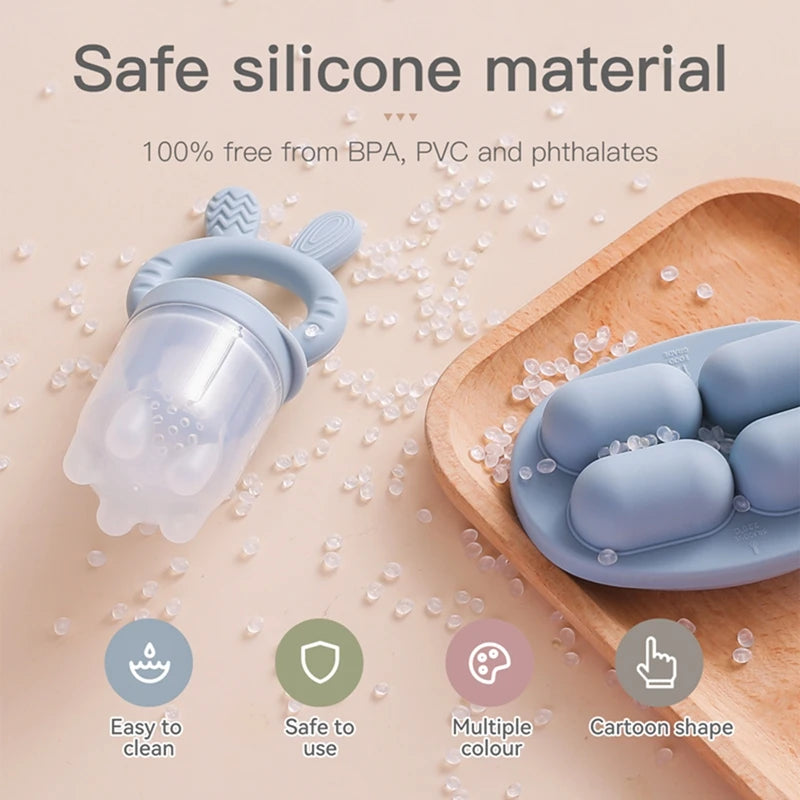
Infant eating solids supports curiosity and coordination 💡 See it in action
How Texture Progression Builds Motor Skills
The feeding guide for infants emphasizes gradual texture changes. Thicker purees, then soft lumps, help babies practice jaw movement and tongue control—key elements of infant motor skills development.
- Start with smooth purees
- Move to thicker, mashed textures
- Introduce soft finger foods
- Encourage self-feeding at baby’s pace
Parents often notice fewer mealtime battles when texture progression matches skill growth.
Tools That Make Feeding Easier and Safer
While food choice matters, the right tools reduce stress and mess. Many families pair first foods with supportive gear that encourages exploration.
- Feeding & Nursing essentials for early routines
- Baby Growth & Learning items that support coordination
- Health & Safety tools to minimize risks
For example, soft fruit feeders allow babies to taste without biting off large pieces, easing common safety worries.
Common First-Feeding Mistakes to Avoid
- Rushing textures before skills develop
- Offering hard or round foods too early
- Forcing bites when baby turns away
- Comparing progress to other babies
Remember: infant eating solids is about exploration, not volume.
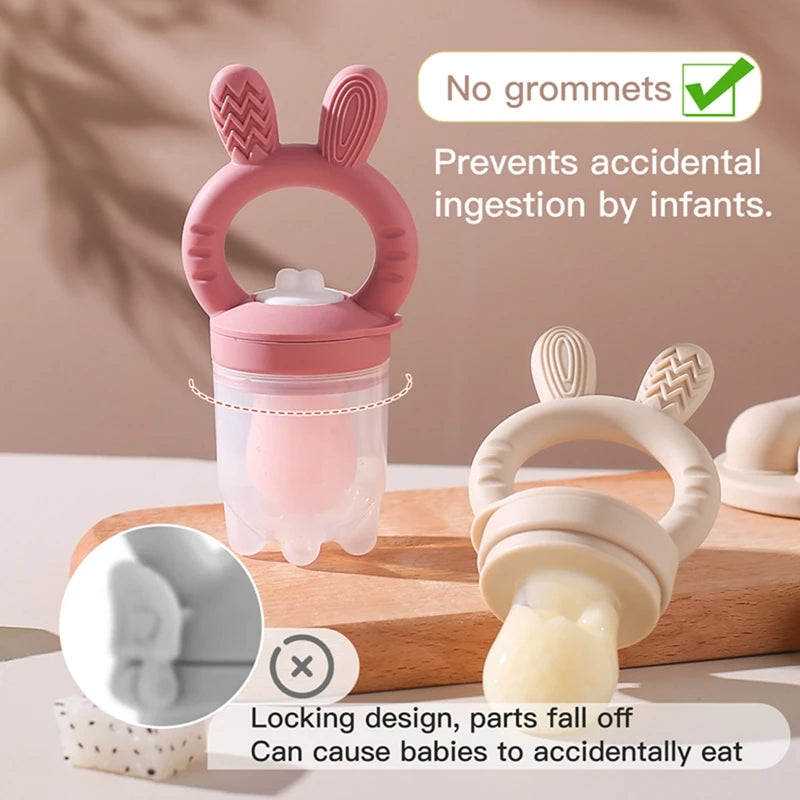
Safe first foods for infants paired with supportive tools 💡 See it in action
Explore thoughtfully designed tools parents trust for early solids.
Shop Feeding ToolsMini FAQ
What foods should infants avoid at first?
Avoid hard, round, or sticky foods like nuts, whole grapes, and chunks. A feeding guide for infants recommends soft, easily mashable options to reduce choking risk.
How much should my baby eat when starting solids?
Small tastes are enough. Infant eating solids is about learning skills, not replacing milk feeds.
Can feeding tools really help?
Yes. Supportive tools can encourage self-feeding, improve confidence, and help align texture with infant motor skills development.
Related Guide: Introducing Solids to Infant: Top 7 Foods to Start Safely





