

What are the best feeding tips for infants starting first meals?
Feeding tips for infants focus on timing, texture, posture, and the right tools to keep meals safe and stress-free. Starting solids around 6 months, offering soft textures, using infant feeding utensils designed for small hands, and following safe feeding for infants practices help reduce choking risks while building confidence and healthy habits.
Feeding Tips for Infants: Step-by-Step First Meals
⏱ 9 min read
feeding tips for infants can turn stressful first meals into confident, joyful moments when you know what to do and when to do it. If you’re worried about choking, messes, or whether your baby is “ready,” you’re not alone. This guide walks you through simple, proven steps to support safe feeding for infants, choose the right infant feeding utensils, and gently encourage independence with an infant self feeder—without pressure.
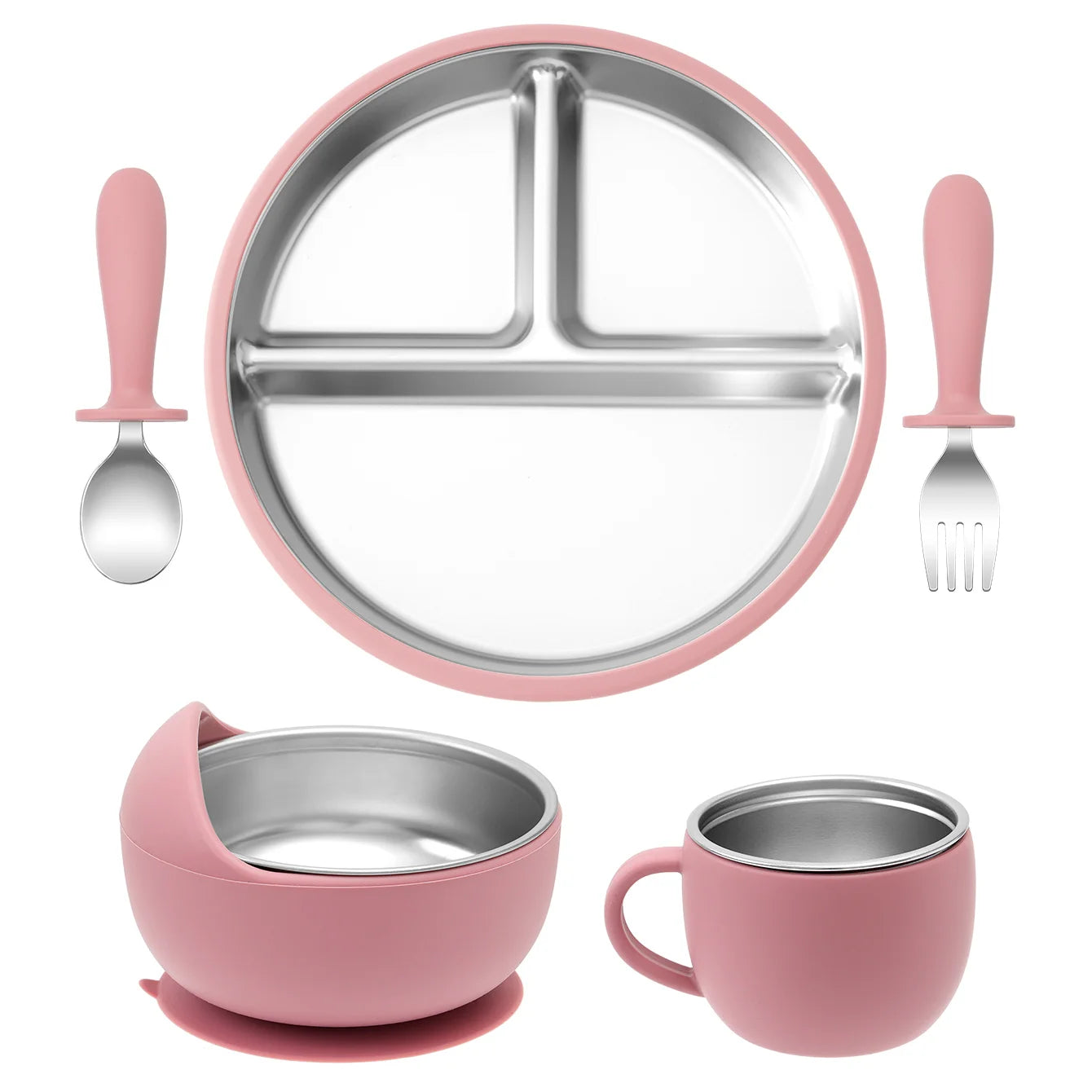
Feeding tips for infants start with calm setup and infant feeding utensils — 💡 See it in action
How to Know When Your Baby Is Ready for First Meals
Feeding tips for infants begin with readiness, not age alone. Most babies show signs around 6 months, but cues matter more than the calendar. Starting too early can increase frustration and risk.
- Sits with minimal support and holds head steady
- Shows interest when others eat
- Opens mouth when food approaches
- Can move food from spoon to swallow
If these signs are present, you’re setting the stage for safe feeding for infants from the very first bite.
Safe Feeding for Infants: The Non-Negotiables
Feeding tips for infants always prioritize safety. A few foundational habits dramatically lower choking risk and make meals calmer for everyone.
Direct answer: Feeding tips for infants emphasize upright positioning, slow pacing, and age-appropriate textures. Sitting your baby upright, offering soft foods, supervising every bite, and avoiding distractions are core safe feeding for infants practices that protect airway control while building positive mealtime experiences.
- Always seat baby upright, hips and back supported
- Offer soft, mashable textures
- Stay present—no screens or walking around
- Introduce one new food at a time
Keeping a thermometer nearby from Temperature Tools helps ensure foods are warm—not hot—before serving.
Choosing First Foods Without Overthinking
Feeding tips for infants don’t require fancy recipes. Simple, single-ingredient foods let you observe tolerance and preferences.
| Good First Foods | Why They Work |
|---|---|
| Mashed avocado | Soft texture, healthy fats |
| Steamed sweet potato | Easy to mash, mild taste |
| Oat or rice cereal | Smooth consistency when mixed |
| Pureed pear or apple | Gentle on digestion |
As variety increases, tools from Feeding Tools help portion and serve foods safely.
Infant Feeding Utensils That Actually Help
Feeding tips for infants are easier to follow with the right gear. Oversized or slippery tools create spills and frustration.
Direct answer: Feeding tips for infants recommend infant feeding utensils with shallow spoons, non-slip handles, and weighted bases. These features support safe feeding for infants while allowing an infant self feeder to practice coordination without overwhelming their grip or mouth.
- Shallow spoons protect gums
- Wide handles support tiny hands
- Non-slip bases reduce spills
- Durable materials simplify cleaning
Many parents prefer a complete set like the stainless steel baby feeding set for consistency across meals.
Step-by-Step First Meals Routine
Consistency is one of the most overlooked feeding tips for infants. A predictable routine helps babies relax and engage.
- Wash hands and prepare food to a soft texture
- Seat baby upright and secure foot support
- Offer a small spoonful, waiting for cues
- Pause between bites to watch swallowing
- End the meal at the first sign of fatigue
Keeping cleaning supplies nearby from Baby Hygiene Gadgets makes quick cleanup less overwhelming.
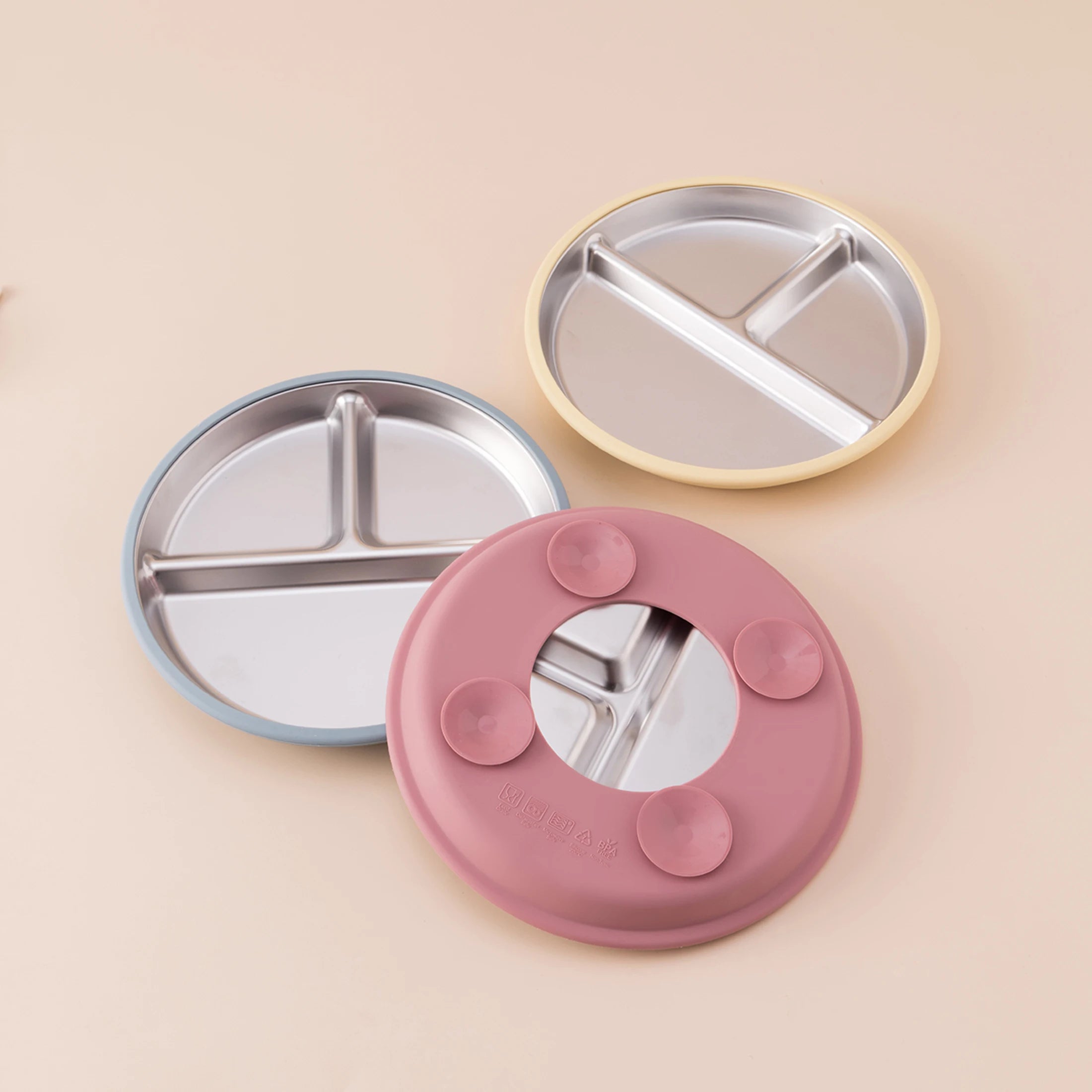
Safe feeding for infants with supportive posture and tools — 💡 See it in action
Supporting an Infant Self Feeder Without Pressure
Feeding tips for infants encourage independence at a gentle pace. Letting babies explore food builds motor skills and confidence.
- Offer soft finger foods alongside spoon-feeding
- Expect mess—it’s part of learning
- Model chewing and enjoyment
- Avoid forcing bites
Pair meals with exploration time using items from Baby Growth & Learning to reinforce curiosity.
Common First-Meal Mistakes to Avoid
Even well-intended parents stumble early on. Knowing what to skip is just as important as knowing what to do.
- Rushing textures before baby is ready
- Offering food while baby reclines
- Distracting with screens
- Stopping after one refusal
Adjusting these habits often leads to smoother meals within days.
What Real Parents Notice After Week One
Parents who follow simple feeding tips for infants report noticeable changes quickly:
- Less gagging and coughing
- Longer attention during meals
- Improved hand-to-mouth control
- Greater confidence trying new foods
Many say switching to consistent infant feeding utensils made the biggest difference.
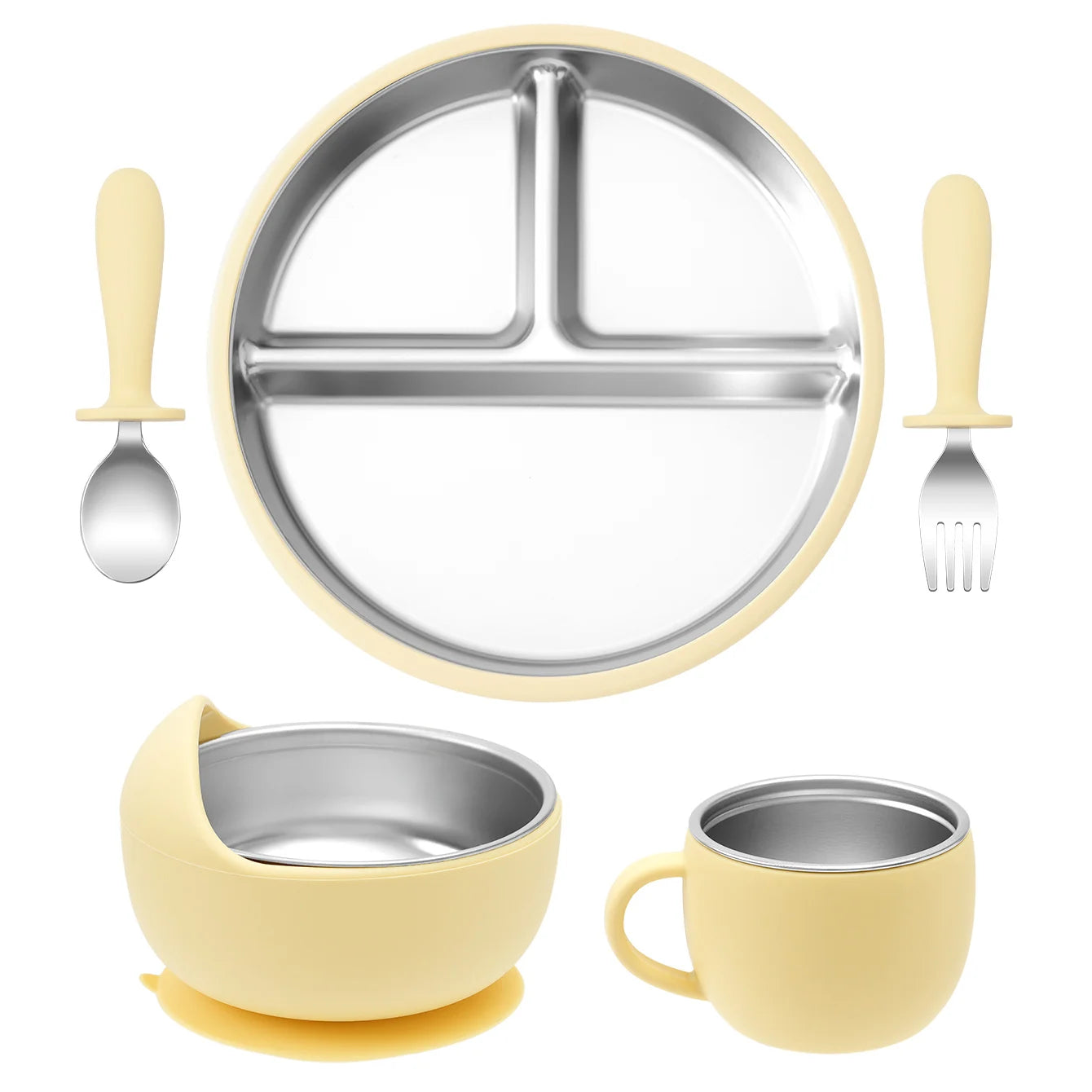
Infant self feeder progress with the right routine — 💡 See it in action
Mini FAQ: Feeding Tips for Infants
How often should I offer solids at first?
Start with once daily. Feeding tips for infants suggest increasing frequency gradually as interest and tolerance grow.
What if my baby refuses a food?
Refusal is normal. Reintroduce the food later without pressure; familiarity often changes acceptance.
When can my baby feed themselves?
An infant self feeder may begin practicing around 6–8 months with soft foods and supportive utensils.
Do utensils really matter?
Yes. Infant feeding utensils designed for small mouths and hands support safe feeding for infants and reduce frustration.





