

Food grade silicone baby products are silicone plates safe
Are food grade silicone baby dishes really worth the hype?
Food grade silicone baby dishes are worth the hype because they are silicone non toxic, handle silicone safe temperature changes, and last longer than plastic or bamboo. A quality silicone feeding set resists stains, won’t shatter when dropped, and stays free from chemical leaching, making daily meals safer and easier.
⏱ 6 min read
Food Grade Silicone Baby Dishes Are They Worth the Hype
Food grade silicone baby dishes are everywhere right now, from minimalist kitchens to daycare lunch tables. Parents promise less mess, fewer worries about chemicals, and dishes that actually survive toddler tantrums. But are these soft, flexible plates and bowls truly better than traditional options, or just another parenting trend?
Picture this: you finally sit down for a calm meal, only to watch a plastic plate flip onto the floor. Again. If you’ve wondered whether switching materials could make mealtime calmer and safer, you’re not alone.
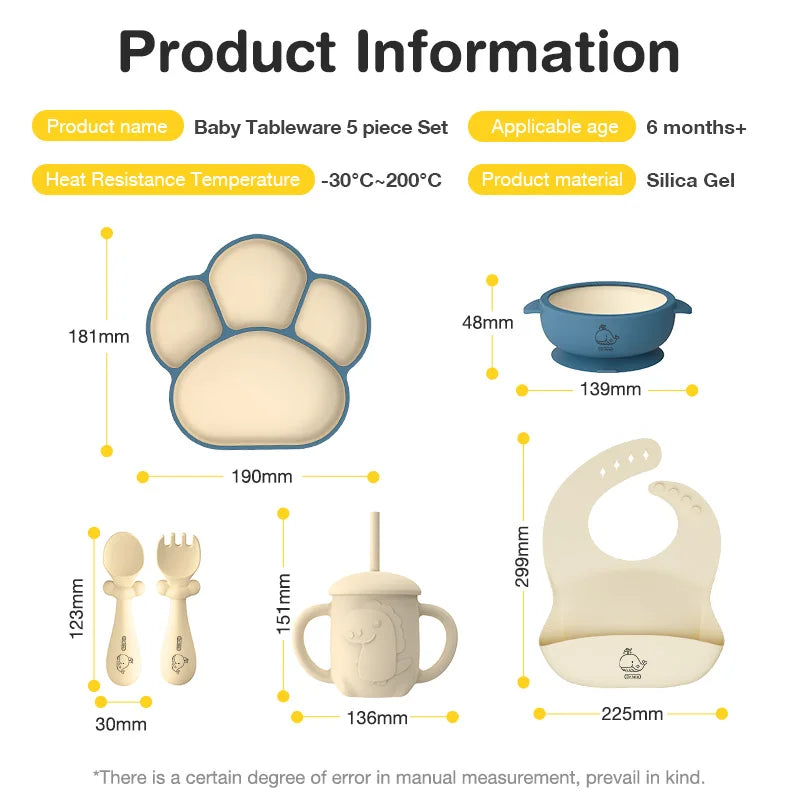
Food grade silicone baby dishes designed for silicone non toxic daily feeding — 💡 See it in action
What Is Food Grade Silicone for Baby Dishes?
Food grade silicone baby products are made from high-quality silicone approved for food contact, free from fillers and harmful additives. This material stays flexible yet durable, making it ideal for plates, bowls, and utensils designed for little hands and messy meals.
Unlike plastics that can degrade over time, silicone maintains its structure even after repeated washing and heating. That’s why many parents see it as a long-term upgrade rather than a disposable baby item.
Why Parents Switch to Silicone Baby Dishes
Parents often make the switch after dealing with cracked plates, stained bowls, or concerns about chemicals. Silicone offers a combination of softness and strength that feels reassuring during daily use.
- Gentle on gums and emerging teeth
- Non-slip designs that cling to tables
- Easy to clean by hand or dishwasher
- Durable enough for years of use
Many families pair silicone dishes with accessories from Feeding Tools to create a more coordinated, mess-free mealtime setup.
Are Silicone Baby Dishes Truly Non Toxic?
Food grade silicone baby dishes are considered silicone non toxic because they contain no BPA, PVC, phthalates, or lead. High-quality silicone does not off-gas or leach chemicals when exposed to food, making it a trusted choice for infants and toddlers.
This is especially reassuring during the early feeding stages, when babies explore with their mouths. Many parents also look to collections like Health & Safety to support a safer home environment overall.
How Silicone Handles Heat and Cold
One major advantage parents notice is silicone safe temperature performance. Silicone can typically withstand extreme cold and high heat without cracking, melting, or releasing toxins.
- Safe for freezer storage of purees
- Microwave and dishwasher friendly
- Resists warping from hot foods
- Comfortable to touch even with warm meals
This flexibility makes a silicone feeding set practical for busy families juggling meal prep, storage, and cleanup.
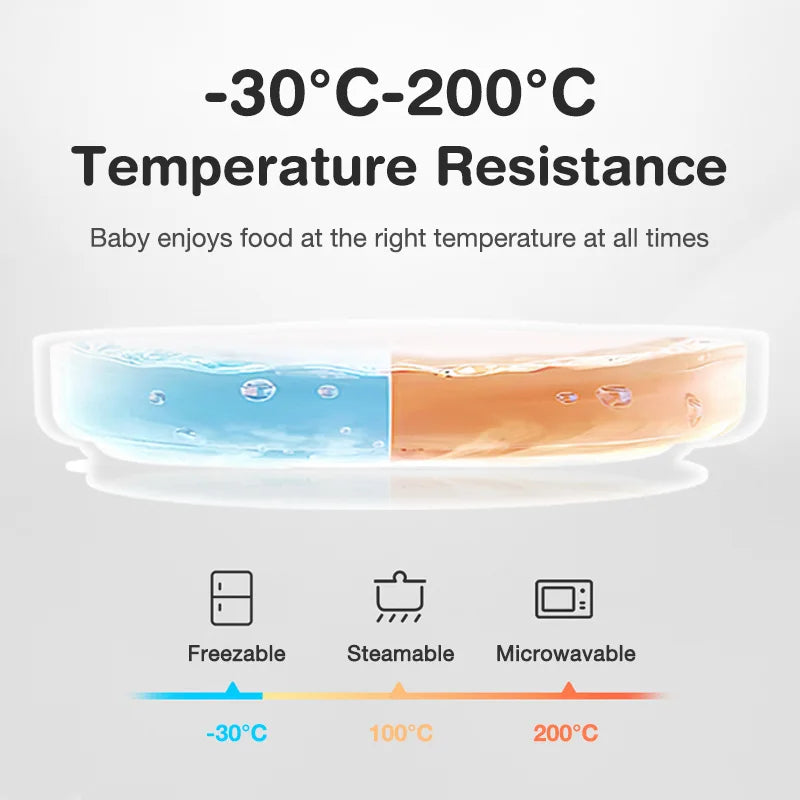
Silicone safe temperature design for modern feeding routines — 💡 See it in action
Silicone vs Other Baby Dish Materials
| Material | Durability | Chemical Safety | Ease of Cleaning |
|---|---|---|---|
| Food Grade Silicone | Very High | Excellent | Easy |
| Plastic | Medium | Varies | Easy |
| Bamboo | Low | Good | Moderate |
| Stainless Steel | High | Excellent | Moderate |
While each option has benefits, silicone stands out for balancing safety, comfort, and convenience, especially for everyday use.
Real Parent Reviews and Experiences
Parents often share similar stories after switching to silicone. One mom noted that spills dropped by half once suction bowls stayed put. Another parent appreciated that their child could safely chew on the edge without worry.
In informal surveys among feeding-focused communities, families reported:
- Fewer replacements compared to plastic dishes
- Less staining and lingering odors
- Greater confidence in material safety
Many reviewers recommend investing in a complete silicone feeding set rather than mixing materials for consistency.
So, Are Food Grade Silicone Baby Dishes Worth It?
Food grade silicone baby dishes stand out because they combine silicone non toxic safety, silicone safe temperature resilience, and thoughtful silicone feeding set design. Compared to cheaper alternatives, they last longer, reduce mess, and ease safety worries, making them a worthwhile upgrade for families focused on long-term value.
Parents looking to streamline feeding routines often explore trusted options like the children’s silicone tableware set for an all-in-one solution.
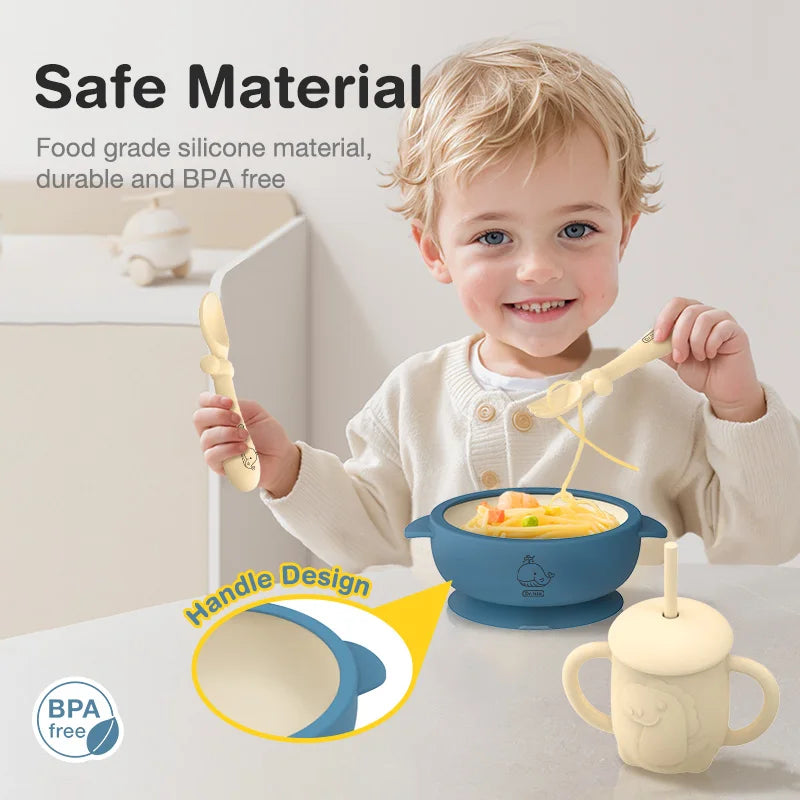
Complete silicone feeding set built for safer, mess free meals — 💡 See it in action
Frequently Asked Questions
Do silicone baby dishes absorb smells or stains?
High-quality silicone resists staining and odors better than plastic. Occasional deep cleaning keeps dishes fresh even with colorful or oily foods.
Can silicone dishes be used beyond the baby stage?
Yes. Their durability and neutral design make them useful well into toddler years and even for snacks as kids grow.
How do I know if silicone dishes are truly food grade?
Look for clear labeling, reputable brands, and certifications indicating the silicone is approved for food contact and free from harmful additives.
Related Guide: Silicone Tableware Set Babies Honest Review After Daily Use





