

Food Grade Silicone Baby Tools Tested After Daily Use
Do food grade silicone baby tools really hold up after daily use?
Food grade silicone baby tools are designed to stay safe, flexible, and durable through repeated feeding, washing, and sterilizing. In daily use tests, they resist heat, cracking, and sharp edges better than many alternatives, making them a reliable choice for messy meals, teething stages, and long-term value for growing babies.
Food Grade Silicone Baby Tools Tested After Daily Use
⏱ 7 min read
Feeding a baby sounds simple—until stains won’t come out, utensils bend too much, or you worry about what materials touch your child’s mouth. Food grade silicone baby tools promise safety and convenience, but how do they actually perform after weeks of real meals, dishwashers, and inevitable drops on the floor? We tested them under everyday conditions to find out what truly lasts.
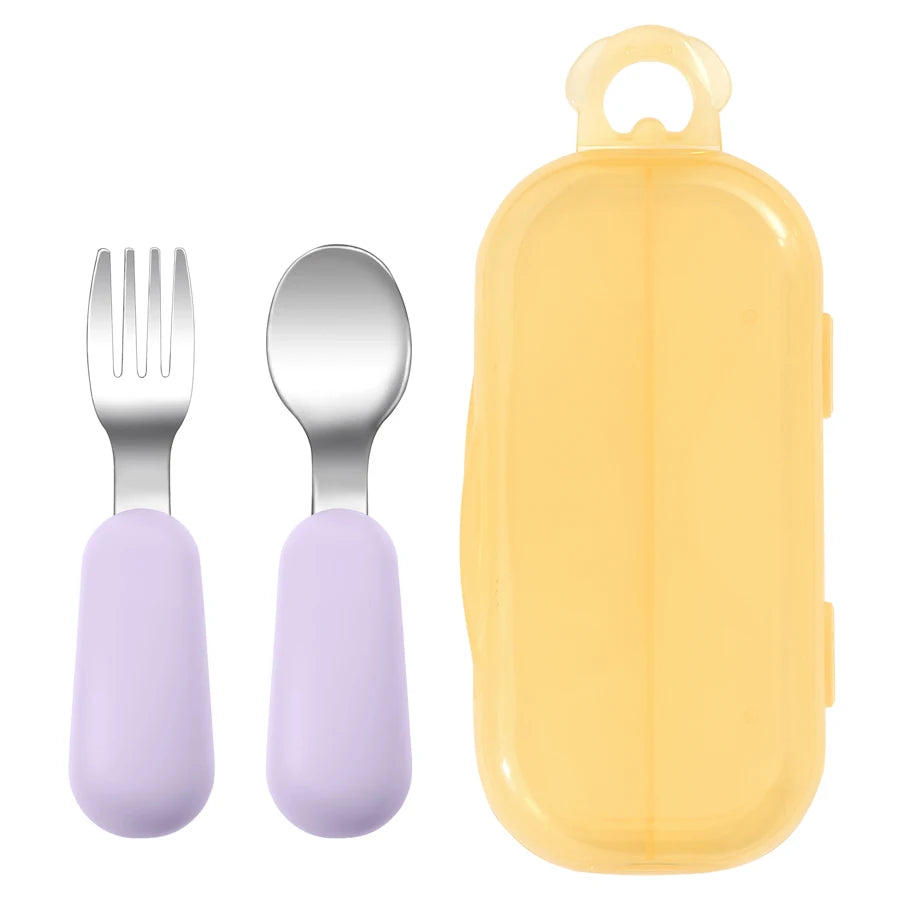
Food grade silicone baby tools vs silicone vs metal utensils — 💡 See it in action
Why Parents Switch to Food Grade Silicone Baby Tools
Food grade silicone baby tools have become popular because they solve common frustrations parents face during feeding. Unlike hard plastics or cold metals, silicone offers a soft, flexible feel that’s gentler on gums while still strong enough to handle daily wear.
- Heat-resistant for hot foods and sterilization
- Soft edges that reduce mouth injuries
- Non-toxic material free from common concerns
- Lightweight for small hands learning to self-feed
Many parents browsing Feeding Tools or Feeding & Nursing collections are looking for exactly this balance: safety without sacrificing durability.
What Daily Use Testing Revealed After Weeks of Meals
Food grade silicone baby tools maintained shape, color, and safety even after repeated washing and daily feeding. After weeks of use, they showed minimal staining, no cracking, and consistent flexibility, outperforming cheaper plastic options and matching premium alternatives in durability.
We tested these tools through breakfast purees, sticky lunches, and dishwasher cycles. The biggest surprise? How well silicone bounced back after bending and biting—something that often damages metal or plastic utensils.
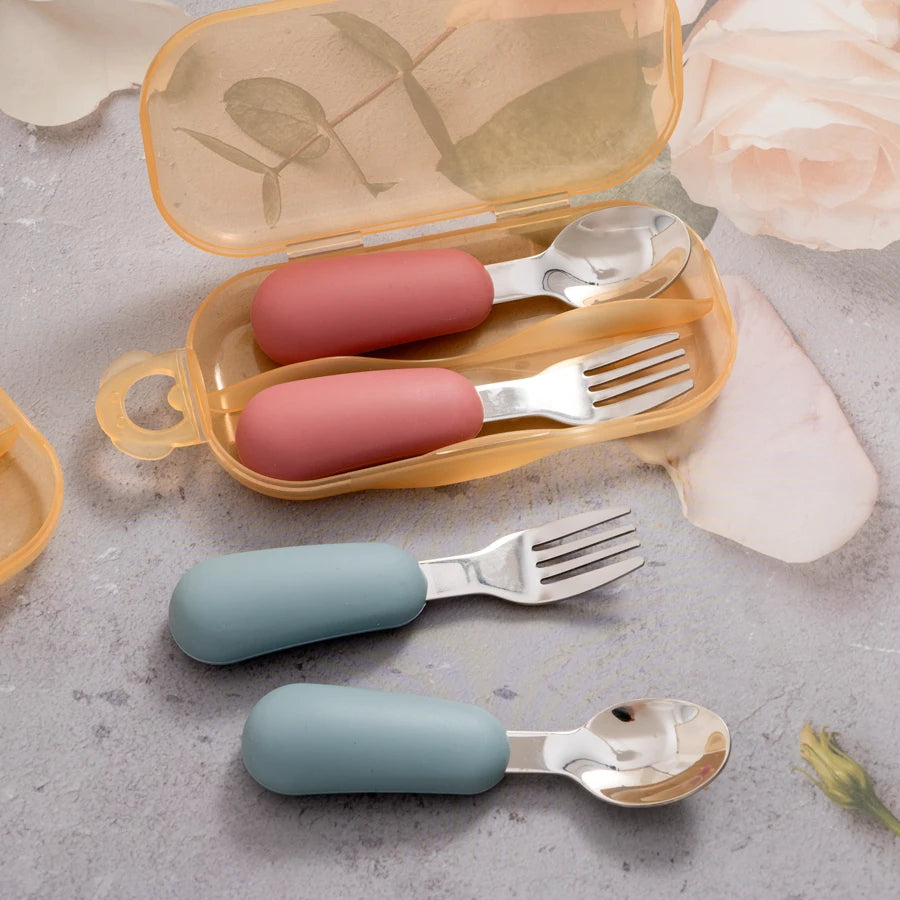
Daily-tested food grade silicone baby tools compared to silicone vs metal utensils — 💡 See it in action
| Feature | Food Grade Silicone | Metal Utensils |
|---|---|---|
| Heat Resistance | High | High |
| Gentle on Gums | Yes | No |
| Flexibility | Flexible | Rigid |
| Child Safety | Very High | Moderate |
Silicone vs Metal Utensils: Which Works Better for Babies?
Food grade silicone baby tools are generally safer and more comfortable for infants than metal utensils. While metal lasts long, silicone reduces injury risk, handles heat safely, and adapts better to early self-feeding stages.
Metal utensils shine in longevity but can feel heavy and unforgiving. Silicone, on the other hand, meets babies where they are developmentally. That’s why many parents browsing Baby Care Essentials or Health & Safety collections lean toward silicone for early years.
Infant Spoon and Fork Set: Real Mealtime Performance
An infant spoon and fork set made from food grade silicone supports safer self-feeding. The soft tips protect gums while textured handles improve grip, helping babies transition from assisted feeding to independence with fewer spills and less frustration.
- Soft tips reduce mouth injuries
- Easy-grip handles build confidence
- Balanced weight prevents tipping
- Dishwasher-safe for busy parents
Parents who paired these tools with items from Baby Growth & Learning noticed smoother skill development during mealtime.
👉 Ready to upgrade your baby’s utensils? Try the thoughtfully designed silicone fork and spoon set trusted by parents for everyday feeding.
Safety, Cleaning, and Long-Term Value
Food grade silicone baby tools excel in cleaning convenience. They resist odors, don’t warp in hot water, and dry quickly. Compared to metal, they’re quieter when dropped and less intimidating for babies exploring textures.
- Boil-safe and sterilizer-friendly
- No sharp edges over time
- Consistent performance after months of use
Many families combine these tools with items from Sterilization Devices and Baby Hygiene Gadgets to streamline daily routines.
What Real Parents Say After Weeks of Use
Parents consistently report less stress at mealtime. One shared, “After a month, the spoon still looks new—even after the dishwasher.” Another noted improved confidence in their toddler’s grip and fewer dropped utensils.
These experiences mirror trends seen across Feeding & Nursing Tips, where durability and safety rank highest for repeat purchases.
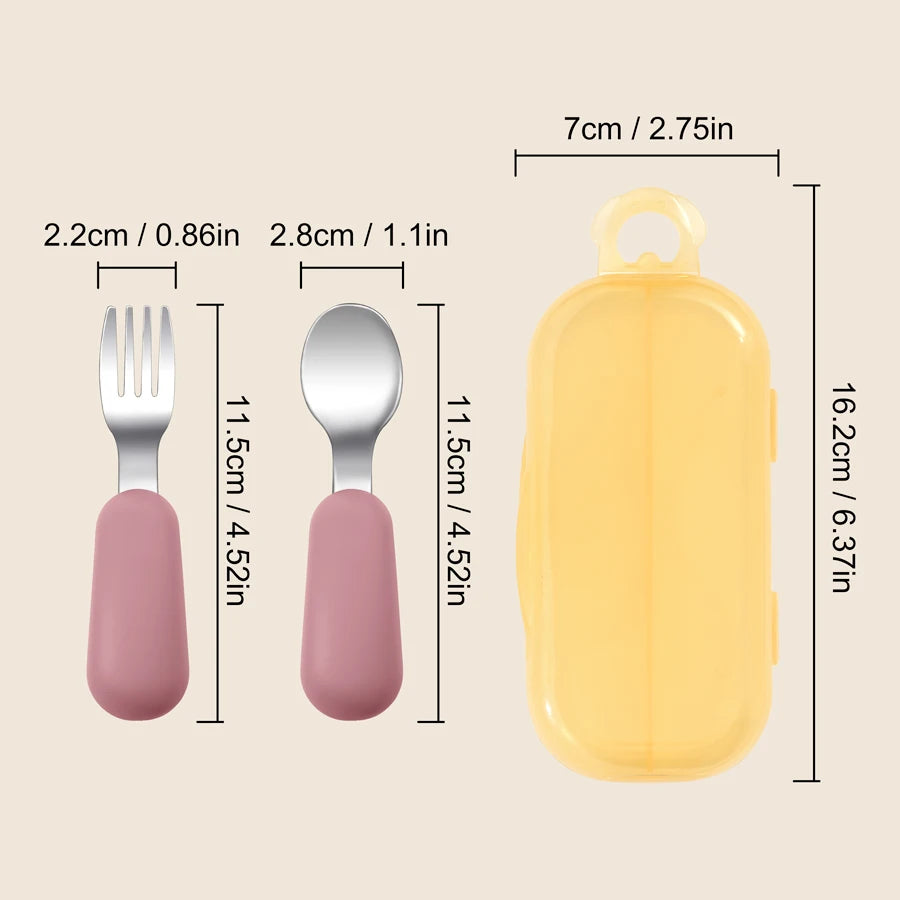
Trusted food grade silicone baby tools and infant spoon and fork set — 💡 See it in action
Quick Questions Parents Ask
Are food grade silicone baby tools safe for daily use?
Yes. When made from certified food grade silicone, these tools are designed to handle heat, saliva, and repeated cleaning without releasing harmful substances.
Do silicone utensils stain over time?
High-quality silicone resists most stains. Occasional deep-colored foods may leave marks, but proper washing usually restores the original look.
When should babies switch from silicone to metal utensils?
Many parents wait until toddlers have better control and coordination. Silicone remains a safe option well into early childhood.
Related Guide: Baby Fork Spoon Feeding Set Review Worth Buying





