

Does a gravity straw cup for toddlers really reduce spills?
Yes. A gravity straw cup for toddlers can significantly reduce everyday spills because its weighted straw follows the liquid as the cup moves, allowing children to drink from almost any angle. While no toddler cup is completely leak-proof, this design minimizes tipping, supports independent drinking, and usually performs better than traditional straw cups during meals, travel, and play.
Spills still happen if a lid is not secured properly, a valve becomes worn, or the cup is shaken forcefully. However, compared with regular straw cups, gravity straw cups generally provide more consistent flow and fewer accidental leaks during normal use.
Gravity Straw Cup for Toddlers vs Regular Straw Cups
⏱ 6 min read
A gravity straw cup for toddlers can quietly solve one of the biggest daily frustrations parents face: constant spills and surprise messes. Unlike traditional straw cups, gravity-weighted designs allow children to sip comfortably without constantly tilting the cup, helping reduce leaks while encouraging independent drinking. Whether you're comparing spill proof straw cups, replacing a leaking bottle, or shopping for the best cups for 6 month olds, understanding how these cups work can make choosing the right option much easier.

Gravity straw cup for toddlers vs regular designs—see how spill proof straw cups change daily routines. See it in action.
Why spills happen with regular straw cups
Many traditional straw cups work well only when held upright. As toddlers move, climb, or carry their cups around, changes in angle and air pressure can interrupt liquid flow or allow small leaks to develop. These everyday behaviors often explain why parents find sticky floors and damp diaper bags.
- Fixed straws stop reaching the liquid when the cup tilts.
- Pressure changes can force small amounts of liquid through worn valves.
- Toddlers often tip cups aggressively to reach the last sip.
- Repeated drops may loosen lids and seals over time.
- Travel, strollers, and daycare bags increase the chance of accidental leaks.
Understanding these common causes helps set realistic expectations: even high-quality cups require properly fitted lids and regular seal inspections to remain spill resistant.
What is a gravity straw cup for toddlers?
A gravity straw cup for toddlers includes a flexible straw with a small weighted ball attached to the end inside the cup. As the liquid moves, the weighted tip naturally follows it, allowing children to drink comfortably from nearly any position without needing to flip the cup upside down.
This simple mechanism offers several advantages during bottle transitions:
- Supports drinking while sitting, reclining, or holding the cup at different angles.
- Encourages independent sipping with less frustration.
- Reduces the need to shake or tip the cup repeatedly.
- Helps minimize spills during everyday movement.
Like any feeding product, gravity straw cups also have a few considerations. The weighted straw contains additional parts that should be cleaned thoroughly after use, and seals should be checked periodically for wear to maintain good leak resistance.
Parents comparing spill proof straw cups often notice fewer messes and less frustration during meals, car rides, and outdoor activities.
Side-by-side comparison: gravity straw cups vs regular straw cups
Feature comparison
| Feature | Gravity Straw Cup | Regular Straw Cup |
|---|---|---|
| Drinking angle | Nearly any angle | Mostly upright |
| Spill resistance | High with intact seals | Low to moderate |
| Ease of drinking | Consistent flow | May require tipping |
| Independent use | Encourages self-feeding | Can be frustrating for beginners |
| Cleaning | More components to wash | Slightly simpler |
| Travel friendly | Excellent | Varies by design |
| Long-term value | Useful through multiple developmental stages | Often replaced sooner |
Pros and cons
Gravity straw cups
- Excellent spill resistance for daily routines.
- Allows drinking from multiple positions.
- Supports bottle weaning and self-feeding.
- Requires more careful cleaning due to the weighted straw.
Regular straw cups
- Often cost less.
- Usually have fewer parts.
- May leak more easily during active play.
- Can require awkward tilting to finish drinks.
For families browsing Feeding Tools or Feeding & Nursing, this comparison explains why gravity-based designs have become a popular upgrade for everyday use.
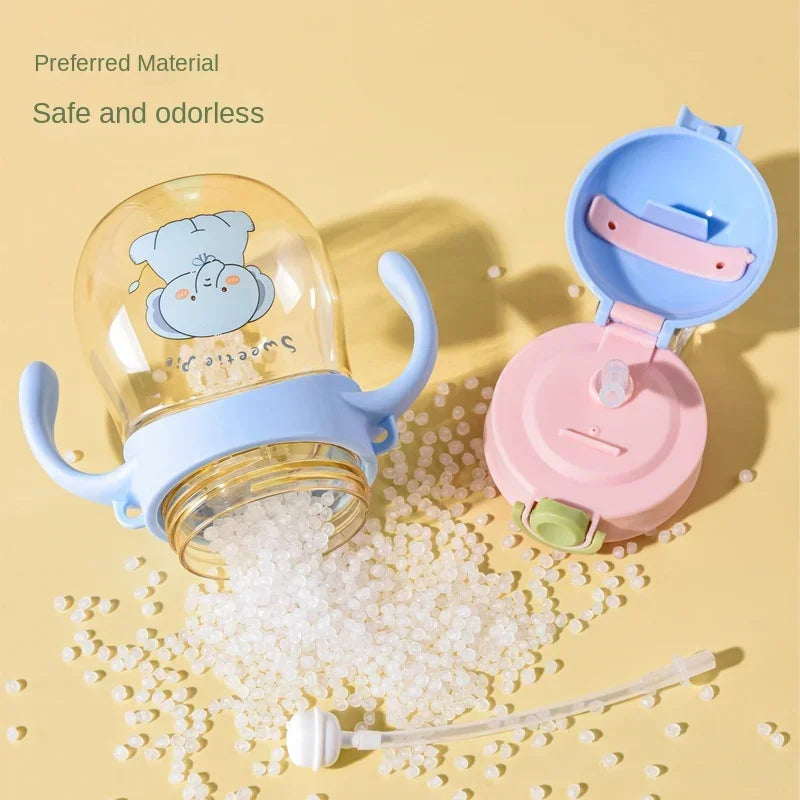
Comparing spill proof straw cups during real-life use. See it in action.
Which cup fits your child’s stage?
Best cups for 6 month olds
Many babies begin practicing open or straw drinking around six months once solid foods are introduced. A gravity straw cup offers gentle, consistent flow that can help children learn sipping skills without needing to master complicated cup angles immediately.
Toddlers learning self-feeding
Between one and two years, toddlers typically want to feed themselves. Gravity straw cups support developing hand-eye coordination by making drinking easier even when the cup is tilted during active movement.
Older toddlers and preschoolers
Older children who regularly drink during car rides, playground visits, or preschool may continue benefiting from gravity straw cups because they remain convenient and spill resistant while encouraging independent hydration.
Parents exploring Baby Growth & Learning often prefer products that adapt as children's motor skills improve instead of requiring frequent replacements.
Real-life use: home, car, and daycare
Daily routines are unpredictable. From breakfast tables to stroller rides and daycare pickup, gravity straw cups help reduce the interruptions caused by leaking bottles and spilled drinks.
- Home: Less cleanup after meals and snacks.
- Car: Children can drink without constantly tipping the cup.
- Daycare: Spill-resistant designs simplify supervision and storage.
- Travel: Secure lids help reduce leaks inside backpacks and diaper bags.
Safety, cleaning, and durability
Materials
Choose cups made from food-safe materials such as BPA-free plastic or food-grade silicone. Soft silicone straws are generally gentler on developing gums while secure lids help maintain spill resistance.
Cleaning tips
Many gravity straw cups can be washed in the dishwasher's top rack, although hand washing with a narrow straw brush often provides a more thorough clean. Disassemble the straw, valve, and lid after each use to reduce residue buildup and help prevent mold.
When to replace parts
Inspect seals, valves, and straws regularly. Replace damaged or stretched components if you notice persistent leaking, cracks, discoloration, or reduced suction. Routine maintenance helps extend the cup's lifespan while keeping drinking safe and hygienic.
When browsing Health & Safety, many parents prioritize products that combine durable construction with easy cleaning and reliable food-safe materials.
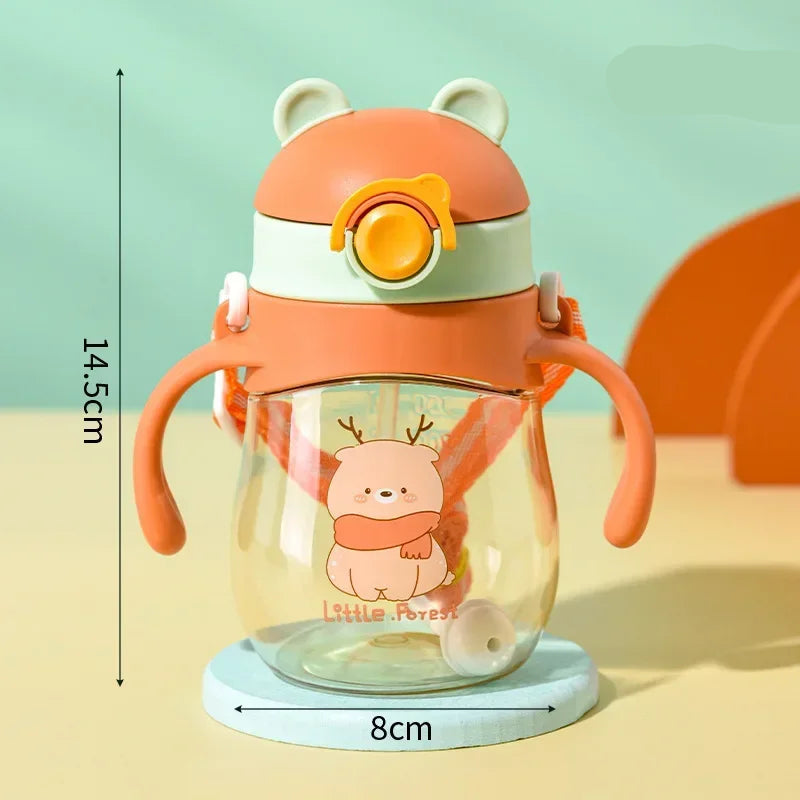
A closer look at a gravity straw cup for toddlers. See it in action.
Why many parents switch to gravity straw cups
Many families find that gravity straw cups simplify everyday routines rather than completely eliminating spills. Better drinking angles, fewer leaks, and easier self-feeding often mean less cleanup and greater confidence for growing toddlers.
- Reduced daily messes.
- Supports independent drinking skills.
- Performs well during travel and outings.
- Can remain useful throughout bottle-weaning and toddler years.
Mini FAQ
Are gravity straw cups spill proof?
They are designed to be highly spill resistant rather than completely spill proof. Properly assembled lids and well-maintained seals greatly reduce everyday leaks.
Can gravity straw cups replace bottles?
For many toddlers, yes. They are commonly used during bottle weaning because they encourage independent sipping while offering a familiar drinking experience.
How do I choose the right size?
Select a capacity that matches your child's age, appetite, and daily routine. Smaller cups are often easier for beginners to hold, while older toddlers may benefit from larger capacities.
Are gravity straw cups worth it?
If your child frequently tips cups, struggles to reach the last sip, or you're tired of cleaning everyday spills, a gravity straw cup can provide worthwhile convenience despite requiring slightly more cleaning.
What age can babies start using a gravity straw cup?
Many babies begin practicing straw drinking around six months when developmentally ready and eating complementary foods, although individual readiness varies.
Do gravity straw cups help with bottle weaning?
Yes. Their easy drinking angle often makes the transition from bottles to straw cups smoother while encouraging independent drinking skills.
Can toddlers drink while lying down with a gravity straw cup?
The weighted straw allows drinking from many different angles, but children should still be encouraged to drink while sitting upright whenever possible for safer swallowing.
Are gravity straw cups harder to clean than regular straw cups?
They usually have a few additional components, but regular cleaning with a straw brush keeps maintenance straightforward.
How often should straw valves and seals be replaced?
Replace them whenever they become damaged, stretched, cracked, or no longer provide a reliable seal. Routine inspection helps maintain spill resistance and hygiene.
Related Guide: Best Toddler Drinking Cup Compared for Mess-Free Sipping





